World Health Organization labels Diet Coke ingredient as possibly carcinogenic while FDA maintains it’s safe

The world’s most popular diet soda contains an ingredient that international health experts say could cause cancer. But American regulators are telling a completely different story.
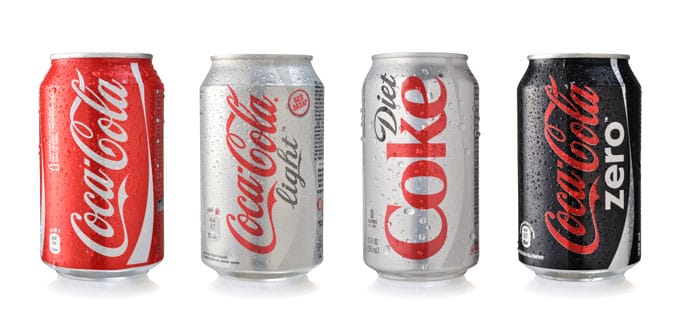
The Sweet Controversy
Diet Coke has become a daily ritual for millions of Americans seeking the perfect zero-calorie caffeine fix. The fizzy beverage promises all the taste without the guilt of regular soda.
But recent scientific findings are forcing health experts to take a harder look at what’s really inside that iconic red can.
Michelle Routhenstein, a New York-based registered dietitian specializing in heart disease, has been tracking concerning research about artificially sweetened beverages.
“Research shows that drinking two or more artificially sweetened beverages per day may increase the risk of heart disease and stroke,” Routhenstein told Fox News Digital.
The Hidden Health Impact
The problems don’t stop at cardiovascular risks. Studies are revealing that diet sodas may be wreaking havoc on our bodies in ways we never expected.
Tanya Freirich, a registered dietitian nutritionist in Charlotte, North Carolina, points to research linking artificial sweeteners to weight gain and increased diabetes risk.
Even more alarming, some studies suggest just one diet soda can increase the risk of atrial fibrillation – an irregular heartbeat that dramatically raises stroke risk.

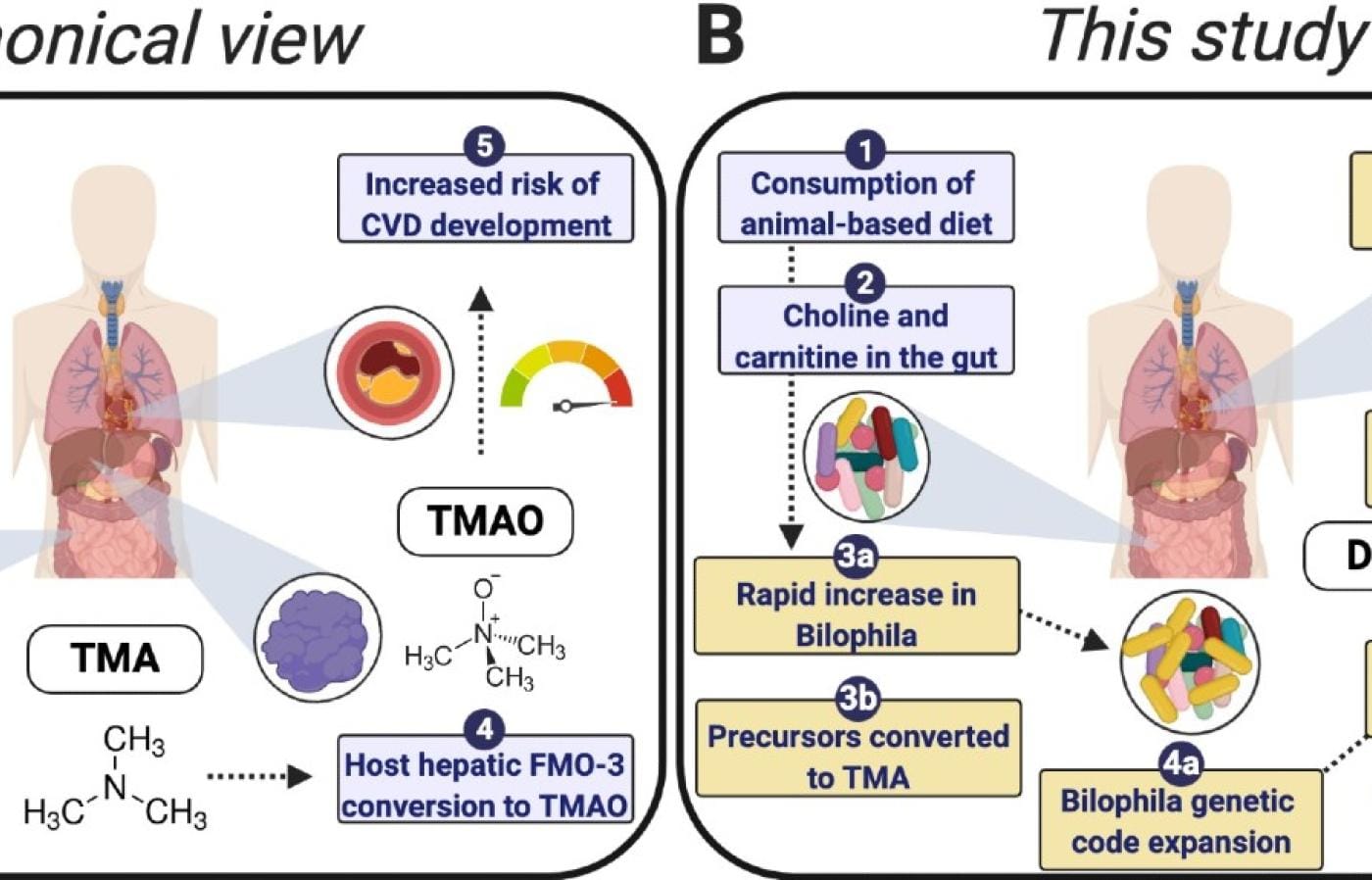
The artificial sweeteners may be disrupting the delicate balance of gut bacteria that plays a crucial role in preventing chronic disease.
“Many of my clients who have ditched Diet Coke mention how they never realized how addictive it can be,” Routhenstein revealed.
The International Warning
The controversy centers around aspartame, the primary artificial sweetener that gives Diet Coke its signature taste without the calories.

In 2023, the World Health Organization made a stunning declaration that sent shockwaves through the beverage industry.
“Aspartame, the artificial sweetener in Diet Coke, has been labeled as possibly carcinogenic by the World Health Organization and may negatively affect our gut microbiome,” Freirich explained.
This classification puts aspartame in the same category as other substances that have limited evidence of causing cancer in humans.
The FDA Fights Back
But American health authorities aren’t backing down from their position on aspartame safety.
The FDA issued a firm statement defending the controversial sweetener, creating a confusing situation for consumers trying to make informed choices.
“Aspartame is one of the most studied food additives in the human food supply. FDA scientists do not have safety concerns when aspartame is used under the approved conditions,” the agency declared.
The FDA emphasized that regulatory authorities in Canada and Europe also consider aspartame safe at current permitted use levels.
The Healthier Path Forward
Despite the regulatory disagreement, nutrition experts are recommending consumers consider alternatives to diet sodas.
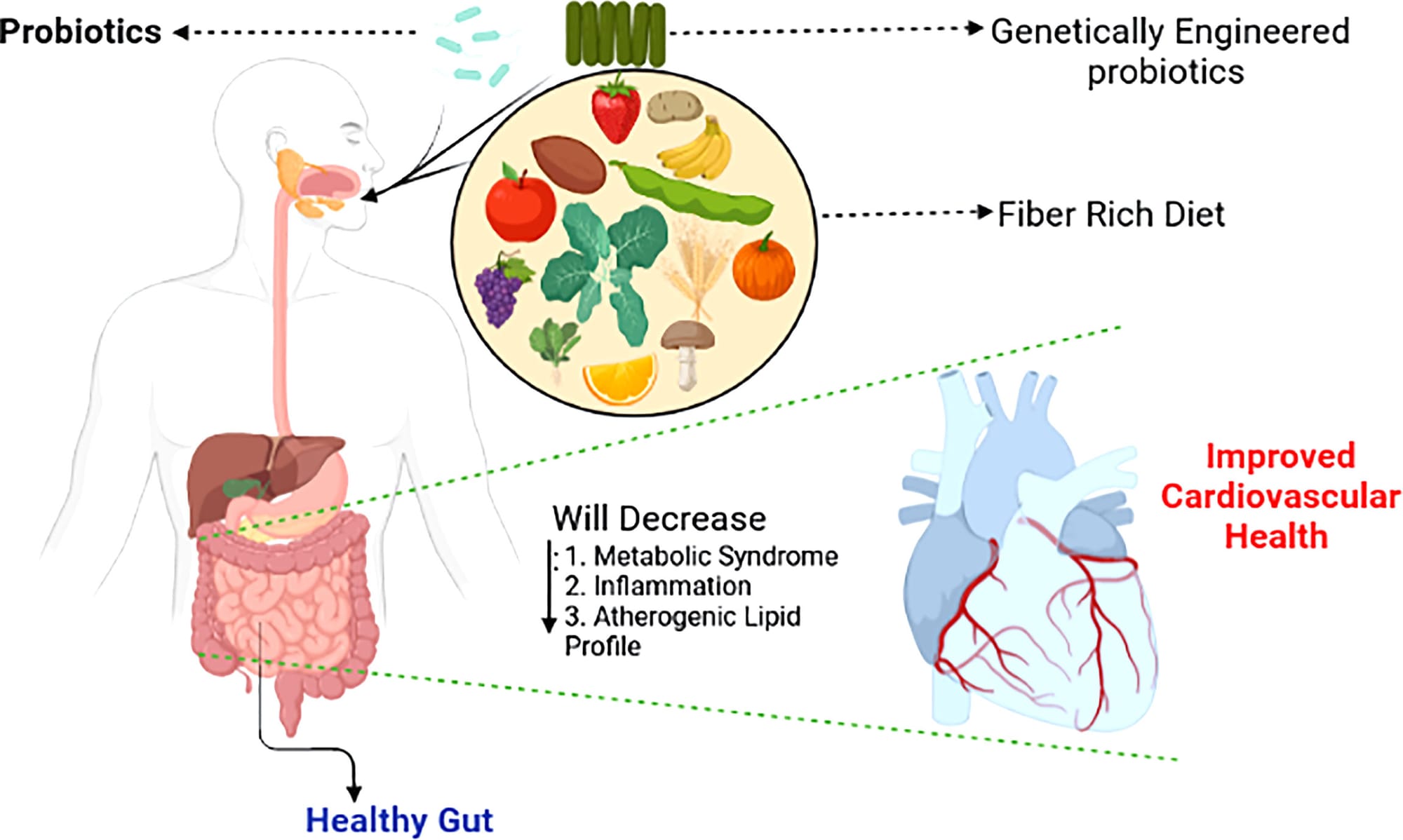
Low-sugar kombucha offers probiotics that actually benefit gut health, while sparkling green tea provides carbonation with anti-inflammatory properties.
For those seeking the caffeine kick, lightly sweetened tea or coffee delivers antioxidants along with energy.
The simplest solution remains the most effective: plain water for optimal hydration and overall health.
As the debate between international and American health authorities continues, consumers are left to weigh the conflicting evidence and make their own decisions about their daily Diet Coke habit.