Why Professional Chefs Never Buy This Common Pasta Brand

Professional chefs have strong opinions about pasta, and one brand that often raises eyebrows in professional kitchens is Barilla, despite its widespread popularity among home cooks.
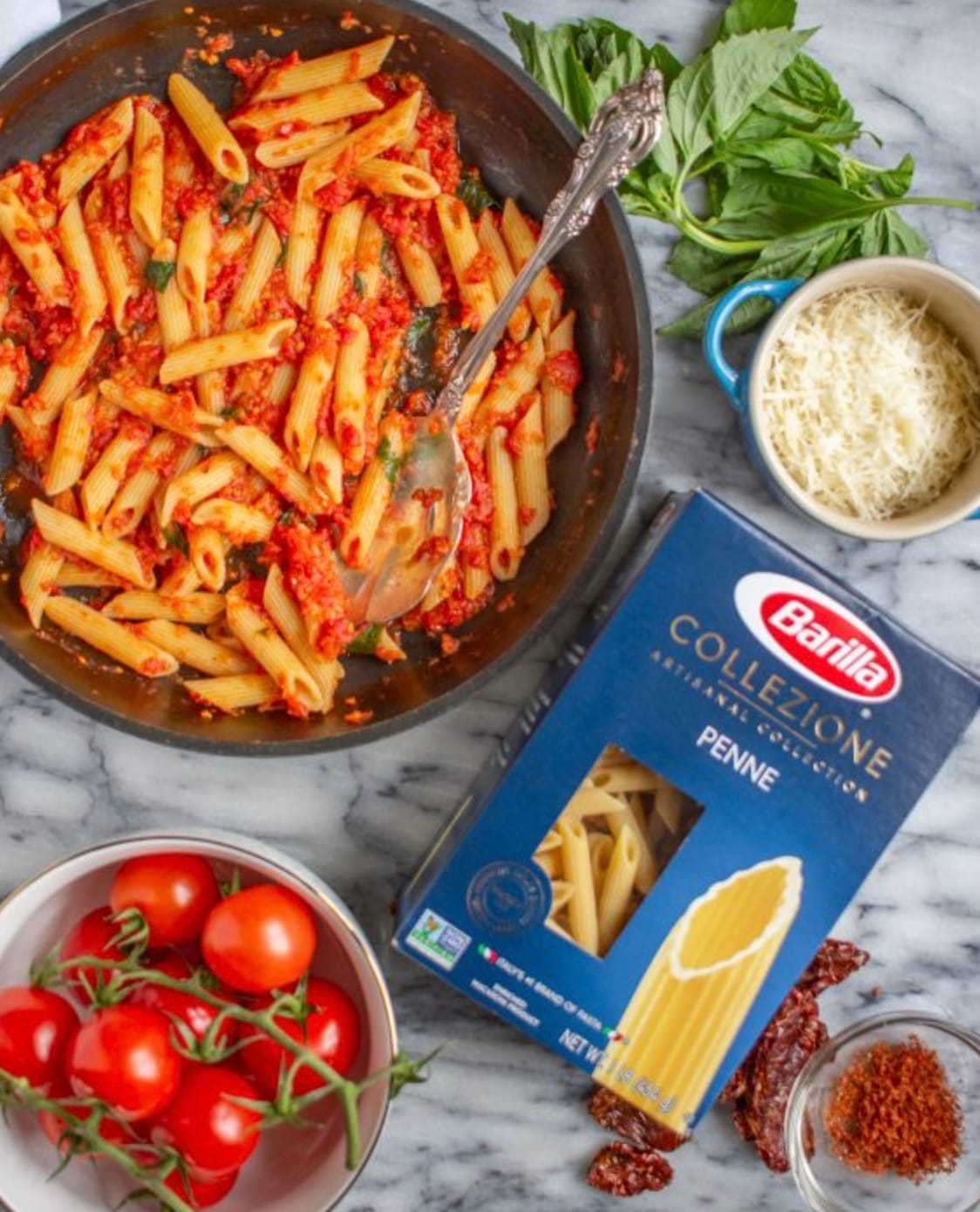
While Barilla remains one of the most recognizable names in pasta, many chefs avoid it for several compelling reasons.
The Texture Problem
The main issue lies in Barilla’s surface texture. The pasta is notably smooth and somewhat shiny, which results from using Teflon dies in the manufacturing process.
This smoothness creates a significant problem: the sauce tends to slide right off the pasta rather than properly adhering to it. When cooking pasta dishes, the marriage between pasta and sauce is crucial, and Barilla’s slick surface makes this union challenging.
Quality Concerns
Another significant drawback is the quick-drying process Barilla employs. The pasta is dried at higher temperatures for shorter periods, which affects both texture and flavor.
This rapid drying process results in:
- A narrower window for achieving perfect al dente texture
- Less starch release during cooking
- A tendency to become mushy more quickly
- A less complex wheat flavor
What Chefs Choose Instead
Professional chefs typically gravitate toward brands that use traditional production methods, particularly those featuring:
- Bronze-die extrusion
- Slow-drying processes
- High-quality durum wheat semolina
Rummo, La Molisana, and Garofalo are frequently found in professional kitchens. These brands produce pasta with a rougher texture that better grips sauce and maintains its structure during cooking.
The Price Factor
While Barilla positions itself as a premium brand in many markets, chefs argue that its quality doesn’t justify its price point. Many alternative brands offer superior quality for just a slight increase in cost, making them a better value for both professional and home kitchens.
The Bottom Line
While Barilla isn’t necessarily a poor-quality pasta, professional chefs avoid it because it simply doesn’t meet their exacting standards for texture, sauce adherence, and overall cooking performance.
For home cooks looking to elevate their pasta game, following the lead of professional chefs and choosing brands that use traditional production methods can make a noticeable difference in the final dish.