Why Everyone Is Boycotting This Popular Brand in 2025
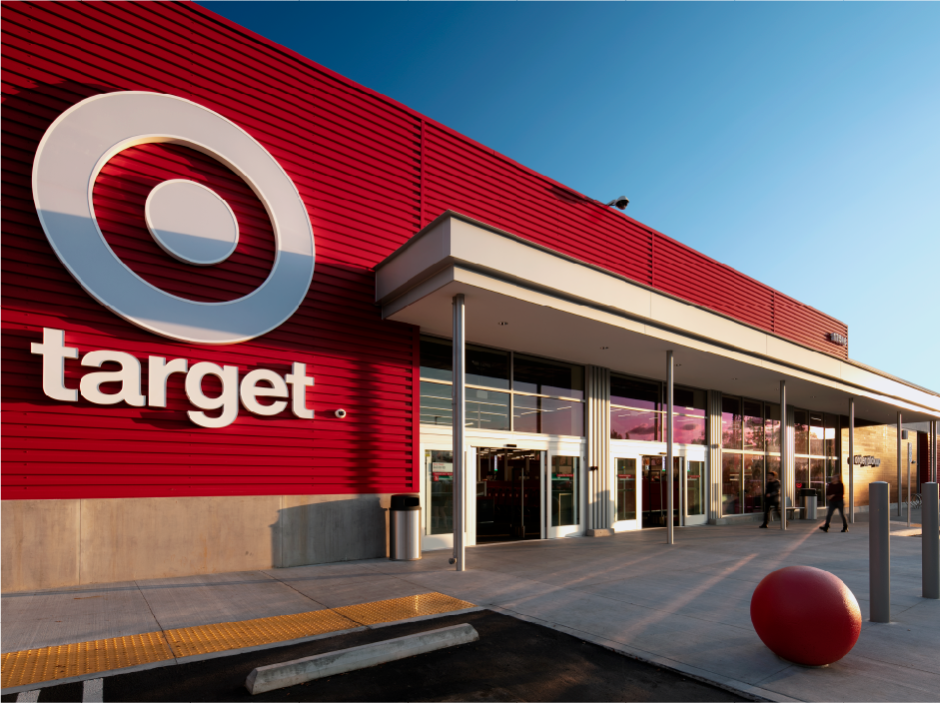
Target, one of America’s most beloved retail chains, has become the focus of a massive nationwide boycott in early 2025. The backlash erupted after the company rolled back its diversity, equity, and inclusion (DEI) programs and halted plans to source products from minority-owned businesses. Here’s why shoppers are turning away—and what it means for corporate America.
Why Target?
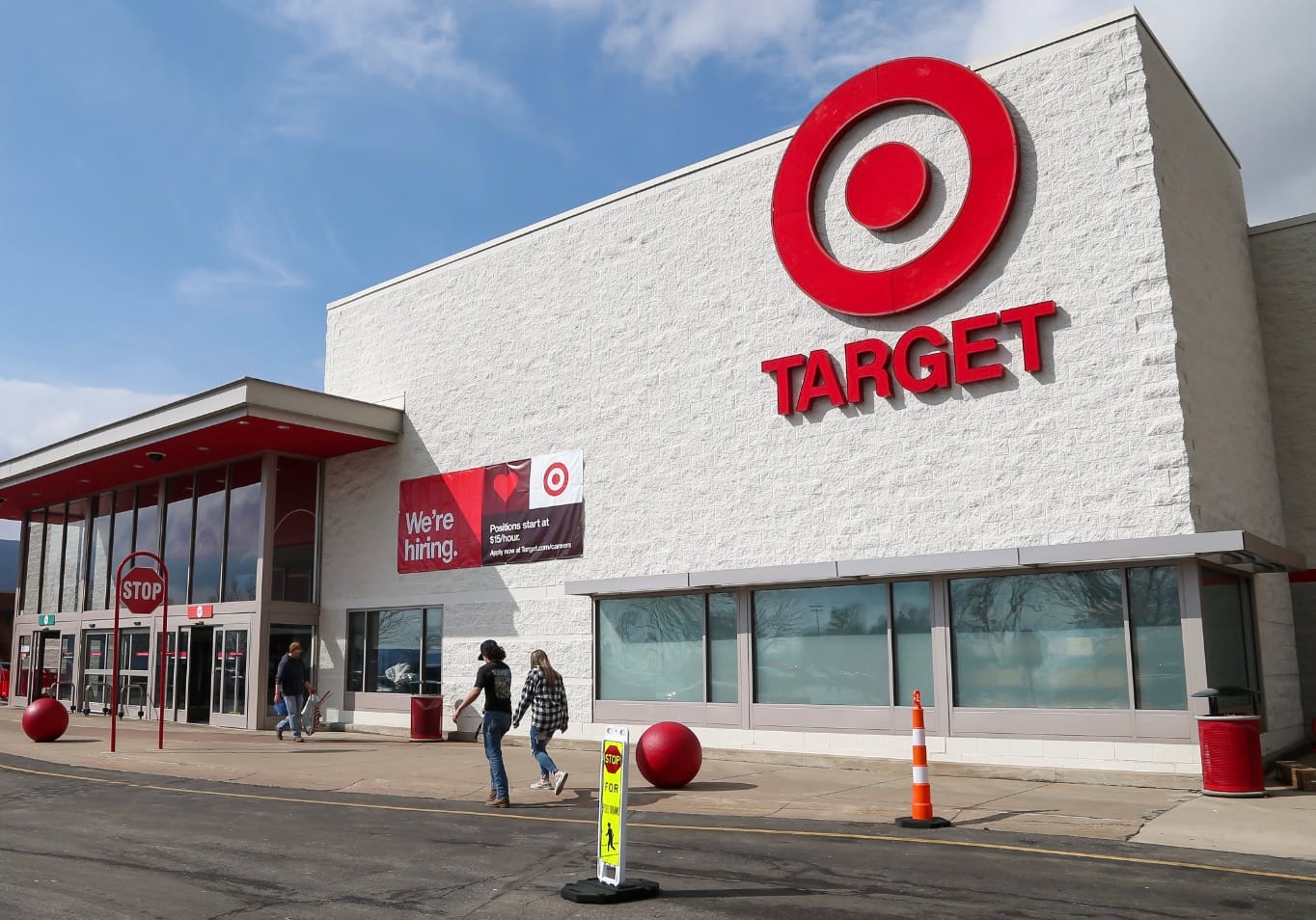
In January 2025, Target announced it would end most of its DEI initiatives, including a $2 billion pledge to support Black-owned businesses and a program to uplift Black employees. The decision came after former President Donald Trump pressured companies to abandon DEI policies, calling them “divisive.” For many customers, this felt like a betrayal.
Key reasons for the boycott:
- DEI reversal: Target’s DEI programs, launched after the 2020 Black Lives Matter protests, were seen as a commitment to racial justice. Their cancellation sparked outrage.
- Black History Month backlash: The boycott began on February 1, 2025—the start of Black History Month—with activists urging shoppers to support Black-owned businesses instead.
- Political pressure: Critics accuse Target of prioritizing profits over principles by aligning with Trump’s anti-DEI agenda.
The Backlash Explained
Over 50,000 people have joined the boycott, organized by civil rights groups like the Racial Justice Network and Black Lives Matter Minnesota. Protesters argue that Target’s decision undermines years of progress.
What activists are saying:
- “If Target loses $29 million daily for 40 days, we’ll challenge the system,” said Pastor Jamal Bryant, a boycott leader.
- “Black consumers spend $12 million daily at Target. We deserve respect,” Bryant added.
The movement has gained traction on social media, with hashtags like #BoycottTarget trending nationwide.
A Wider Trend

Target isn’t alone. Companies like Coca-Cola, Walmart, and Amazon also face boycotts for scaling back DEI efforts or alleged ties to controversial policies. For example:
- Coca-Cola is under fire for rumors it reported Latino workers to immigration officials.
- Amazon is criticized for labor practices and CEO Jeff Bezos’s political influence.
But Target’s boycott stands out because of its timing—Black History Month—and its history as a brand that once championed social causes.
What’s Next?
Experts say the boycott reflects a growing demand for corporate accountability. “Consumers want brands to take a stand,” said finance analyst Michael Ryan. “Target’s retreat from DEI feels like a betrayal to its core audience.”
As the boycott continues, all eyes are on whether Target will reverse course—or if other companies will face similar reckonings.
In 2025, shoppers aren’t just buying products. They’re buying values. And for now, Target’s values are costing them customers.