Why Dairy Farmers Never Buy This Popular Milk Brand
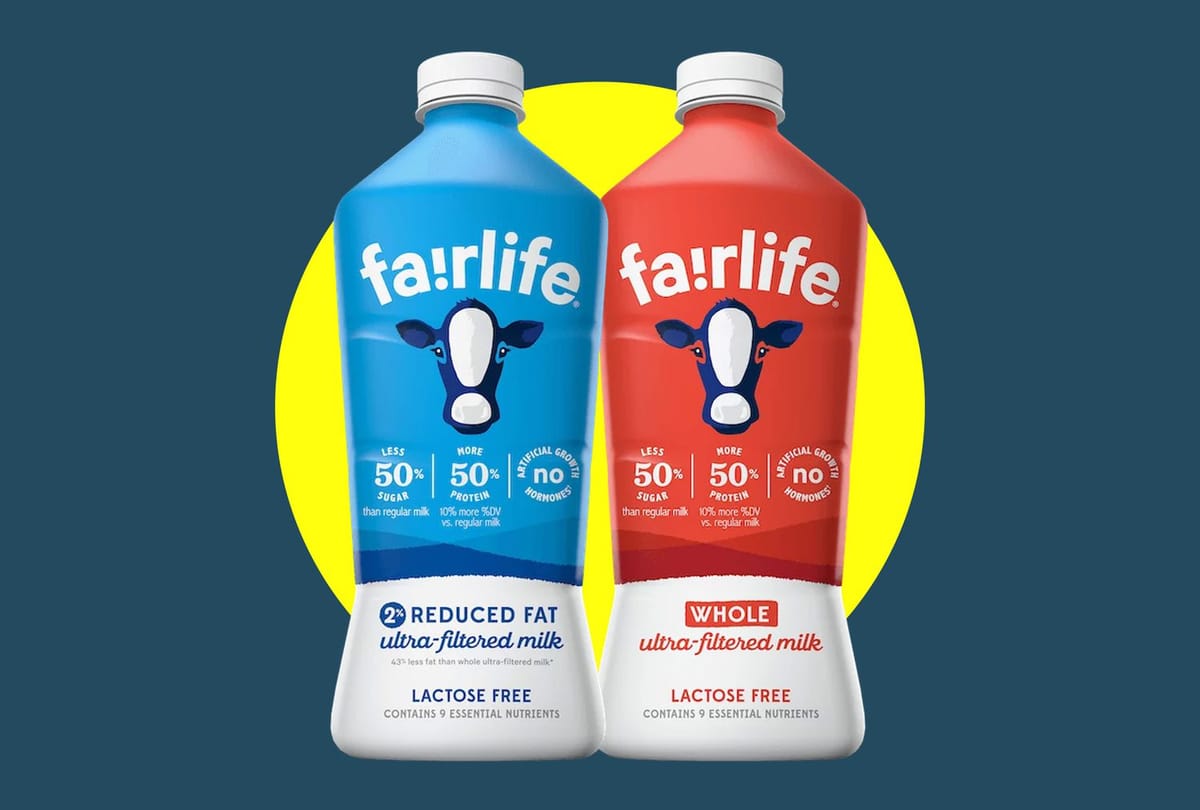
The dairy industry faces turbulent times as farmers grapple with ethical concerns and market pressures. Many dairy farmers refuse to support certain popular milk brands due to controversial practices.
Fairlife, a major milk producer, has faced widespread boycotts from farmers and consumers alike after shocking animal abuse revelations.
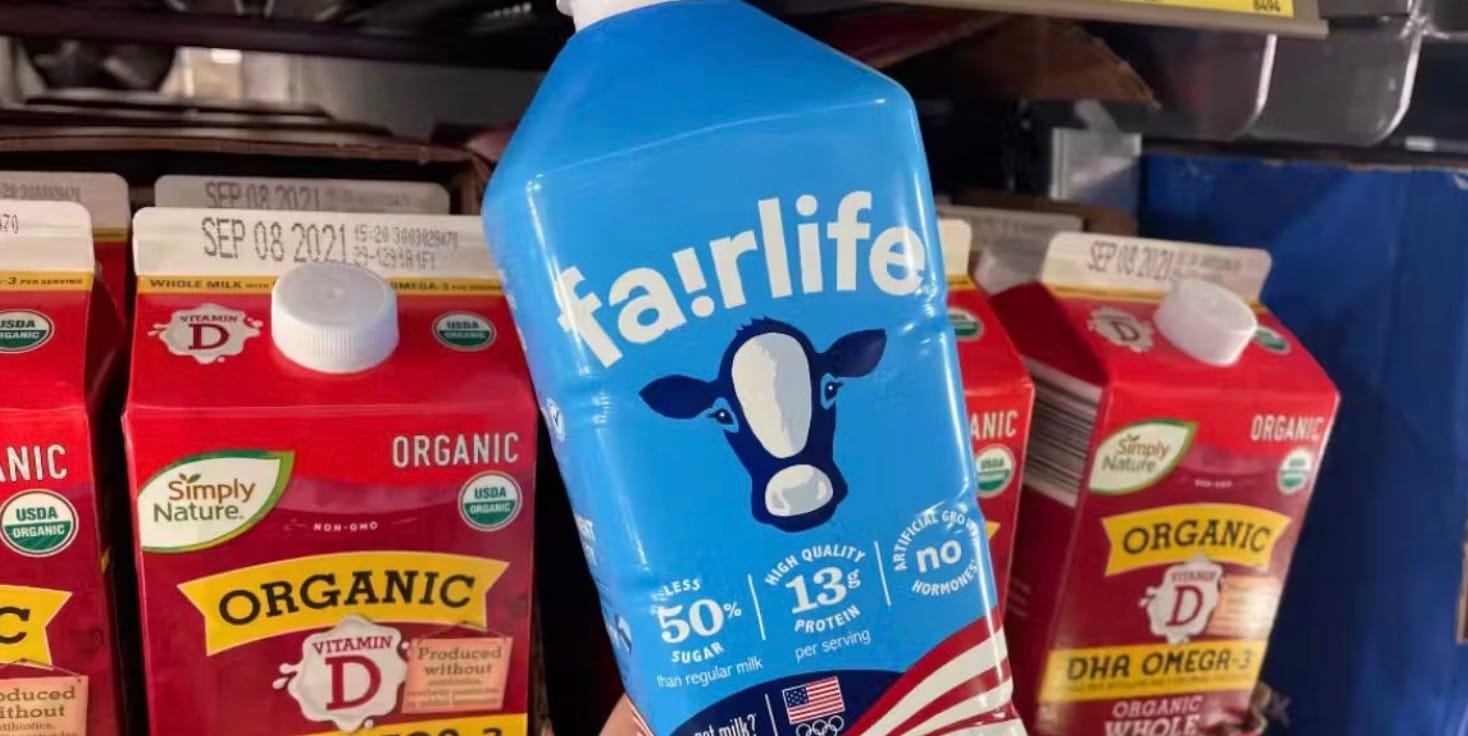
“We were horrified by the footage from Fair Oaks Farms,” said John Davis, a third-generation dairy farmer from Wisconsin. “It goes against everything we stand for in this industry.”
The undercover investigation exposed workers kicking and throwing calves, leading to animal cruelty charges and a lawsuit against Coca-Cola, Fairlife’s parent company.
Even organic milk brands aren’t immune to scrutiny. PETA has filed a lawsuit against Organic Valley, alleging deceptive marketing practices.
“The idyllic pasture scenes in their ads don’t match the reality,” claimed Sarah Thompson, an animal rights activist. Meanwhile, small organic dairy farms struggle with high costs and limited bargaining power, making it tough to compete in a challenging market.
Key Takeaways
- Animal welfare concerns have led many dairy farmers to boycott certain milk brands
- Organic milk producers face legal challenges over marketing practices
- Small dairy farms struggle with high costs and limited market power
The Fairlife Controversy
The Fairlife milk brand faced severe backlash after an undercover investigation exposed animal abuse at one of its supplier farms. This led to legal action, consumer outrage, and industry-wide scrutiny of dairy farming practices.
Undercover Expose and Repercussions
In 2019, an undercover investigator from Animal Recovery Mission revealed shocking instances of animal cruelty at Fair Oaks Farms, a major Fairlife milk supplier. The footage showed workers throwing calves, hitting them with bottles, and kicking cows.
“What we witnessed was appalling,” said Richard Couto, founder of ARM. “The level of abuse and neglect was beyond anything we’ve seen before.”
The expose led to animal cruelty charges against three employees. Fairlife quickly cut ties with Fair Oaks Farms and implemented new welfare programs.
Consumer Response and Legal Actions
The scandal sparked widespread consumer protests and boycotts of Fairlife products. Many retailers pulled the brand from their shelves.
“We’re deeply disappointed by these actions,” said Mike Saint John, CEO of Fairlife. “We’re taking immediate steps to ensure this never happens again.”
A civil lawsuit was filed against Coca-Cola, Fairlife’s parent company, alleging deceptive marketing practices. The suit claimed Fairlife misled consumers about its animal welfare standards.
Despite these efforts, recent reports suggest Fairlife may still be sourcing milk from farms with questionable practices. This ongoing controversy has made many dairy farmers wary of associating with the brand.
Challenges in Organic Milk Production
Organic milk production faces significant hurdles despite growing consumer demand. Small dairy farmers struggle with high costs and market pressures while trying to maintain ethical practices.
Barriers for Small Dairy Farms
Transitioning to organic milk production is costly and time-consuming for small farms. John Smith, a Vermont dairy farmer, explains, “It took us three years and over $100,000 to get certified organic.”
The initial investment costs are steep, including:
- Land conversion
- New equipment
- Organic feed supplies
Ongoing expenses also remain high. “Our feed costs jumped 50% in just two years,” reports Sarah Johnson, an organic dairy farmer from Wisconsin.
Many small farms struggle to compete with larger operations that can produce at lower costs. This often leads to financial strain or even farm closures.
Market Dynamics and Dairy Farmers’ Struggles
The organic milk market is complex and often unfavorable for small producers. Despite growing consumer interest, farmers face challenges in profitability.
Tom Brown, an industry analyst, notes, “Only about 7% of U.S. milk production was organic in 2021. The market is still niche.”
Farmers have limited negotiating power with big retailers and processors. “We’re price-takers, not price-makers,” laments Mary Davis, a third-generation dairy farmer.
Supply chain issues and market volatility add further stress. Some farmers report barely breaking even or operating at a loss.
These factors combined make it difficult for small organic dairy farms to thrive long-term.