Veterans Sound Alarm Comparing Trump Iran To Iraq WMD Lies
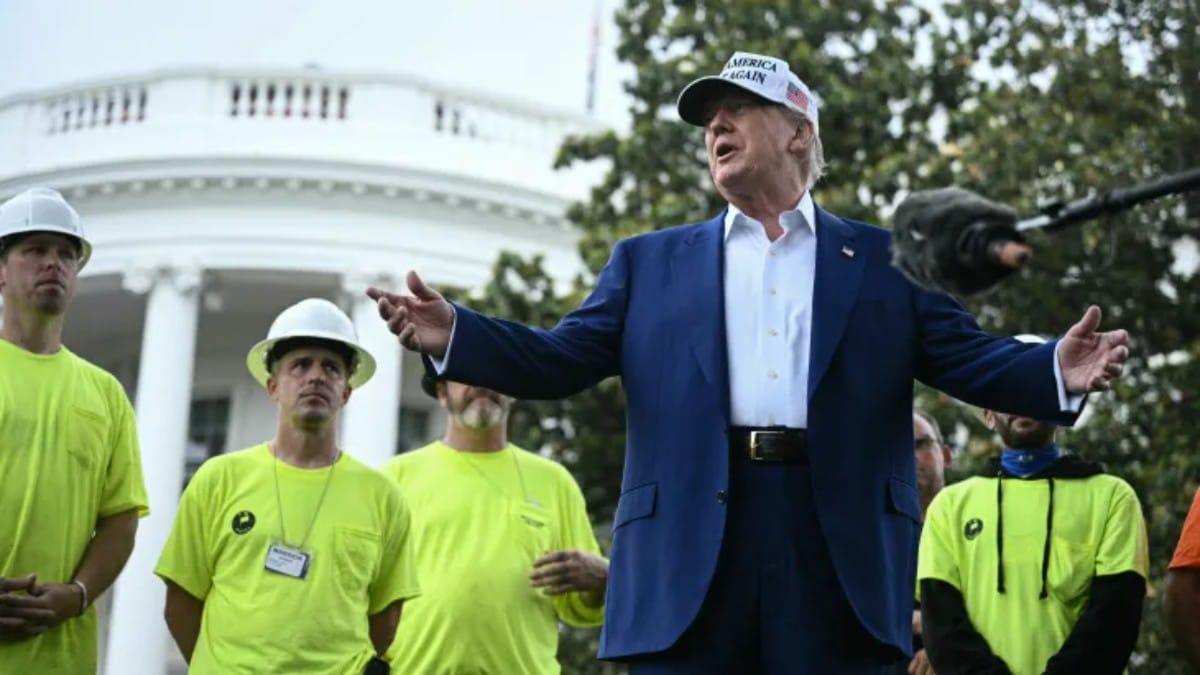
Veterans across the country are speaking out.
Their concerns about potential conflicts are making headlines.
America’s Veterans Weigh In On Foreign Policy
Military veterans hold a unique perspective on the nation’s foreign policy decisions, having directly experienced the consequences of conflict.
Their voices are often central to debates about deploying troops and engaging in military action abroad.
Recent discussions surrounding tensions with Iran have brought these voices to the forefront once again.
Groups representing post-9/11 veterans and those with broader peace mandates are contributing to the national conversation.
These organizations, like About Face and Veterans for Peace, emphasize informing the public about the significant costs, both human and financial, associated with military interventions.
The Role of Congress in Military Action
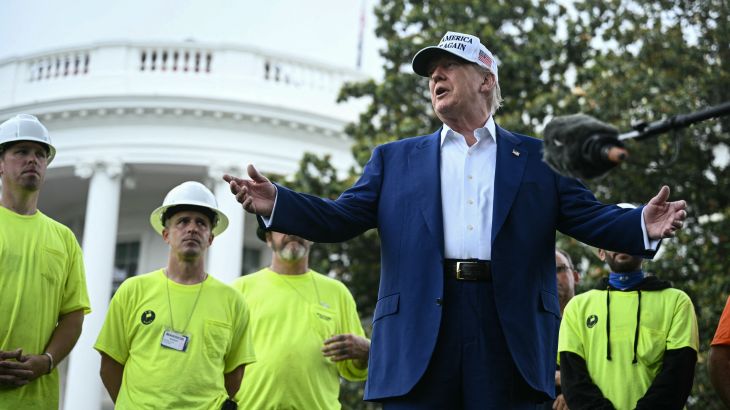
A key part of the current debate revolves around the constitutional authority for engaging in military conflict.
The War Powers Act of 1973 is frequently cited, designed to ensure Congress has a role in decisions that could lead to war.
Many veterans’ groups and lawmakers alike are underscoring the importance of this congressional oversight.
They argue that involving elected representatives in the decision-making process is vital before committing U.S. forces.
This isn’t a new discussion, but one that resurfaces whenever tensions escalate in global hotspots.
Concerns About Past Conflicts Inform Current Views
Veterans often draw upon their experiences in previous wars, particularly those in the Middle East, when evaluating potential new conflicts.
The long duration and significant costs of wars in Iraq and Afghanistan deeply impacted a generation of service members and their families.
These experiences shape their perspectives on the justification and potential outcomes of future military actions.
A recent poll highlighted that a significant majority of veterans prefer reducing, rather than increasing, U.S. troop presence in the Middle East.
This sentiment reflects a desire to avoid getting bogged down in protracted engagements.
Calls for Diplomacy Amidst Tensions
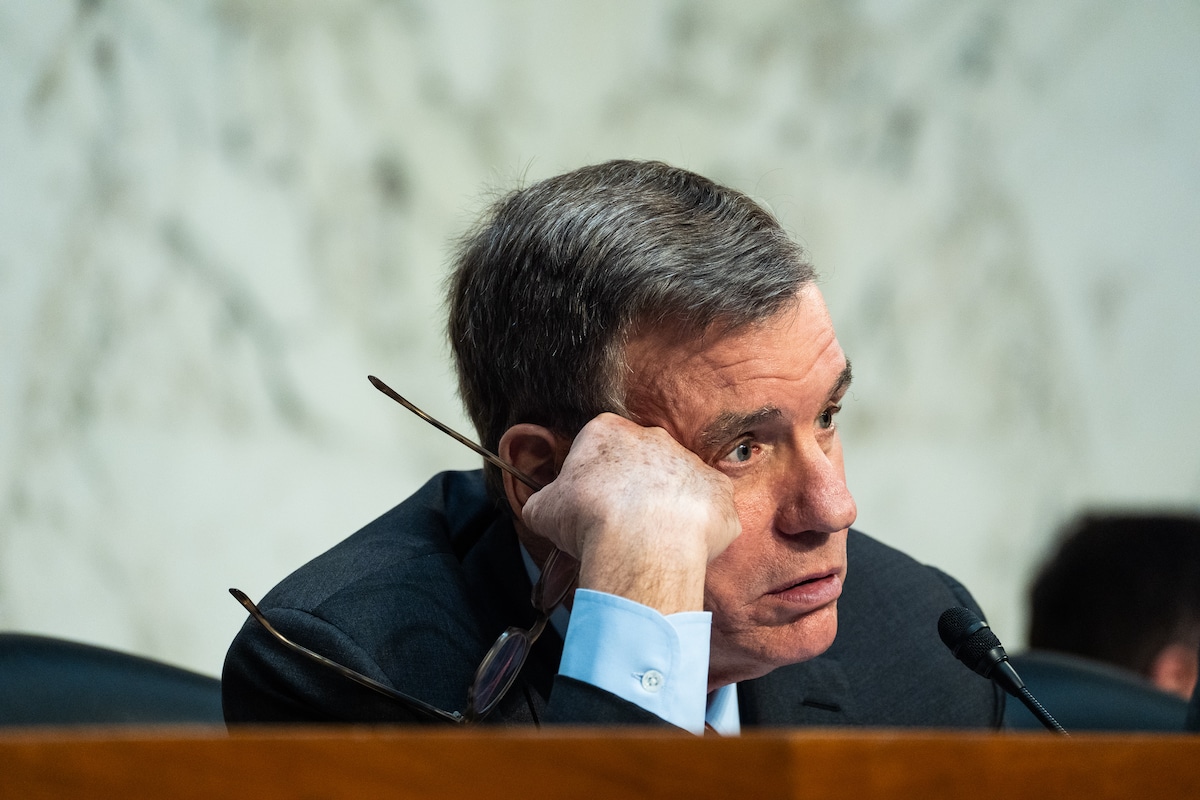
Amidst rising tensions and military posturing, many voices, including those of veterans and some political leaders, are advocating strongly for diplomatic solutions.
They emphasize that non-military approaches should be exhausted before considering military intervention.
Some members of Congress have proposed legislation aimed at requiring explicit authorization for any military action against Iran.
This push reflects a broader desire across the political spectrum to prevent another costly war.
Comparing Current Debates to Historical Precedents
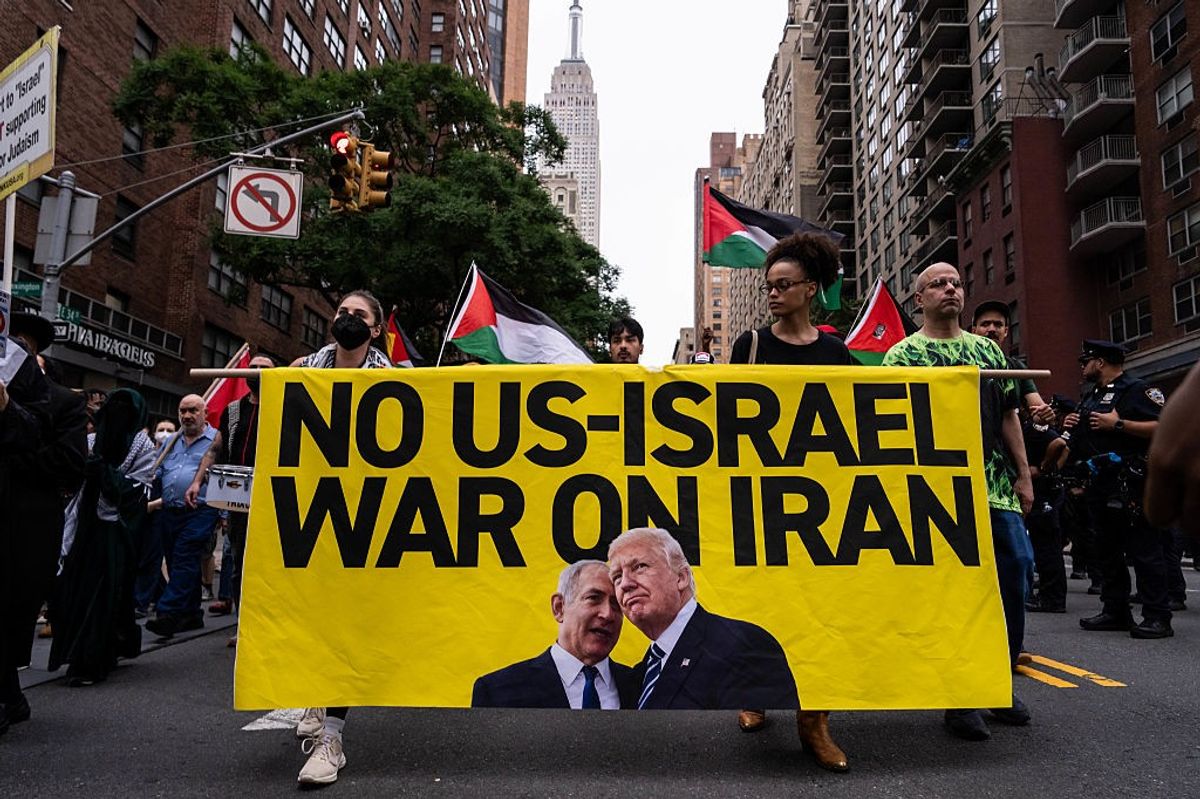
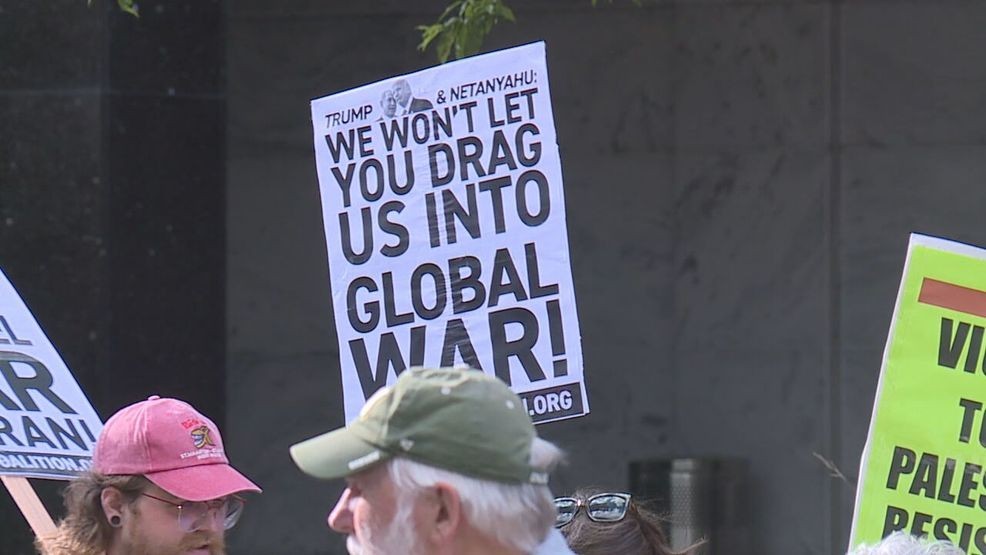
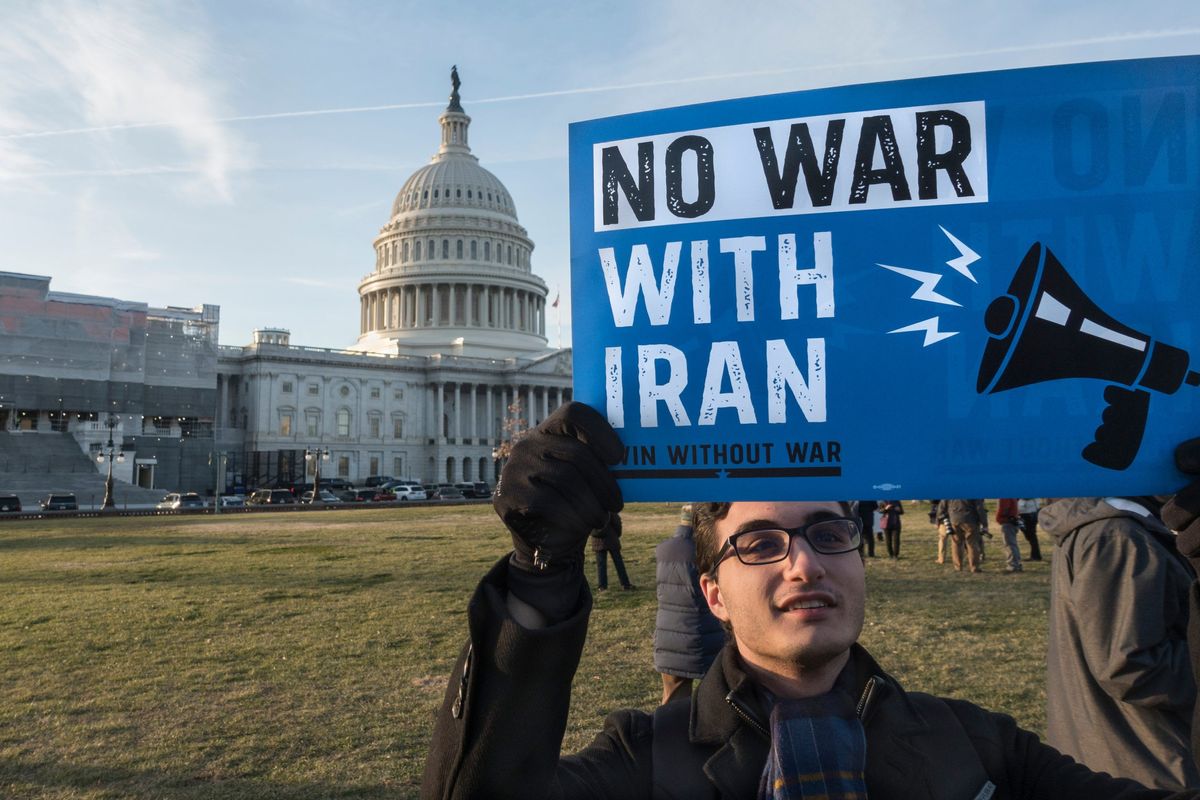
During recent demonstrations held by some veteran groups in cities like Portland and San Antonio, protesters voiced their concerns about the rationale for potential military action.
One participant, identified as Chris, speaking at a gathering outside a senator’s office, drew specific parallels.
Referencing the lead-up to the Iraq War, Chris was quoted saying that claims being made about Iran echoed past situations.
“We saw 20 years ago, we were lied to about weapons of mass destruction with Iraq. And we’re being lied to about weapons of mass destruction again with Iran.”
This comparison to the justification used for the 2003 invasion of Iraq represents a potent concern for some veterans.
These veterans are urging Congress to utilize its authority under the War Powers Act to ensure careful deliberation before any military steps are taken.
They argue that the decision to go to war rests constitutionally with the legislative branch, not solely the executive.
These discussions highlight the diverse perspectives within the veteran community and their desire for careful consideration of future U.S. military engagements.