US Ends Direct Link to Palestinians in Jerusalem
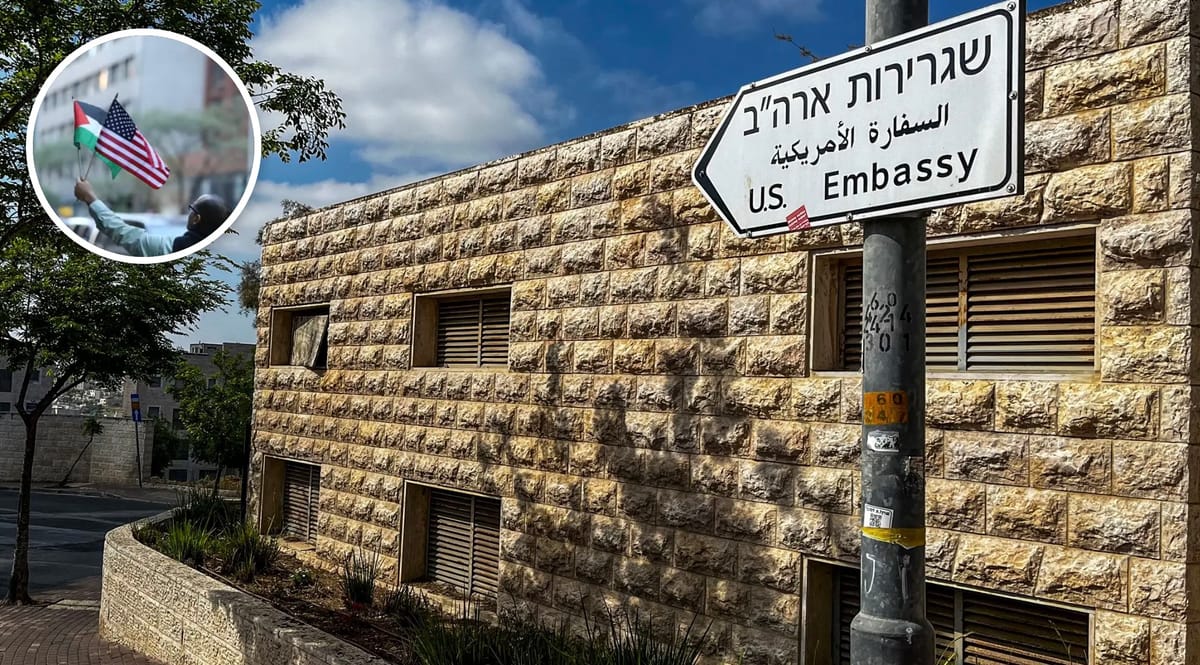
Washington has made a major shift in its diplomatic approach in Jerusalem.
A key channel for communication is no longer operating.
A Diplomatic Office Shutters
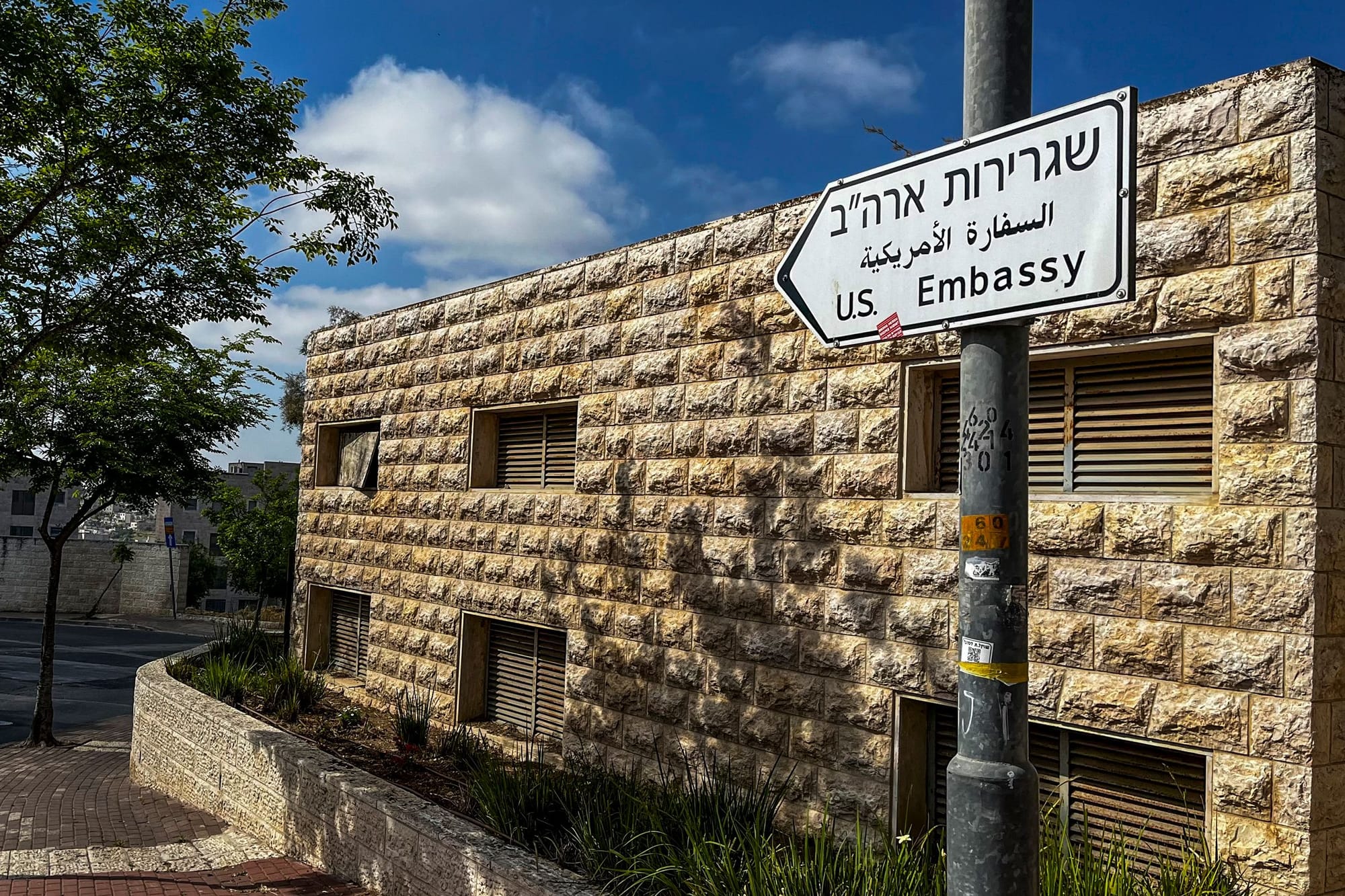
According to reports emerging this week, the United States has officially closed its Office of Palestinian Affairs in Jerusalem.
This office previously served as a dedicated point of contact for relations with the Palestinians.
The closure reportedly took effect late last week.

Integration into the Embassy
The move follows an earlier announcement that the office would be merged into the U.S. Embassy in Jerusalem.
This decision integrates the functions previously handled by the separate office directly under the embassy’s umbrella.

Restoring a Previous Framework
The State Department indicated the change is intended to unify the U.S. diplomatic mission in Jerusalem.
A State Department spokesperson stated that the decision would restore the framework that existed during the first term of the Trump administration.
This previous setup involved a single, unified diplomatic mission in Israel’s capital.
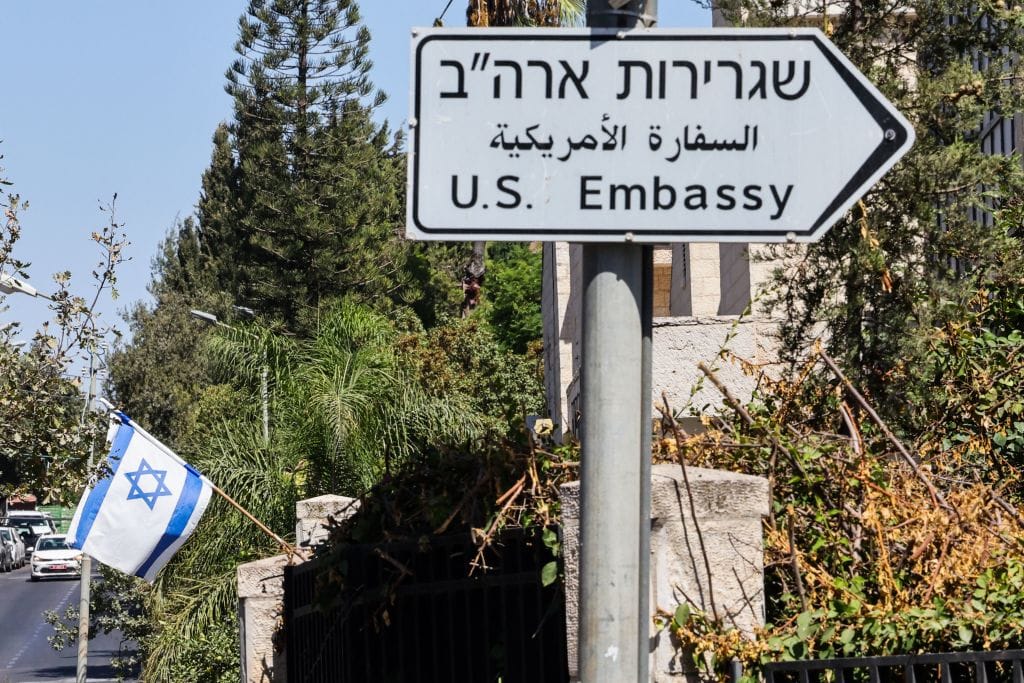
It is designed to operate under the direction of the U.S. Ambassador to Israel.
Officials maintained that this structural change does not signify an end to outreach efforts towards the people in the West Bank and Gaza.
Background of the Office
The Office of Palestinian Affairs was established in 2022.
It served as the primary mechanism for Washington’s engagement with the Palestinian territories.
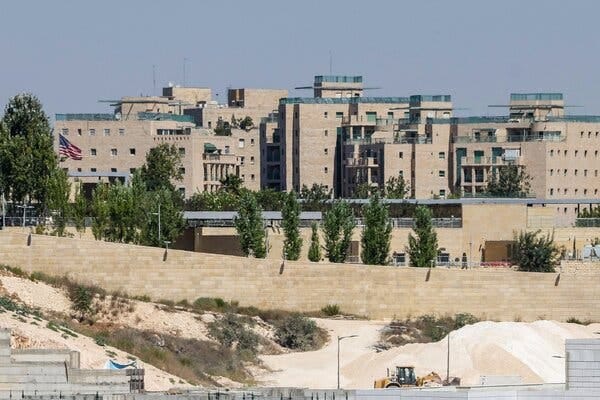
The now-closed office employed both American and local staff.
Its closure means matters concerning the Palestinians will now be managed without a separate, specialized diplomatic office structure.
The Strategy Behind the Move
The integration into the main embassy structure places the handling of Palestinian affairs directly under the authority of the U.S. Ambassador to Israel.
This move aligns with the principle of operating a single, unified U.S. diplomatic mission located within Israel’s capital.

This framework reflects a strategic decision to consolidate diplomatic functions for increased efficiency and a clear chain of command under the Ambassador.
It is presented as a logical progression in the U.S.’s diplomatic presence in Jerusalem following the relocation of the U.S. Embassy to the city.
The Core of the Change
Ultimately, the closure signifies the United States’ formal commitment to a unified diplomatic presence in Jerusalem, streamlining operations and placing all related functions, including those concerning the Palestinians, under the direct oversight of the U.S. Ambassador to Israel within the main embassy structure. This move restores a consolidated approach seen during the first Trump administration, emphasizing a single point of leadership for U.S. diplomacy from Israel’s recognized capital.
The structural change aims for a more integrated diplomatic effort moving forward.