US Companies Point Finger At Trump Tariffs For Shocking Price Hikes
Businesses across the nation are looking at their bottom line.
And they’re publicly discussing big changes for consumers.
What Are Companies Saying About Trade Policy?
A recent report delves into the sentiment among US businesses regarding current trade policies.
It seems many companies are anticipating potential shifts in their operational costs.
The study covered a wide range of firms, exploring how various factors, including tariffs, might influence future decisions.
This kind of feedback is crucial for understanding the potential economic landscape.
Navigating Unpredictability
One theme emerging from the report is the challenge of predictability in global trade.
Companies that rely heavily on exports are reportedly feeling this uncertainty.
The survey indicated shifts in how exporting firms forecast their turnover for the coming year compared to earlier predictions.
This highlights how quickly business expectations can adapt to perceived changes in policy environments.
Strategic Responses From Business
In response to potential cost increases, businesses often explore various strategies before immediately impacting consumer prices.
One common approach mentioned has been adjusting inventory levels.
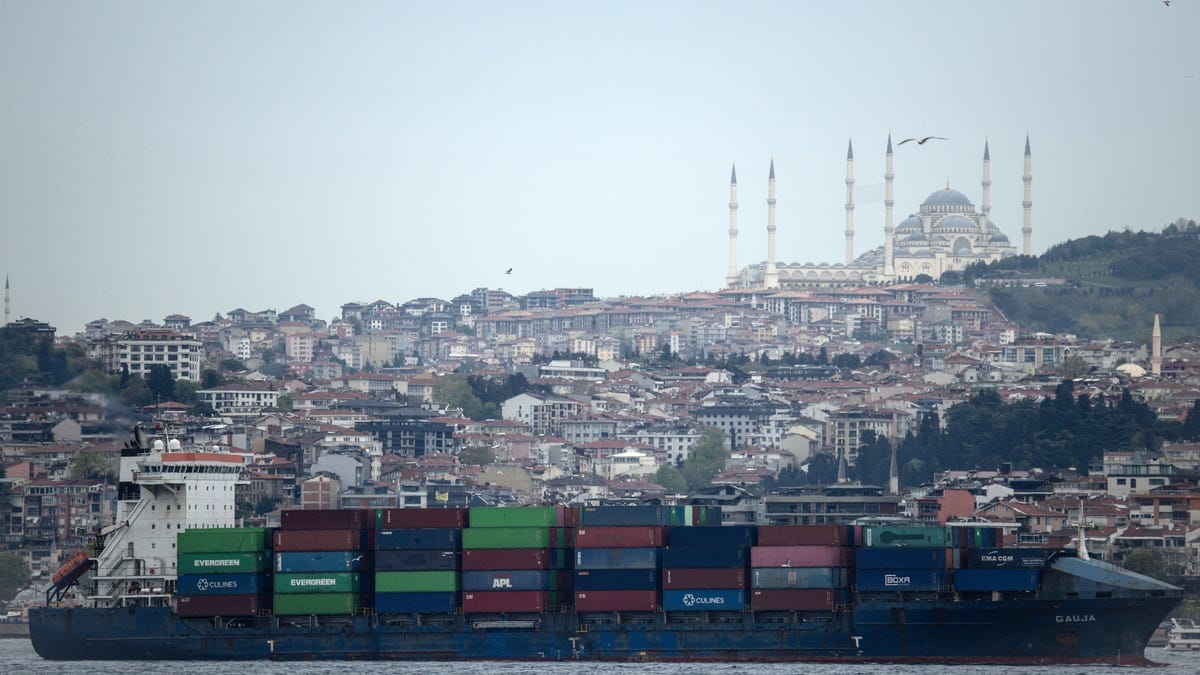
Many companies reportedly increased shipments ahead of anticipated policy changes.
This proactive measure aims to provide a buffer against potential disruptions or cost hikes.
Examining The Rationale Behind Tariffs
It’s important to consider the stated goals behind the implementation of tariffs.
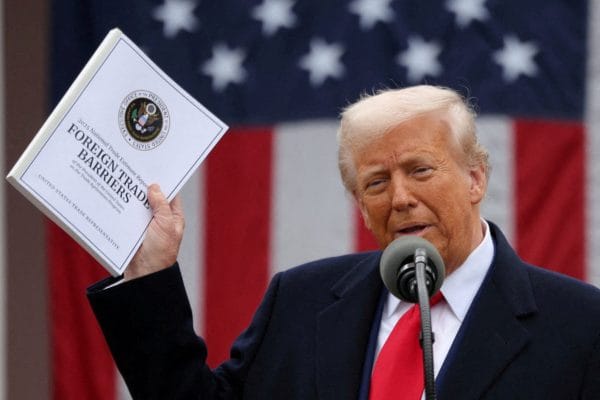
Supporters argue that tariffs are a tool designed to protect domestic industries, encourage manufacturing at home, and address trade imbalances.
The long-term vision is often cited as aiming to strengthen the national economy and create jobs within the country.
From this perspective, tariffs are a strategic move towards achieving greater economic self-sufficiency and leverage in global trade negotiations.
Business Leaders Weigh In
Leaders of major corporations have publicly commented on how they are evaluating the situation.
Some have indicated that absorbing all potential cost increases internally may not be feasible.
“Given the magnitude of the tariffs, even at the reduced levels announced this week, we aren’t able to absorb all the pressure,” one CEO noted in a recent call. “The higher tariffs will result in higher prices.”
Another company leader discussed maintaining manufacturing efficiency globally.
He told a news outlet that the company would continue manufacturing outside the US, “where [it] can be more efficient and more productive.”
These statements reflect the complex decisions companies face in managing costs and supply chains.
The Core Finding Revealed
According to a survey conducted by insurer Allianz, a notable percentage of US companies foresee needing to adjust their pricing.
The report states that more than half – specifically 54% – of the US businesses surveyed anticipate having to raise prices.
This move is cited by these companies as a necessary step to accommodate the costs they associate with tariffs.
The same survey involving 4,500 companies internationally found that only 22% felt they could fully absorb such increased costs without impacting their prices.
While companies have been strategic in delaying price increases, economists suggest that the impact could become more visible over time if the current trade environment persists.
Ultimately, the survey highlights the ongoing evaluation and adaptation happening within the business community as they respond to evolving trade dynamics.