Uncle Sam Wants You To Eat These 5 Invasive Species (And They’re Apparently ‘Downright Delicious’)
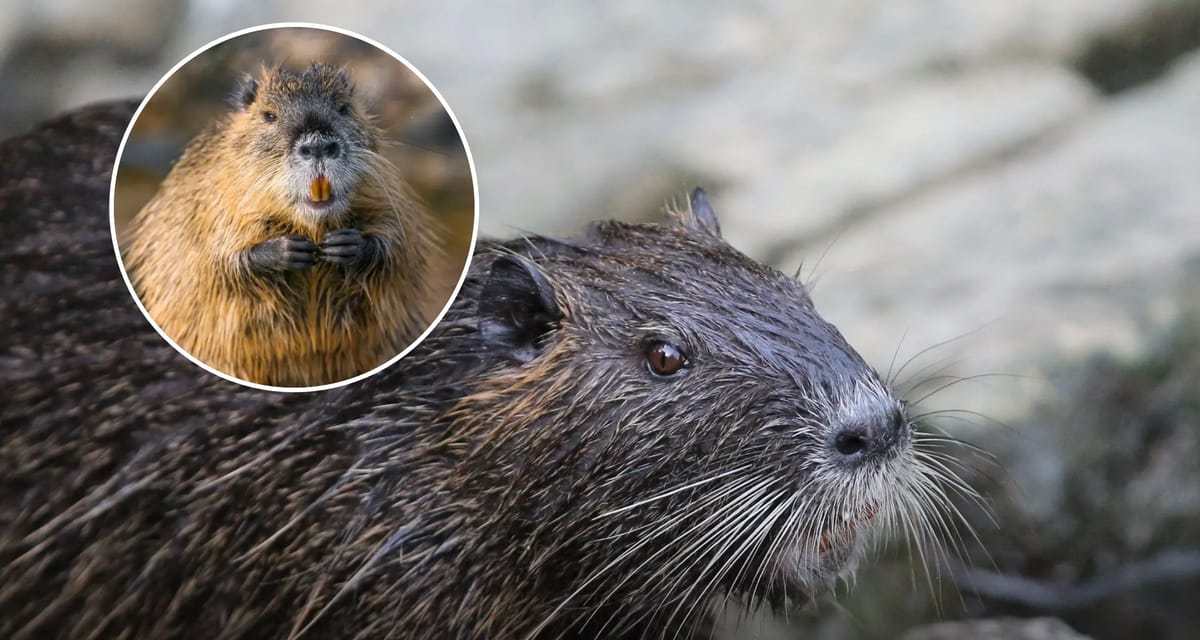
The government is officially encouraging Americans to chow down on these destructive animals.
In a surprising move that has wildlife conservationists and foodies alike talking, the U.S. Fish and Wildlife Service is now actively encouraging Americans to put some unusual creatures on their dinner plates.
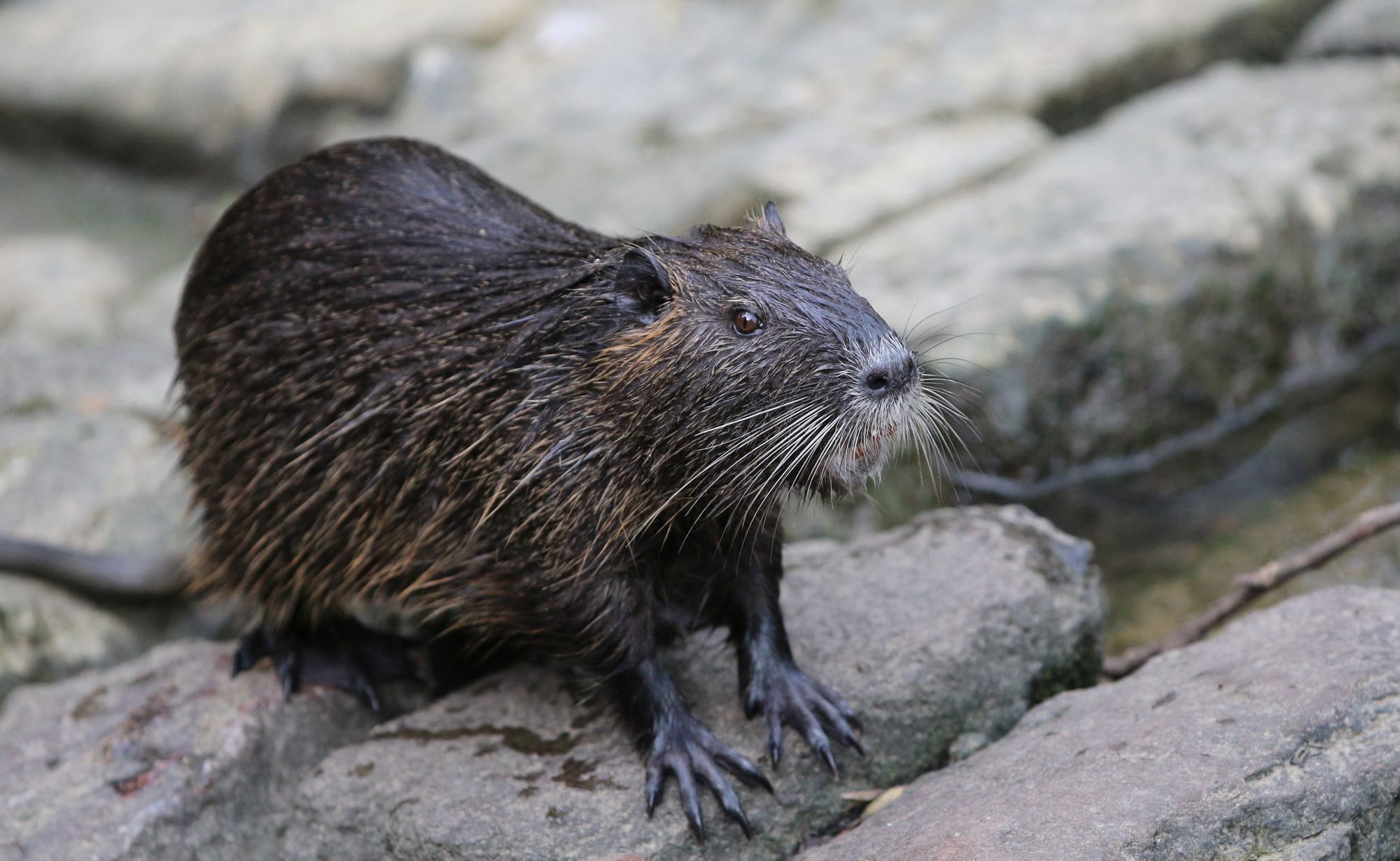
Forget farm-to-table – this is more like “invasive-species-to-table.” Federal officials have released a list of five destructive non-native animals they want us to start eating more of in an effort to protect native ecosystems.
And before you turn up your nose, they’ve made it clear these creatures are apparently “downright delicious.”
“Invasive species outcompete native wildlife, destroy habitats, and mess up ecosystems,” the agency explained. “But rather than just complaining about them, let’s put them on the menu.”
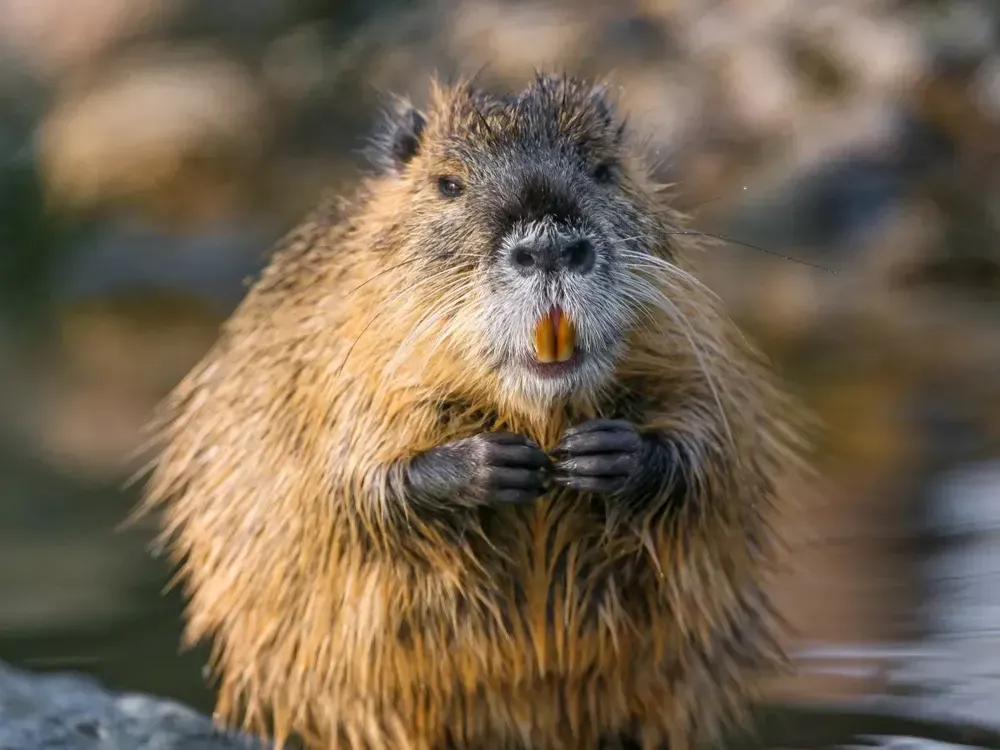
First up is the nutria – a massive swamp rodent that’s wreaking havoc on coastal marshlands. If you can get past the fact that you’re eating what essentially looks like a giant rat, officials claim their meat is “lean, mild, and tastes like rabbit.” Gumbo, anyone?
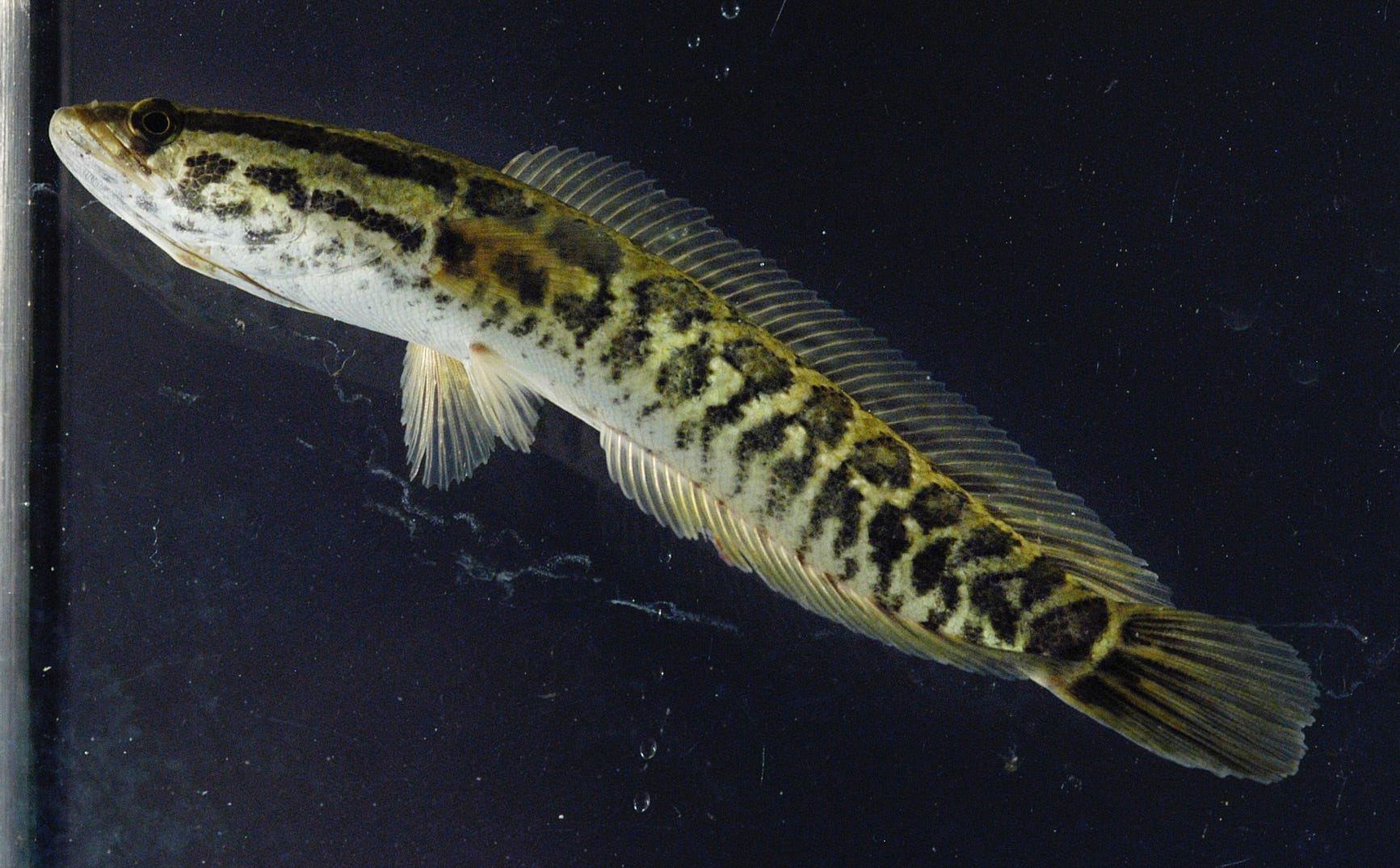
Then there’s the northern snakehead fish – a terrifying creature that can literally breathe air and survive on land for days. Native to East Asia, these aggressive predators are now threatening fish populations across the mid-Atlantic and southeastern U.S. But apparently, they make excellent tacos with their “firm, white, and flaky meat.”
The list also includes invasive carp species that are “clogging U.S. waterways” but are “surprisingly tasty” when grilled or blackened. These fish aren’t just a nuisance – they’re actively destroying native habitats across the Midwest and Southeast.
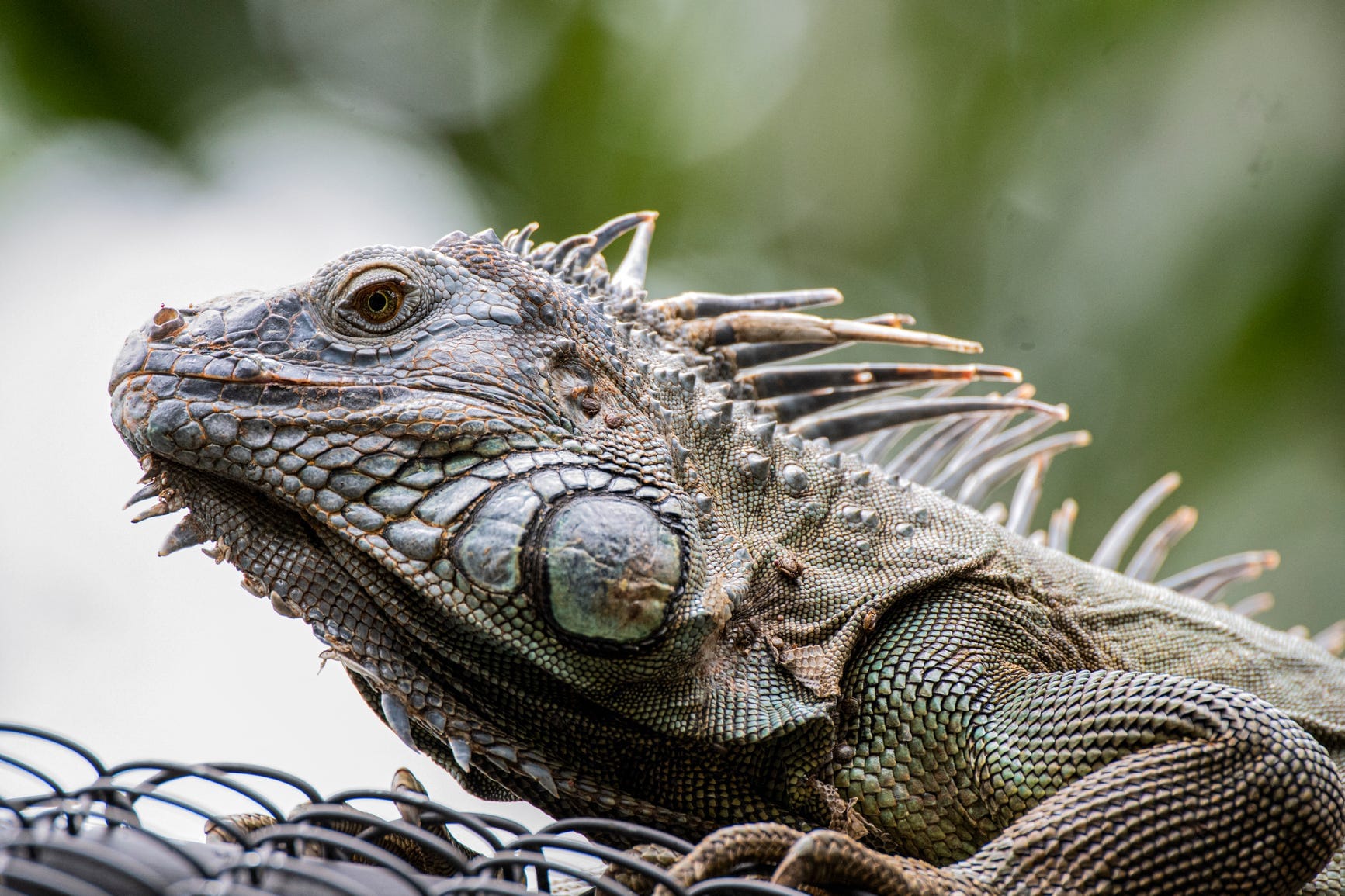
Perhaps most surprising is the inclusion of green iguanas, which have become a major problem in Florida where they’re destroying native plants and destabilizing infrastructure. The solution? Iguana stew. The reptiles are often called the “chicken of the trees” for their mild flavor.
But the crown jewel of invasive eating has to be wild boar – described by officials as “a full-blown ecological disaster” as they tear up farmland, forests, and wetlands across multiple states.
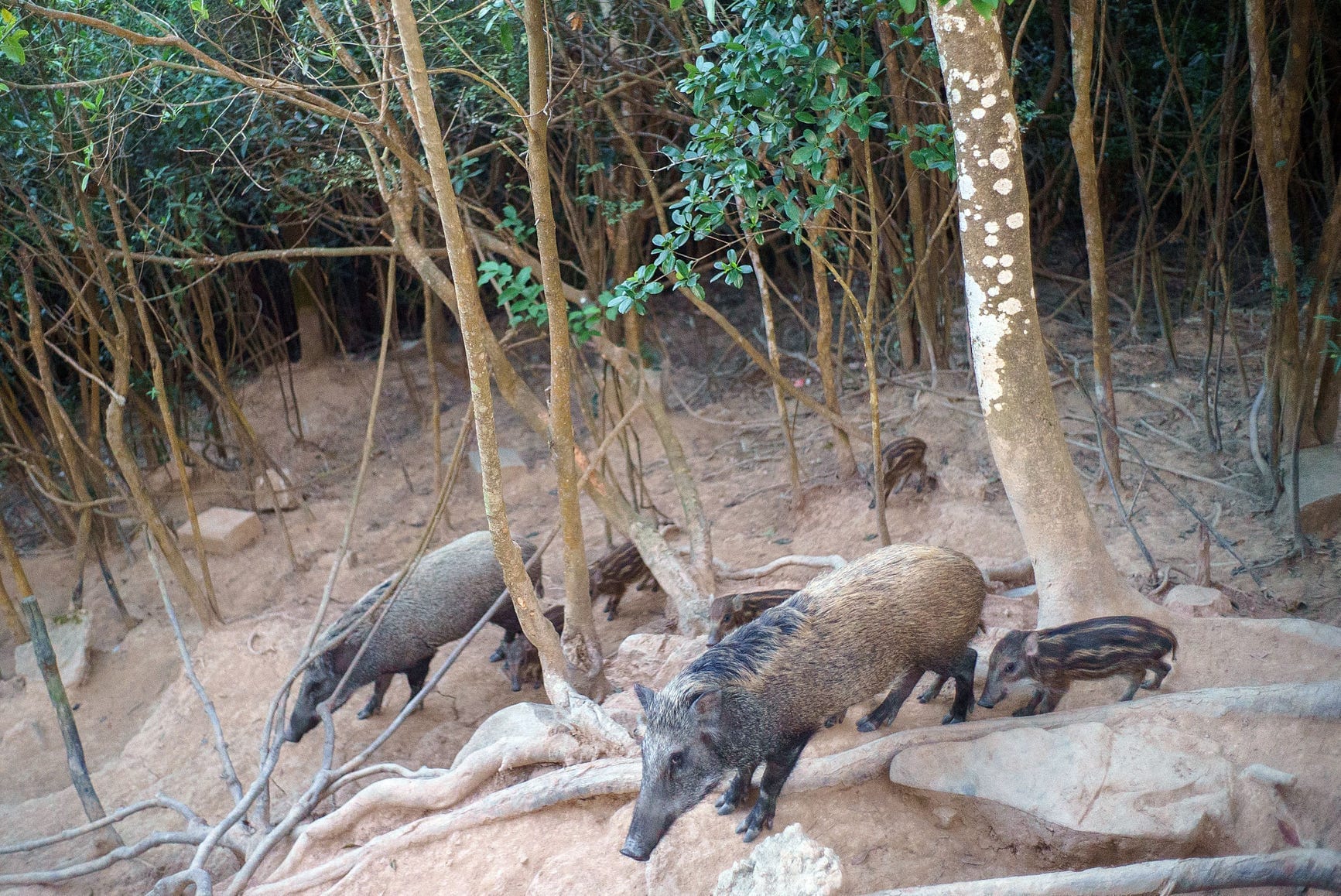
“Feral hog hunting is encouraged in many states, so you’re not just getting a great meal, you’re doing conservation work with every bite,” the agency noted, adding that their meat is leaner and more flavorful than store-bought pork.
While eating invasive species alone won’t solve the problem, officials say it’s an important tool in the conservation toolbox. Plus, it gives adventurous eaters a guilt-free reason to try something new.
Before you grab your hunting gear or fishing pole, the FWS does caution people to check local regulations first. Some areas have restrictions on how these species can be harvested, even if they are invasive.
So the next time someone asks “what’s for dinner?” you can proudly say you’re doing your part for environmental conservation – one bizarre meal at a time.
Would you be brave enough to try any of these invasive delicacies? The government certainly hopes so.