Trump’s Border Czar Tells Governor ‘Wait ‘Til You See What’s Coming’ After Controversial State Memo
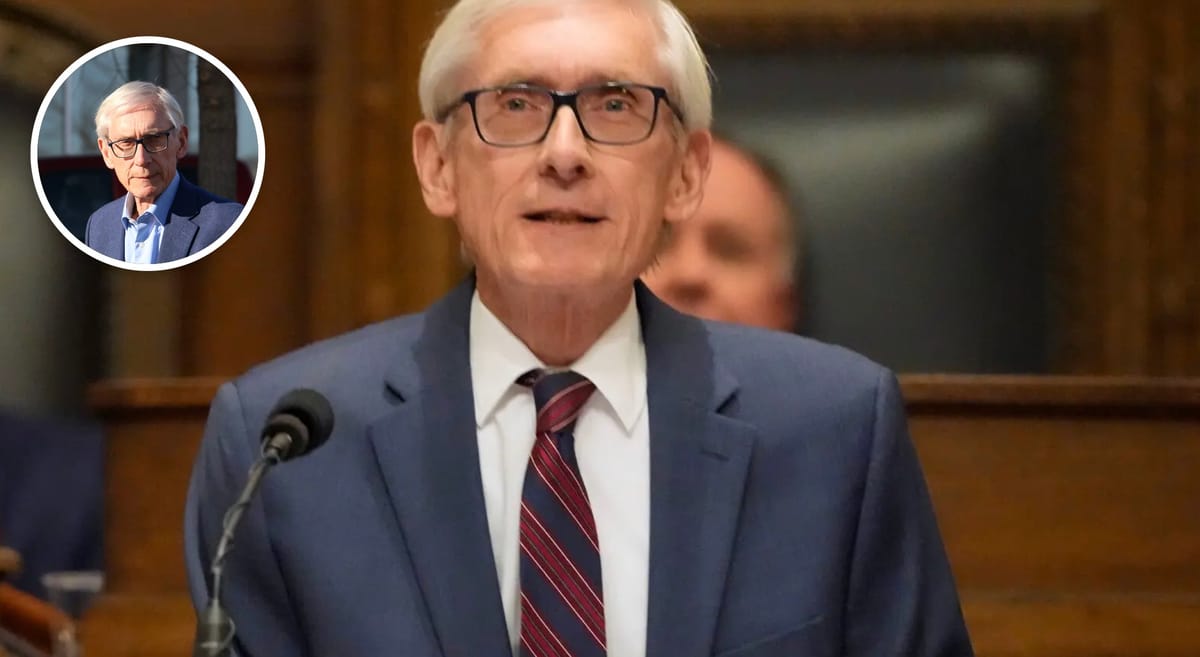
A state governor’s internal memo sparked a firestorm, leading to a stark warning from a top federal official.
The situation escalated quickly, raising questions about state versus federal authority.
Guidance Issued to State Employees
Wisconsin Governor Tony Evers recently distributed guidance to state employees regarding interactions with federal immigration agents.
The memo advised state workers on how to respond if confronted by agents from Immigration and Customs Enforcement (ICE) or other federal bodies.
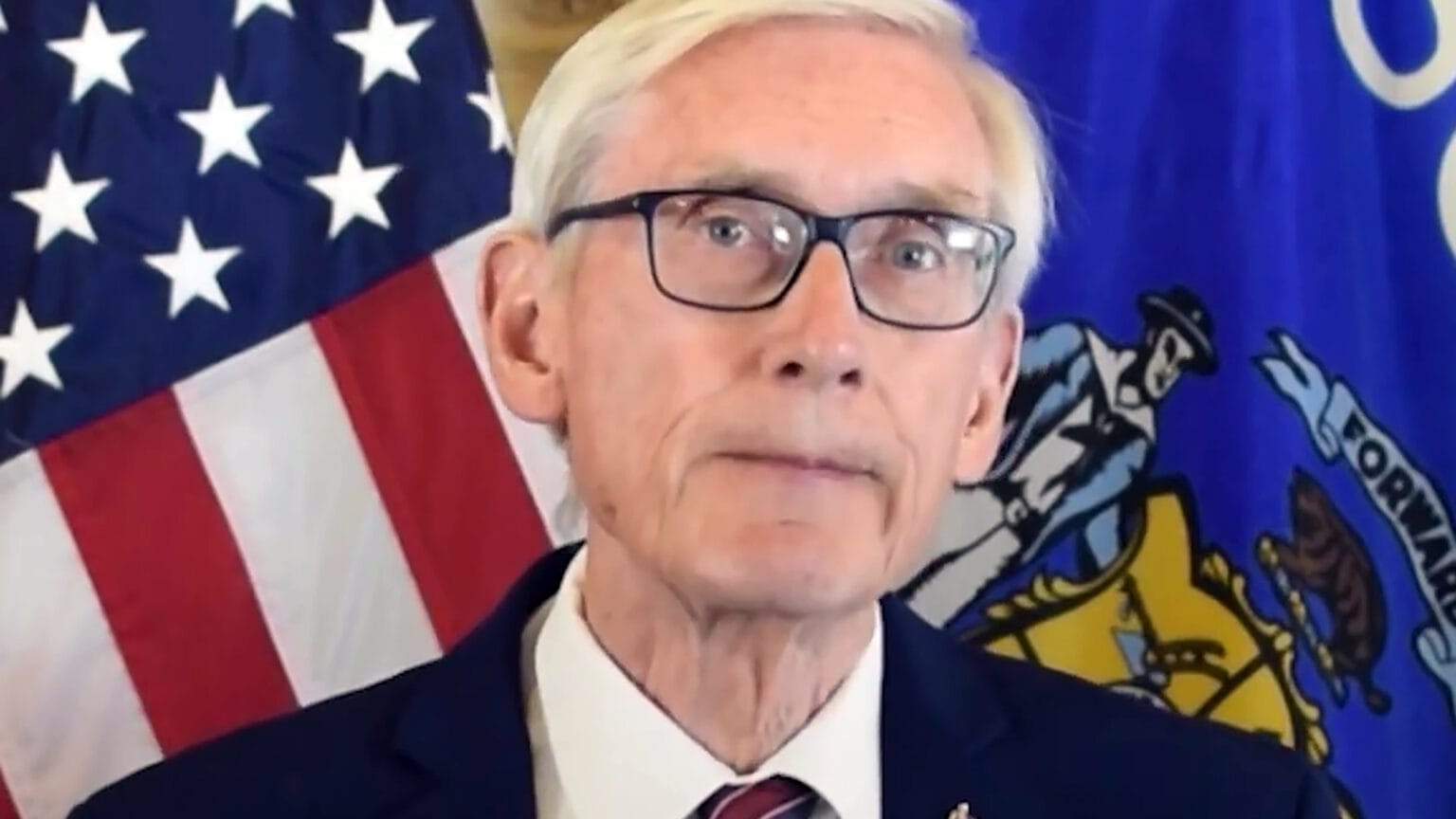
Instructions included staying calm, requesting agent identification, contacting legal counsel, and declining to answer questions or provide access to documents without a lawyer present.
Specifically, the guidance stated:
“State employees may not grant [Immigration and Customs Enforcement] or another agent access to any such data or information absent authorization from their legal counsel pursuant to a valid judicial warrant.”
Federal Official Responds Sharply
The guidance drew immediate attention and criticism, particularly from those aligned with federal immigration enforcement priorities.
Tom Homan, President Donald Trump’s appointed border czar and former acting director of ICE, is known for his strong stance on enforcing immigration laws.
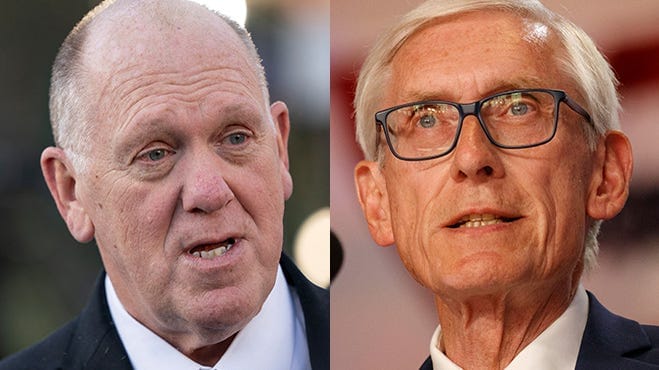
Homan’s background includes decades in immigration enforcement, emphasizing the importance of federal agents’ ability to carry out their duties.
The Trump administration has prioritized interior enforcement alongside border security, viewing cooperation from state and local entities as important, and lack thereof as potential obstruction.
Controversy Erupts Over Memo’s Intent
Republicans and conservative commentators quickly voiced concerns about the implications of Governor Evers’ memo.
Critics argued the guidance could be interpreted as instructing state employees to hinder or obstruct federal immigration agents in their lawful duties.
The debate gained traction online, with figures like Elon Musk weighing in, amplifying the discussion around the memo’s potential impact on federal operations.
A Republican member of the Wisconsin State Assembly even shared an AI-generated image depicting Evers being arrested by Trump, highlighting the political tensions surrounding the issue.
Governor Evers Defends Guidance
In response to the growing controversy, Governor Evers addressed the state, defending the memo.
“The goal of this guidance was simple—to provide clear, consistent instructions to state employees and ensure they have a lawyer to help them comply with all federal and state laws,” Evers stated.
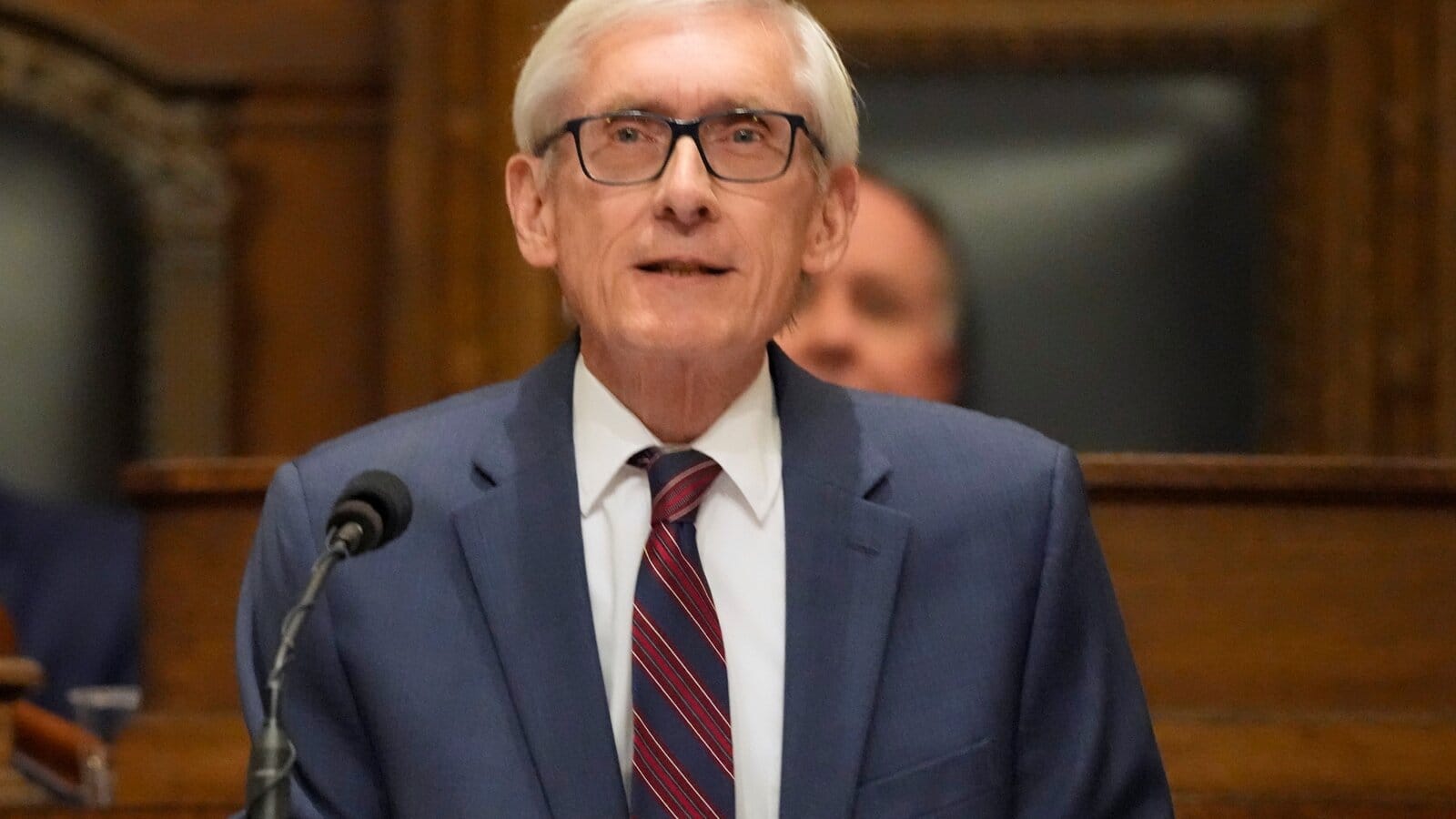
He acknowledged the criticism from Republicans but maintained his position.
“I haven’t broken the law. I haven’t committed a crime. And I’ve never encouraged or directed anyone to break any laws or commit any crimes,” Evers asserted.
Evers framed the situation as one involving the protection of rights and adherence to legal processes, even when interacting with federal authorities.
Context of Recent Federal Action
The heightened tensions come shortly after a notable federal action within Wisconsin.
FBI agents recently arrested Wisconsin Judge Hannah Dugan on obstruction charges.
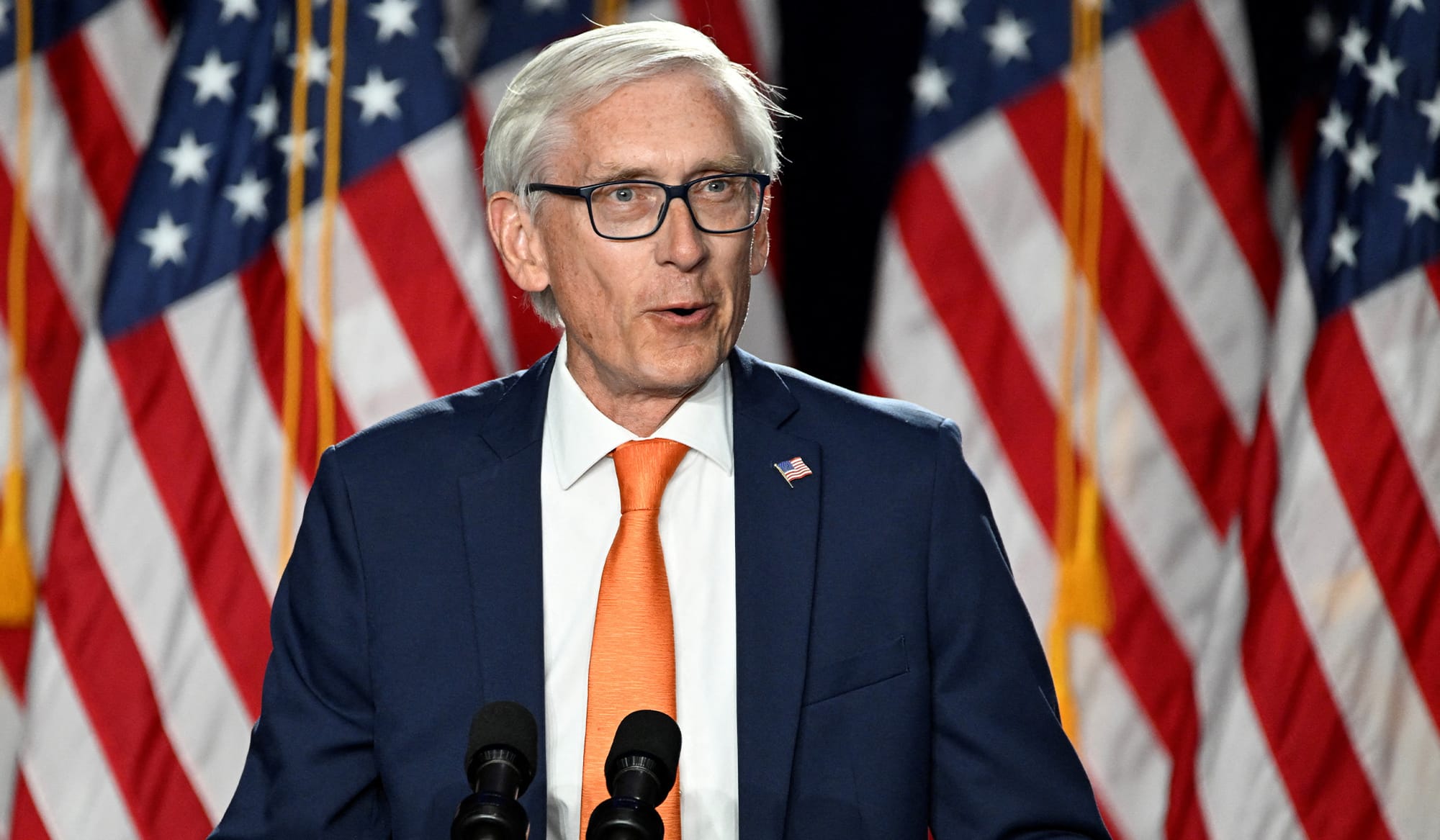
The charges allege she assisted an undocumented immigrant in evading arrest by misdirecting federal authorities. Dugan’s legal team has proclaimed her innocence.
This arrest serves as a backdrop to the current dispute, illustrating the serious consequences federal authorities associate with perceived obstruction of immigration enforcement.
Homan’s Warning and Evers’ Reaction
It was in this charged atmosphere that Tom Homan made his widely reported comment.
When asked by reporters about Governor Evers and the controversial guidance, especially in light of discussions about potential obstruction by elected officials, Homan delivered a pointed message.
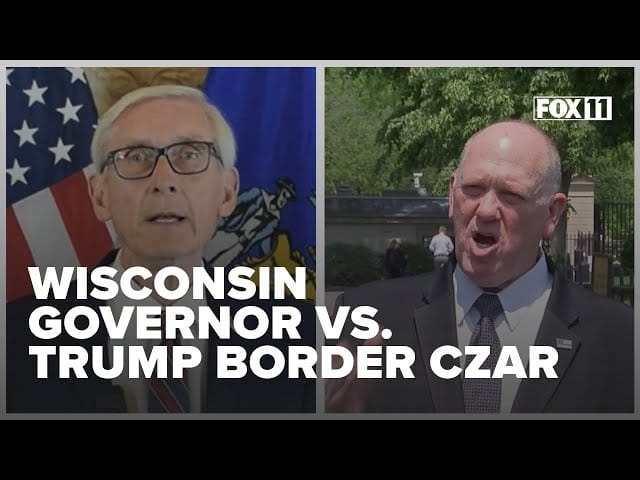
Referring to the situation and potential federal responses, Homan stated:
“Wait ’til you see what’s coming.”
Governor Evers characterized Homan’s comments as “chilling threats” during his address.
“These threats represent a concerning trajectory in this country,” Evers said. “We now have a federal government that will threaten or arrest an elected official—or even everyday American citizens—who have broken no laws, committed no crimes, and done nothing wrong.”
Despite this, Evers projected resolve.
“And as disgusted as I am about the continued actions of the Trump administration, I am not afraid,” he added. “I have never once been discouraged from doing the right thing, and I will not start today.”
The clash highlights the ongoing friction between differing approaches to immigration policy and the enforcement of federal law, particularly when state actions are viewed by federal authorities as potentially obstructive.
This confrontation between a state governor and a top federal official underscores the deep divisions and high stakes surrounding immigration enforcement in the United States.