Trump Voter Reveals The Policy That Made Him Feel ‘Not Even A Little Bit’ Republican Anymore
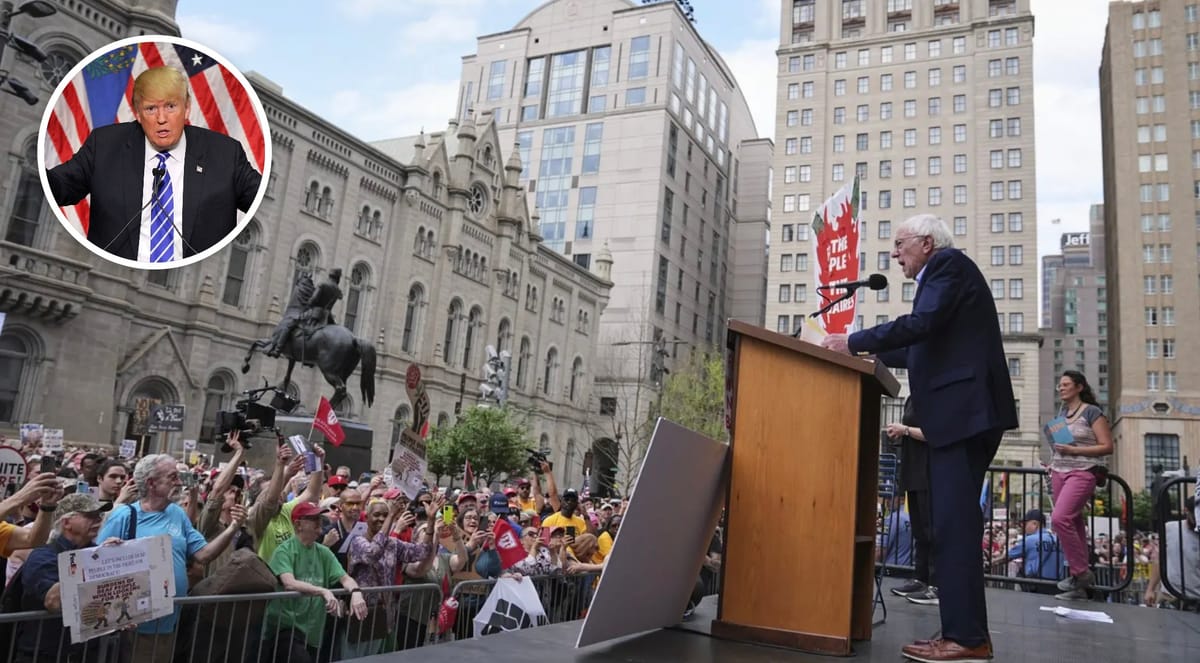
One voter’s loyalty to his party hit a wall over a specific policy disagreement.
It highlights how complex individual political journeys can be, even for long-time party members.
A Republican Background
Jim Dukenfield, a retired warehouse worker from Pennsylvania, has identified as a Republican for years.
He cast his vote for Donald Trump back in the 2016 election, aligning with the party’s platform at the time.
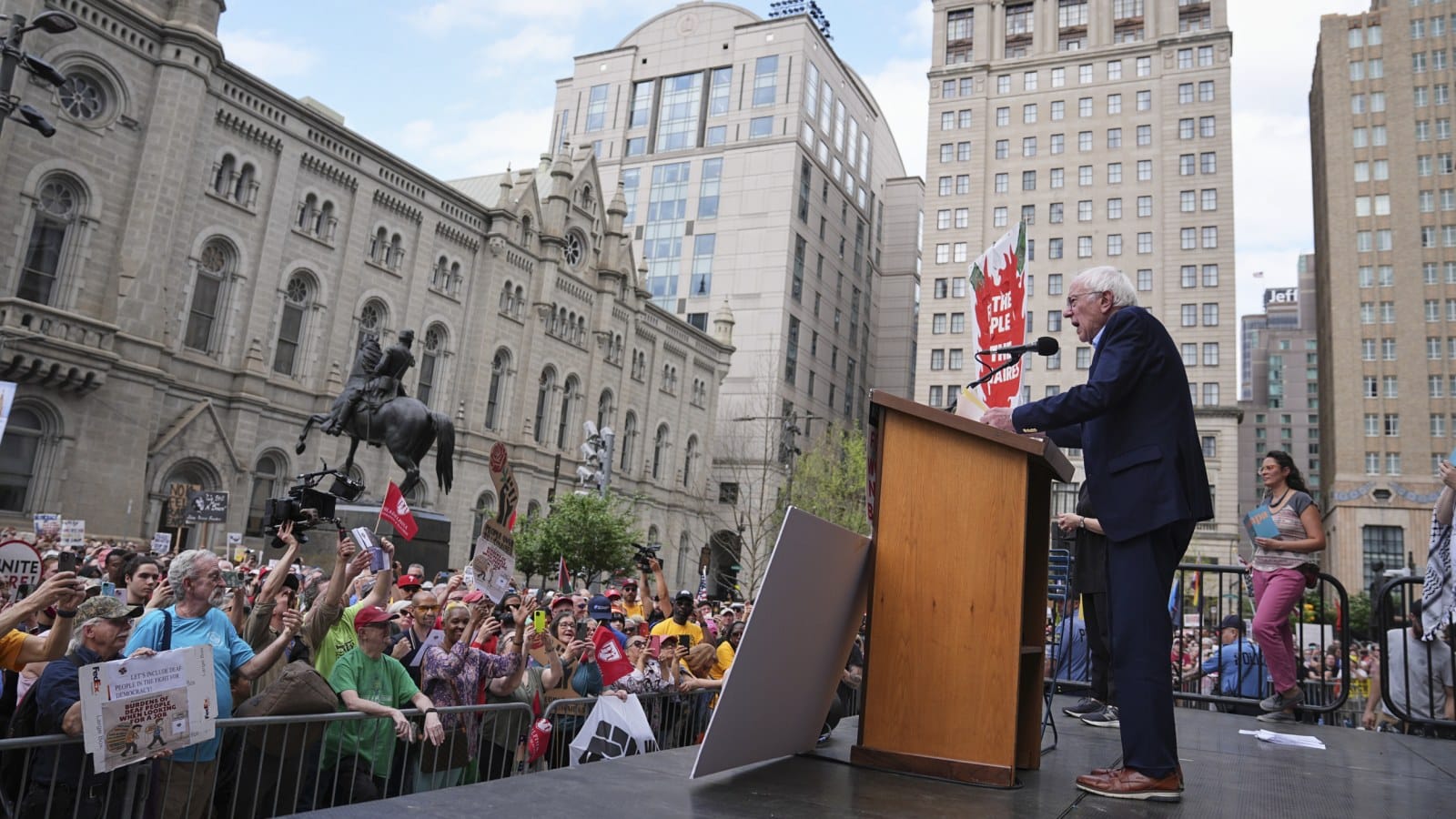
Dukenfield told Philadelphia’s public radio station WHYY-FM about his background.
“I was happy to be a Republican. They weren’t always exactly right, but I felt that they were fair and looking out for the people,” he explained.
However, his perspective began to shift based on specific policy directions.
Shifting Political Landscapes
The American political scene remains dynamic, with figures from different ends of the spectrum seeking to broaden their appeal.
Senator Bernie Sanders, an Independent from Vermont who caucuses with Democrats, has been touring nationally.
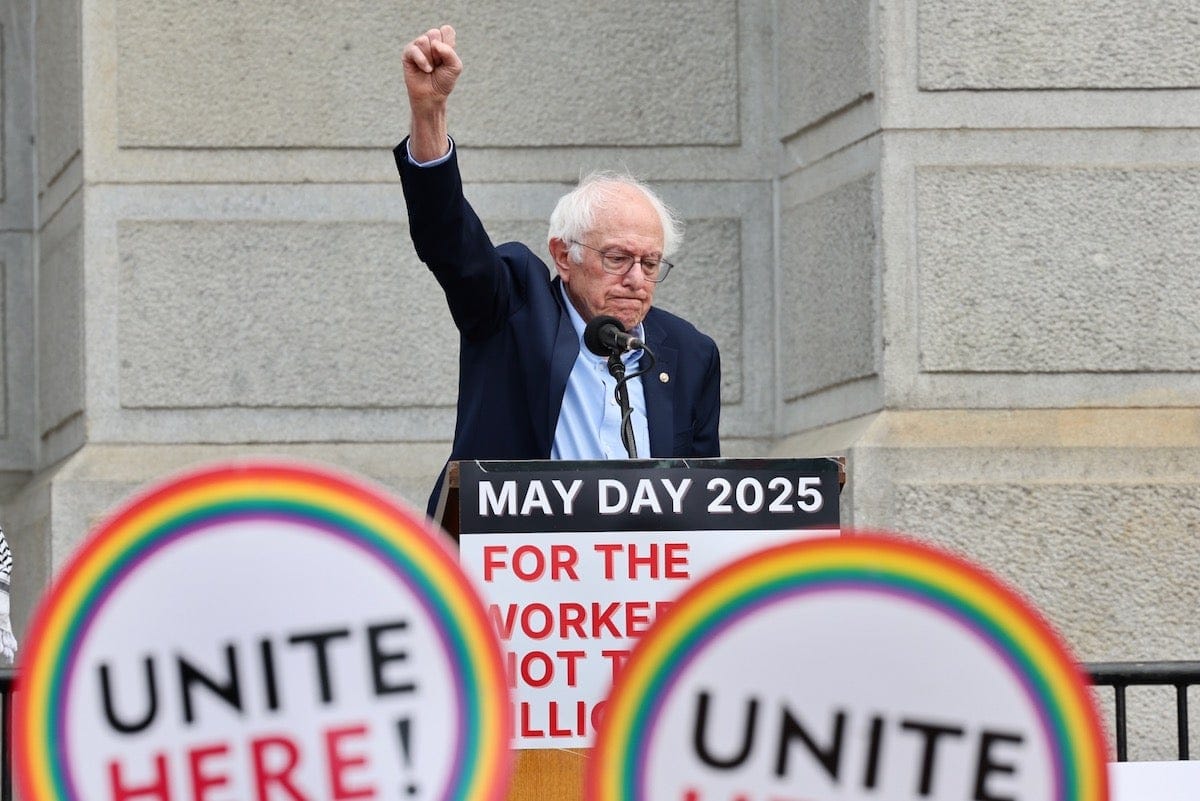
His “Fighting Oligarchy” tour has seen events held in various states, drawing crowds interested in his message.
Reports noted thousands attended his rallies, including a significant event in Los Angeles and another on May Day in Philadelphia.
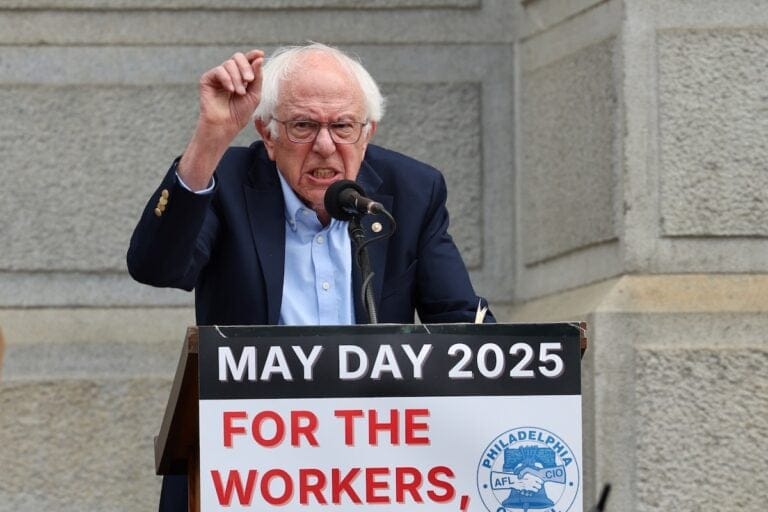
While many attendees are traditionally aligned with Democratic or progressive causes, individuals from other backgrounds, like Dukenfield, have also been observed listening in.
Focus on Economic Issues
Sanders’ messaging often centers on economic themes, targeting large corporations and wealth concentration.
At the Philadelphia event, he spoke against what he termed an “oligarchic form of society.”
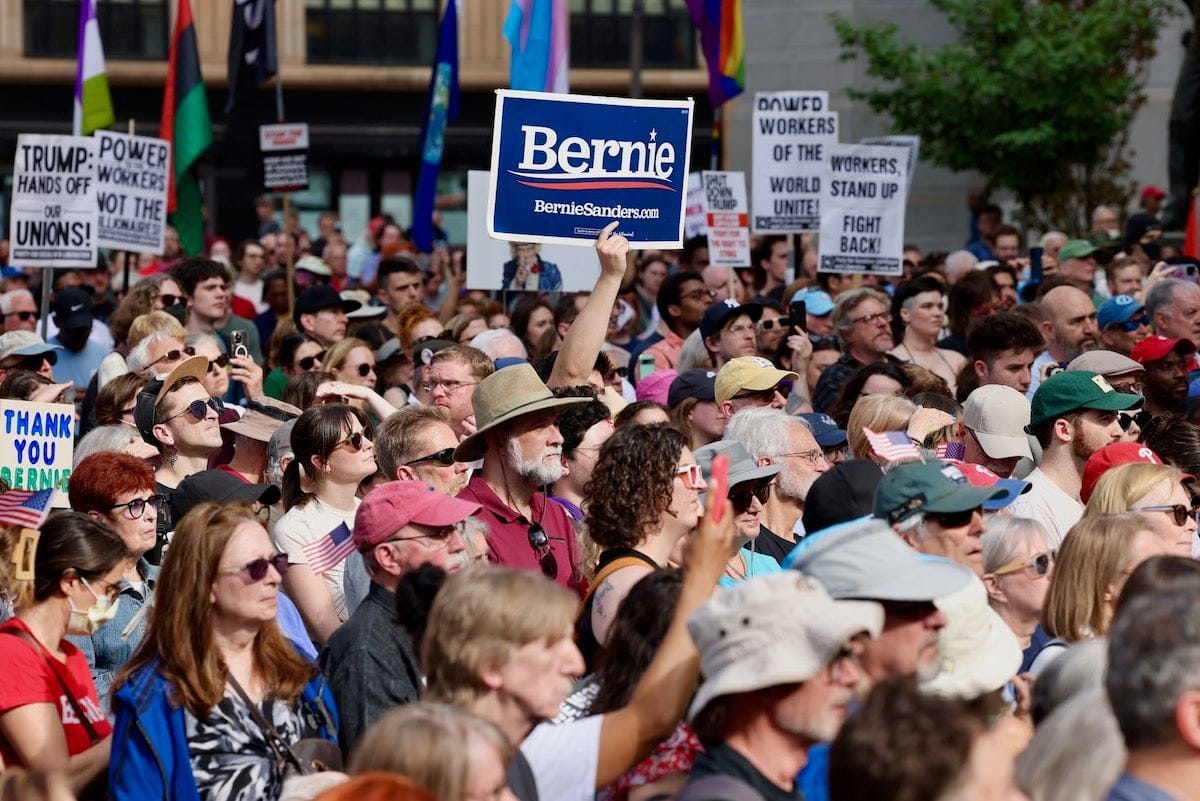
“So let us be clear and lay it out on the table in the year 2025, in America, we are now living in an oligarchic form of society,” Sanders stated at the rally.
His rhetoric often includes calls for increased taxes on the wealthy and expansions of social programs.
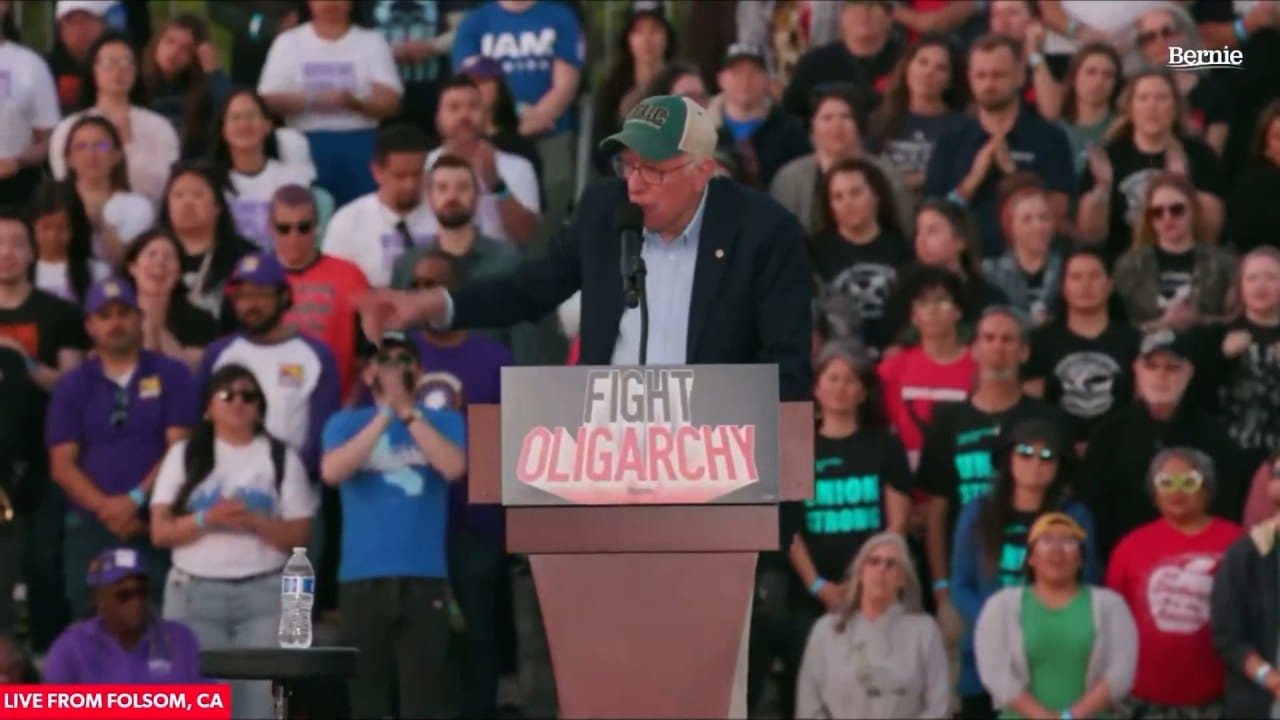
Such themes can sometimes resonate across typical party lines, particularly among those concerned about economic fairness or the power of large institutions.
The Sticking Point
For Jim Dukenfield, a specific policy issue became a major point of contention, straining his connection to the Republican party as represented by the Trump administration.
He pointed directly to the administration’s stance on unions, particularly concerning federal employees.
“When I first heard that [Trump] wanted to stop the union organizing for the federal employees, that’s when he got my attention,” Dukenfield revealed to WHYY.
As a retired warehouse worker likely familiar with union environments, this policy hit close to home.
“If it starts somewhere, it’s not going to stop my opinion. Every union should get together to fight this. It’s a working man’s world. Our country’s a working man’s country,” he added.
It was this specific disagreement over union policy that led to his stark assessment.
“I don’t feel that way anymore. Not even a little bit,” he said, referring to his previous feeling that the Republican party was “fair and looking out for the people.”
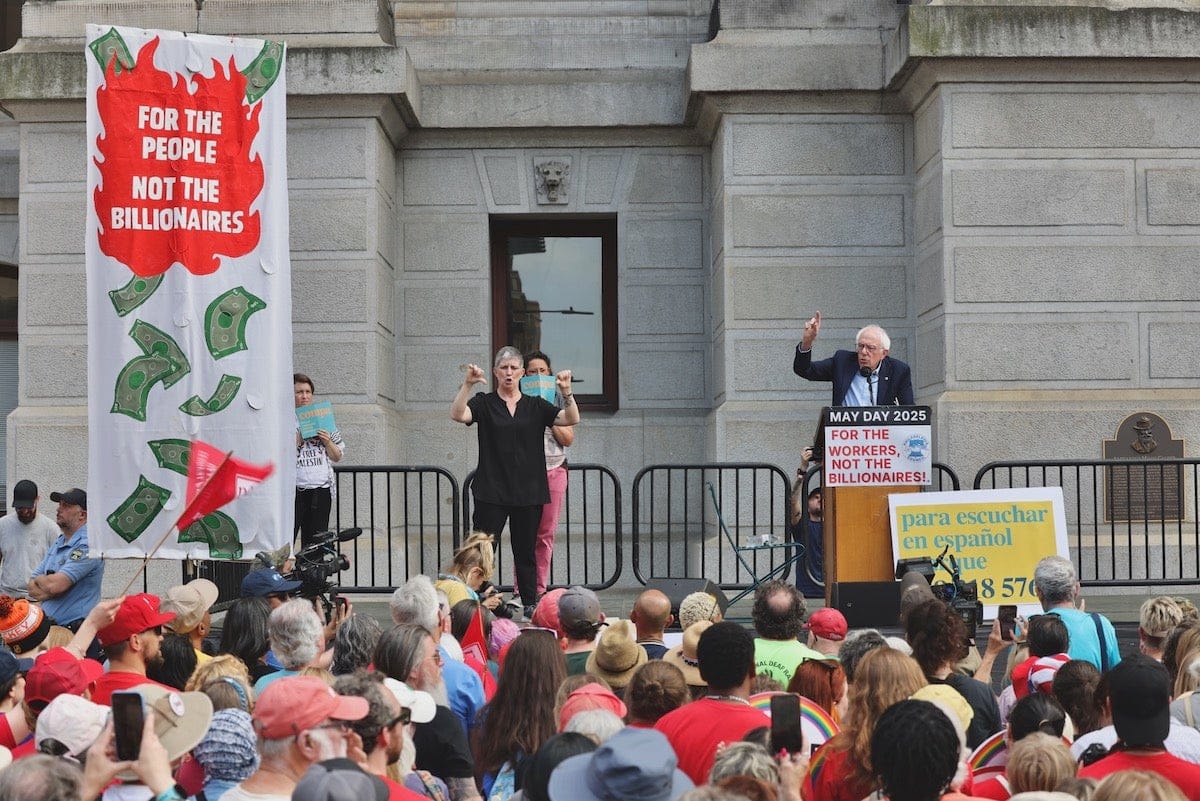
Dukenfield also mentioned concerns regarding immigration enforcement tactics, specifically referencing the need for due process.
Voter Alignments
Dukenfield’s experience underscores how individual voters weigh specific policies against broader party platforms.
While he expressed strong disagreement on certain issues and attended a rally featuring a prominent Trump critic, the extent to which such specific policy friction translates into permanent shifts in the broader electorate remains complex and often debated.
Political landscapes are constantly shifting, and voter priorities can evolve based on personal experiences and specific policy impacts.