Trump Stuns Reporters With Wild Claim On Food Aid Cuts
It was a statement that immediately sparked intense debate.
One former President offered a perspective on government assistance programs that some found unexpected.
Discussing Policy on Capitol Hill
The comments came following a meeting between former President Donald Trump and House Republicans on Monday at Capitol Hill.
Reporters gathered afterwards, posing questions on a range of topics, including economic policy and support programs.
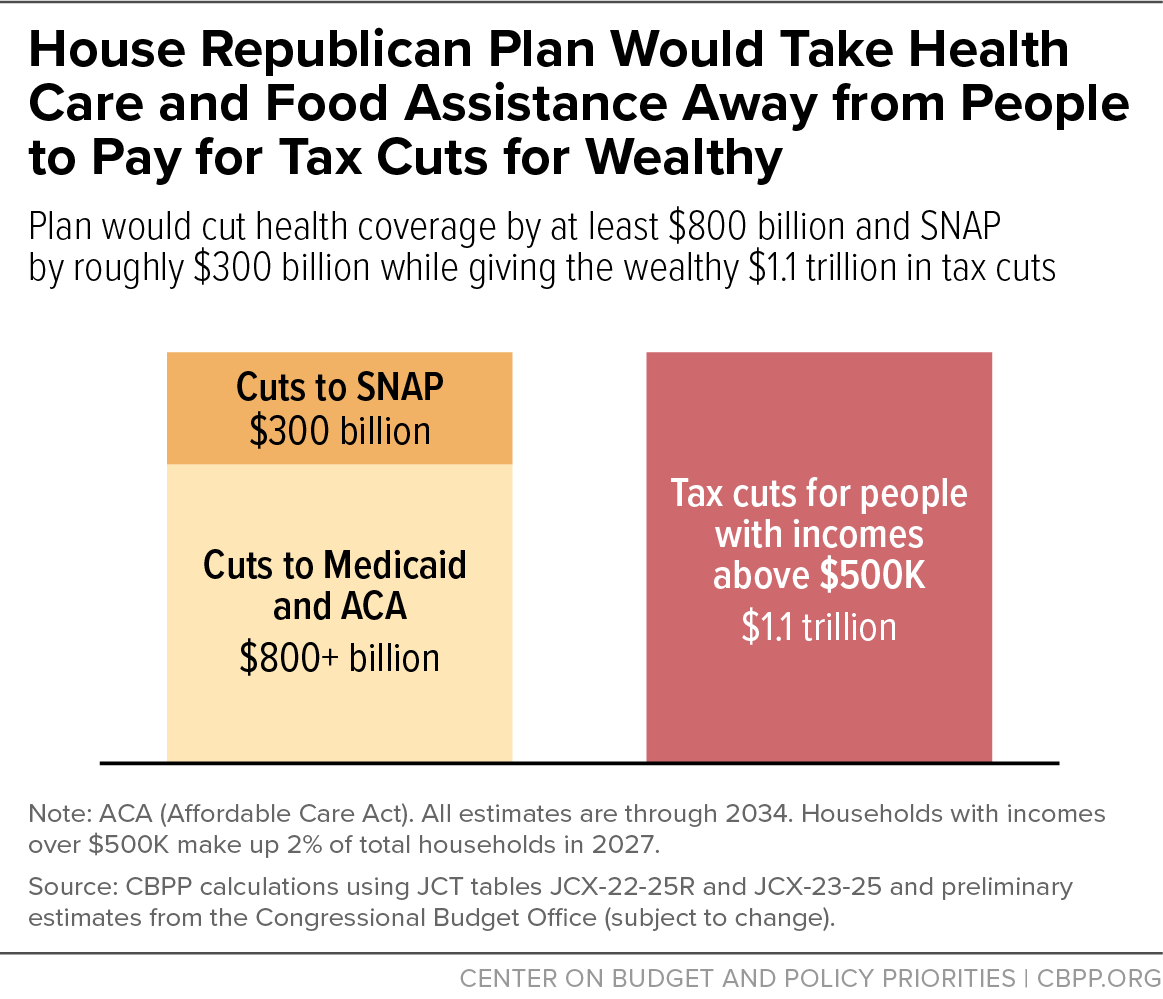
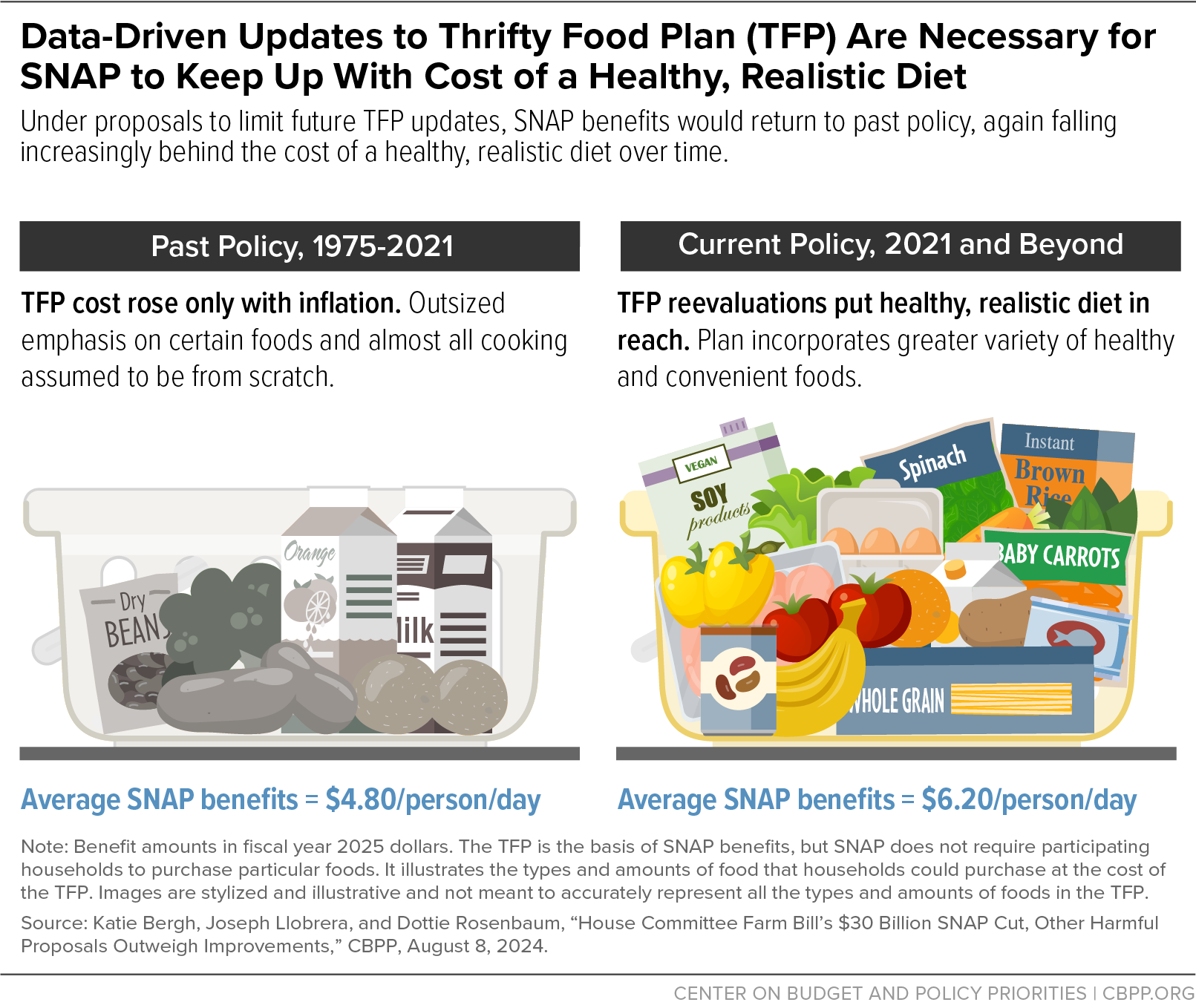
The discussion turned specifically to food assistance programs, a subject often debated in budgetary planning.
Questioning the Approach
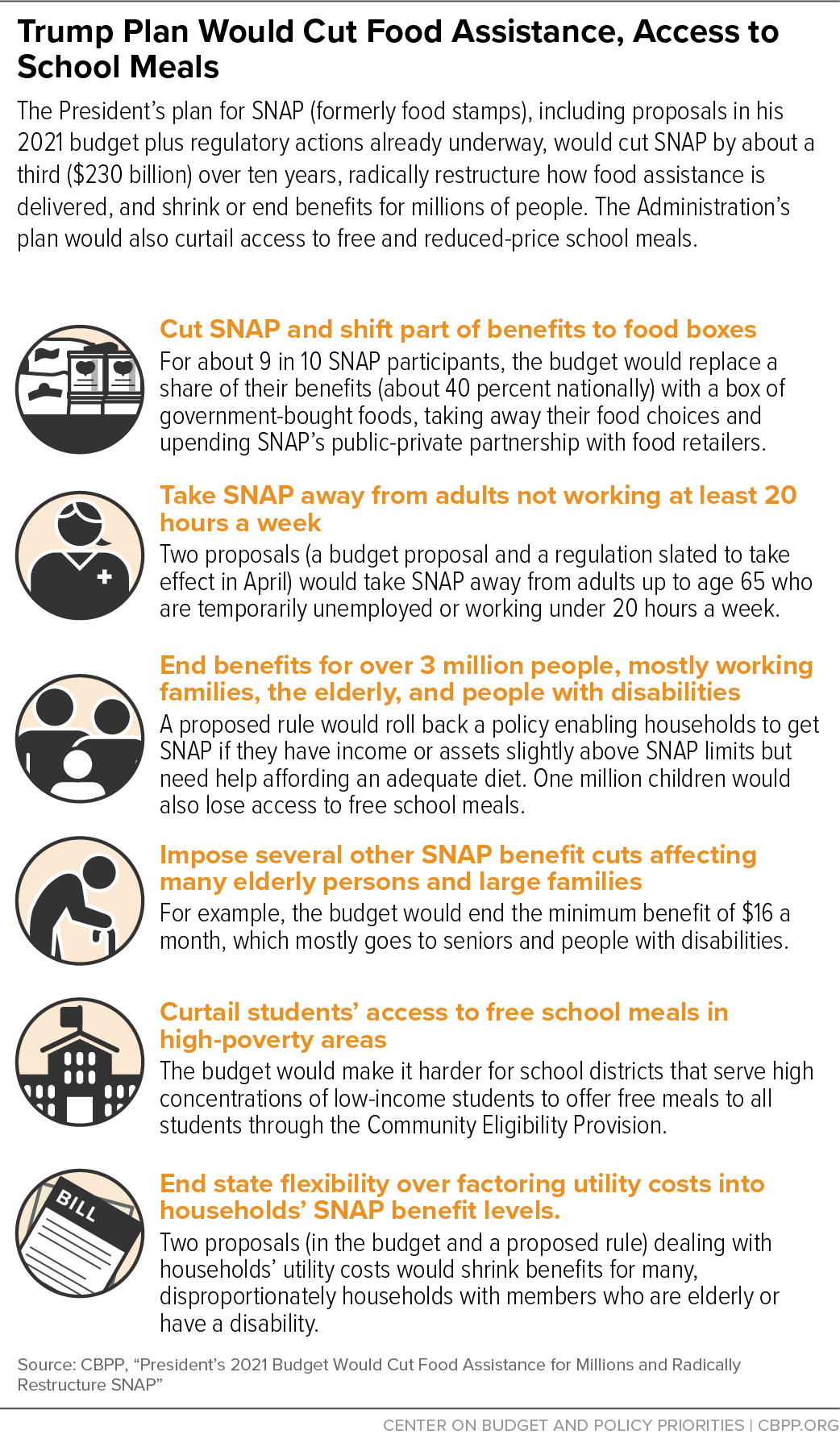
A reporter directly questioned Trump about his stance, referencing his stated goal of lowering grocery prices.
“You campaigned on lowering the price of groceries,” a reporter began.
“How can you justify cutting food assistance?” they pressed.
It was the former President’s response that quickly drew significant attention.
Public Reactions Surface
Following reports of the exchange, social media platforms became a hub for discussion.
Users weighed in with a variety of viewpoints regarding the former President’s economic theory.
The idea that reduced assistance could correlate with increased food access through lower prices sparked considerable debate.
Debating Economic Principles
Commenters raised points about the practical effects of such policies.
One user highlighted the relationship between cost and affordability:
Doesn’t matter how low the prices are when you don’t have enough money to afford food.
Another commenter expressed concern for vulnerable populations:
Cutting food assistance while prices are ‘coming down’? That’s a gamble millions of vulnerable families can’t afford. Promises don’t fill empty plates, real support does.
Skepticism about the logic was also voiced.
That doesn’t even make sense.
The Former President’s Rationale
Responding to the question about justifying cuts while aiming for lower prices, Trump laid out his perspective.
He connected the reduction in assistance directly to anticipated economic outcomes.
Here’s what he said:
The cut is going to give everybody much more food because prices are coming way down, groceries are down, eggs. You told me about eggs, you asked me a question about eggs in my first week. I said ‘I just got here, tell me about eggs.’ Eggs now are way down, everybody’s buying eggs. Groceries are down, energy is down, they’re buying gasoline now for $1.99. If you look back, you’ll see $3.50, $4.
His argument centers on the belief that reducing government spending can lead to broader economic efficiencies, including significant price decreases across essential goods like groceries and energy.
He cited specific examples, including the price of eggs, which has seen fluctuations, and gasoline prices, claiming figures significantly lower than recent national averages.
Recent reports, such as one by Axios, noted that gasoline is not currently selling for $1.99 per gallon nationwide, although certain market indicators like RBOB briefly hit that point in the past.
Beyond direct consumer impact, the debate also touches on broader economic effects.
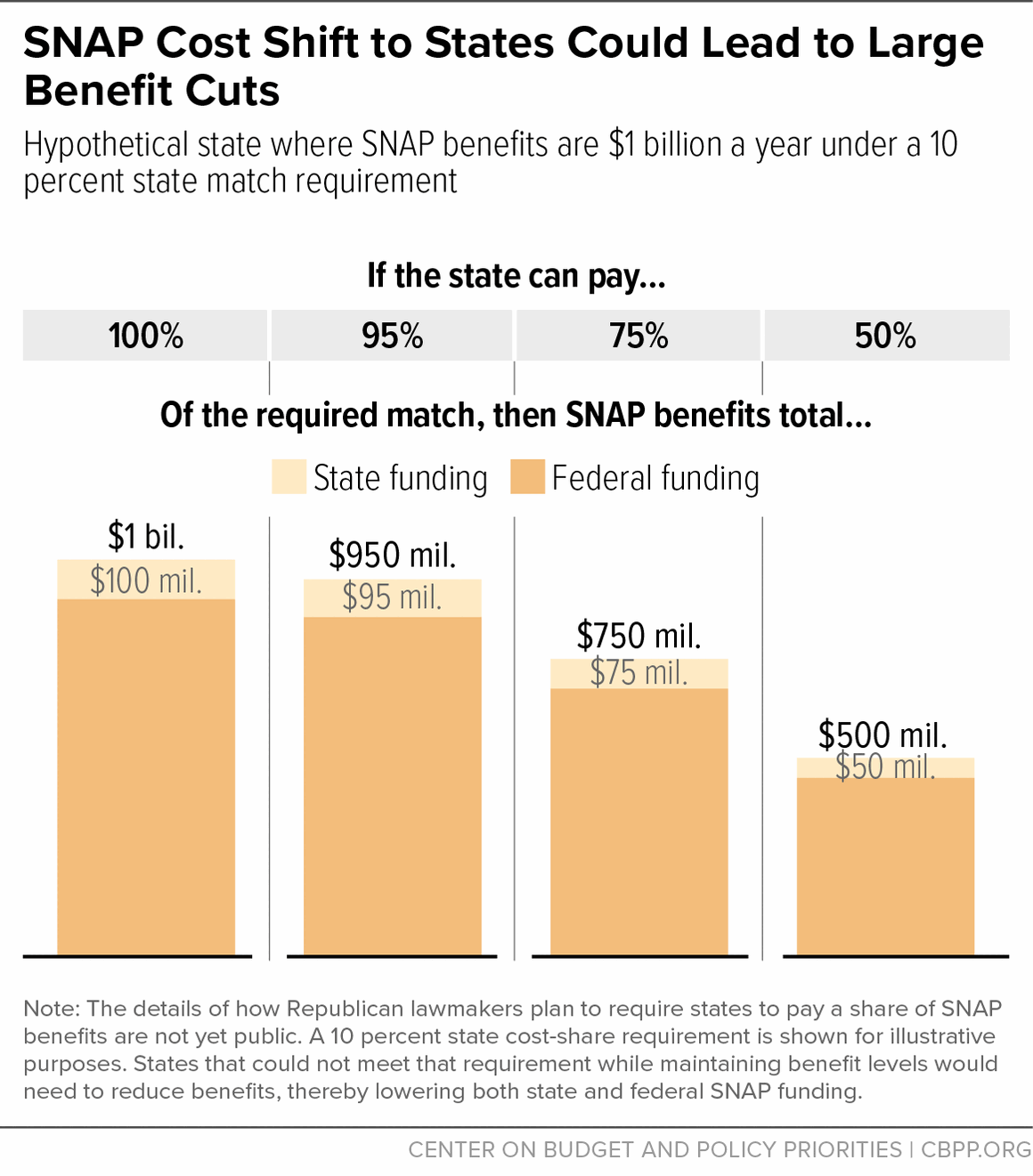
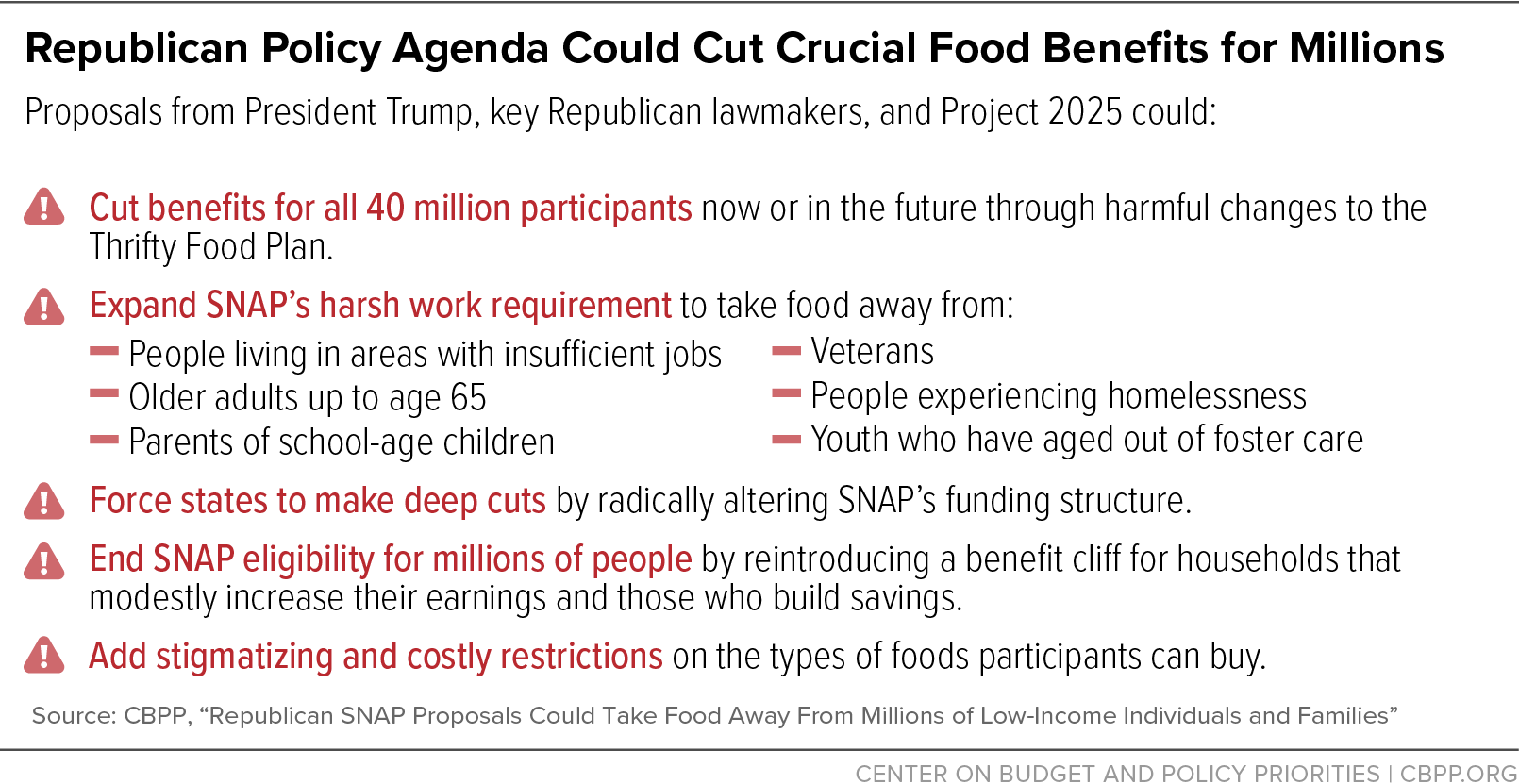
According to NBC, the head of a Nevada food bank stated last month that reductions in food assistance programs can impact not only recipients but also the businesses that supply food.
An Ongoing Discussion
The former President’s comments have clearly injected a distinct economic viewpoint into the conversation surrounding food assistance.
It highlights a fundamental difference in approach: direct aid versus stimulating the economy to lower costs as the primary means of increasing access.
This exchange ensures the economic debate over government spending and its impact on cost of living and food security will continue.