Trump Slams ‘Fake News’ Polls Showing Him Underwater In States He Just Flipped
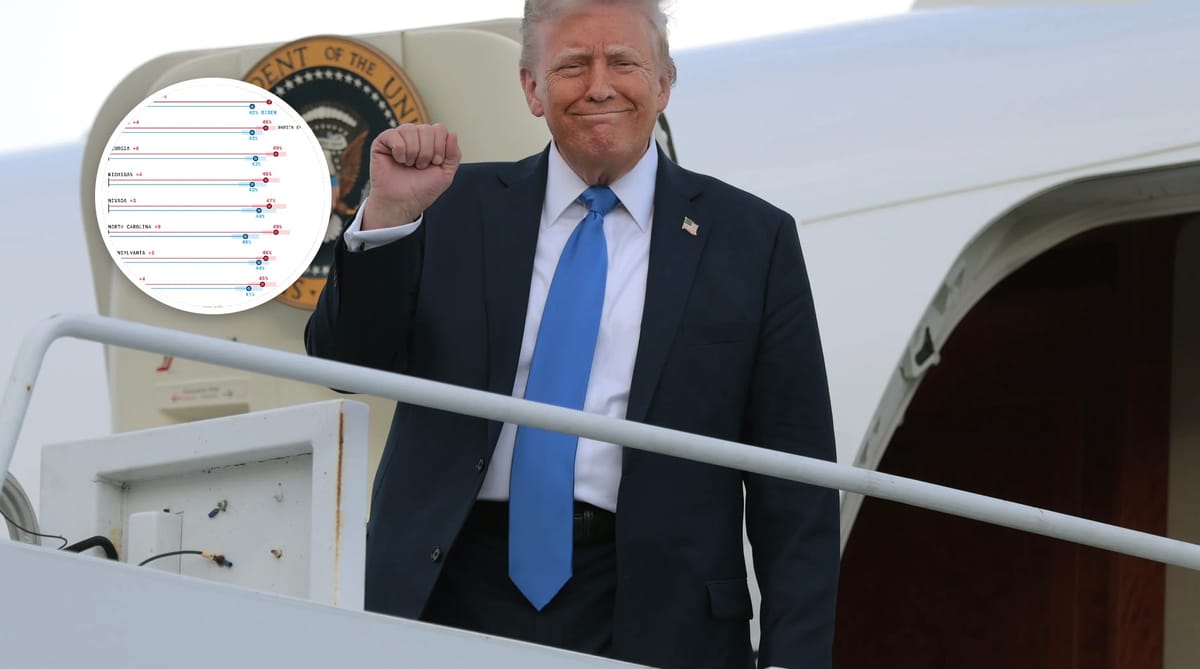
President Donald Trump isn’t buying the latest headlines about his approval ratings.
Despite recent polling suggesting challenges, the Commander-in-Chief is hitting back hard.
Trump Fires Back at ‘Fake News’ Numbers
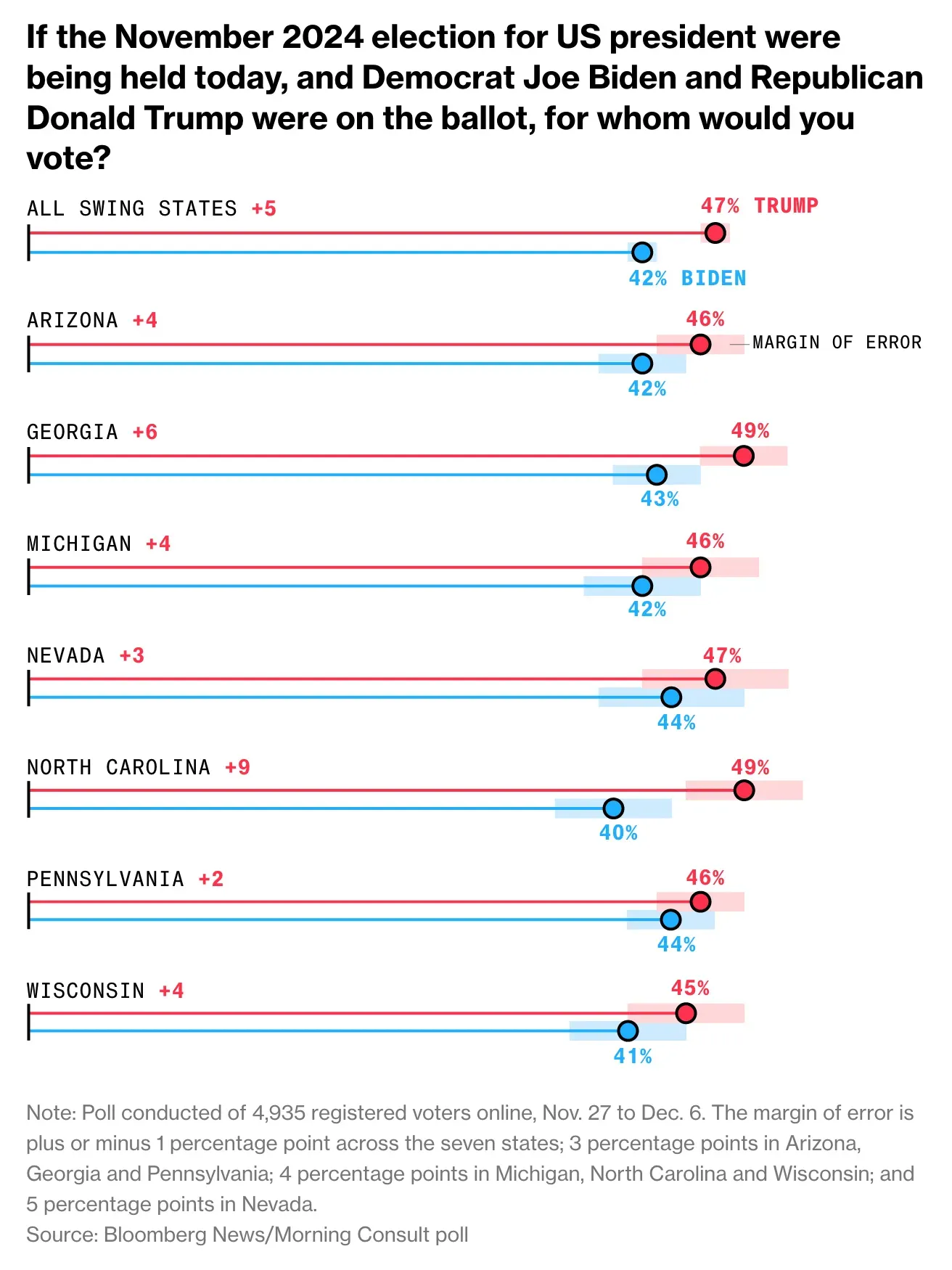
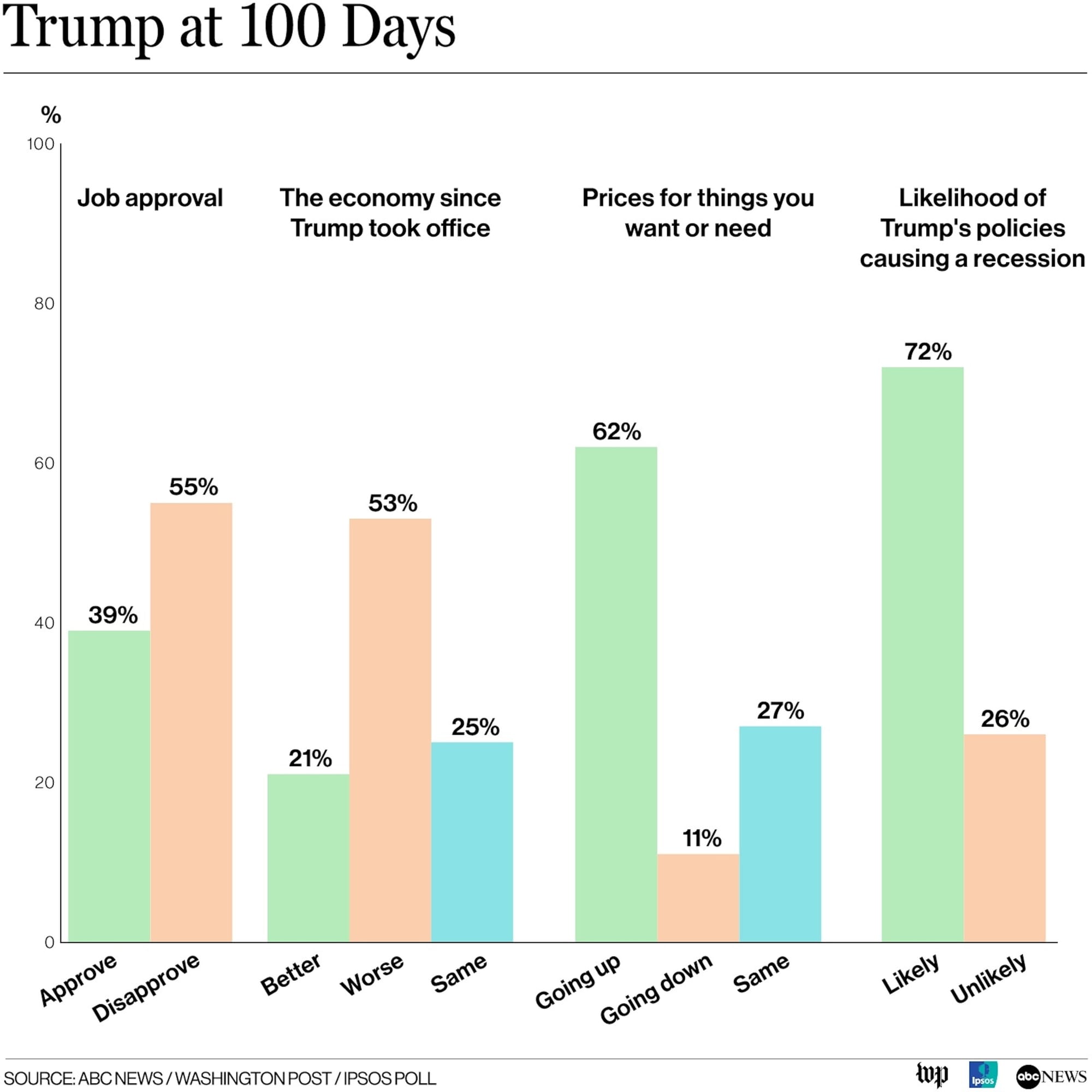
Fresh off securing a second term and flipping several key states back to Republican control in 2024, new polls are showing President Trump’s approval rating facing headwinds in those very battlegrounds.
But Trump himself is dismissing the numbers entirely.
Taking to his platform Truth Social last week, the President made his stance clear:
“The Polls from the Fake News are, like the News itself, FAKE! We are doing GREAT, better than ever before.”
This defiant message comes as analysts begin to look ahead towards the 2026 midterm elections, wondering how public sentiment might shape the political landscape.
Allies Remain Confident Amid Early Term Challenges
Trump isn’t alone in brushing off early concerns.
House Speaker Mike Johnson expressed strong confidence when asked about the President’s polling.
Speaking to CNN, Johnson defended the administration’s position, suggesting the President is focused on fixing inherited problems.
“No, I’m not worried at all,” Johnson stated. “I just had a great meeting with the president at the White House and he’s in good spirts, and we are as well…”
He implied the administration had to address issues left by the previous Biden-Harris term, calling it a “disaster” that needed fixing.
Looking towards the midterms, Johnson added:
“We’re very bullish on it [2026] … We are playing offense.”
What Are Swing States Anyway?
The focus is often on a handful of states known for flipping between parties in recent presidential elections.
These battlegrounds are seen as crucial indicators of national sentiment.
The six states getting the most attention are Arizona, Georgia, Michigan, Nevada, Pennsylvania, and Wisconsin.
Interestingly, all these states went for Democrat Joe Biden in 2020 but were won back by Trump in his 2024 victory over Kamala Harris.
Most also supported Trump back in 2016, highlighting their pivotal nature.
North Carolina, while consistently voting for Trump in 2016, 2020, and 2024, is also often discussed as a competitive state.
Early Days, Long Road Ahead
Polling experts caution against reading too much into numbers gathered just over 100 days into a new presidential term.
Jack Dozier, deputy director at the Yale Youth Poll, told Newsweek that it’s early days.
“Polls now are gauging only the first 100 days of Trump’s nonconsecutive administrations, so any potential lasting damage has yet to be revealed,” Dozier explained.
“This is something we’ll better have a grasp of as a polling community about a year into the presidency. At this point of the Biden-Harris administration, approval ratings were through the roof! So, only time can tell.”
This context suggests that current snapshots may not reflect the longer-term political reality.
A Look at the Numbers Trump Dismisses
The specific data causing the stir comes from an online tracking poll by Civiqs, updated regularly since Trump’s inauguration on January 20, 2025.
The poll shows Trump’s approval rating below his disapproval rating in all six key swing states he won in 2024.
In Arizona, which Trump won with 52.2%, the poll shows 47% approve and 49% disapprove.
Georgia, won by Trump with 50.7%, shows 45% approve and 51% disapprove.
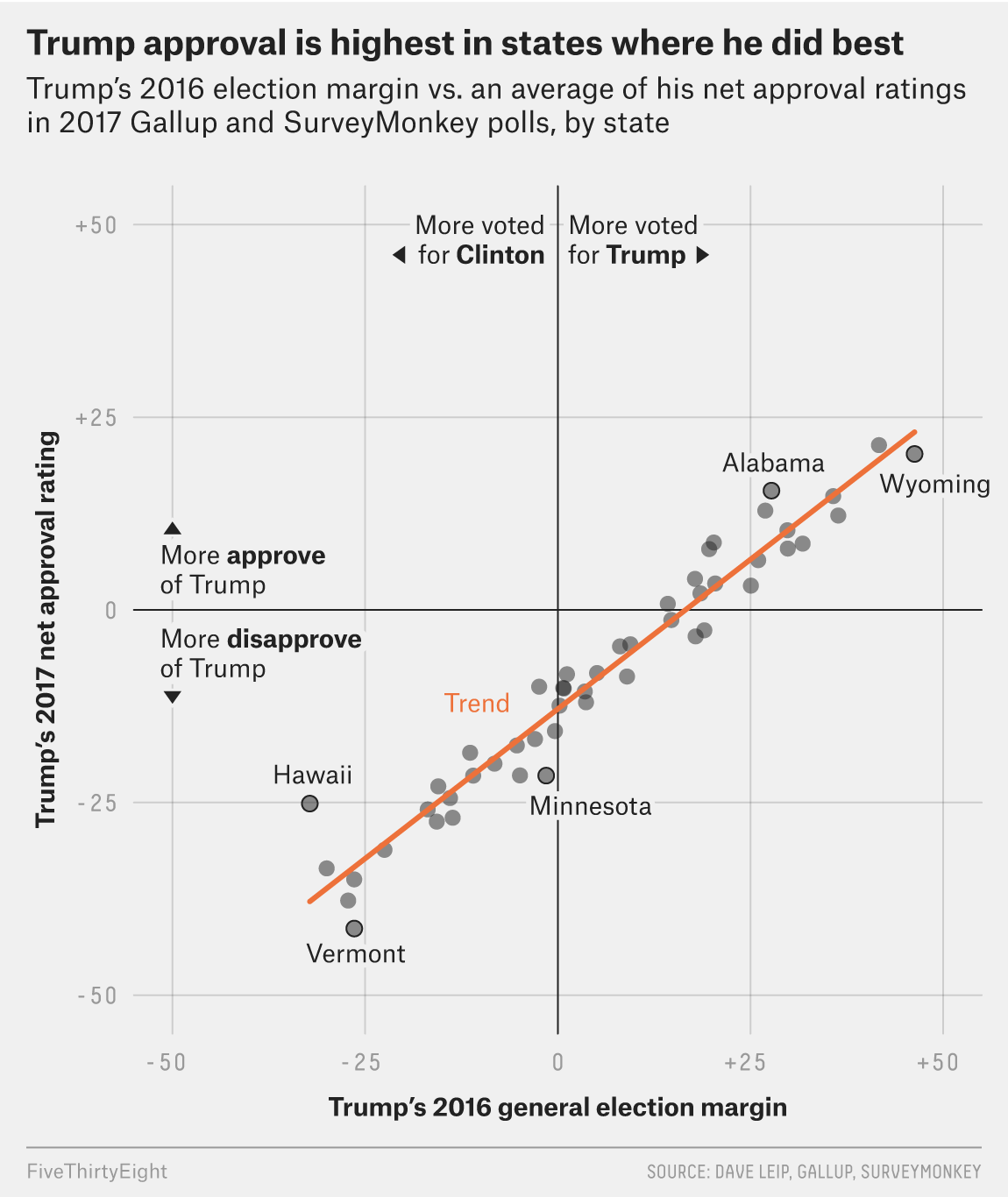
Michigan, taken by Trump with 49.7%, shows 46% approve and 50% disapprove.
Nevada, a state Trump flipped after two decades of Democratic wins with 50.6%, shows 47% approve and 49% disapprove.
Pennsylvania, won by Trump with 50.4%, shows 45% approve and 51% disapprove.
Wisconsin, secured narrowly by Trump with 49.6%, shows 46% approve and 51% disapprove.
Across these states, a small percentage (3-4%) neither approve nor disapprove.
What’s Next?
The political world will be watching upcoming gubernatorial elections in Virginia and New Jersey later this year for early signs of voter sentiment under the Trump administration.
However, the main event remains the 2026 midterm elections.
Historically, the party holding the presidency often loses seats, but Republicans like Speaker Johnson are signaling they intend to defy that trend and campaign aggressively.
For now, President Trump remains focused on his agenda, dismissing unfavorable polls as ‘fake news’ while his allies project confidence for the road ahead.