Trump publicly threatens to revoke Harvard’s tax-exempt status as nonprofits brace for “enemies list”
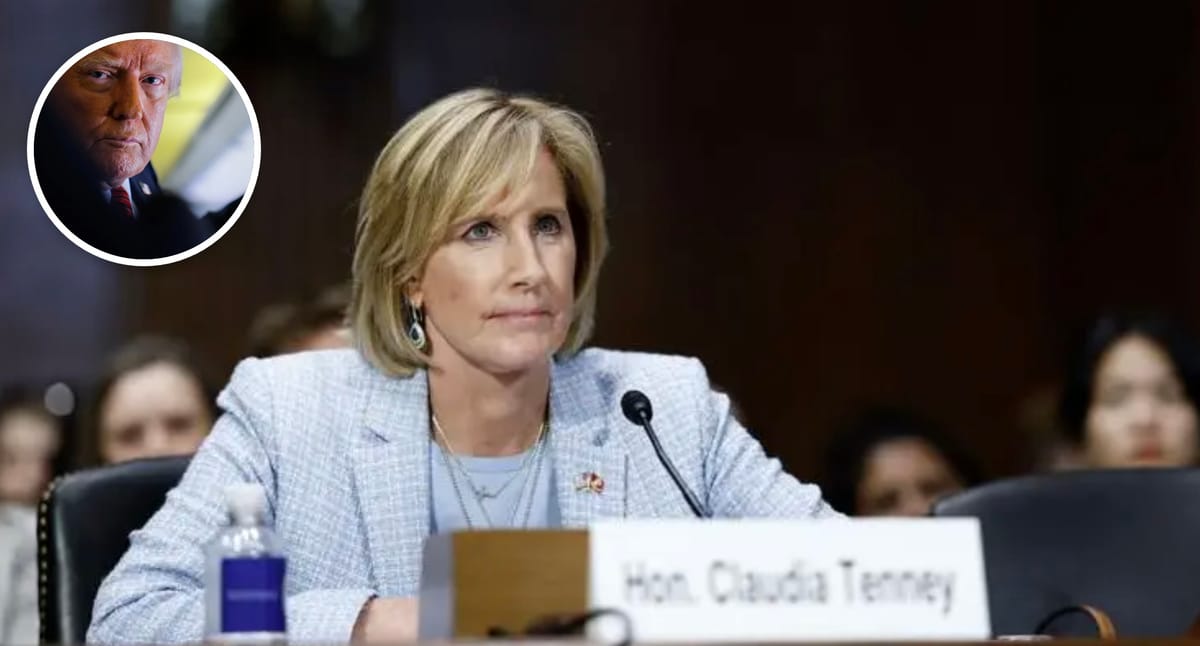
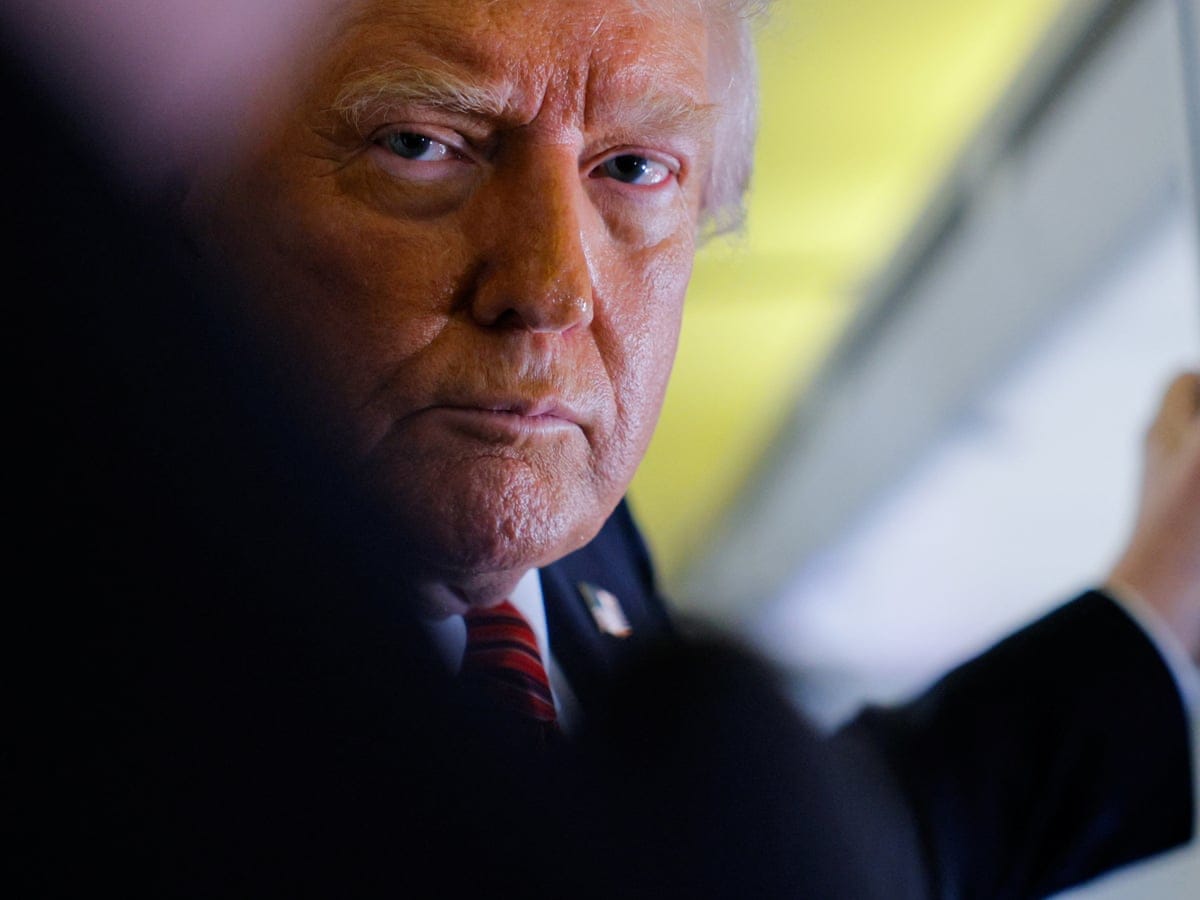
The White House is taking aim at organizations it considers adversaries, and Harvard University sits squarely in the crosshairs.
A Controversial New Provision
Republican lawmakers have added language to a major legislative package that has nonprofit organizations across America increasingly concerned.
The provision, included in the nearly 400-page “One Big Beautiful Bill Act,” would grant the Treasury Secretary unprecedented power to suspend the tax-exempt status of certain organizations.
Specifically, those the administration determines have provided “material support or resources” to designated terrorist organizations.
More than 200 nonprofit groups – from the American Library Association to the Sierra Club – have publicly urged Congress to remove this provision.
But what’s really raising alarms is how this fits into a broader pattern of government action.
Expanding Presidential Powers
The tax provision isn’t happening in isolation.
Last month, Trump directed the Justice Department to investigate ActBlue, the primary fundraising platform for Democratic candidates and liberal causes.
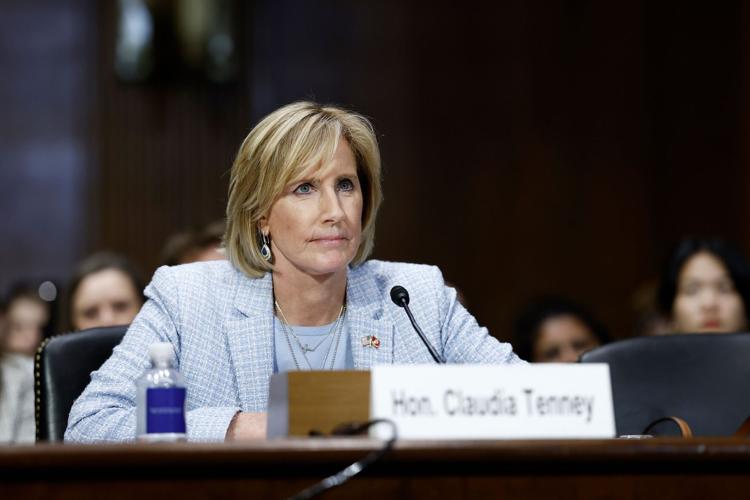
The language in the bill closely resembles legislation previously written by Republican Rep. Claudia Tenney that passed the House but stalled in the Senate.
When defending the measure, Ways and Means Chair Rep. Jason Smith stated lawmakers have a “duty to make sure that taxpayers are not subsidizing terrorism.”
The White House maintains that all actions taken are constitutional and within presidential authority.
“President Trump will always stand for law and order, ending the weaponization of the legal system, and rooting out fraud in the federal government,” said White House spokesperson Harrison Fields.
The Harvard Situation
While federal law prohibits the president from ordering tax investigations of specific entities, Trump has been vocal about Harvard University’s tax status.
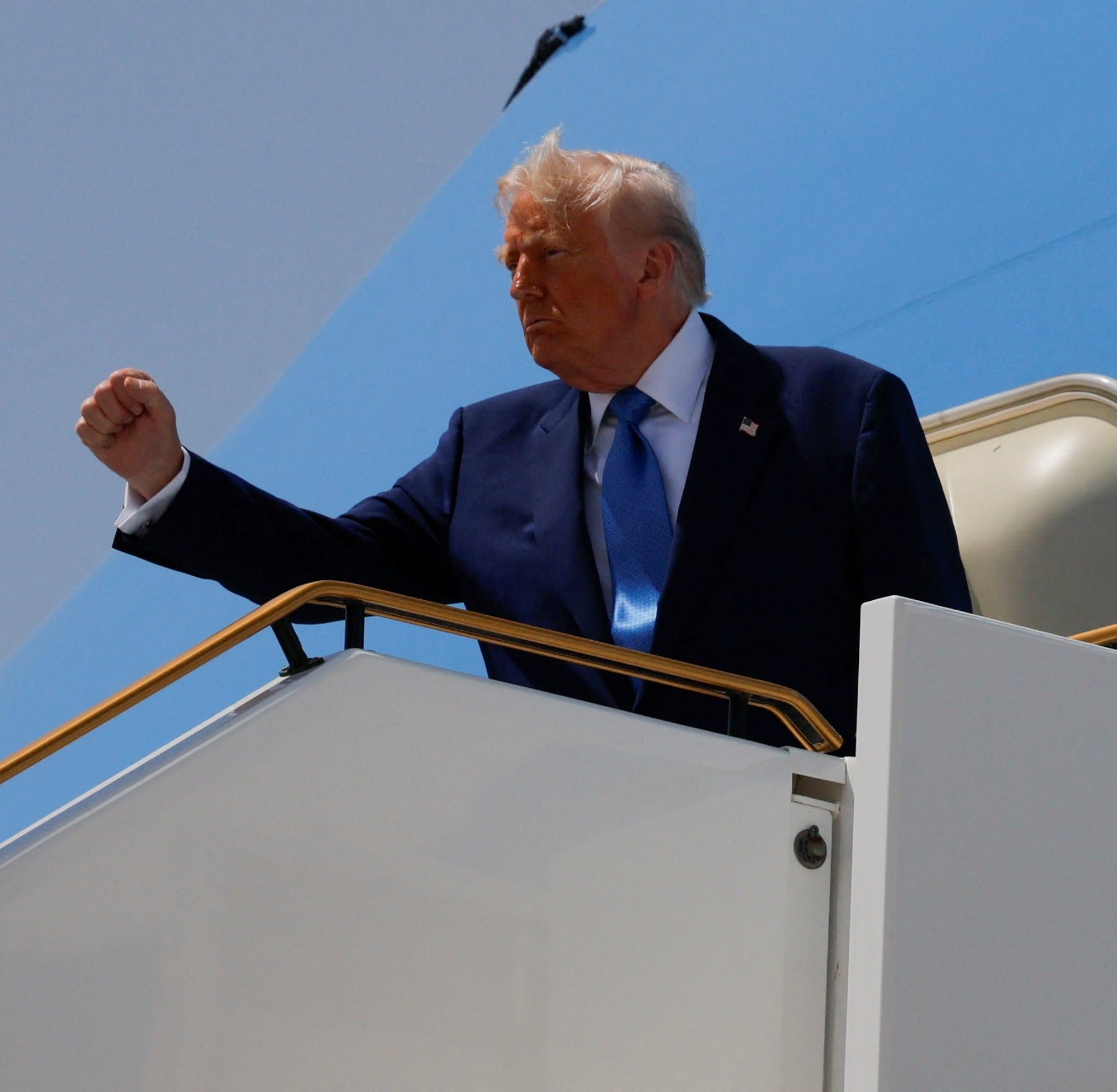
The administration recently blocked Harvard from receiving $2.2 billion in federal grants and $60 million in contracts after the university declined to adopt certain policy changes.
But Trump’s comments suggest Harvard isn’t the only target.
He specifically named Citizens for Responsibility and Ethics in Washington (CREW), a watchdog group that has filed numerous lawsuits against his administration.
The Executive Order Timeline
An executive order signed on January 21 directed federal agencies to identify potential targets for “civil compliance” investigations.
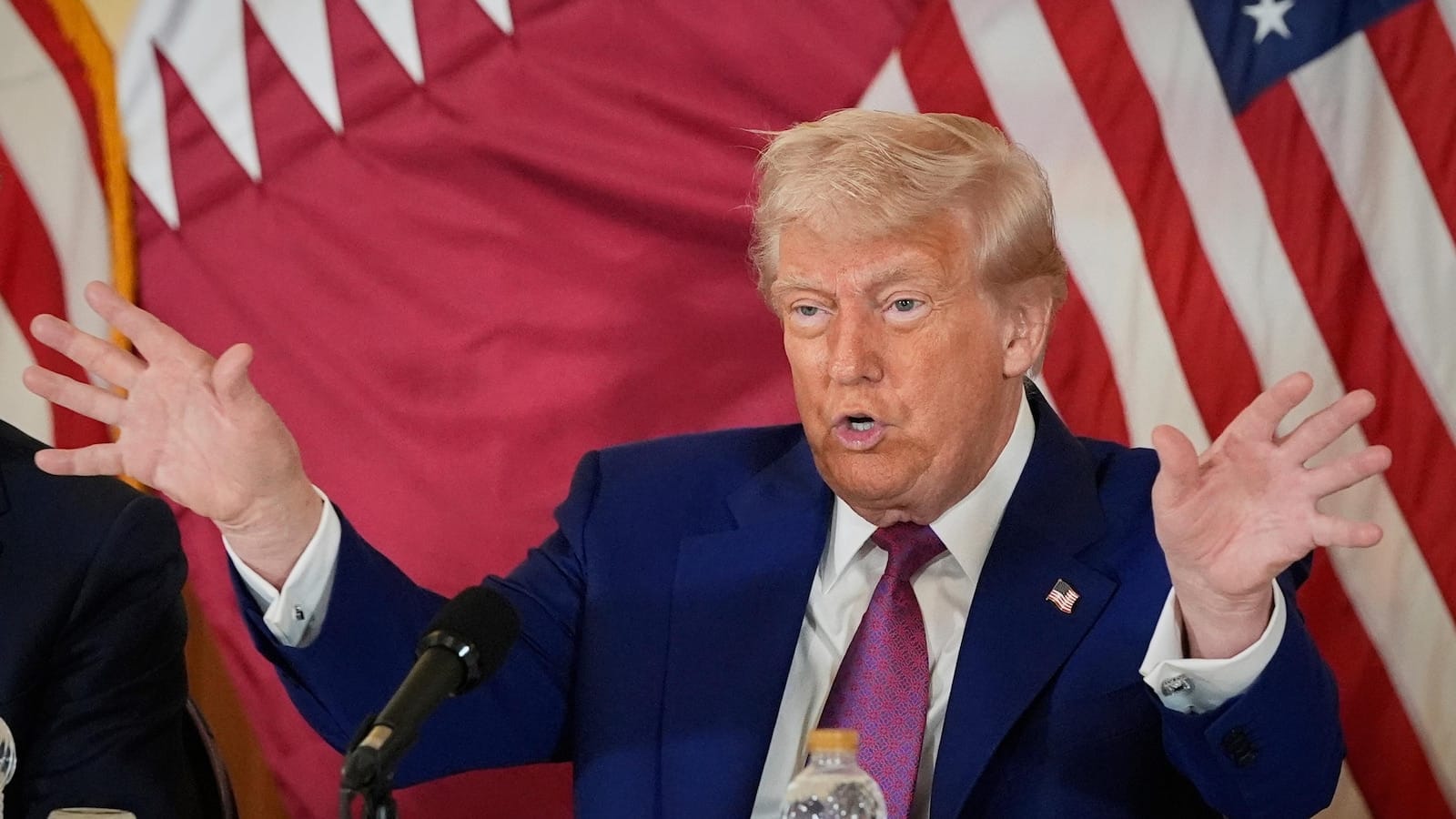
The order specifically mentions “large” nonprofits, foundations with assets exceeding $500 million, and universities with endowments over $1 billion.
Attorney General Pam Bondi has already directed the Civil Rights Division to review whether universities are attempting to circumvent the Supreme Court’s 2023 ruling on race-based admissions.
The deadline for agencies to submit their lists of potential investigation targets arrives next week.
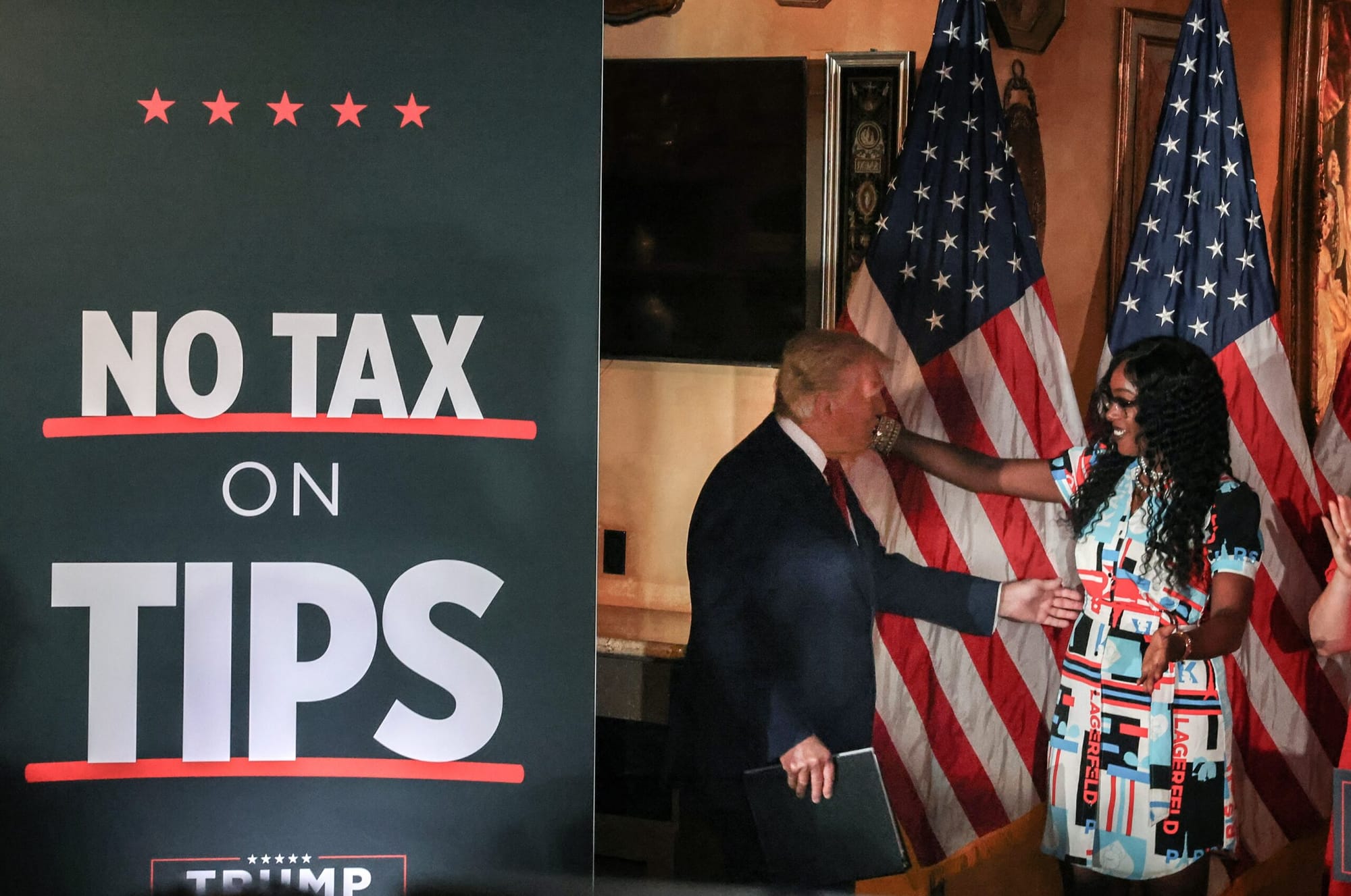
What’s most concerning to nonprofit leaders is what many are now calling the creation of an “enemies list” – with organizations perceived as opposing the administration’s agenda potentially finding themselves subject to heightened scrutiny.
The administration maintains these actions are necessary to combat what it describes as “illegal discrimination” and to ensure organizations comply with existing laws.
Meanwhile, nonprofit executives across the country are consulting with their legal teams and preparing for potential audits, uncertain of what it will mean to be included on a government target list.
“People are trying to brace for it,” said Lisa Gilbert of Public Citizen. “It’s very unclear what it will mean to be on a list in Trump’s America.”