Trump Praises Syrian Leader Israel Opposes, Lifts Sanctions After Meeting
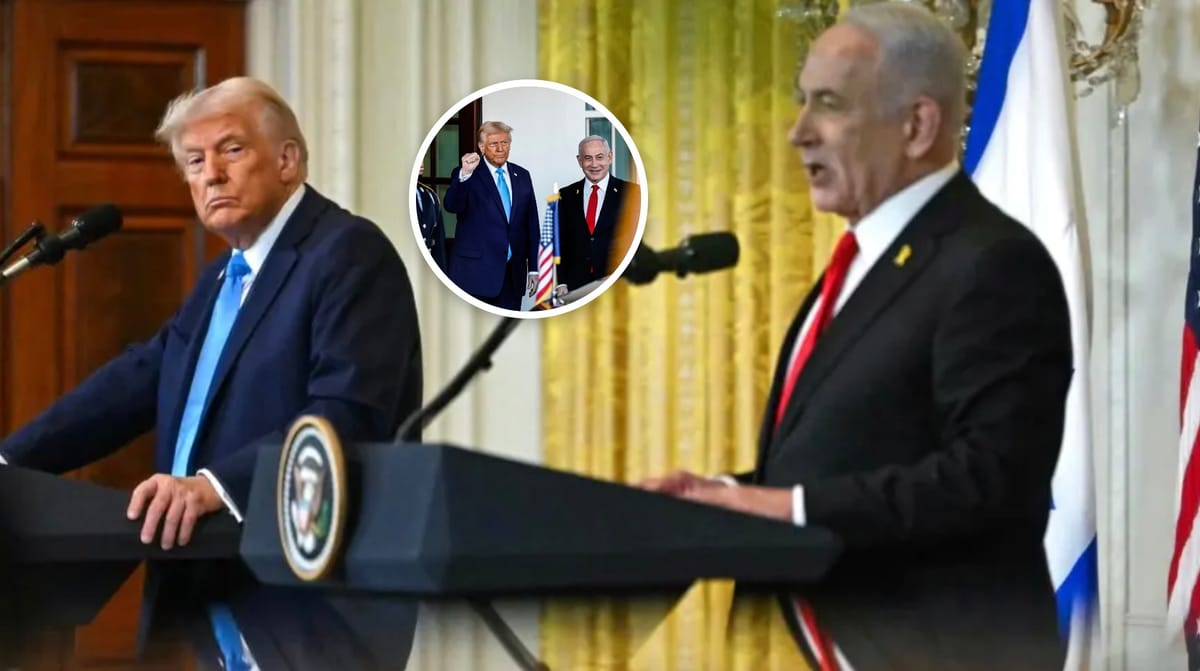
It’s a move that caught many off guard.
President Trump, known for his decisive approach, just made a significant shift in Middle East policy.
Trump’s Independent Path
When Donald Trump returned to the White House, optimism for a new era of strong US-Israel coordination was high.
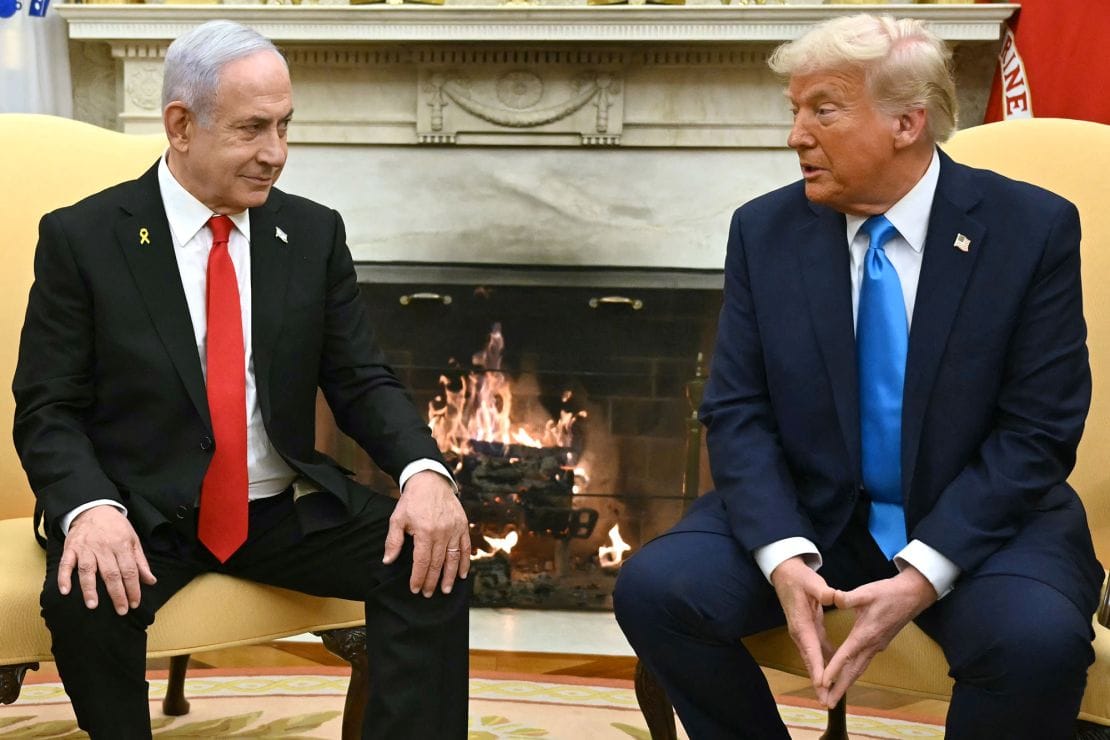
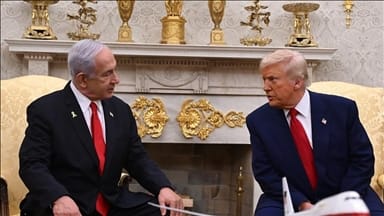
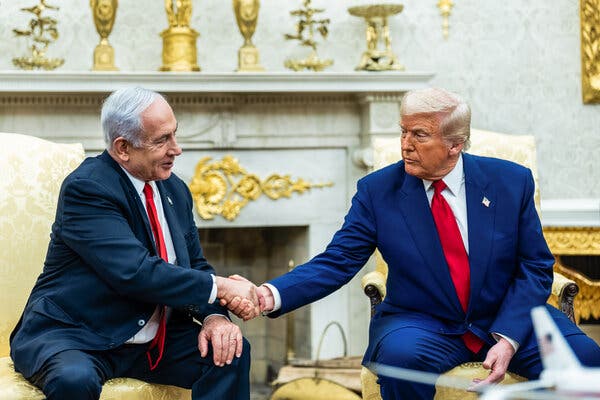
Prime Minister Benjamin Netanyahu was the first foreign leader invited to the Oval Office, a clear signal of close ties.
Initial meetings seemed to align US and Israeli goals perfectly, from restoring maximum pressure on Iran to tackling regional security challenges.
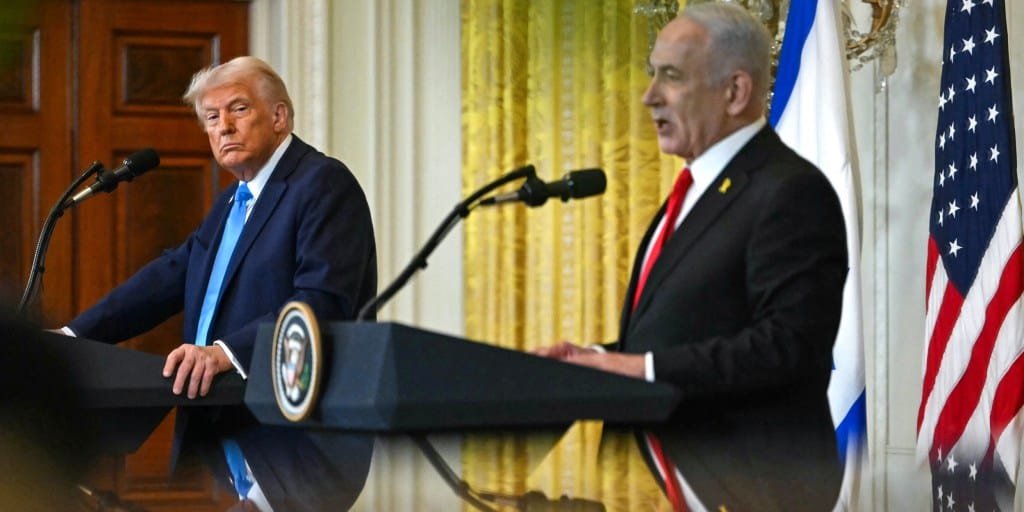
However, those who have followed President Trump understand he operates on his own terms.
His approach is highly transactional and focused on delivering results quickly.
“Trump is being Trump,” said John Hannah, senior fellow at JINSA. “He’s being who he’s always been — highly transactional, zero sentimentality, and always looking out first and foremost for number one.”
This means prioritizing American interests and pursuing opportunities as they arise, sometimes independently of allies.
Seeking Regional Wins
President Trump is eager to secure landmark foreign policy achievements early in his term.
With global challenges persisting, his focus is on tangible successes in areas where the US can exert influence without costly military entanglements.
The Middle East, with its shifting alliances and economic opportunities, presents such an area.
Wealthy Gulf nations are significant investors in the US economy, aligning with Trump’s economic priorities.
His administration has pursued various diplomatic paths, including direct engagement with different regional actors.
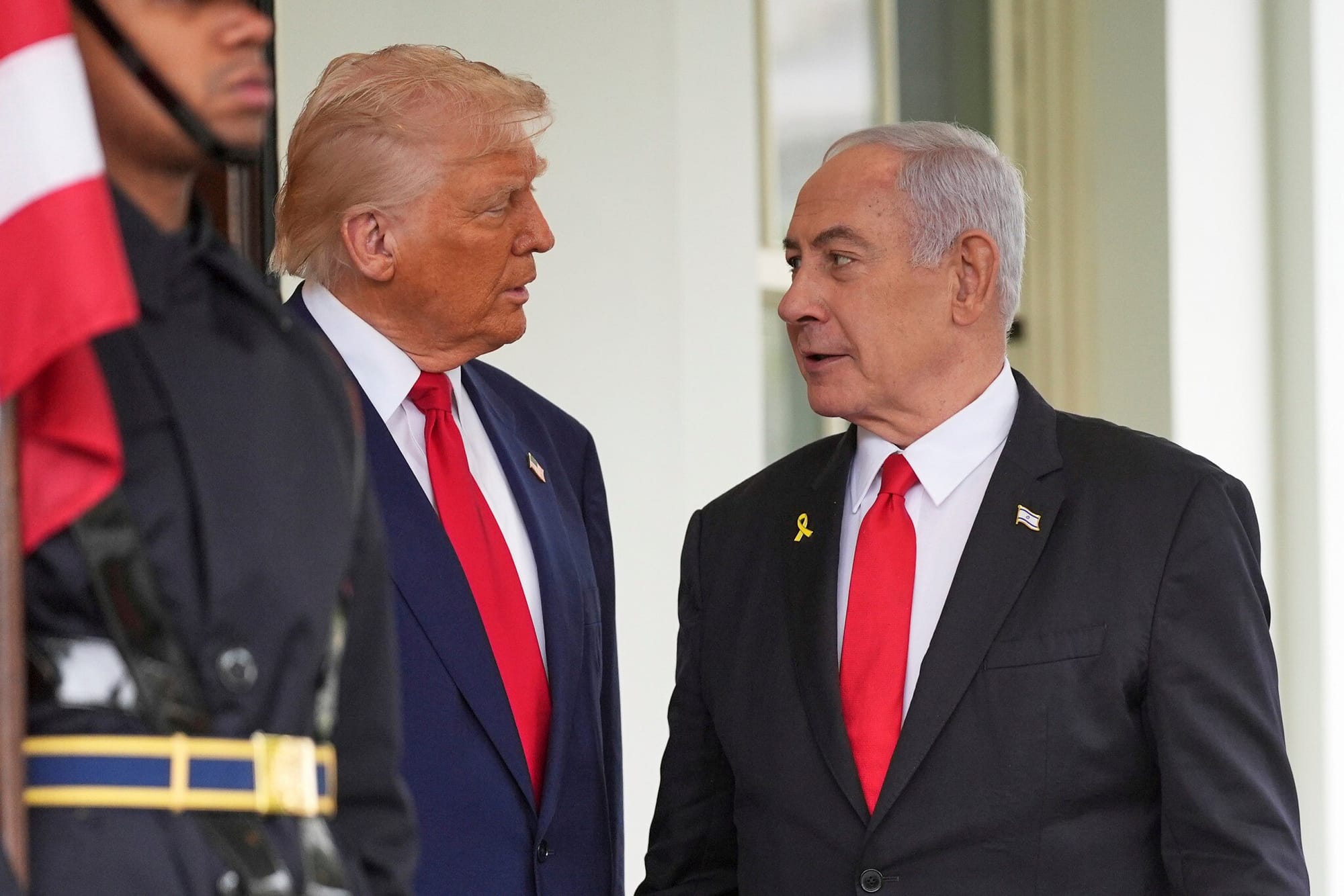
This includes pursuing potential nuclear talks and seeking the release of American hostages.
These efforts reflect a strategy to de-escalate tensions and secure specific outcomes beneficial to the US.
Some analysts note that Israel’s own complex political situation and focus on the ongoing conflict in Gaza may limit its flexibility in engaging with certain regional diplomatic efforts, further enabling Trump’s independent moves.
Behind the Scenes
Reports indicate shifts within Trump’s advisory circle, moving towards those who fully embrace his distinctive style of leadership.
This new guard encourages his intuitive, less conventional foreign policy instincts.
For instance, the US recently brokered a ceasefire agreement with the Houthis in Yemen.
While this didn’t immediately stop all attacks on Israel, it demonstrated Trump’s willingness to strike deals he believes serve a broader US interest in regional de-escalation.
Similarly, an arms deal with Saudi Arabia proceeded, seen by the administration as strengthening a key regional partner.
These actions underscore that while support for Israel remains a cornerstone, US policy under Trump is dynamic and multi-faceted, engaging directly with various players across the region.
The Unexpected Meeting
In a move that highlights this independent approach, President Trump recently met with Syria’s interim president, Ahmed al-Sharaa, in Riyadh.
Following the meeting, the US lifted sanctions on Syria.
President Trump offered candid praise for Sharaa, describing him as a “young, attractive guy. Tough guy. Strong past. Very strong past. Fighter.”
This engagement marks a significant shift, particularly as Israel has opposed legitimizing the Syrian leadership.
It signals Trump’s readiness to engage directly with figures across the Middle East landscape, regardless of their standing with other regional powers or traditional US allies, if he believes it advances American goals or offers a path to stability.
Moving Forward
While Trump’s independent actions may require adjustments from allies, observers note that the core relationship remains robust.
Israel continues to be a vital partner, and its security interests are factored into US strategy, even if the approach to achieving regional stability differs at times.
For Israel, understanding and adapting to Trump’s unique, results-driven style will be key to navigating the evolving regional dynamics and continuing to advance its own security and diplomatic objectives.
Experts suggest maintaining open communication across various levels of the US administration, not just the very top, can help Israel better anticipate and manage these occasional surprises.