Trump orders Walmart to sacrifice billions in profits instead of raising prices on American families
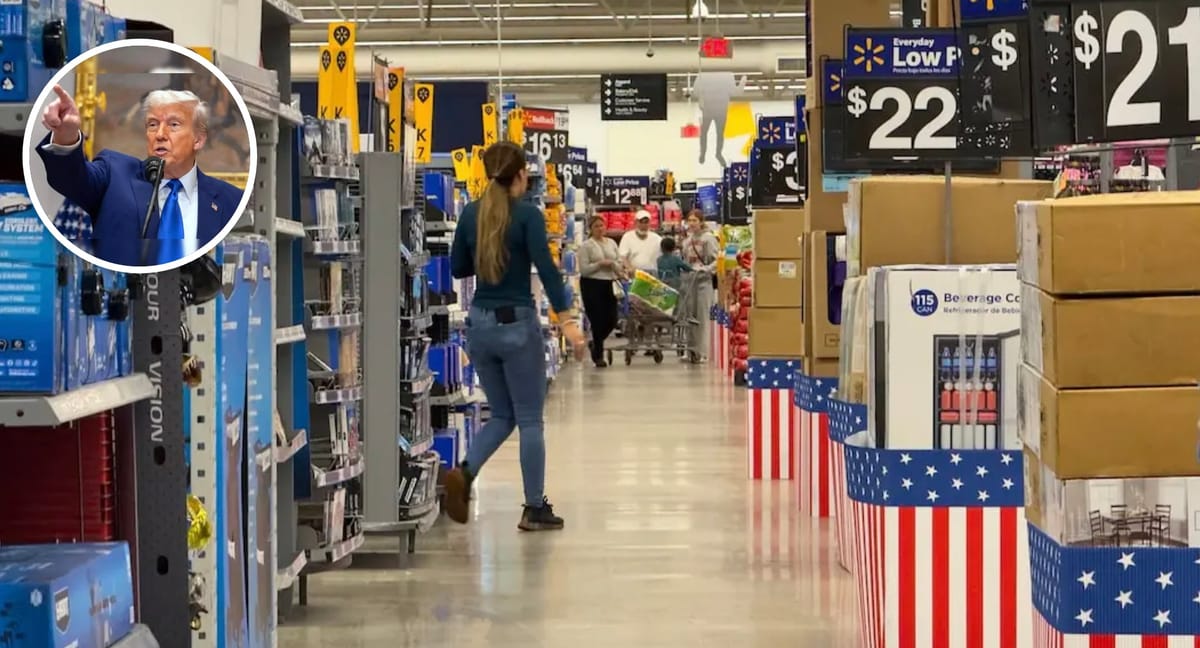
President Trump isn’t mincing words with America’s largest retailer.
A Bold Economic Strategy
In a direct message to Walmart, President Trump made his position crystal clear this Saturday: corporate profits should take a backseat to American consumers’ wallets.
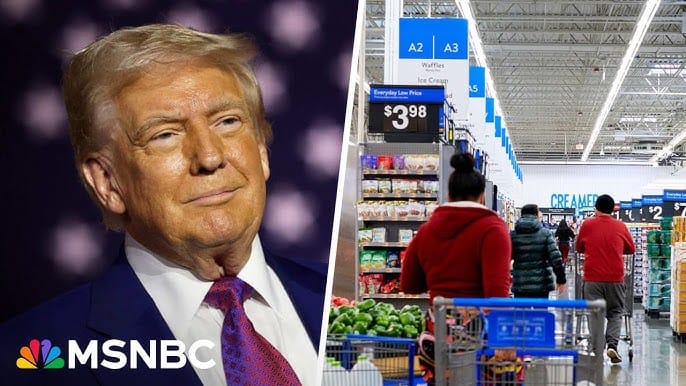
The retail giant, which employs 1.6 million Americans, recently warned that prices on everyday items from bananas to children’s car seats could increase due to new tariff policies.
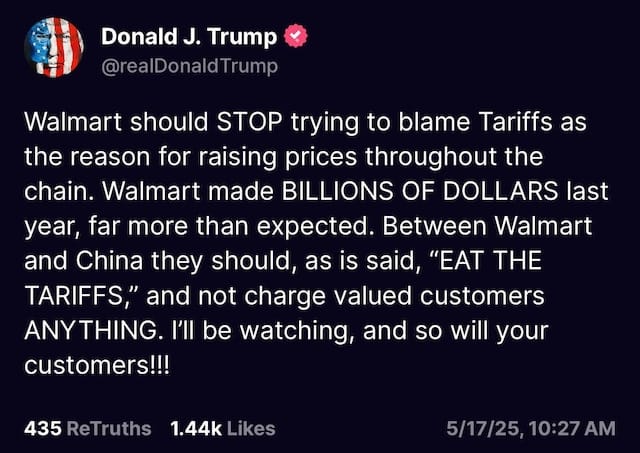
Trump’s response came swiftly through his Truth Social platform, challenging the corporation to absorb the costs rather than pass them on to shoppers.
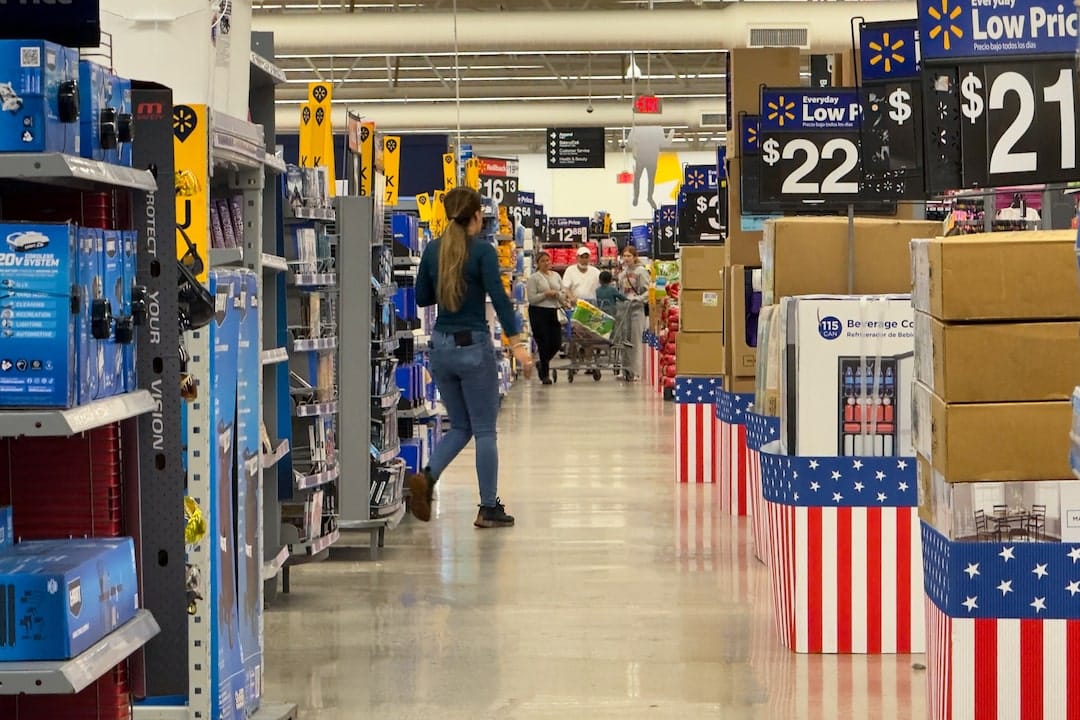
The President’s economic vision involves reshoring manufacturing jobs to America, a plan he believes will ultimately benefit the entire economy despite short-term adjustments.
“Walmart should STOP trying to blame Tariffs as the reason for raising prices throughout the chain,” Trump posted. “Walmart made BILLIONS OF DOLLARS last year, far more than expected.”
Protecting American Families
The heart of Trump’s message reflects his focus on protecting everyday Americans from price increases during economic transitions.
Walmart CFO John David Rainey had claimed that car seats made in China could soon cost an additional $100 – a 29% price increase – due to the tariffs.
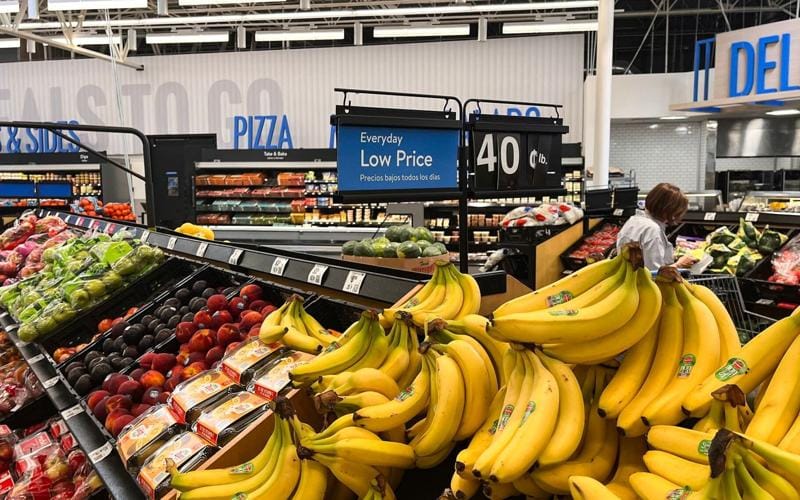
The President’s stance puts pressure on both Walmart and China to shoulder the financial burden of his trade policies rather than passing costs to consumers.
Trump concluded his message with a warning: “I’ll be watching, and so will your customers!!!”
The Bigger Economic Picture
This direct challenge to Walmart isn’t happening in isolation.
Trump has implemented strategic tariffs on multiple fronts, including a universal baseline tariff of 10% on most countries, with higher rates for specific situations.
The administration recently reduced its 145% tariffs on China to 30% for a 90-day period, showing flexibility while maintaining pressure for fair trade practices.
Trump has consistently maintained that these tariffs serve as both a negotiating tool and a revenue source for the United States.
His framework agreement with the United Kingdom would largely keep the 10% tariff rate in place, establishing a new normal in international trade relations.
Corporate America at a Crossroads
Walmart isn’t the only company facing tough decisions in this new economic landscape.
Major American automakers have received similar warnings about not raising prices despite the potential impact of tariffs on production costs.
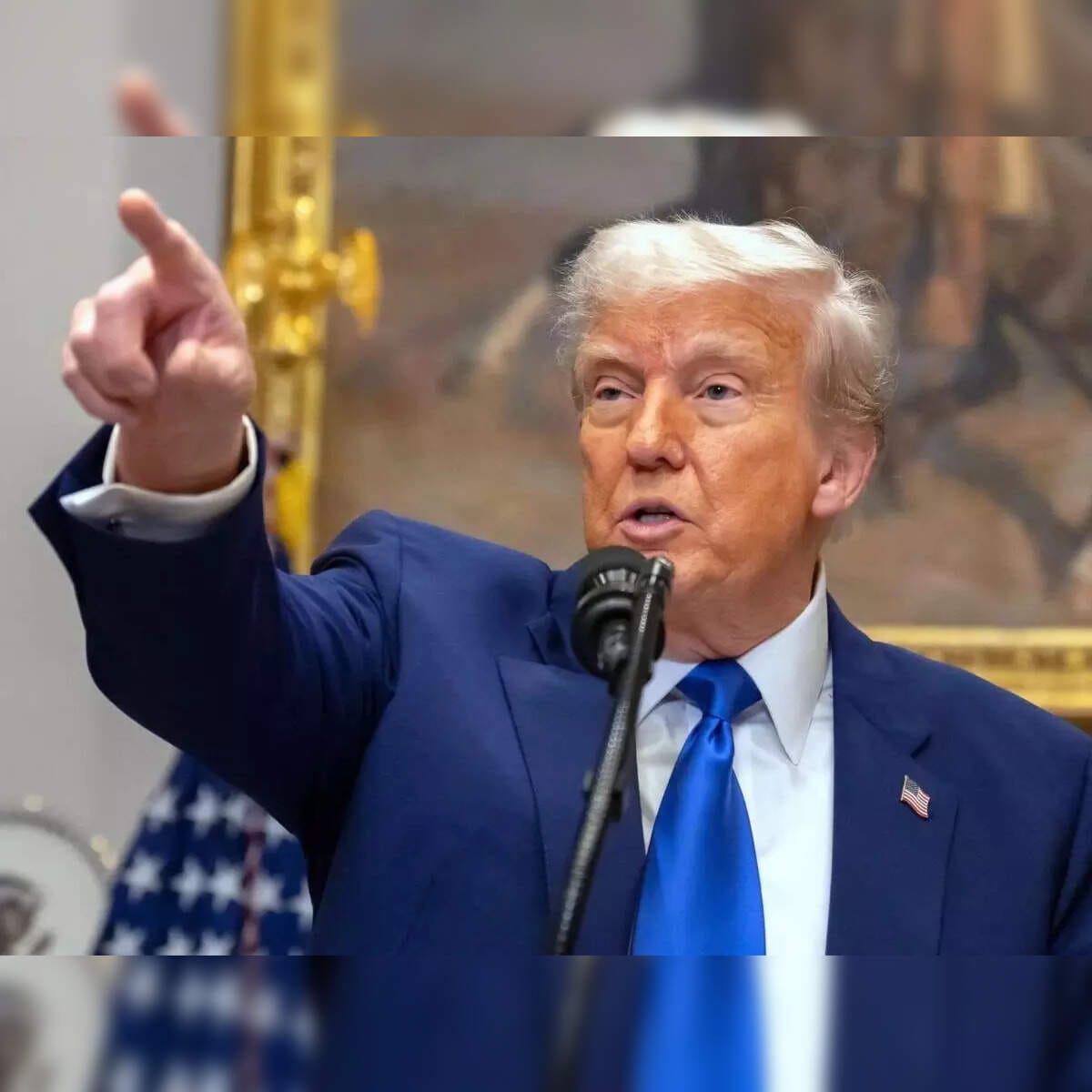
In April, Walmart CEO Doug McMillon was among retail executives who met with Trump at the White House to discuss tariffs.
Despite these conversations, the administration moved forward with its trade strategy, believing the long-term benefits outweigh short-term adjustments.
The Core Demand: Profits vs. Prices
The heart of Trump’s message to Walmart is straightforward: a company that made billions in profits last year can afford to absorb tariff costs rather than raising prices on everyday Americans.

Trump’s exact words cut to the chase: “Between Walmart and China they should, as is said, ‘EAT THE TARIFFS,’ and not charge valued customers ANYTHING.”
This directive represents a fundamental shift in how the President views the responsibility of major corporations during economic transitions.
Rather than automatically passing costs to consumers, Trump is demanding that profitable corporations sacrifice some margin to protect American families while his broader economic strategy takes effect.
The message sets a clear expectation: corporate America should prioritize American consumers over short-term profits as the administration works to rebalance global trade relationships and bring manufacturing jobs back to the United States.