Trump Officials Hated Elon Musk So Much One Yelled ‘Fuck You’ Multiple Times Report Claims
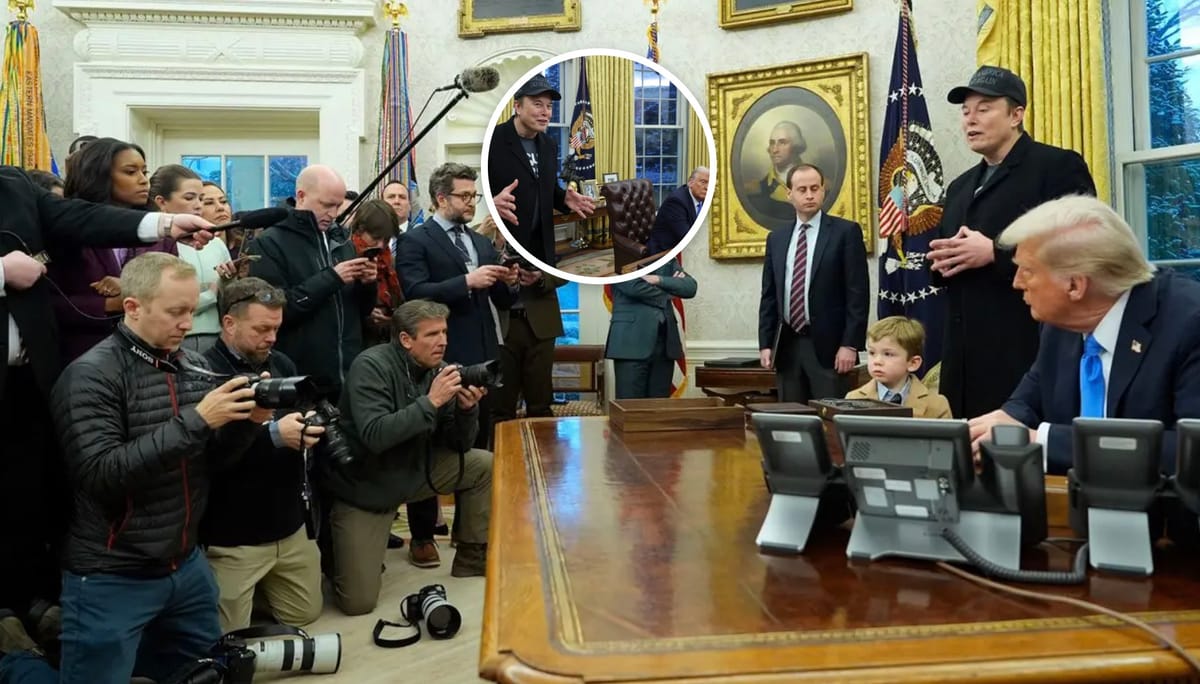
Tempers flared dramatically behind the scenes in Washington D.C.
New reports shed light on the intense dynamics within the Trump administration during the brief tenure of tech magnate Elon Musk.
Joining the Administration with Big Goals
Musk joined the administration with the stated aim of boosting government efficiency, bringing a Silicon Valley approach to federal bureaucracy. His mission was centered on streamlining operations and reducing complexity.
This initiative saw him take on a significant advisory role, aiming to implement rapid changes. The ambition was clear: remake parts of the government with a focus on speed and disruption.
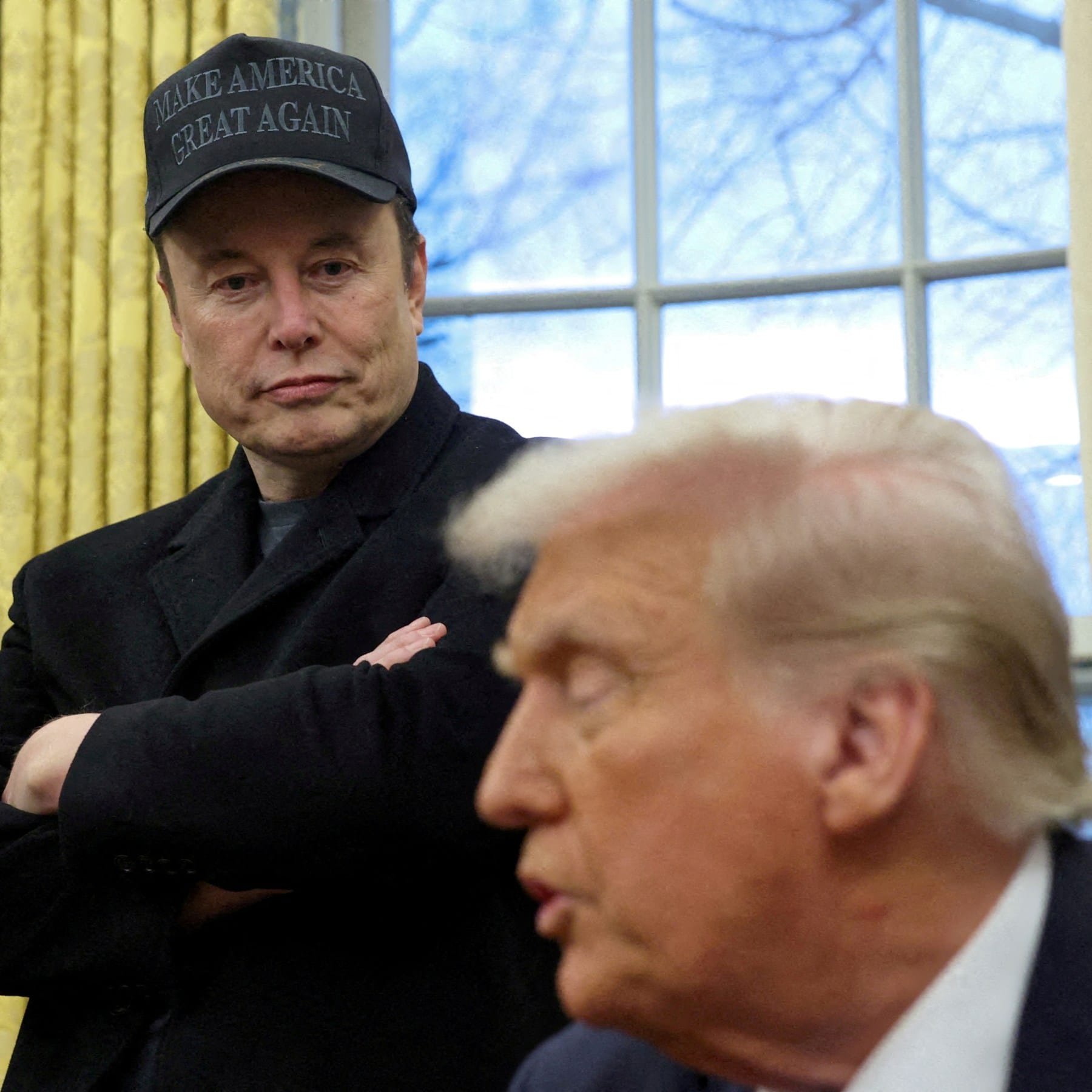
His role included engaging directly with top officials and participating in high-level meetings. Expectations were set high for what an outside perspective might achieve in the nation’s capital.
Ambitious Approaches Meet Washington Reality
Musk’s methods were described by some as a “chain-saw” approach, focusing on dismantling or significantly altering existing structures quickly. While intended to cut through red tape, this style met resistance.
Implementing rapid, disruptive change within established government agencies proved challenging. Different perspectives emerged on the best path forward for reform.
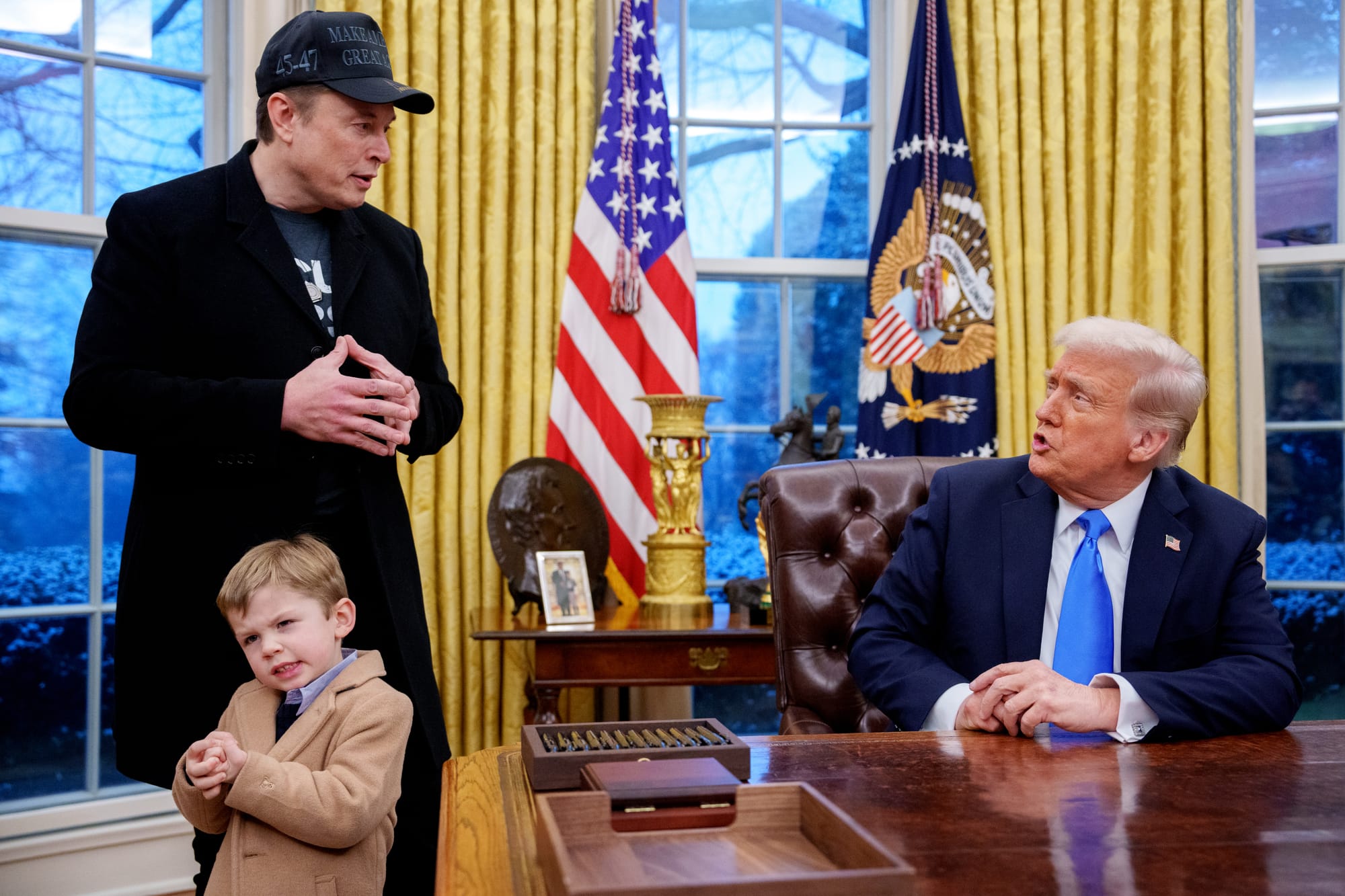
Some policy ideas introduced, such as requirements for weekly progress reports from federal employees, were met with skepticism and eventually phased out. The practicality of applying private sector metrics to government work became a point of contention.
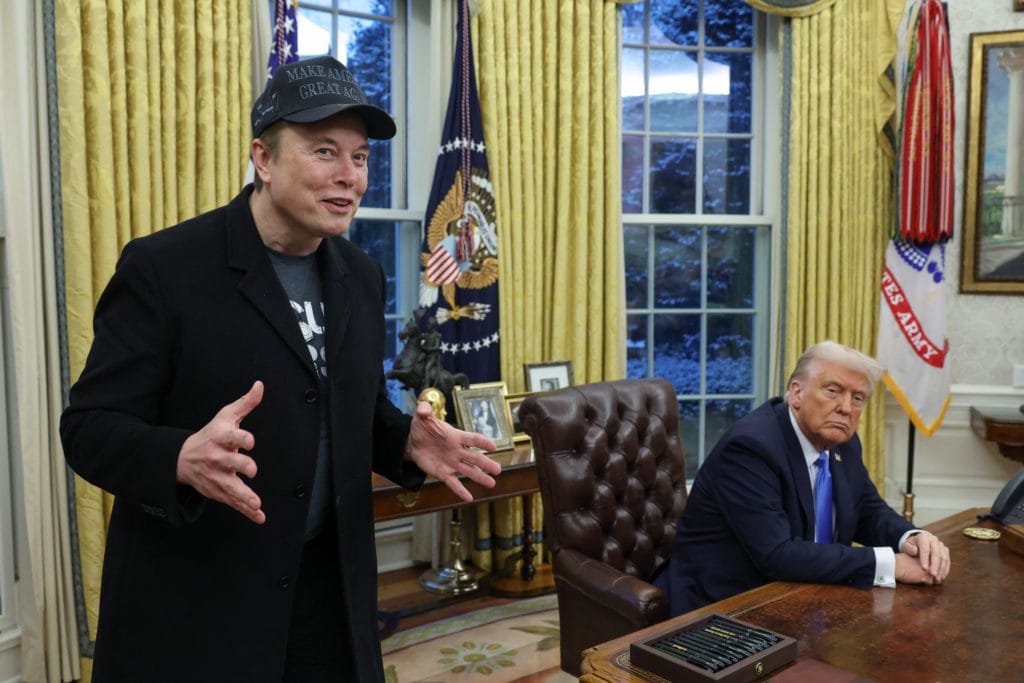
While some former federal employees acknowledged that parts of the workforce were reduced and agencies shuttered during this period, the overall impact on efficiency is still debated. The swift changes also reportedly caused stress among remaining staff.
Clashes Over Personnel and Policy
The ambitious reform agenda led to several direct confrontations with seasoned cabinet officials. These meetings were sometimes tense, with different viewpoints on the scope and speed of change.
One notable meeting involved Secretary of State Marco Rubio, Veterans Affairs Secretary Doug Collins, and Transportation Secretary Sean Duffy. They reportedly expressed frustrations with Musk’s perceived overreach into their departmental responsibilities.
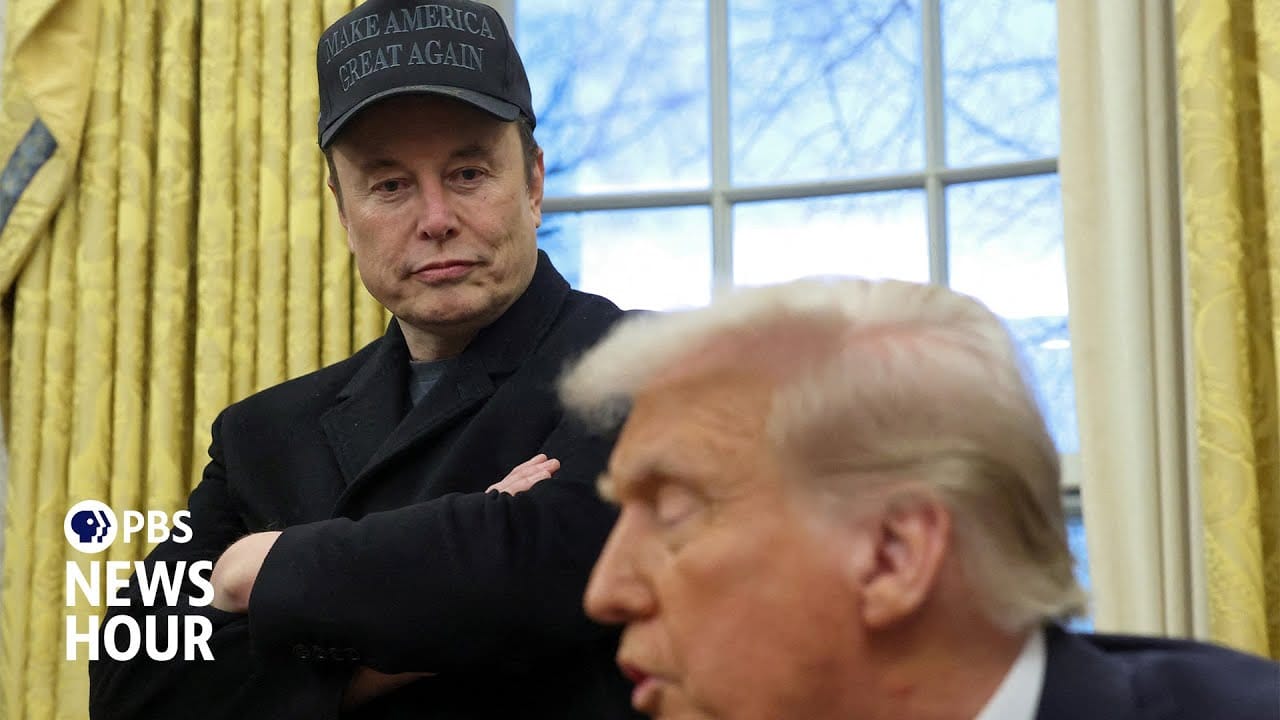
These discussions highlight the friction that can arise when integrating outside advisors with career politicians and agency heads who have established expertise and domains.
Disagreements weren’t limited to policy; personnel decisions also became flashpoints.
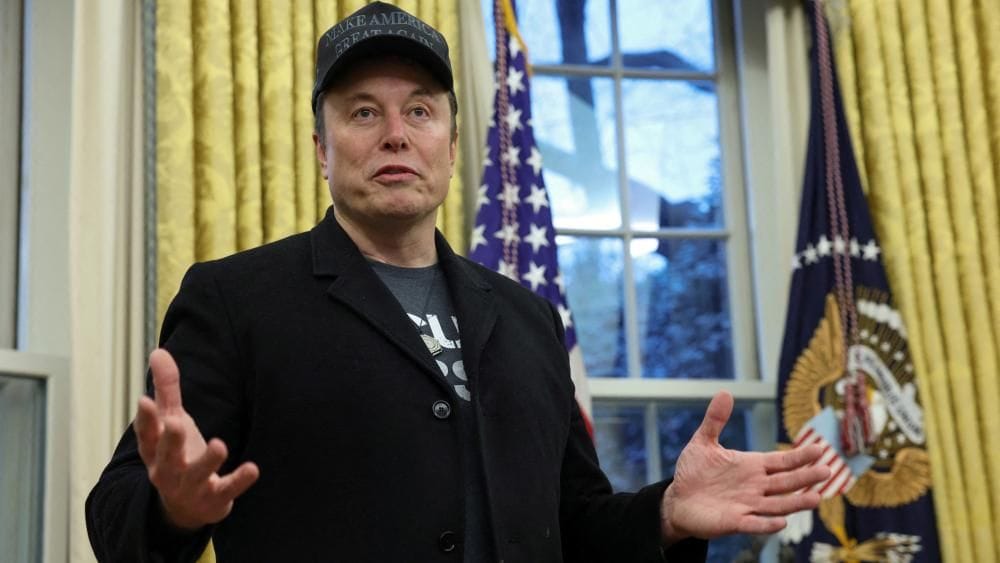
One particularly heated incident involved the selection of leadership for the IRS.
The Boiling Point Revealed
A significant clash occurred in April concerning the proposed head of the IRS, Gary Shapley. Musk reportedly attempted to push through Shapley’s appointment without full alignment from Treasury Secretary Scott Bessent.
This disagreement escalated dramatically.
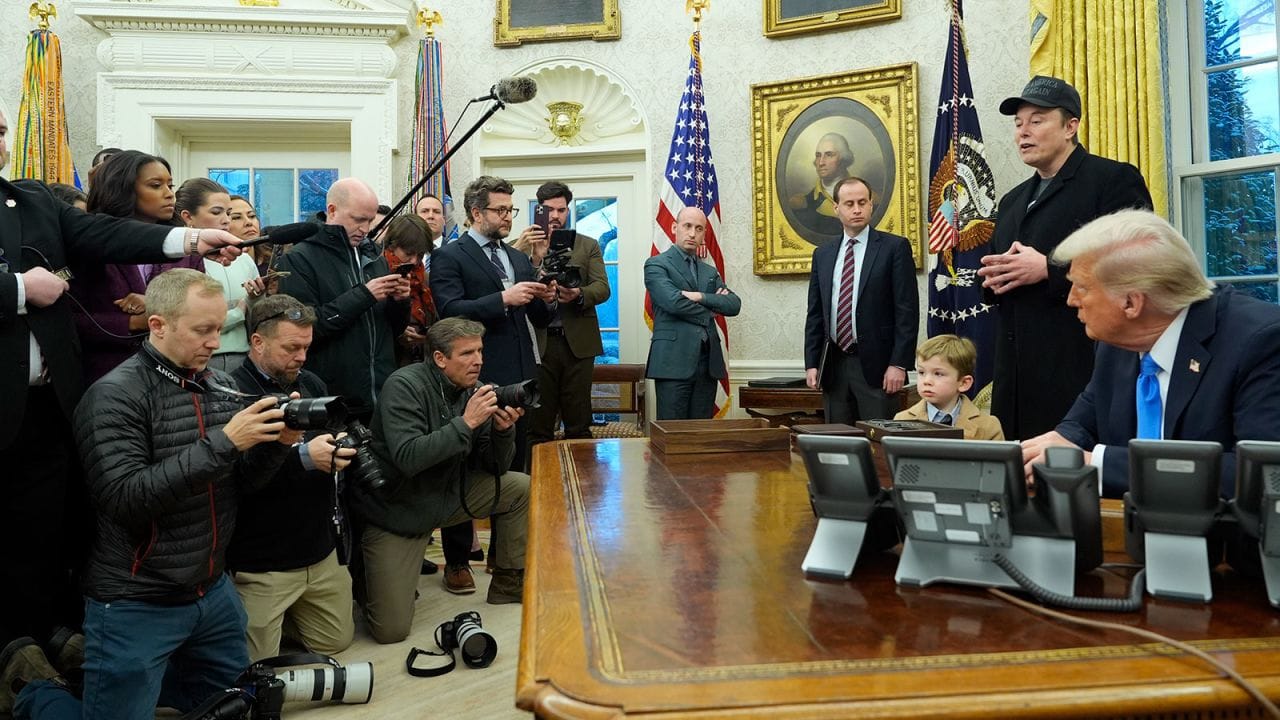
According to The Atlantic, Bessent and Musk engaged in a shouting match that reportedly began near the Oval Office and continued down a West Wing corridor.
During this intense exchange, Bessent was reportedly heard shouting “Fuck you! Fuck you! Fuck you!” after Musk. The confrontation underscored the depth of the disagreements that could arise over key appointments and policy direction. Shapley’s brief tenure at the IRS ultimately ended quickly, with Michael Faulkender later appointed.
While Musk’s tenure was relatively short and marked by significant friction, the period highlights the complex challenge of bringing disruptive private sector approaches into the intricate world of government bureaucracy.