Trump declares national emergency to send migrants to Guantanamo Bay, challenges 14th Amendment

President Trump has wasted no time implementing his promised immigration crackdown, invoking a 226-year-old law that has only been used three times in American history.
A Swift Return to Hardline Immigration Policies
Just over 100 days into his second term, President Donald Trump has moved aggressively to fulfill his campaign promises on immigration enforcement.
The administration has declared a national emergency at the southern border, significantly expanding military presence and deportation operations.
Critics have raised legal challenges, while supporters praise the president for addressing what they describe as a crisis situation that previous administrations failed to resolve.

Resurrecting Centuries-Old Legal Authority
The cornerstone of Trump’s immigration strategy involves the resurrection of the Alien Enemies Act of 1798 – a law passed when the nation was barely two decades old.
This law grants the president extraordinary powers during wartime or threatened invasion to detain or remove non-citizens deemed threats to national security.
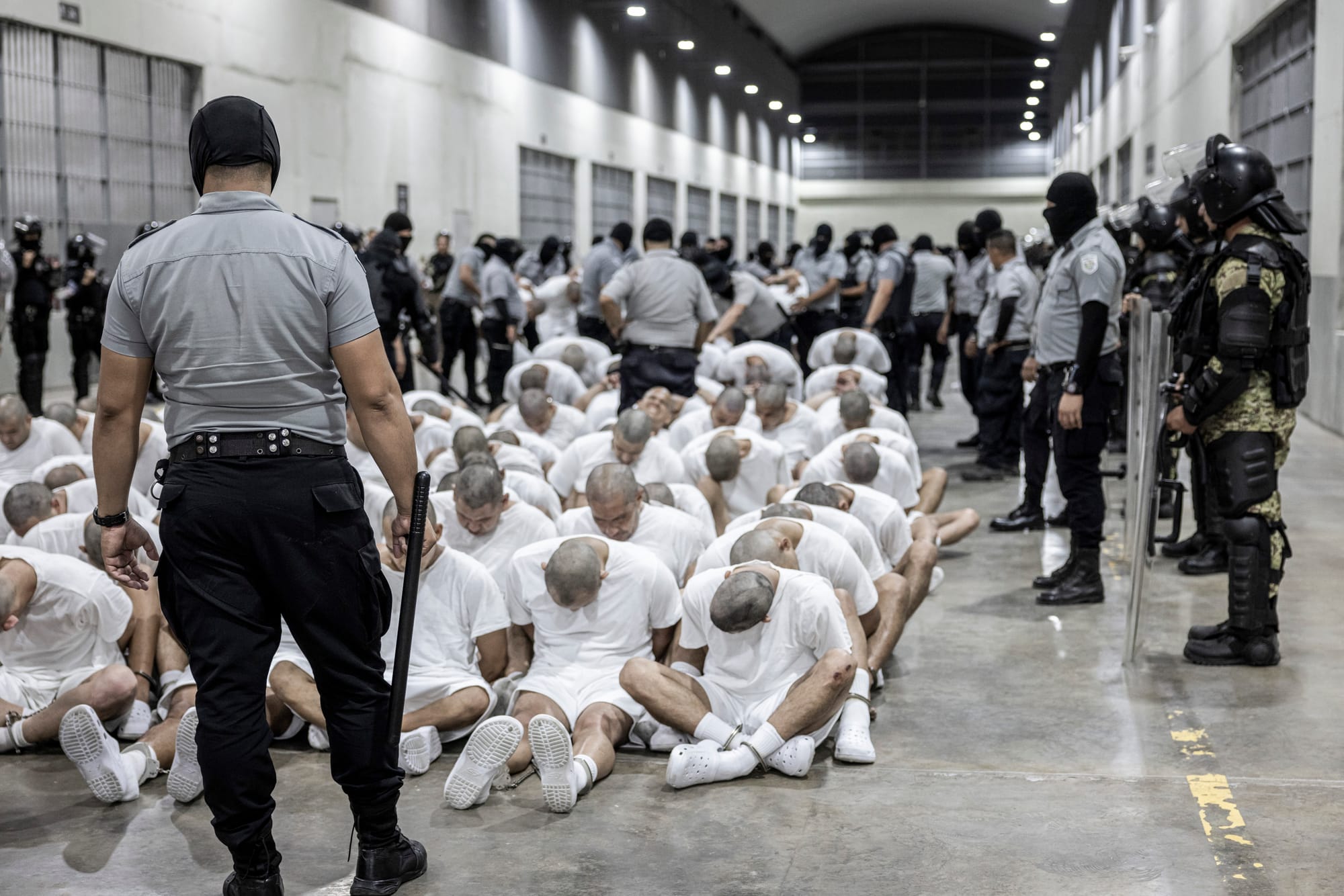
The administration has specifically targeted Venezuelan migrants under this authority, with some being sent to a prison facility in El Salvador under a special agreement with that country’s government.
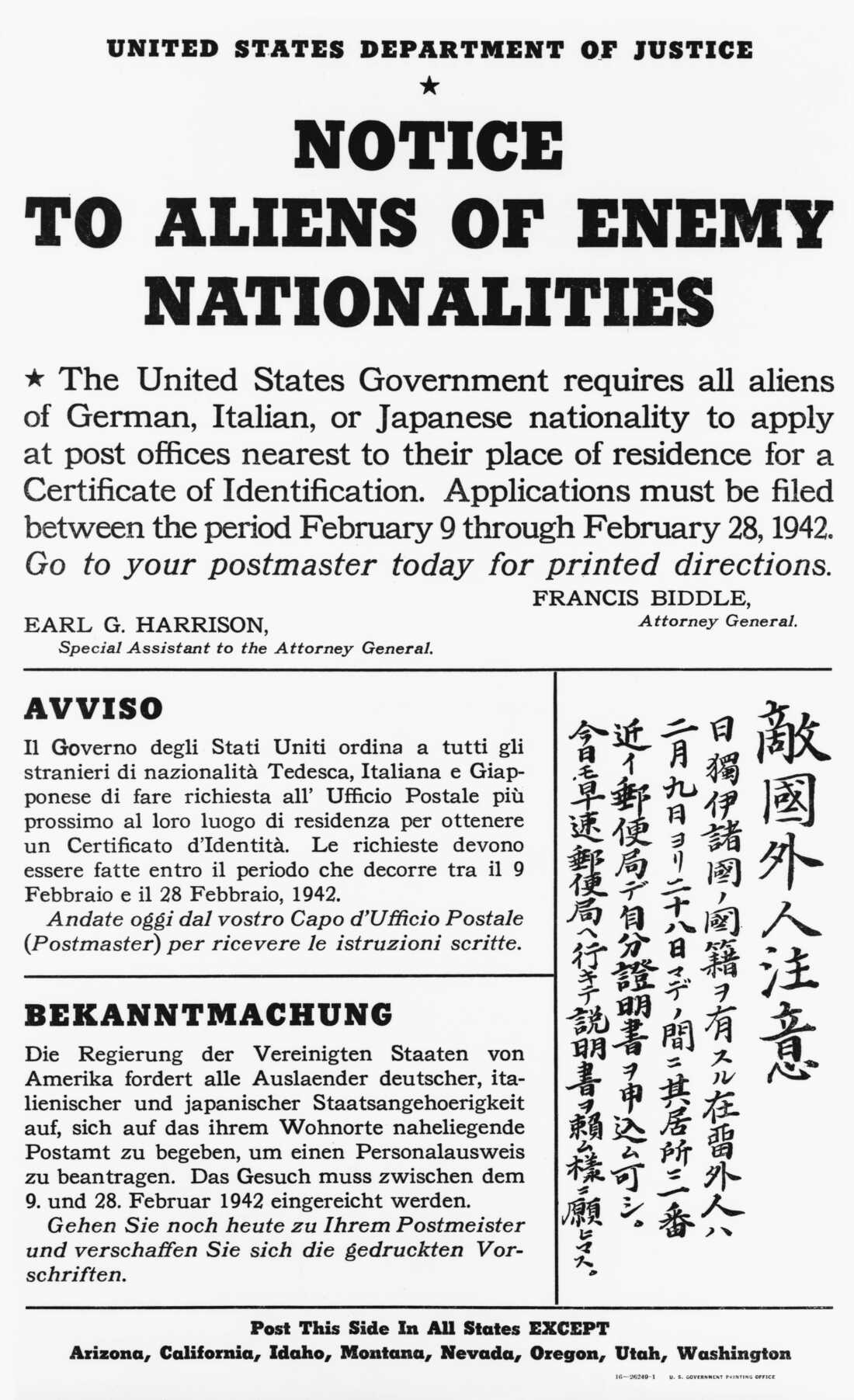
Legal experts note the unprecedented nature of using this particular law outside of a declared war.
“The Alien Enemies Act has only been invoked three times in American history – during World War I, World War II, and briefly during the War of 1812,” explains Julia Gelatt, associate director of the US Immigration Policy Program at the Migration Policy Institute.
The Guantanamo Bay Connection
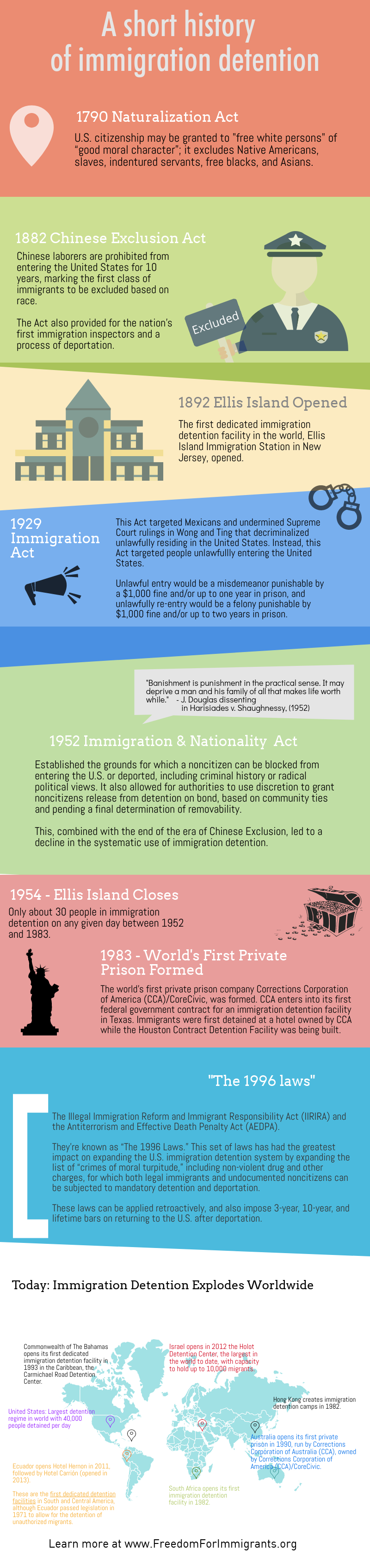
One of the most controversial aspects of Trump’s immigration strategy involves the use of detention facilities at Guantanamo Bay, Cuba.
The naval base, known primarily for housing terrorism suspects after 9/11, is being repurposed to hold migrants during processing and potential deportation.
Administration officials have defended the move as necessary given the volume of detentions planned under the expanded enforcement operations.
The Department of Homeland Security has begun retrofitting existing facilities and constructing additional temporary housing at the base.
Transportation Command is now providing military airlift support for these operations, with C-17 Globemaster aircraft being used to transport detainees.
Constitutional Showdown Brewing
Perhaps the most far-reaching aspect of Trump’s immigration agenda is the direct challenge to birthright citizenship guaranteed by the 14th Amendment.
The administration has initiated the process to potentially end automatic citizenship for children born on US soil to non-citizen parents – a right established since 1868.
This move represents one of the most significant constitutional challenges in modern American history.
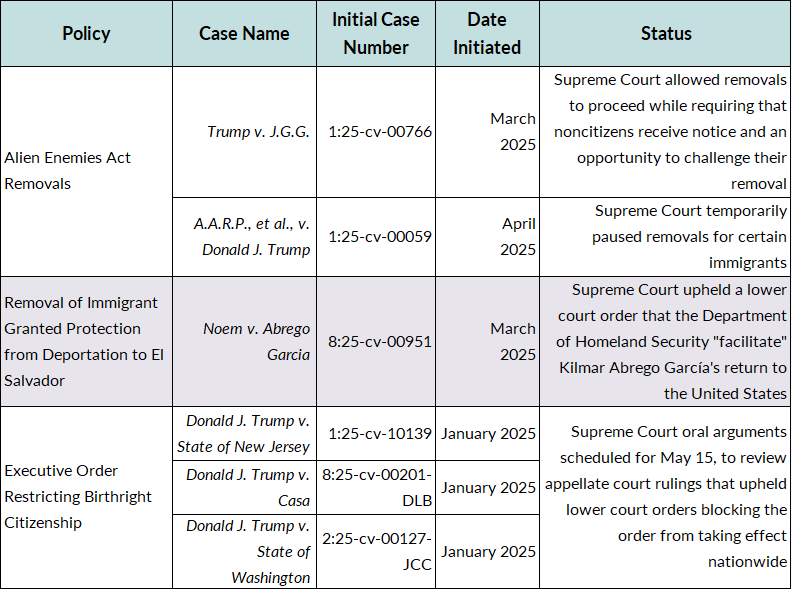
The Supreme Court has already intervened in one aspect of Trump’s immigration enforcement, temporarily halting the deportations to El Salvador while legal challenges proceed.
Constitutional scholars remain divided on whether executive action alone can alter the interpretation of the 14th Amendment, with most suggesting any change would require a constitutional amendment.
The administration contends that the original intent of the amendment was never to provide citizenship to children of those in the country illegally.
What’s now becoming clear is that Trump is implementing exactly what he promised during his campaign – a comprehensive restructuring of American immigration enforcement using every available legal tool, including some that haven’t been utilized in centuries.
With multiple legal challenges already filed and more certain to come, the ultimate fate of these policies will likely be decided by the Supreme Court in what could become landmark rulings on executive power and constitutional interpretation.