Trump cuts HIV vaccine research after Duke scientist says they finally saw light at the end of the tunnel
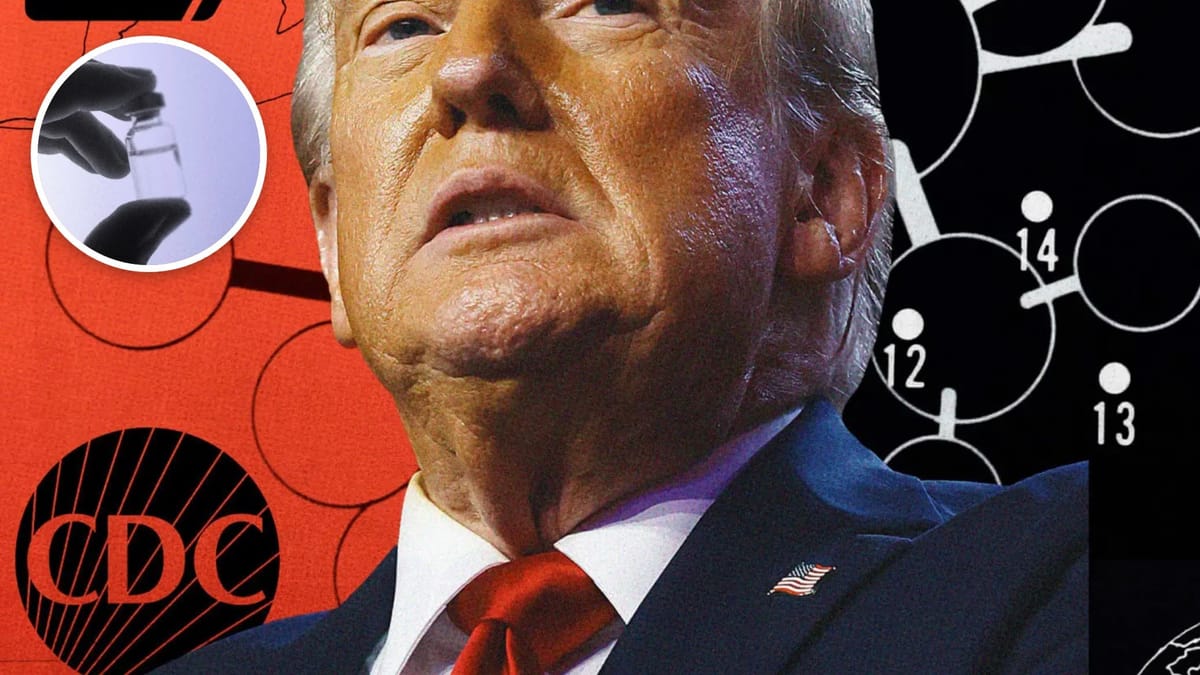
Just as scientists were celebrating breakthrough progress in HIV vaccine research, the Trump administration pulled the plug on funding.
The timing couldn’t have been worse for researchers who believed they were finally close to a major medical victory.
A Sudden End to Decades of Work
On Friday, researchers across the country received devastating news from National Institutes of Health officials.
The Department of Health and Human Services had decided to “go with currently available approaches to eliminate HIV” instead of continuing vaccine research funding.
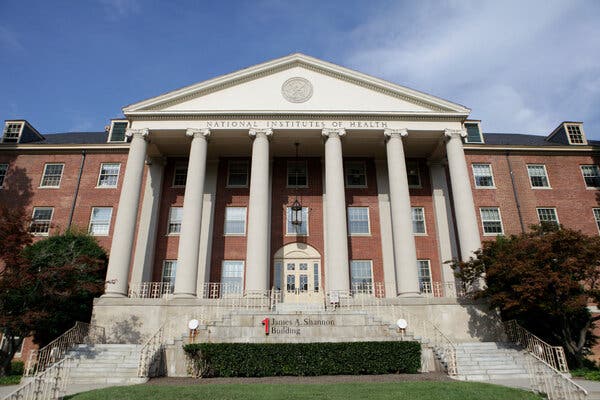
Two major HIV vaccine research programs at Duke Human Vaccine Institute and Scripps Research Institute, both funded since 2012, will now shut down.
Even pharmaceutical giant Moderna has been forced to pause its clinical trials through the NIH’s HIV Vaccine Trials Network.
The Administration’s Rationale
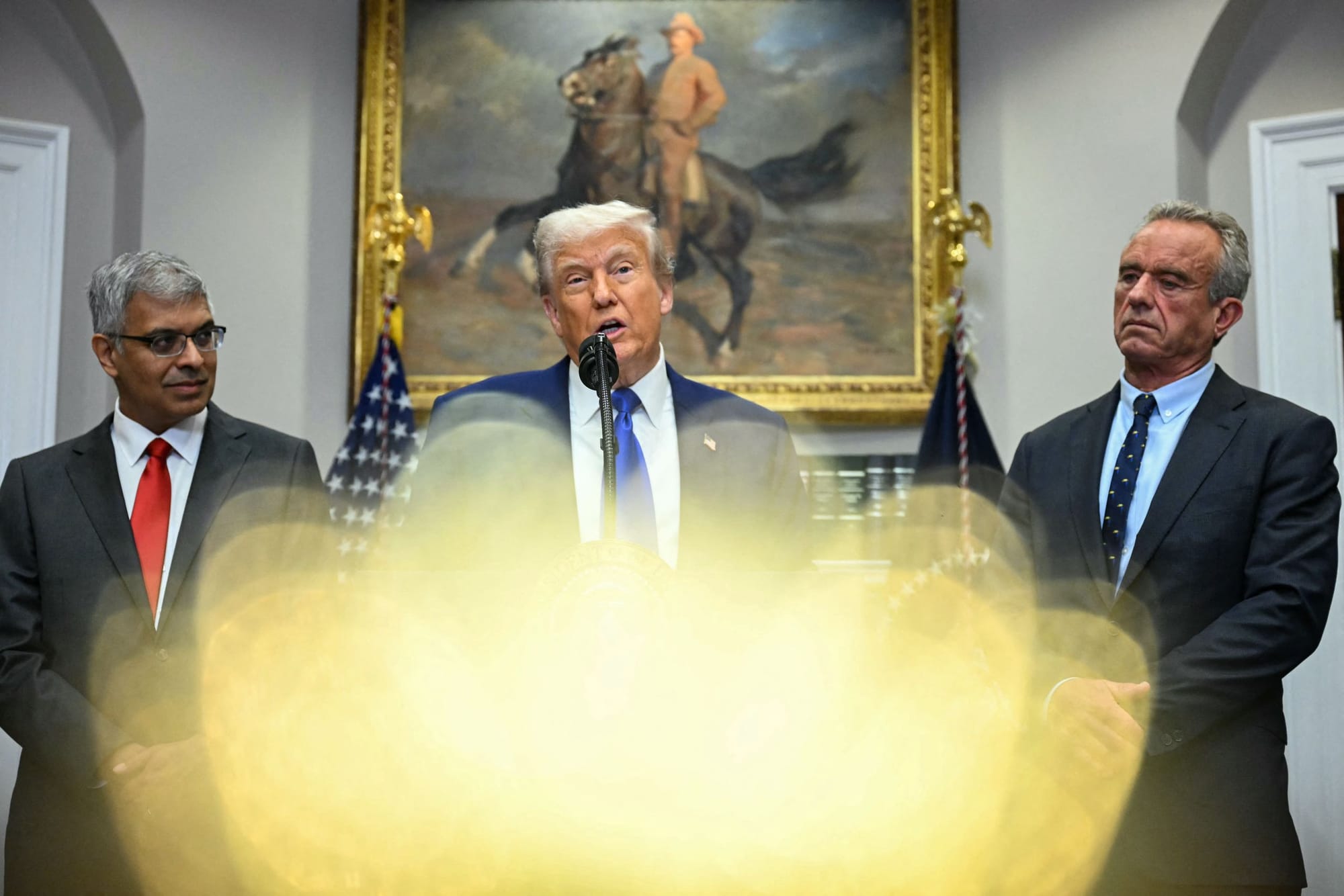
HHS spokesperson Emily Hilliard defended the cuts by pointing to what she called “complex and duplicative health programs.”
“27 separate programs that address HIV/AIDS” had spent $7.5 billion, according to the administration.
The administration argues it wants to “maximize the impact of every federal taxpayer dollar” while ensuring proper oversight.

Hilliard claims “critical HIV/AIDS programs will continue” under Robert F. Kennedy Jr.’s proposed Administration for a Healthy America.
A Promising Alternative on the Horizon
The cuts come just weeks before a potentially game-changing development in HIV prevention.
The FDA faces a June 19 deadline to approve lenacapavir, a twice-yearly injectable drug that could revolutionize HIV prevention.
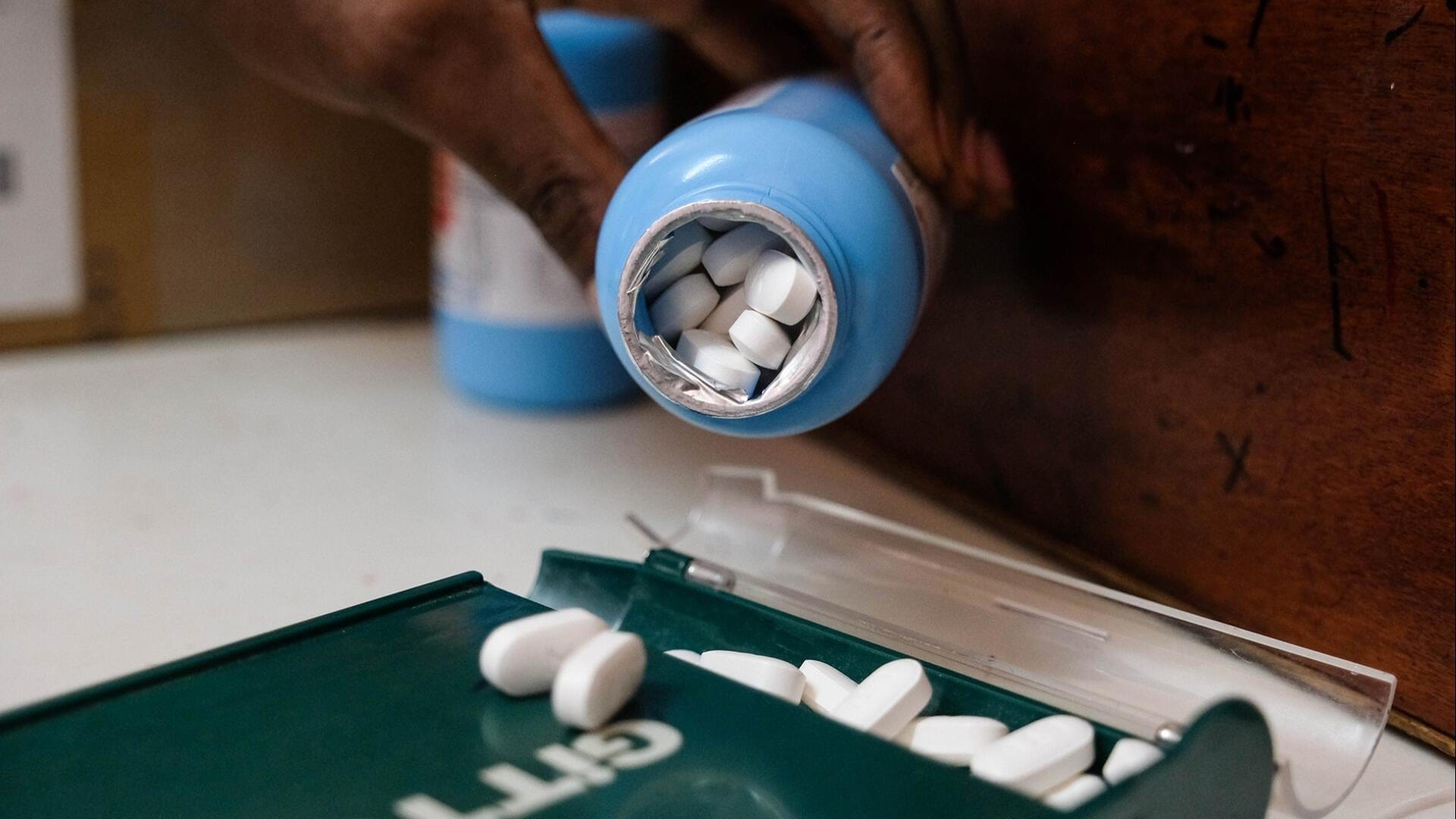
Clinical studies showed the drug was 100% effective in preventing HIV transmission.
Gilead Sciences is bringing this breakthrough medication to market, building on earlier NIH-backed research.
The Scientific Community Pushes Back
Researchers aren’t buying the administration’s argument that current approaches are sufficient.
An NIH official, speaking anonymously, strongly disagreed with the decision.
“The only way of ending the HIV epidemic in the U.S. and AIDS pandemic worldwide” is with a vaccine, they insisted.
Dr. Barton Ford Haynes from Duke’s Human Vaccine Institute explained the unique challenges HIV presents.
“HIV has established roadblocks to us fighting it off, which are unparalleled in vaccinology. This virus mutates so quickly.”
What Scientists Were Actually Saying
Here’s what makes this decision particularly striking for the scientific community.
Dennis Burton, an immunology professor at Scripps Research, had been cautiously optimistic about recent progress.

“For HIV vaccine design and development, we’ve begun to see light at the end of the tunnel after many years of research. This is a terrible time to cut it off.”
Burton warned that the damage extends far beyond just pausing research.
The specialized teams of researchers will be forced to pivot their careers to other fields, and ongoing experiments will be permanently lost.
“This is a decision with consequences that will linger. This is a setback of probably a decade for HIV vaccine research.”
The Bigger Picture
While lenacapavir represents genuine hope for HIV prevention, scientists argue it’s not a complete solution.
The drug requires injections every six months, which presents logistical challenges, especially given simultaneous cuts to CDC domestic HIV programs and foreign aid.
The administration’s decision reflects a broader shift toward existing treatment and prevention methods rather than pursuing the long-term goal of vaccination-based immunity.