Trump Appointee Vows ‘180 Degree Turn’ at DOJ Civil Rights, Sparks Exodus
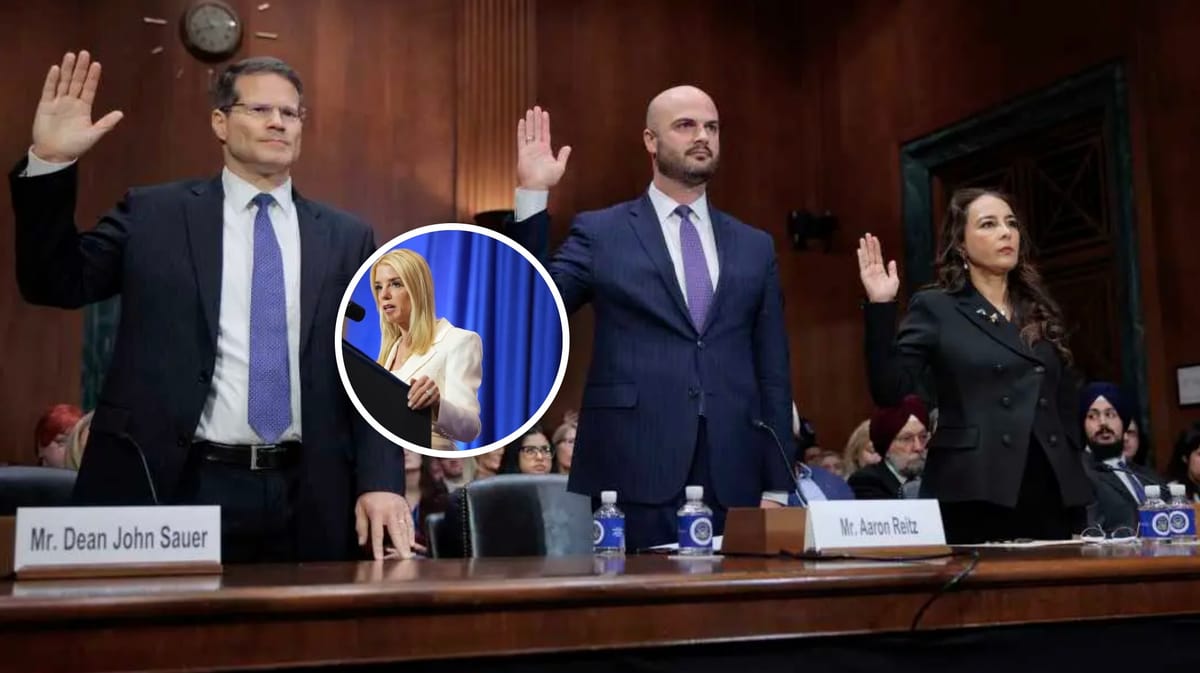
Major waves are rocking a key division within the U.S. Justice Department.
A dramatic shift in focus is underway, prompting significant changes in personnel.
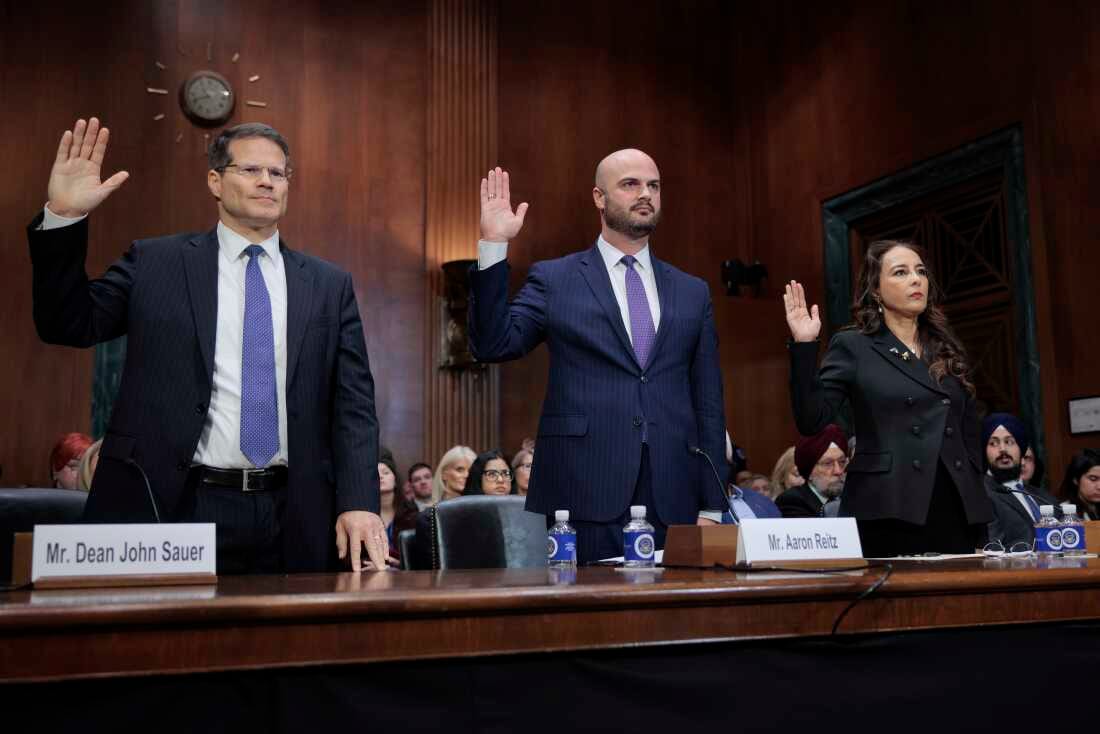
A Historic Division Takes a New Path
The Justice Department’s Civil Rights Division has a long history, tracing its roots back to the civil rights movement of the 1950s.
Its traditional mission has been to enforce federal laws prohibiting discrimination and protecting constitutional rights across various areas like voting, housing, and education.
Over decades, priorities within the division have often shifted between administrations, reflecting different enforcement philosophies.
However, observers note the current changes represent something far more substantial than typical recalibration.
Leadership Change Signals New Direction
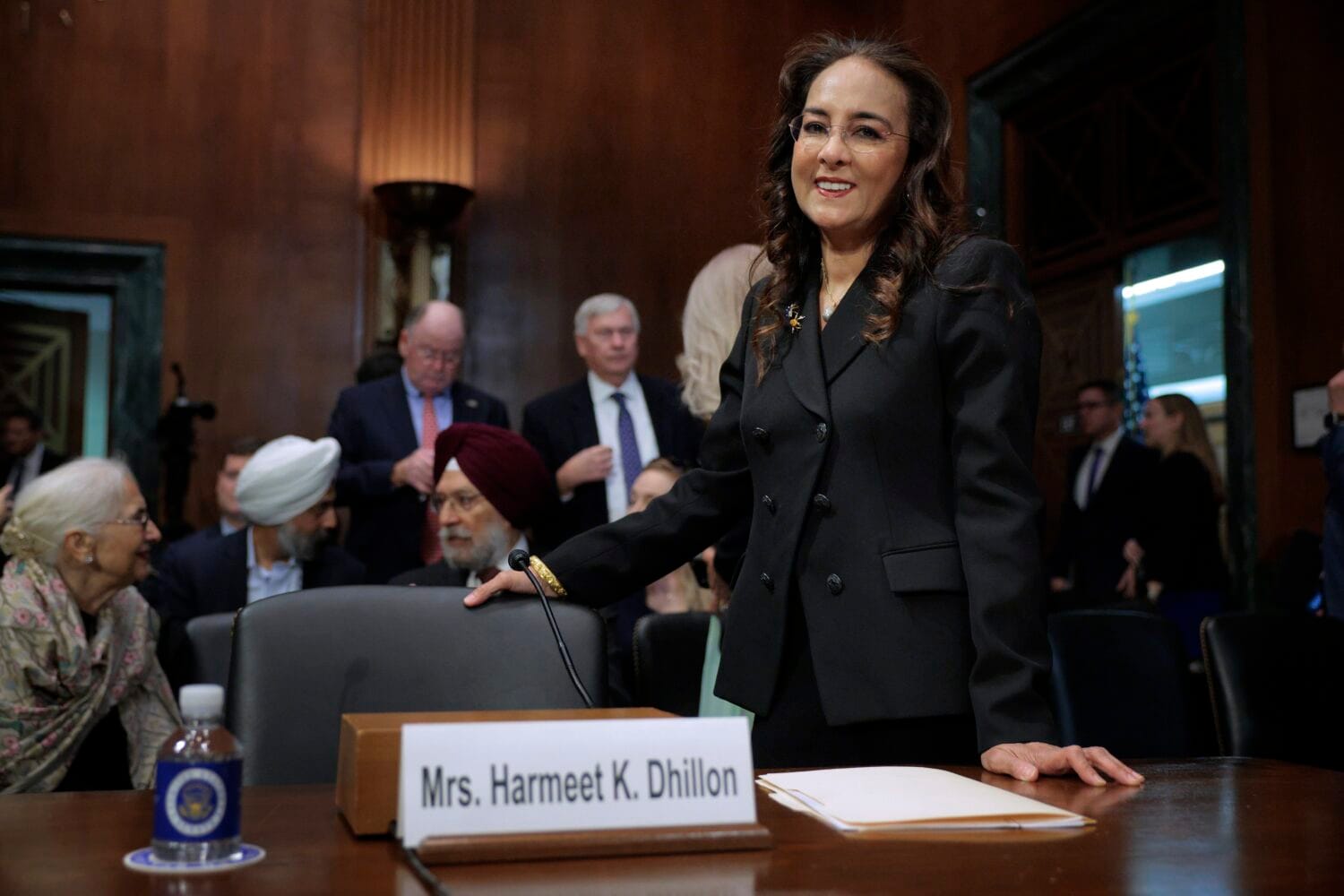
The transformation is being spearheaded by the division’s new head, Harmeet Dhillon.
Appointed by President Trump and confirmed by the Senate, Dhillon has spoken openly about her vision for the division.
Speaking at a recent event, Dhillon described her approach as moving beyond merely slowing down previous priorities.
“There really hasn’t been a focus on turning the train around and driving it in the opposite direction. And that’s my vision of the DOJ civil rights [division],” she stated.
She emphasized a commitment to aligning the division’s work with the executive branch’s goals and ensuring civil rights laws benefit all Americans, rather than a select few.
New Priorities Take Center Stage
Under the new leadership, the division is pivoting to focus on specific areas aligned with the Trump administration’s policy agenda.
This includes enforcing presidential executive orders targeting what the administration identifies as pressing civil rights issues.
Key areas of focus now include protecting children from certain medical interventions, defending women’s sports, and combating religious bias, particularly antisemitism and alleged anti-Christian sentiment.
New mission statements have been issued for the division’s sections to reflect these priorities, directing resources accordingly.
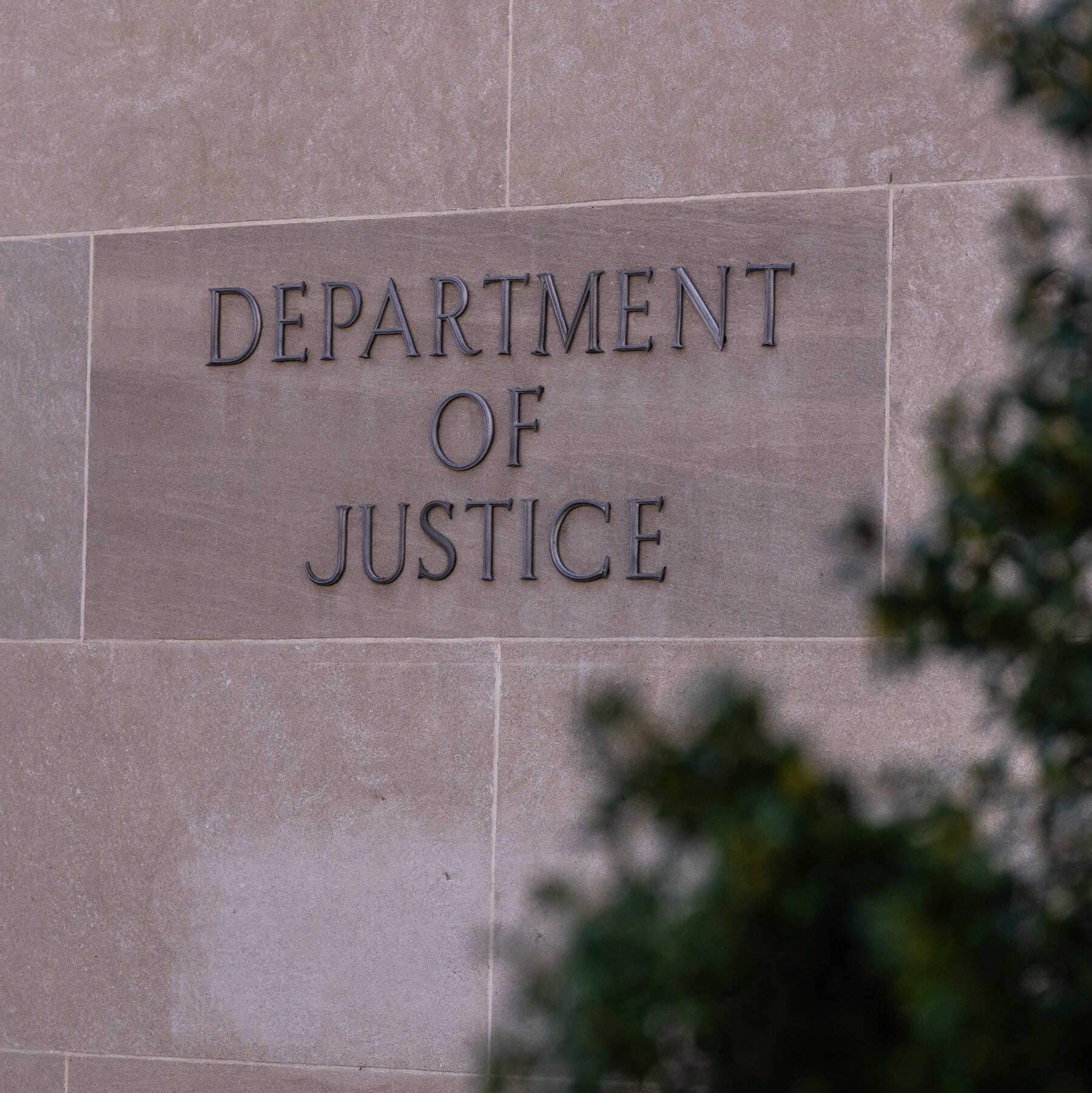
This shift has already led to changes in ongoing work, with the department dropping or withdrawing from numerous cases that don’t align with the new direction.
Responding to the Change
Significant organizational change can often lead to personnel shifts as individuals assess their fit with the new direction.
The implementation of these new priorities at the Civil Rights Division has coincided with a notable number of attorneys choosing to leave their positions.
Some departures have occurred through standard resignations, while others have utilized options like a deferred resignation program or early retirement.

Recent weeks have seen further departures as leadership implemented reassignments and formed task forces focused on the administration’s specific priority areas.
This period of transition reflects the significant adjustment underway as the division realigns its focus.
The Scope of Departures
According to figures shared by current and former officials, the scale of attorneys leaving the division since the start of the Trump administration through the end of May is substantial.
Approximately 250 attorneys have departed or are planning to leave within this timeframe.

This number represents around 70% of the division’s total legal staff.
Division head Harmeet Dhillon acknowledged the departures, stating, “We wish them well in their future endeavors and their passions. They need to pursue them elsewhere. That’s not going to be happening at the DOJ.”
The reshaping reflects a clear mandate from the administration to direct the division’s resources towards enforcing civil rights in line with its specific agenda and executive orders.
This period marks a definitive new chapter for the storied Justice Department division.