Trump announces Monday call with Putin after Russian leader refuses 30-day ceasefire request from NATO allies
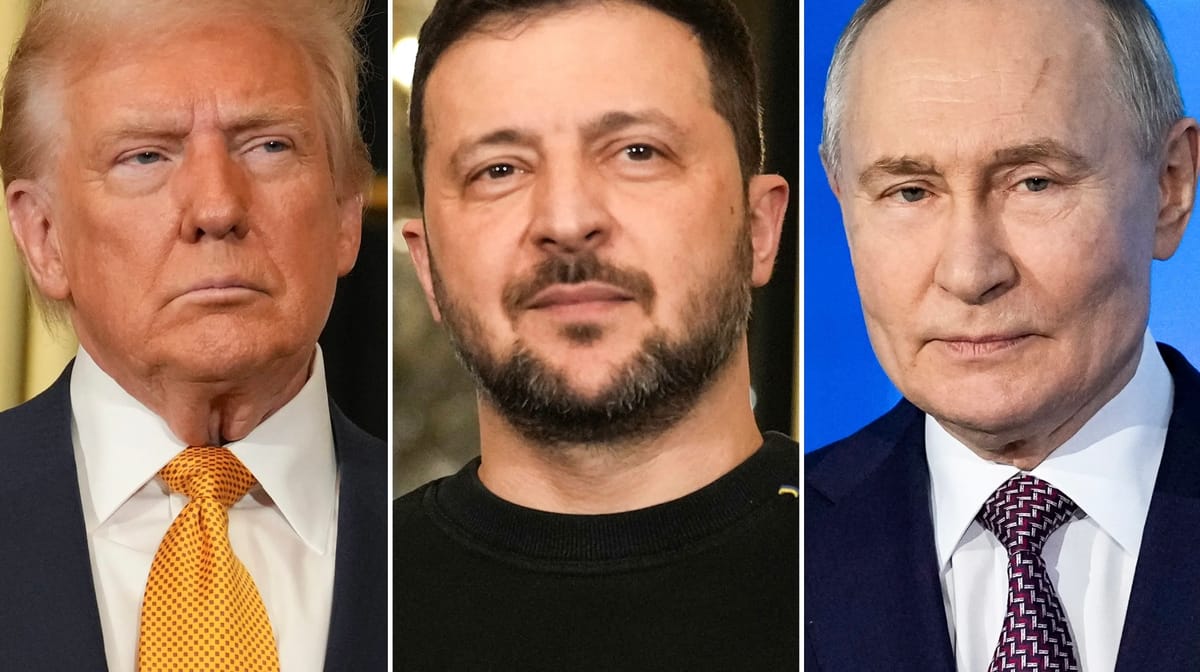
President Trump is taking matters into his own hands after diplomatic efforts stalled in the Ukraine conflict.
Diplomatic Breakthrough on the Horizon
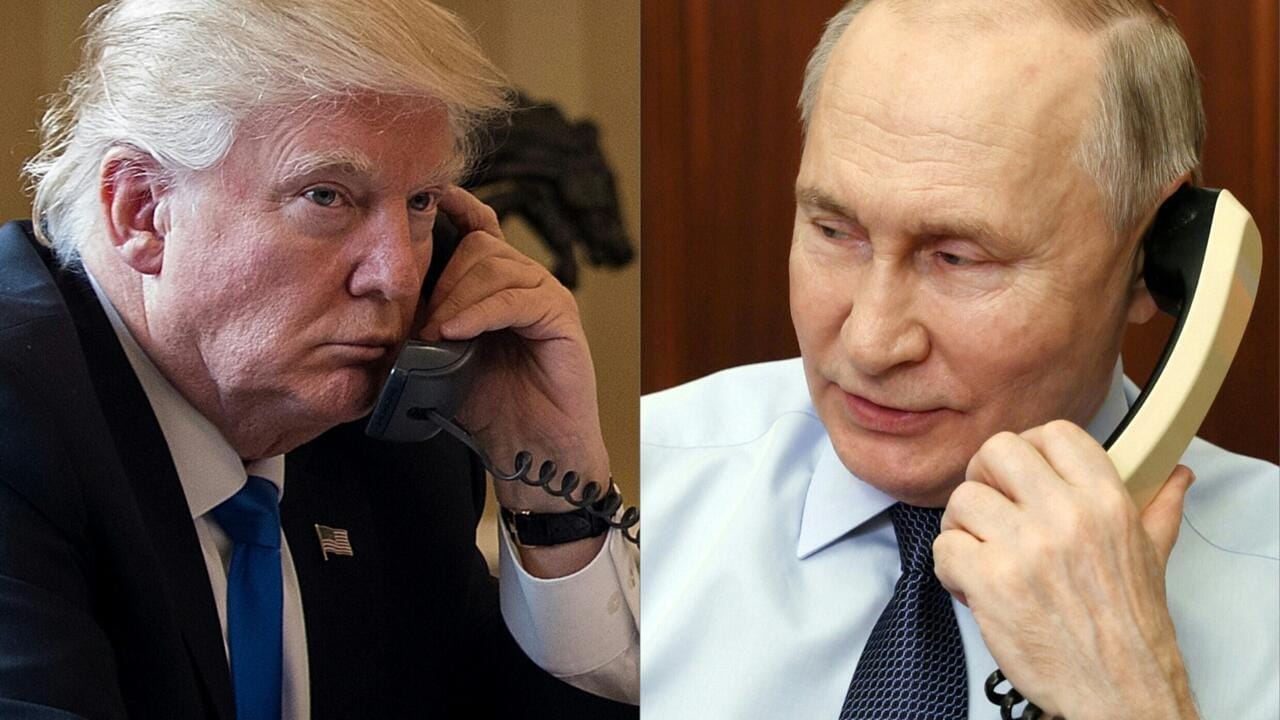
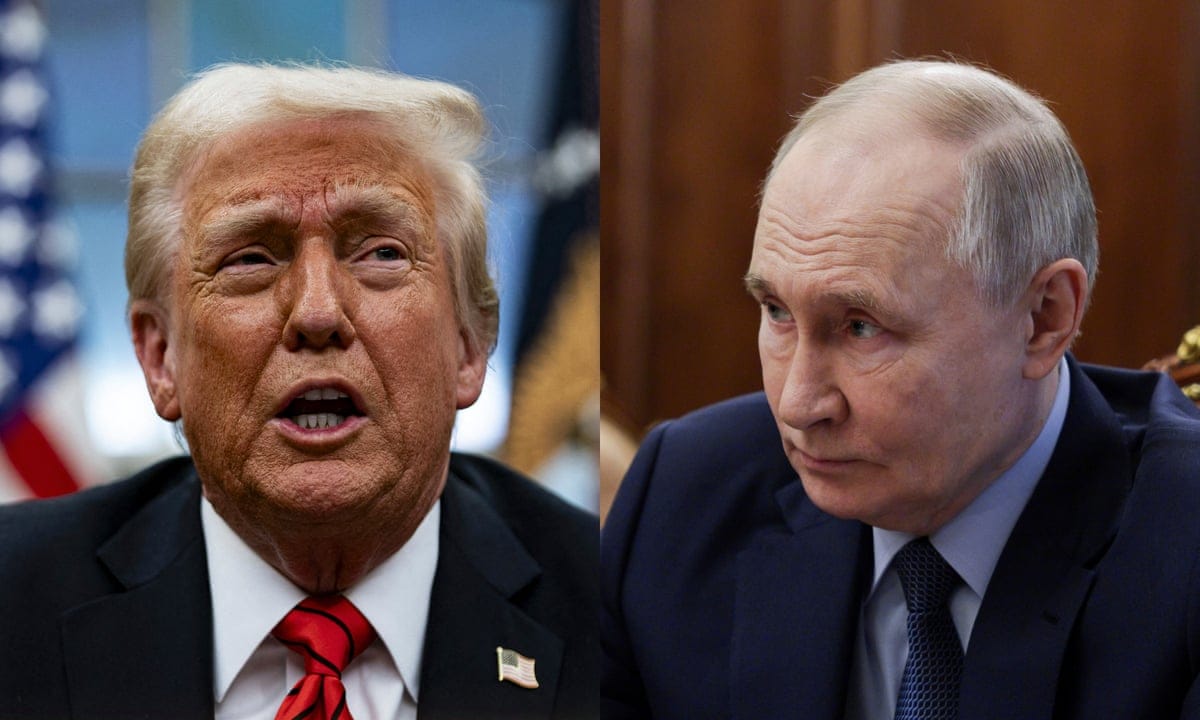
Former President Donald Trump announced Saturday that he will speak directly with Russian President Vladimir Putin on Monday, potentially marking a significant turning point in efforts to end the devastating Ukraine war.
The high-stakes call comes at a critical moment as the conflict continues to claim thousands of lives weekly.
Trump made the announcement via Truth Social, emphasizing the urgency of the situation in his characteristic all-caps style:
“THE SUBJECTS OF THE CALL WILL BE, STOPPING THE ‘BLOODBATH’ THAT IS KILLING, ON AVERAGE, MORE THAN 5000 RUSSIAN AND UKRAINIAN SOLDIERS A WEEK, AND TRADE.”
Kremlin spokesperson Dmitry Peskov confirmed to Russian state news agency TASS that preparations for the call are underway, though he provided no further details.
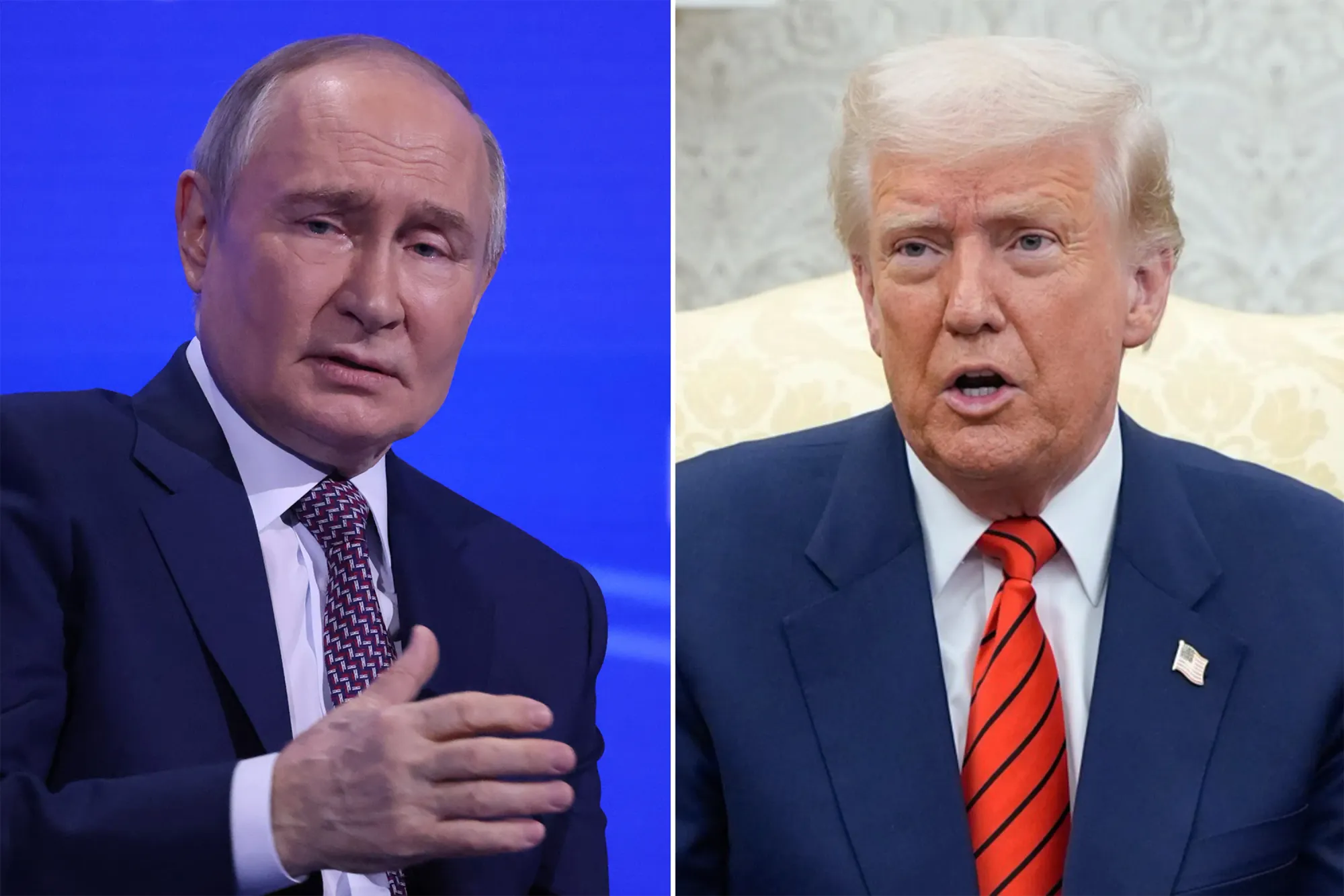
Trump’s Direct Approach After Failed Negotiations
The announcement follows the first face-to-face talks between Ukrainian and Russian representatives in three years, which took place in Turkey on Friday.
While these talks resulted in an agreement to exchange 1,000 prisoners, they fell short of producing a ceasefire or peace agreement.
Trump has consistently maintained that meaningful progress would require his personal involvement.
“I don’t believe anything is going to happen, whether you like it or not, until he and I get together,” Trump told reporters earlier this week.
The former president has positioned himself as uniquely capable of brokering peace between the warring nations, leveraging his relationship with Putin.
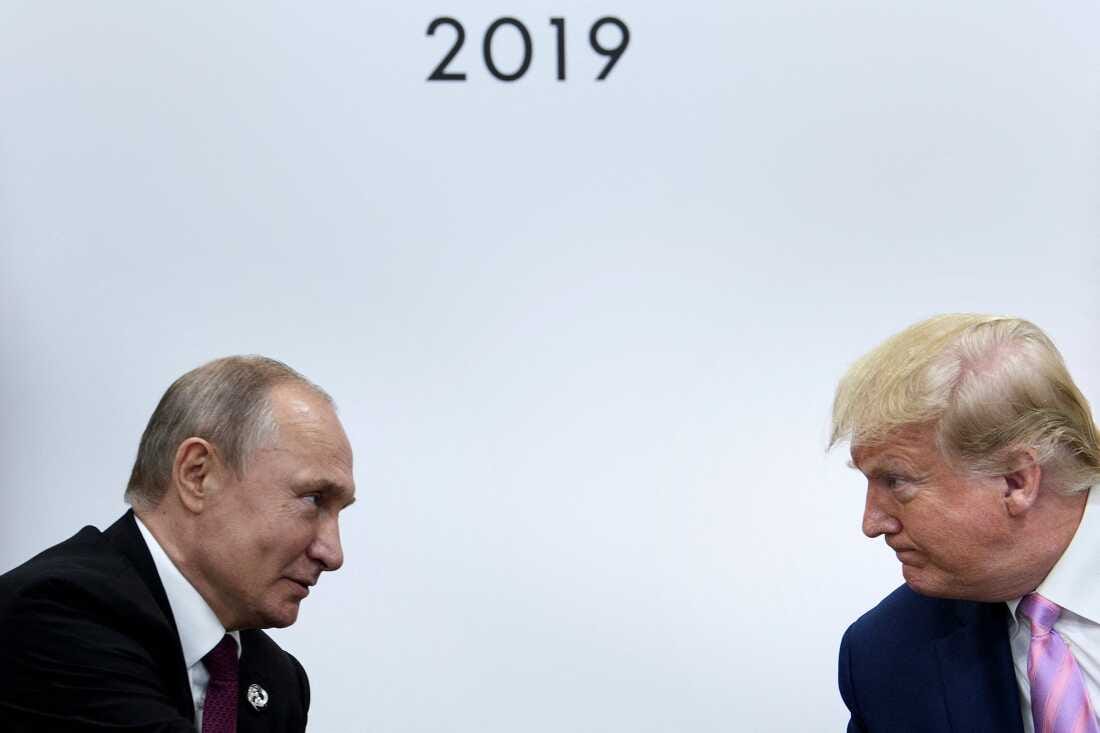
Diplomatic Chess Moves
Secretary of State Marco Rubio spoke with Russian Foreign Minister Sergey Lavrov on Saturday, emphasizing America’s commitment to ending the conflict.
Following the call, Rubio posted on X: “The U.S. has presented a strong peace plan and we welcome the Prisoner of War exchange agreement reached in Istanbul. Let’s not miss this huge opportunity. The time for ending this war is now.”
Trump has indicated he plans to speak with Ukrainian President Volodymyr Zelensky and various NATO members after his conversation with Putin.
This strategic sequencing suggests Trump is positioning the United States as the central mediator in resolving the conflict.
Putin’s Resistance to NATO Proposals
The upcoming call comes after Putin rejected pressure from Ukraine, European allies, and the United States to accept a 30-day ceasefire.
Instead of agreeing to the temporary cessation of hostilities, Putin called for direct talks in Turkey between the nations.
Trump had urged Zelensky to accept these talks, though the Ukrainian president initially said he would only attend if Putin personally appeared.
When Putin sent what Zelensky described as a “low level” delegation instead of attending himself, many observers viewed it as a diplomatic rebuff.
The Path to Peace
Trump expressed optimism about Monday’s call in his Truth Social post:
“HOPEFULLY IT WILL BE A PRODUCTIVE DAY, A CEASEFIRE WILL TAKE PLACE, AND THIS VERY VIOLENT WAR, A WAR THAT SHOULD HAVE NEVER HAPPENED, WILL END.”
In a Fox News interview Friday, Trump offered insights into Putin’s possible mindset, suggesting the Russian leader is “tired of this whole thing.”
“He’s not looking good, and he wants to look good,” Trump said, adding, “Don’t forget, this was supposed to end in one week.”
This assessment indicates Trump believes Putin may be more receptive to peace negotiations now than at previous points in the conflict.
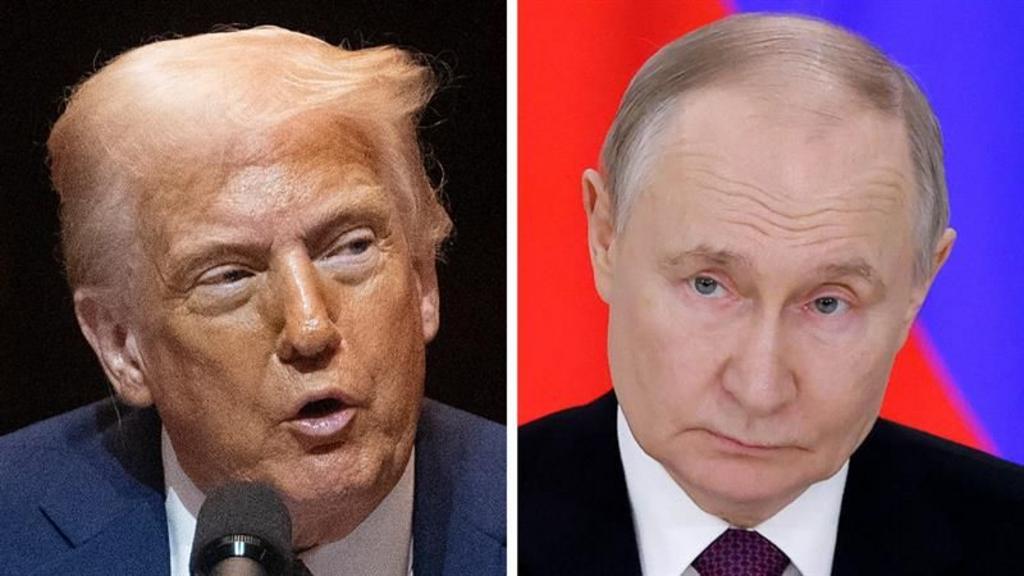
The key revelation about Monday’s call is that it represents Trump’s direct intervention after Putin’s refusal to accept the NATO-proposed ceasefire, signaling the president’s determination to personally broker an end to the conflict rather than delegating the task to subordinates or allowing multilateral negotiations to continue without American leadership at the highest level.
As the world watches this high-stakes diplomatic engagement unfold, the question remains whether Trump’s personal relationship with Putin will prove sufficient to achieve what conventional diplomatic channels have thus far failed to accomplish: bringing an end to a war that has claimed thousands of lives and destabilized global security.