Trump agrees Supreme Court blocking deportations heading down ‘perilous path’
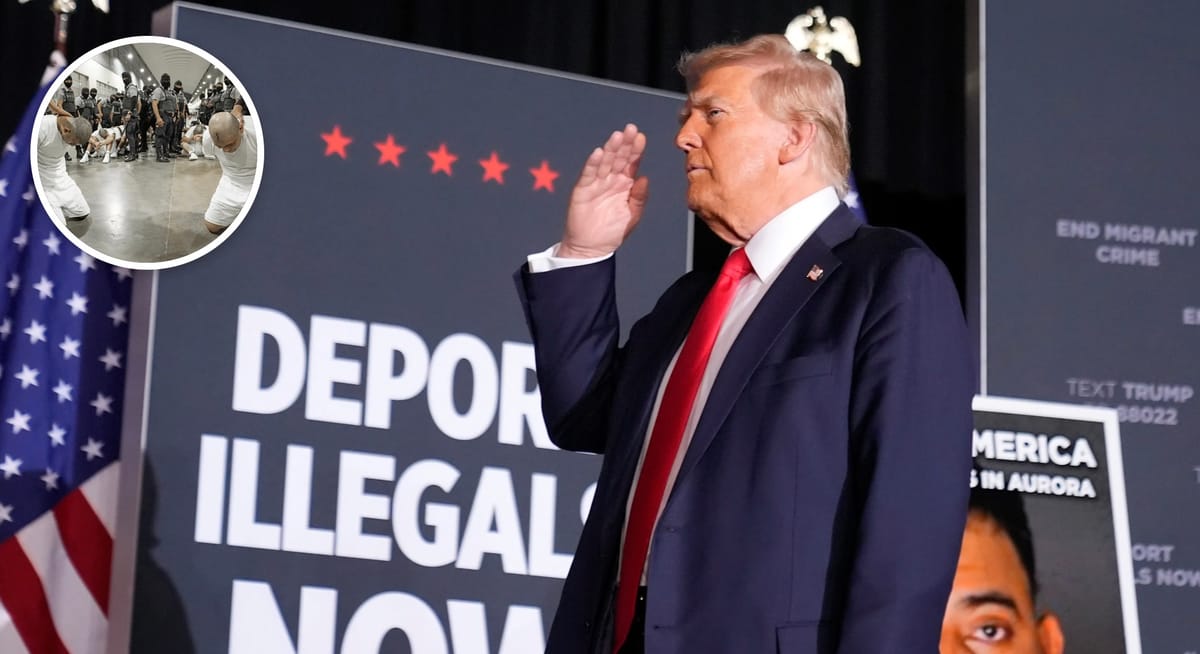
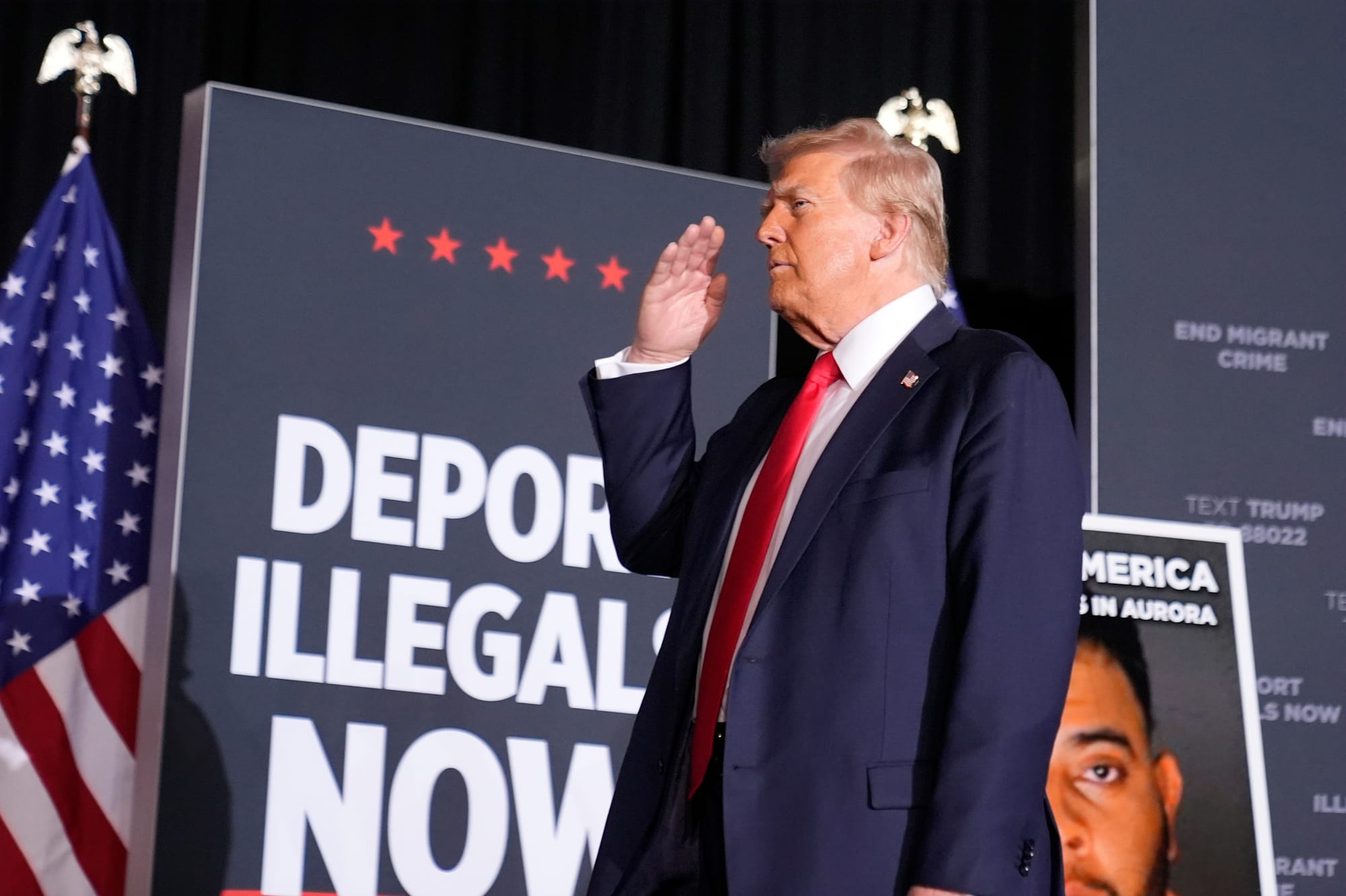
Could the nation’s highest court be standing in the way of crucial executive actions?
A recent move by the Supreme Court has sparked significant debate, particularly from former President Donald Trump.
The court temporarily blocked a specific deportation effort by the Trump administration, leading to strong reactions.
Executive Authority Meets Judicial Review
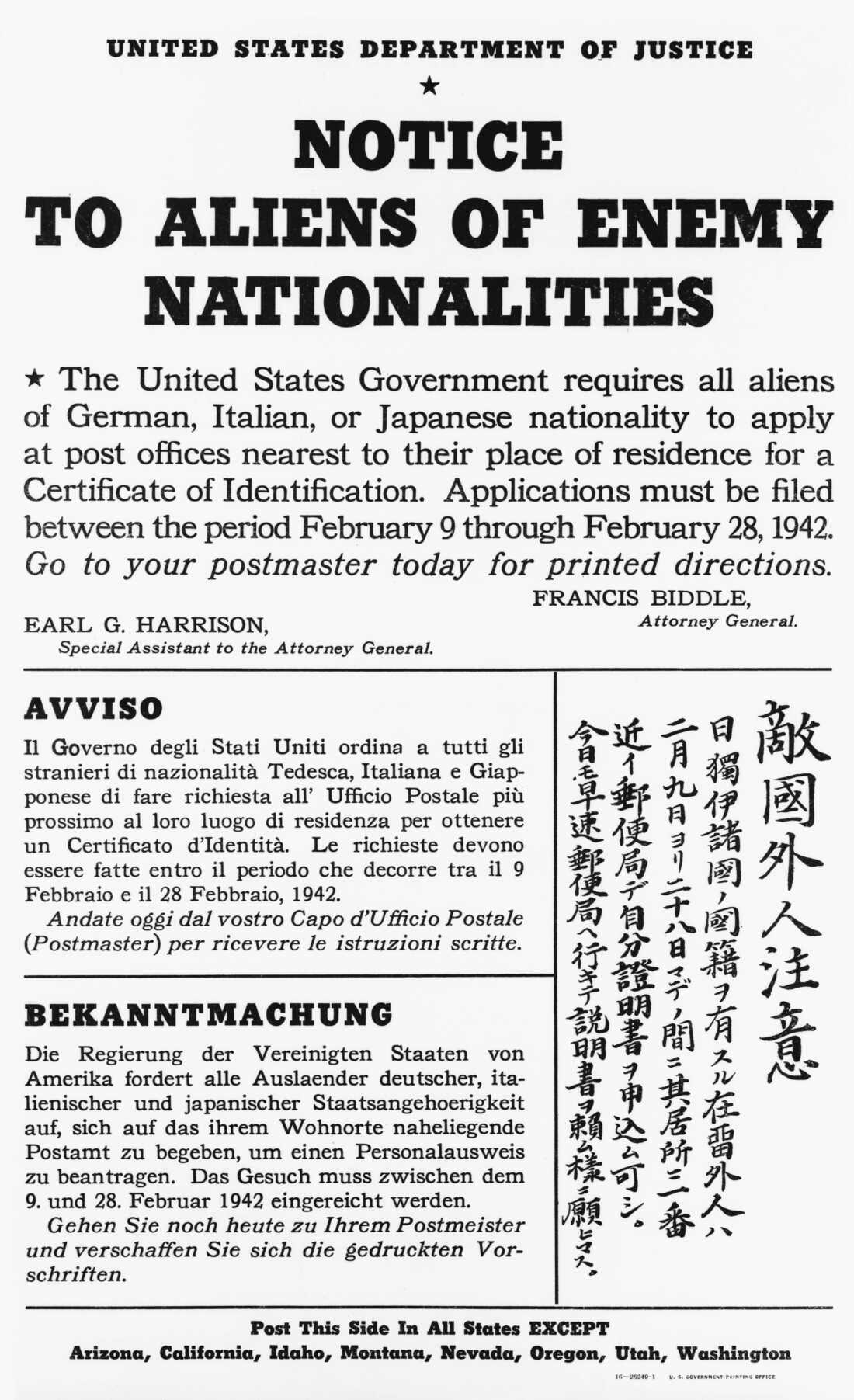
At the heart of the matter is the administration’s attempt to use the Alien Enemies Act of 1798.
This rarely invoked law allows the President to apprehend, restrain, secure, and remove citizens of enemy nations during times of declared war or invasion.
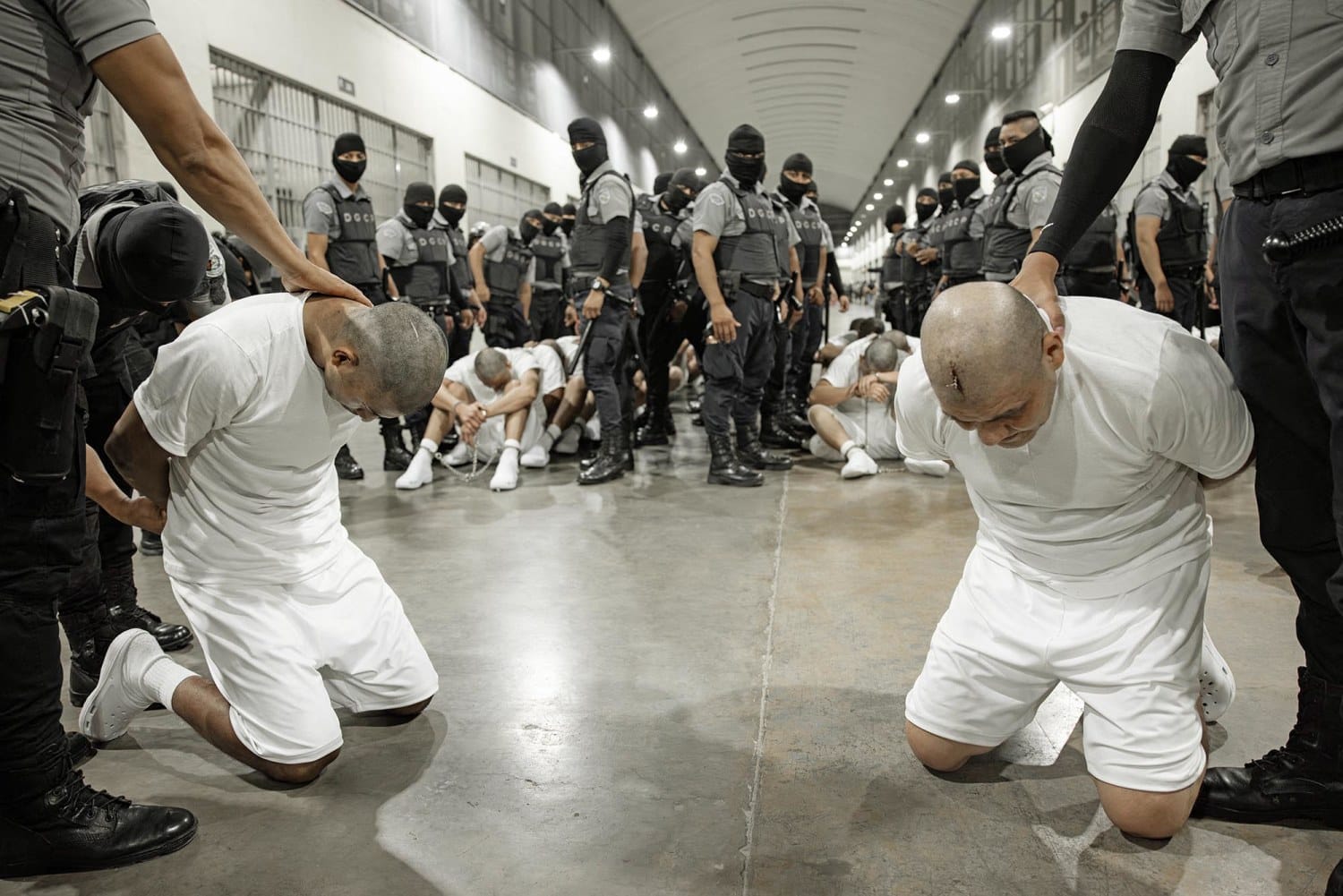
The Trump administration sought to apply this law to deport Venezuelans accused of gang affiliation.
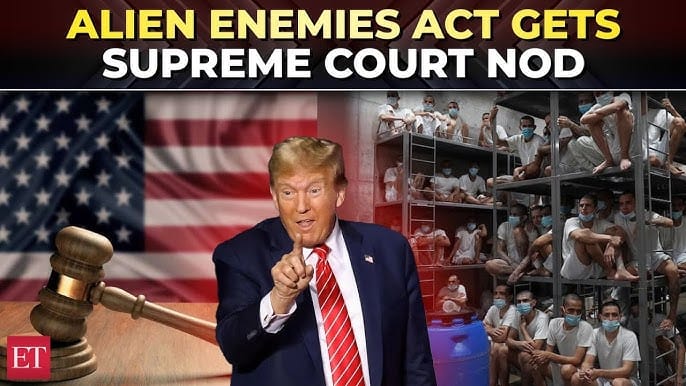
However, the Supreme Court stepped in, temporarily halting these deportations.
The court indicated concerns about the administration’s approach, suggesting it might bypass standard legal procedures and due process rights while litigation continues in lower courts.
This pause on deportations drew a sharp rebuke from President Trump.
He voiced his frustration with the decision, characterizing it as “bad” and “dangerous” in light of the individuals involved.
A Strong Ally’s Viewpoint
Adding fuel to the fire, attorney Mike Davis, a staunch supporter of President Trump and founder of the Article III Project, weighed in forcefully.
Davis took to social media to critique the Supreme Court’s decision.
He argued that the court had issued an “illegal injunction” against the President.
According to Davis, this injunction prevents the President from exercising his commander-in-chief powers to “expel these foreign terrorists.”
“The Supreme Court still has an illegal injunction on the President of the United States, preventing him from commanding military operations to expel these foreign terrorists,” Davis wrote.
He didn’t stop there, suggesting a provocative course of action.
Davis proposed housing these individuals near affluent residential areas, adding a layer of political theater to the legal argument.
He continued, “The President should house these terrorists near the Chevy Chase Country Club, with daytime release.”
Chevy Chase Country Club is situated in Maryland, notably close to the residences of prominent Supreme Court justices.
Historical Law, Modern Challenges
The Alien Enemies Act, enacted during tensions with France in the late 18th century, has rarely been used for widespread deportations in modern times.
Its application in this context highlights the administration’s determination to utilize all available legal tools to address immigration issues it deems critical.

The Supreme Court, as the ultimate arbiter of law, is tasked with balancing executive authority, statutory interpretation, and constitutional rights.
Their decision to pause the deportations underscores the complexity of applying historical laws to current immigration challenges, particularly when due process questions arise.
For the Trump administration and its supporters, the court’s action represents an impediment to decisive action on national security and immigration enforcement.
The President Responds Directly
The full extent of President Trump’s view on the matter became clear through his activity on his Truth Social platform.
In a move that signaled his direct support for the strong criticisms being voiced, President Trump reposted comments made by Mike Davis.
Specifically, Trump shared posts that called the Supreme Court’s temporary block on the deportations “illegal” and suggested the court was venturing down a “perilous path” by interfering with these executive actions.
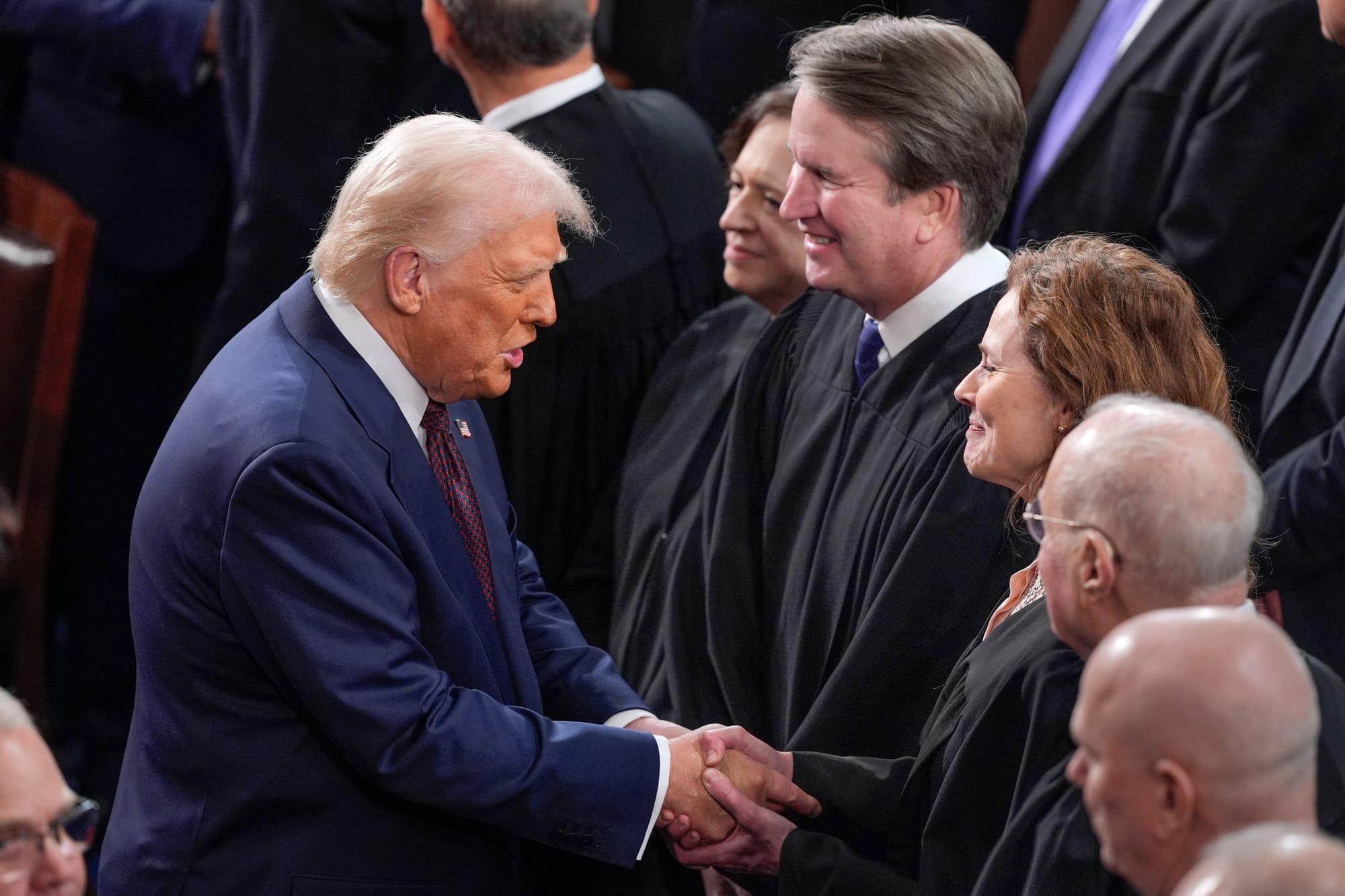
By reposting Davis’s commentary, President Trump effectively endorsed the perspective that the court’s action is not merely a legal disagreement, but an improper and potentially harmful obstruction of presidential power.
He aligned himself with the argument that the court’s ruling preventing the deportation of individuals alleged to be gang members under the Alien Enemies Act is a dangerous overreach.
The act of amplification on social media highlighted the depth of his agreement with the characterization of the court’s decision as an “illegal injunction” hindering necessary executive action.
The debate continues between the executive branch’s push for swift action using historical statutes and the judiciary’s role in ensuring due process.
President Trump’s public stance, echoing the sharp criticism of the court’s temporary block, underscores the ongoing tension.