Trump Administration Blocks Congress Access To Immigration Sites After Democrats Arrested
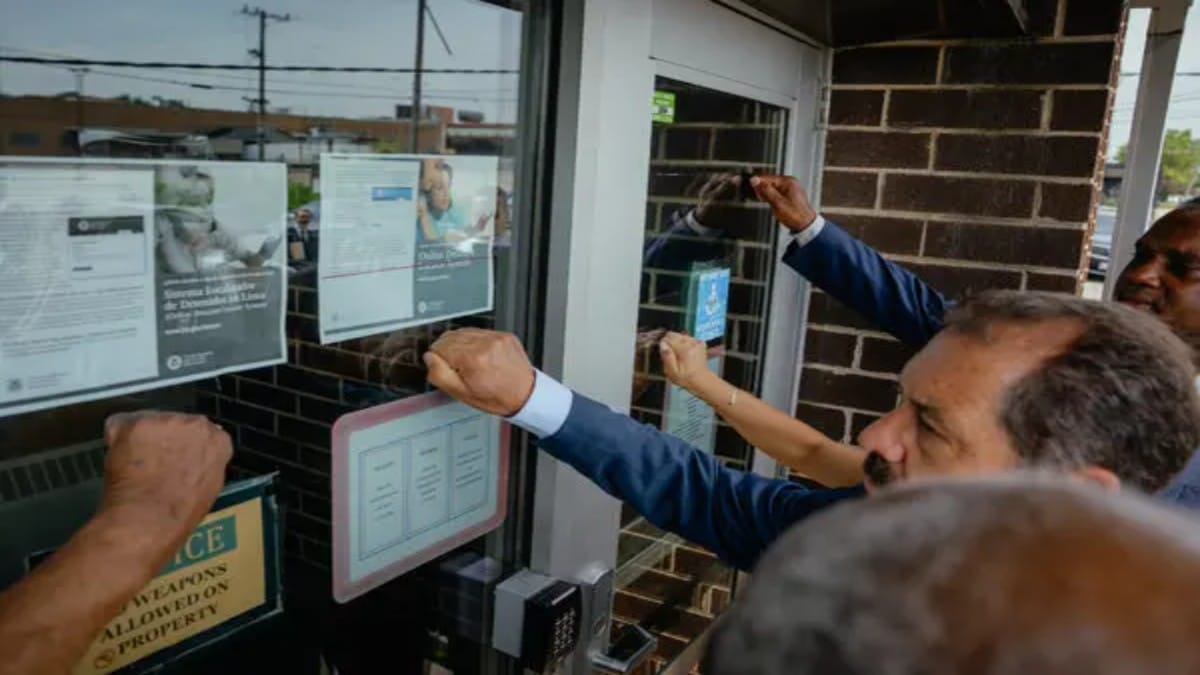
A major shift in how Congress interacts with federal immigration facilities is underway.
New protocols are now governing visits by lawmakers.
Updates Aim to Standardize Oversight
The Department of Homeland Security (DHS) has issued updated guidelines regarding visits by members of Congress to immigration enforcement locations.
These new protocols are designed to standardize procedures and ensure operational security and order during visits.
The move comes after several incidents involving lawmakers at these sensitive sites.
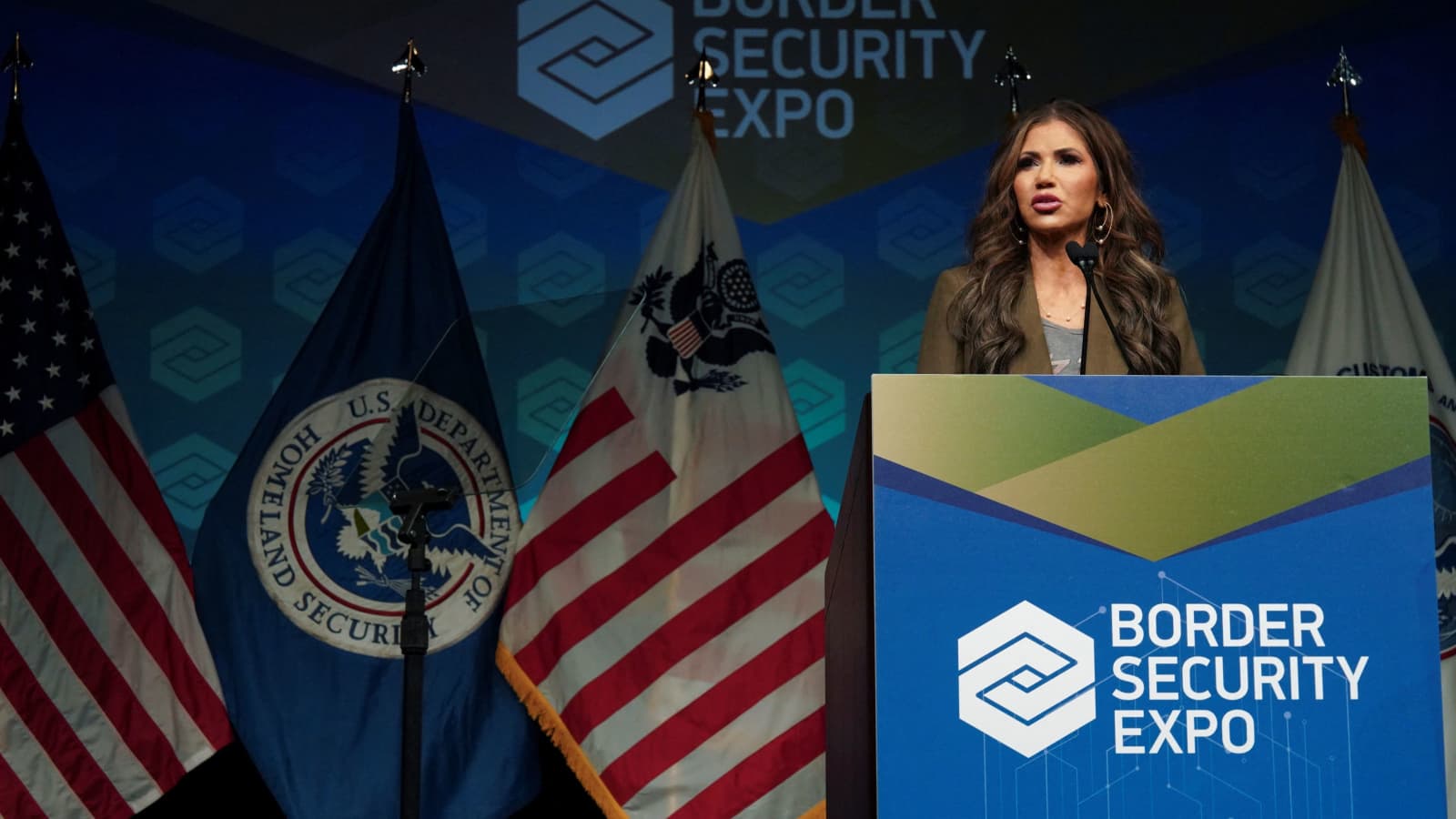
DHS Secretary Kristi Noem has emphasized the need for clear procedures that protect both staff and individuals at the facilities, while also respecting the oversight role of Congress.
Ensuring Operational Effectiveness
Immigration and Customs Enforcement (ICE), a key agency under DHS, is central to these updated procedures.
According to the new guidelines, ICE will now have discretion regarding visits to certain facilities, specifically ICE field offices.
These offices are critical operational hubs, distinct from larger detention centers.
Managing visits to these busy locations is seen as essential for maintaining workflow and security.
Context of Heightened Border Focus
The Trump administration returned to office with a strong mandate to enhance border security and immigration enforcement.
This includes pledges for increased deportations and stricter controls.
Operating immigration facilities efficiently and securely is a core part of this broader mission.
The administration argues that clear visitation rules are necessary in this operational climate.
Previous Incidents Prompt Review
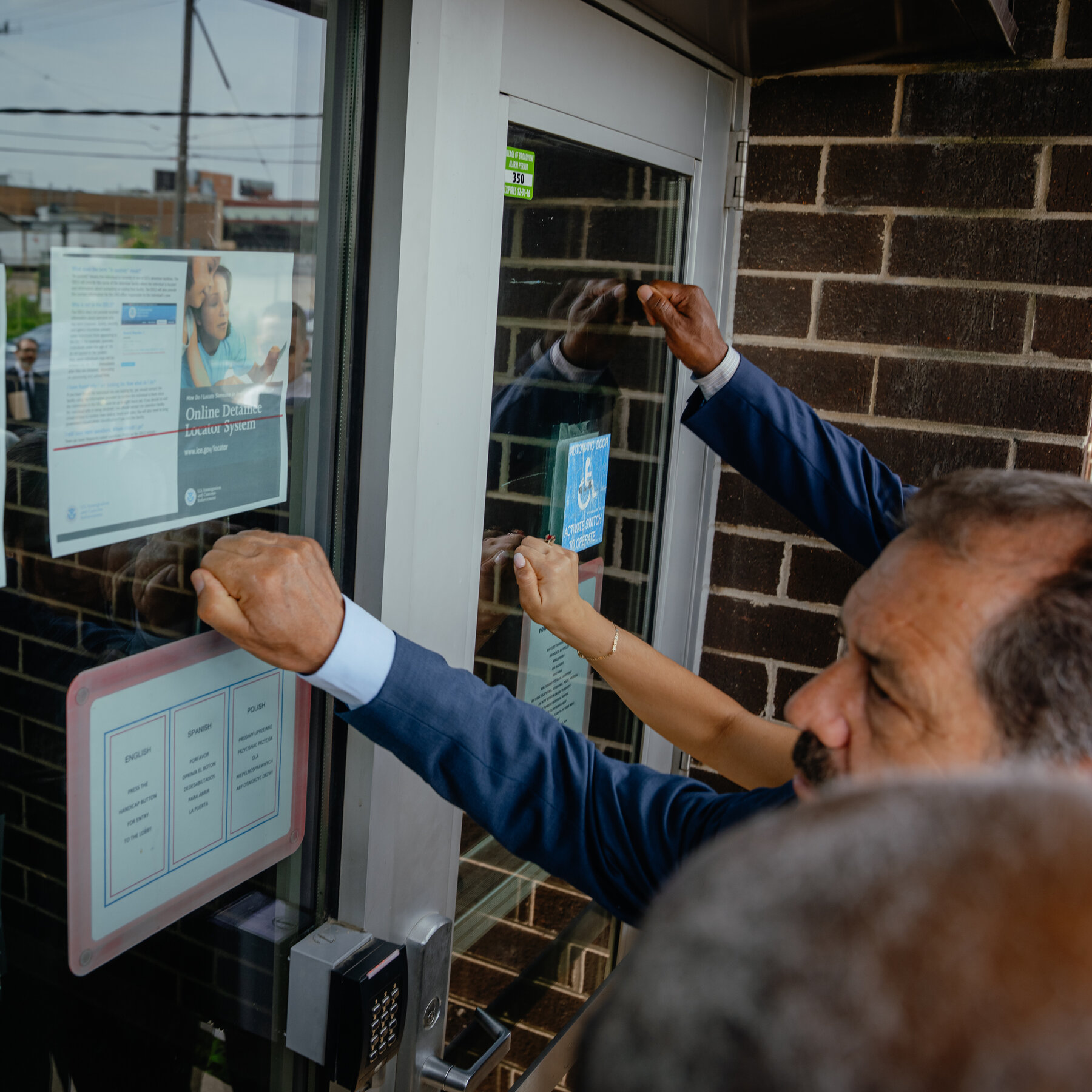
Before these new guidelines were implemented, there were several high-profile instances involving lawmakers and ICE facilities.
Some of these encounters reportedly became disruptive.
Such incidents highlighted the need for more structured procedures to manage access and prevent confrontations.
The updated guidelines are presented as a response to these challenges.
What the New Rules Entail
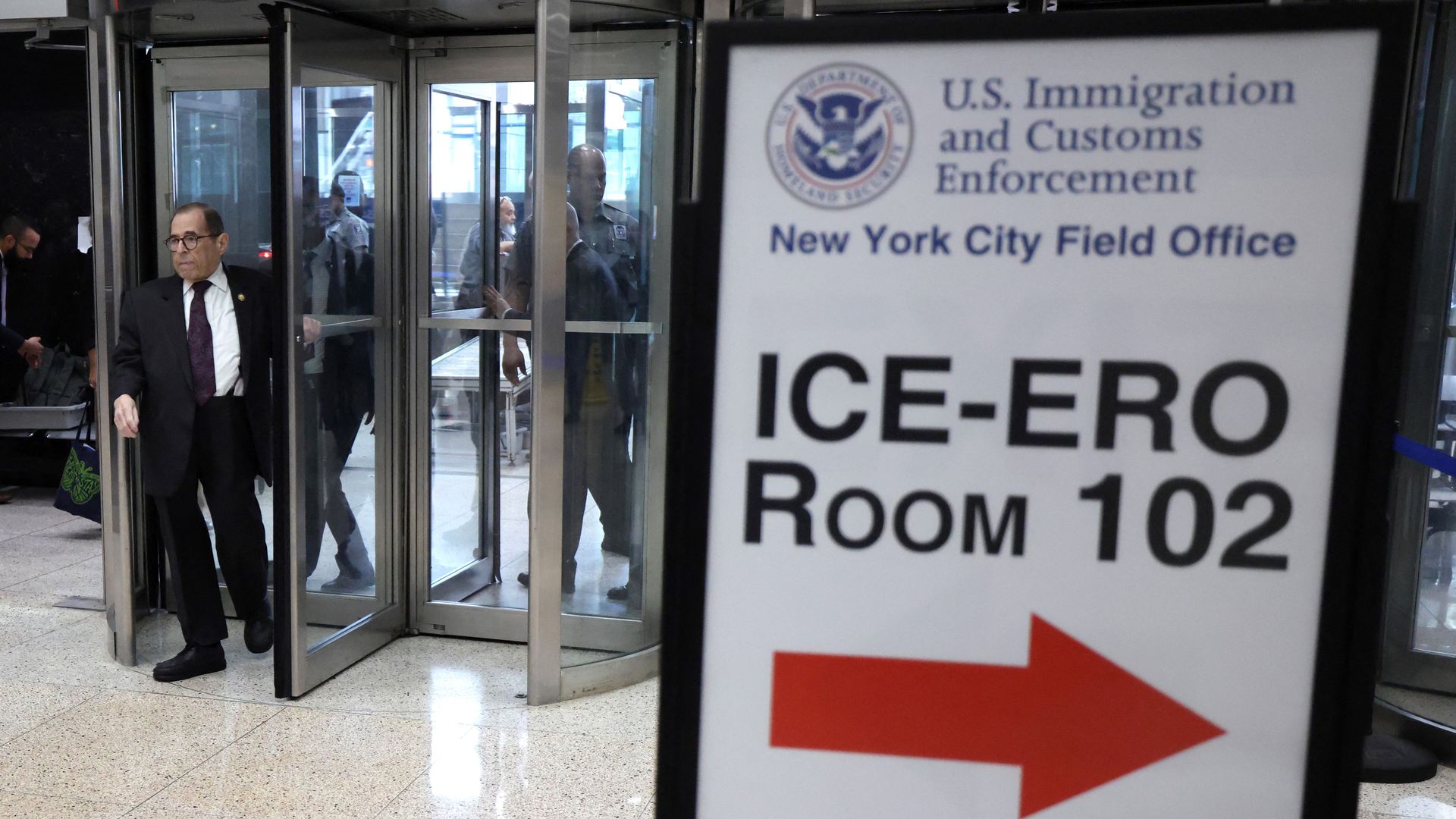
The guidelines clarify that while federal law permits unannounced visits to detention centers, this law is interpreted by DHS as not applying to operational field offices.
For visits to ICE field offices, members of Congress are now asked to provide at least 72 hours’ notice.
Furthermore, regarding tours of detention centers, while prior notice isn’t required by law, ICE now asserts it has “sole and unreviewable discretion” to manage the tours, including the ability to deny, cancel, reschedule, or terminate a visit for any reason.
However, the guidelines state ICE will make “every effort to comply with the law and accommodate” congressional requests.
These changes aim to introduce predictability and control over visits, ensuring they do not interfere with critical enforcement activities or facility security.
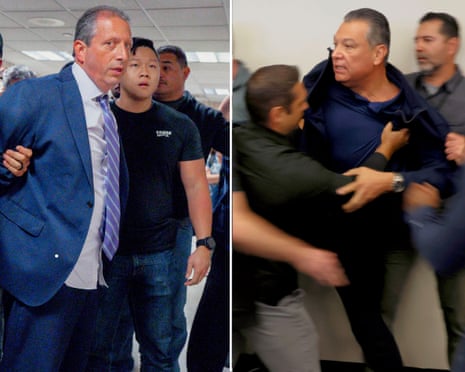
Specific incidents, such as the prosecution of U.S. Representative LaMonica McIver following an altercation at a facility gate, and arrests of local officials like Mayor Ras Baraka and Comptroller Brad Lander during similar events, are cited as examples of the situations the new protocols are intended to mitigate or prevent.
Focus on Order and Security
Ultimately, the Trump administration frames these updated rules as necessary steps to maintain order, enhance security, and ensure the effective operation of critical immigration enforcement facilities.
They represent an effort to better manage interactions between lawmakers and federal agents at sensitive locations.