Trump admin tried to deport high-achieving Ph.D. student for THIS tiny reason

You won’t believe why authorities flagged this brilliant young scholar for potential removal.
Her fight against the system unfolded while she achieved academic excellence.
A System Under Scrutiny
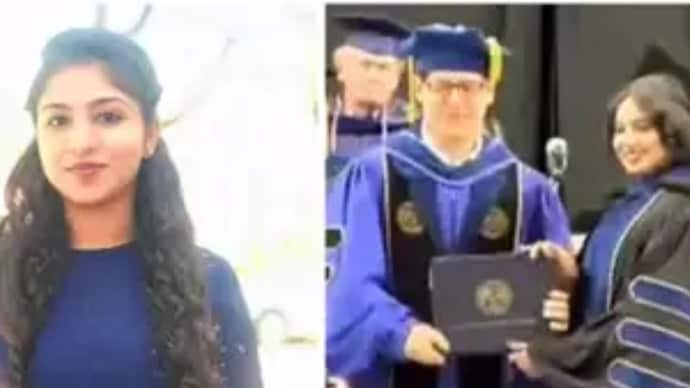
An international student from India studying in South Dakota found herself in a complex legal battle.
Priya Saxena was pursuing advanced degrees when she received life-altering news.
Her visa and immigration status in the U.S. had been revoked.
This action initiated a process that could have led to her deportation.
The timing was particularly challenging, coming just before she was set to graduate.
Academic Achievements Amidst Adversity
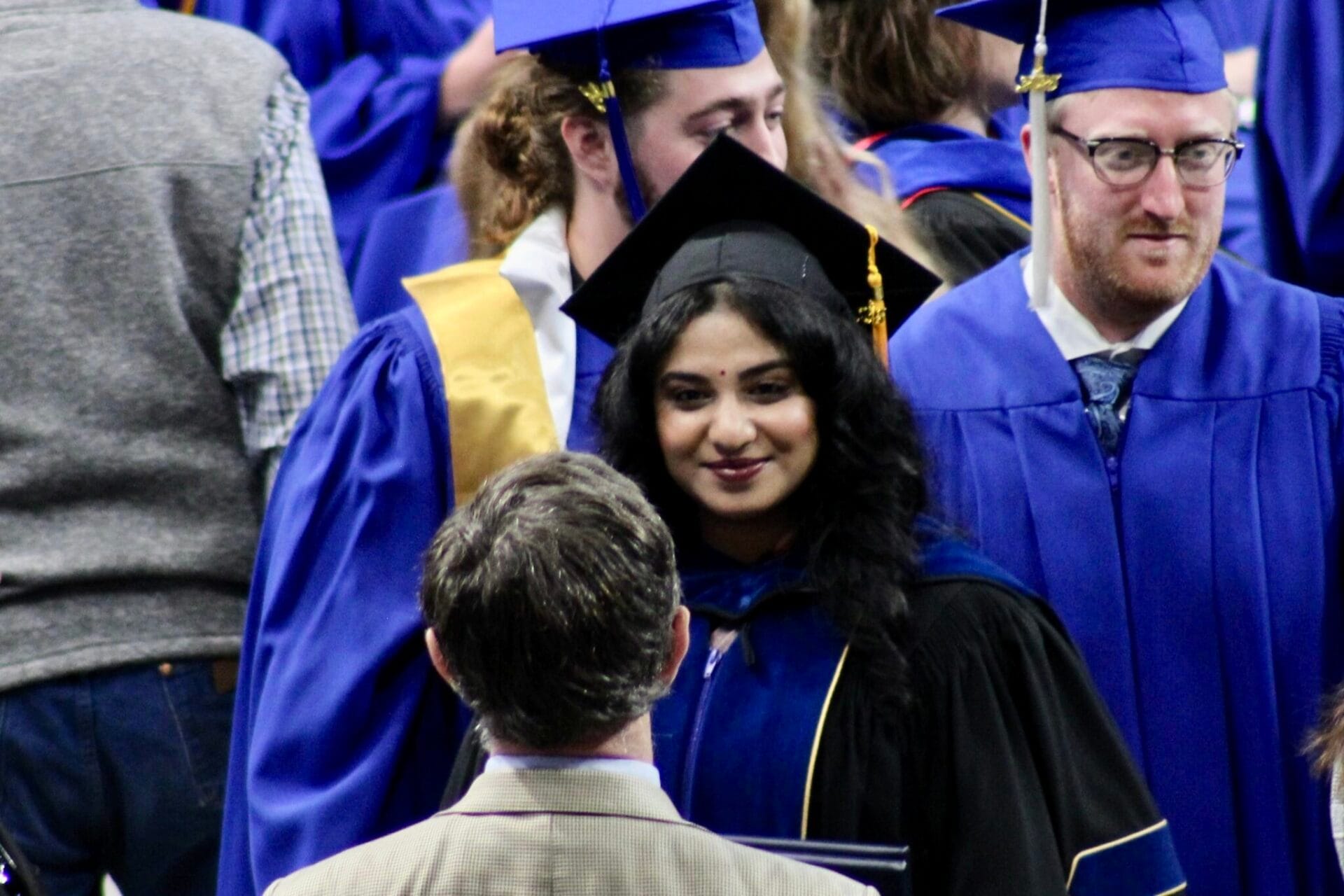
Despite the looming threat, Saxena continued her studies at the South Dakota School of Mines & Technology.
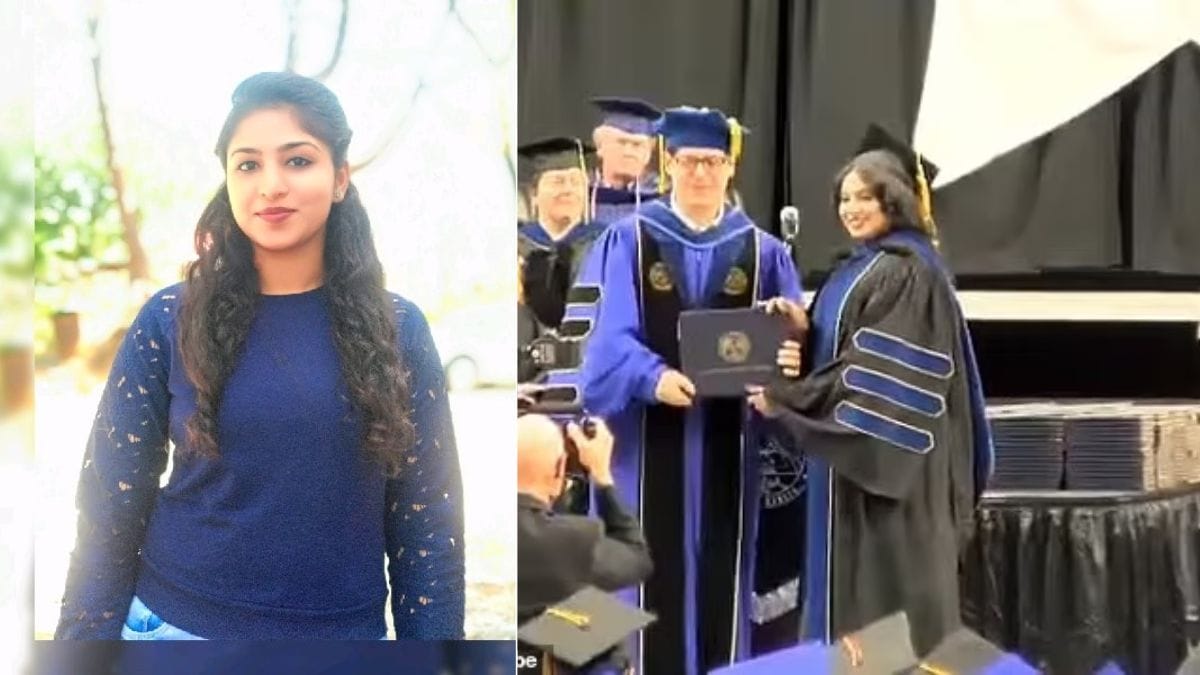
She successfully completed two major degrees: a Master’s and a Doctorate in chemical and biological engineering.
This required immense focus and dedication during a period of significant personal stress.
Her case highlighted the intense pressure faced by international students navigating complex immigration rules.
Many follow the rules meticulously but can still encounter unexpected issues.
Fighting Back Through the Courts
Facing the revocation, Saxena took legal action, suing the administration.
Her attorney, Jim Leach, argued the government’s action was unwarranted and excessive.
They sought a legal remedy to prevent her removal and restore her status.
The legal challenge underscored the importance of due process within the immigration system.
Initially, she was granted a temporary restraining order, a crucial step allowing her to attend her graduation ceremony.
A Legal Victory
The case proceeded, and a judge ultimately ruled in her favor.
Saxena was granted a preliminary injunction.
This legal order prohibits the government from attempting to detain or deport her.
“The rule of law saved an innocent person from unlawful action by this administration,” her attorney stated, highlighting the court’s role as a check on executive actions.
He added that Dr. Saxena represents the type of individual the U.S. should welcome.

Understanding the Government’s Review Process
This case emerged during a period when the Department of Homeland Security was conducting extensive reviews of international student records.
Utilizing databases like the FBI’s National Crime Information Center (NCIC), officials cross-referenced the names of millions of foreign-born students.
This process aimed to identify potential issues that could affect immigration status.
While thoroughness in national security and immigration enforcement is a government priority, the methods used can sometimes flag minor or outdated issues.
Reports indicated that thousands of student records were flagged and visas potentially revoked as a result of this wide-ranging check.
The Shocking Reason Revealed
So, what was the major offense that triggered this whole ordeal for Dr. Saxena?
It wasn’t a serious crime.
It wasn’t an immigration violation.
According to her attorney and court documents, the sole basis for the government’s action stemmed from a failure-to-yield traffic violation.
This infraction occurred four years prior to the visa revocation notice and was described by her lawyer as “the lowest possible traffic offense.”
She had reportedly disclosed the incident when applying for her most recent visa, which was subsequently reissued, adding to the confusion over the later revocation.
The Outcome
Ultimately, a judge recognized the disproportionate nature of the government’s response compared to the minor nature of the infraction.
Dr. Saxena is now able to remain in the U.S. and utilize the advanced degrees she earned while fighting her case, thanks to the court’s intervention.