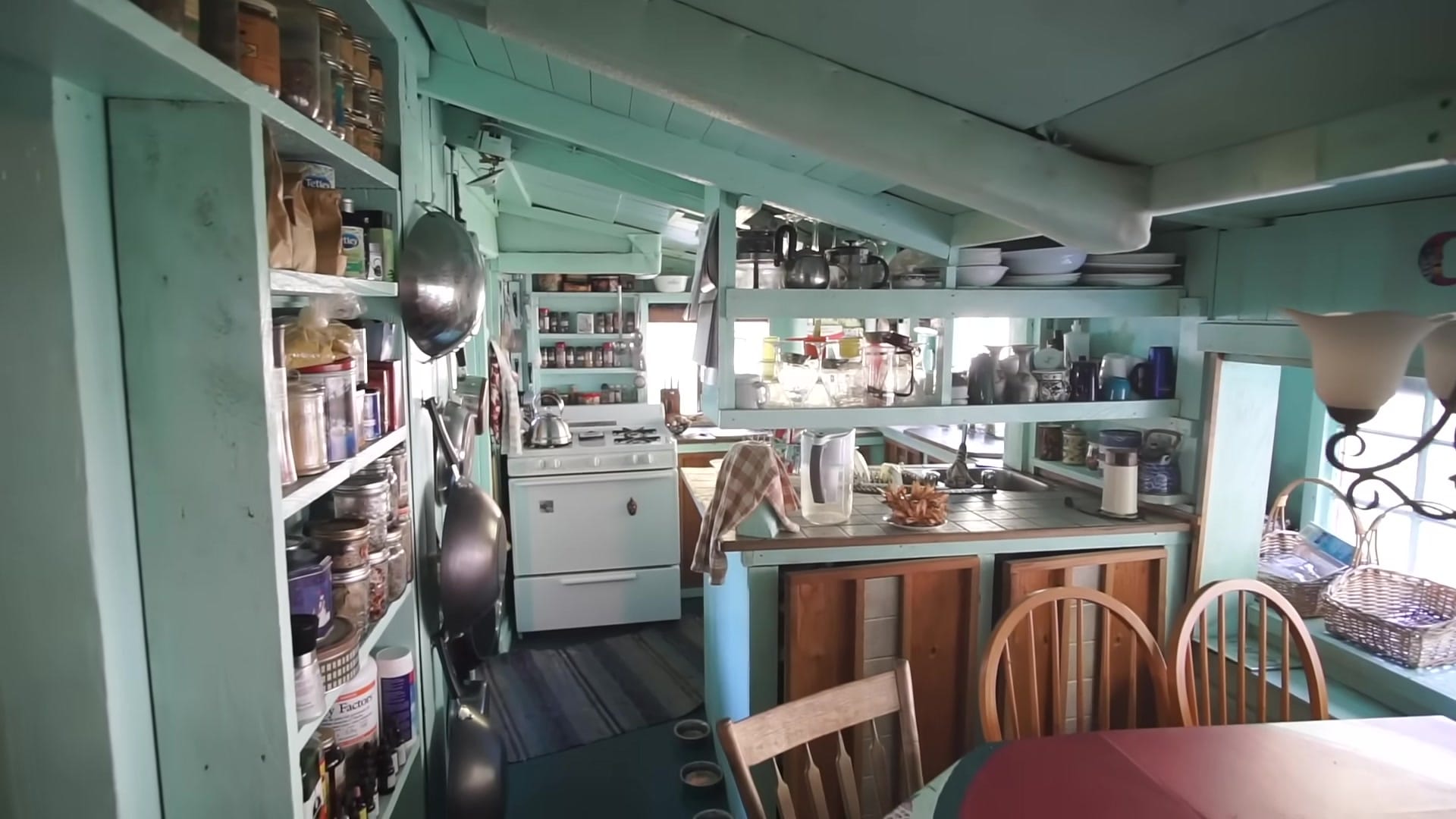
This Man Built An Island Out of Trash
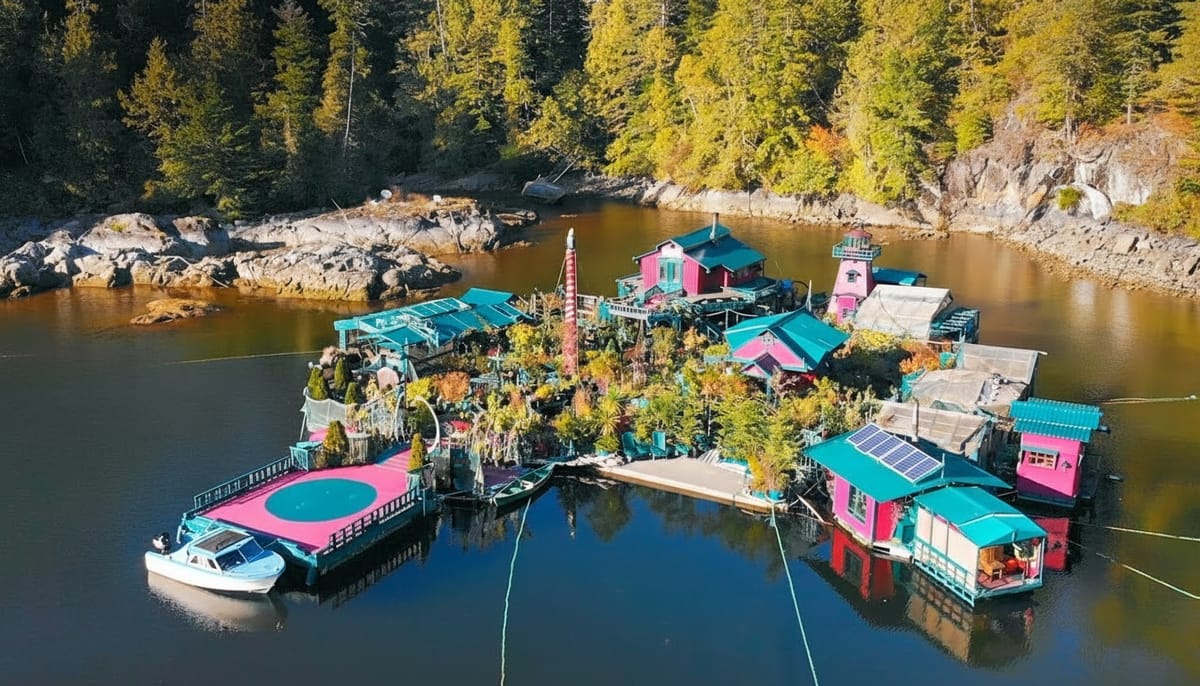
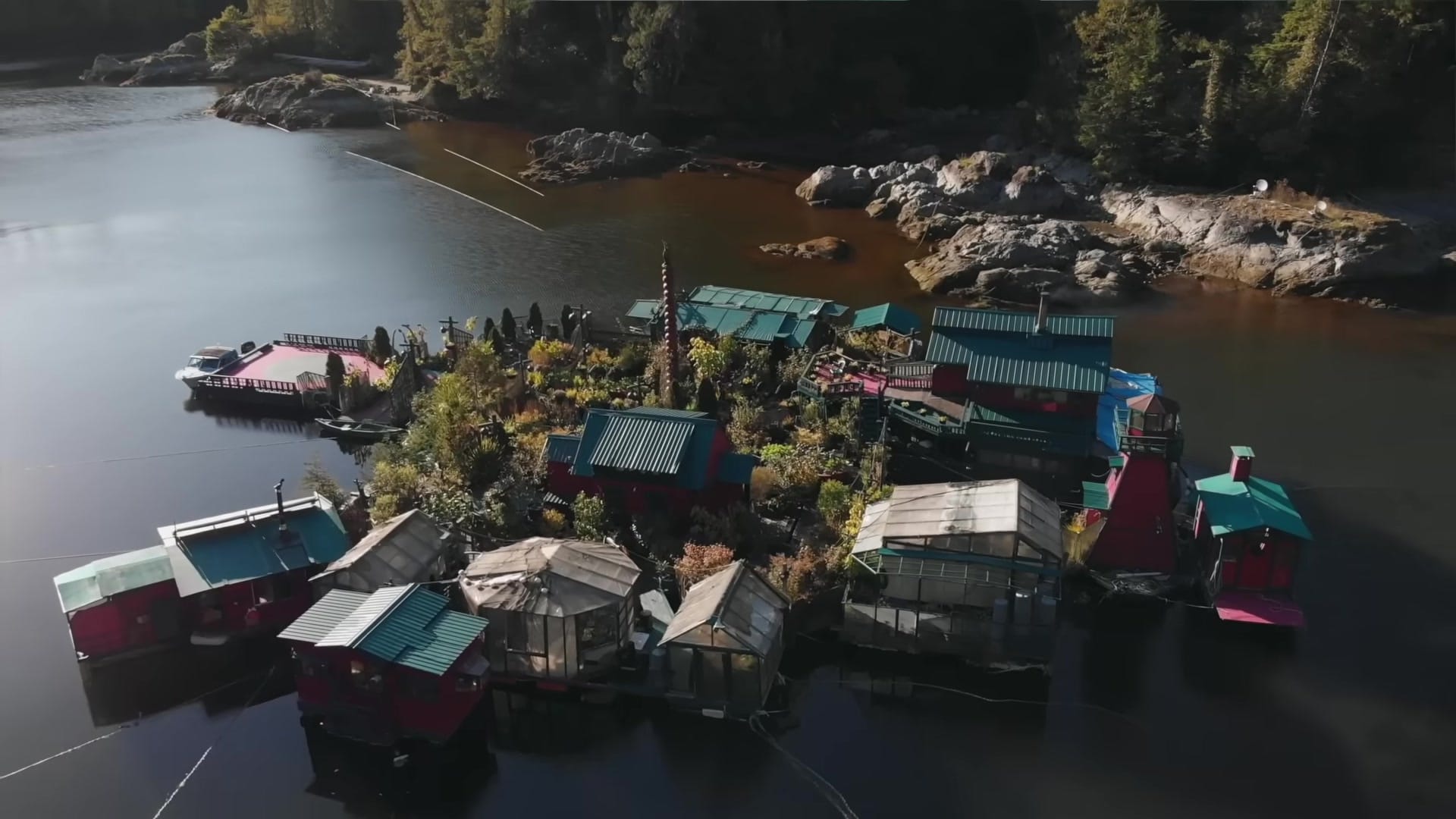
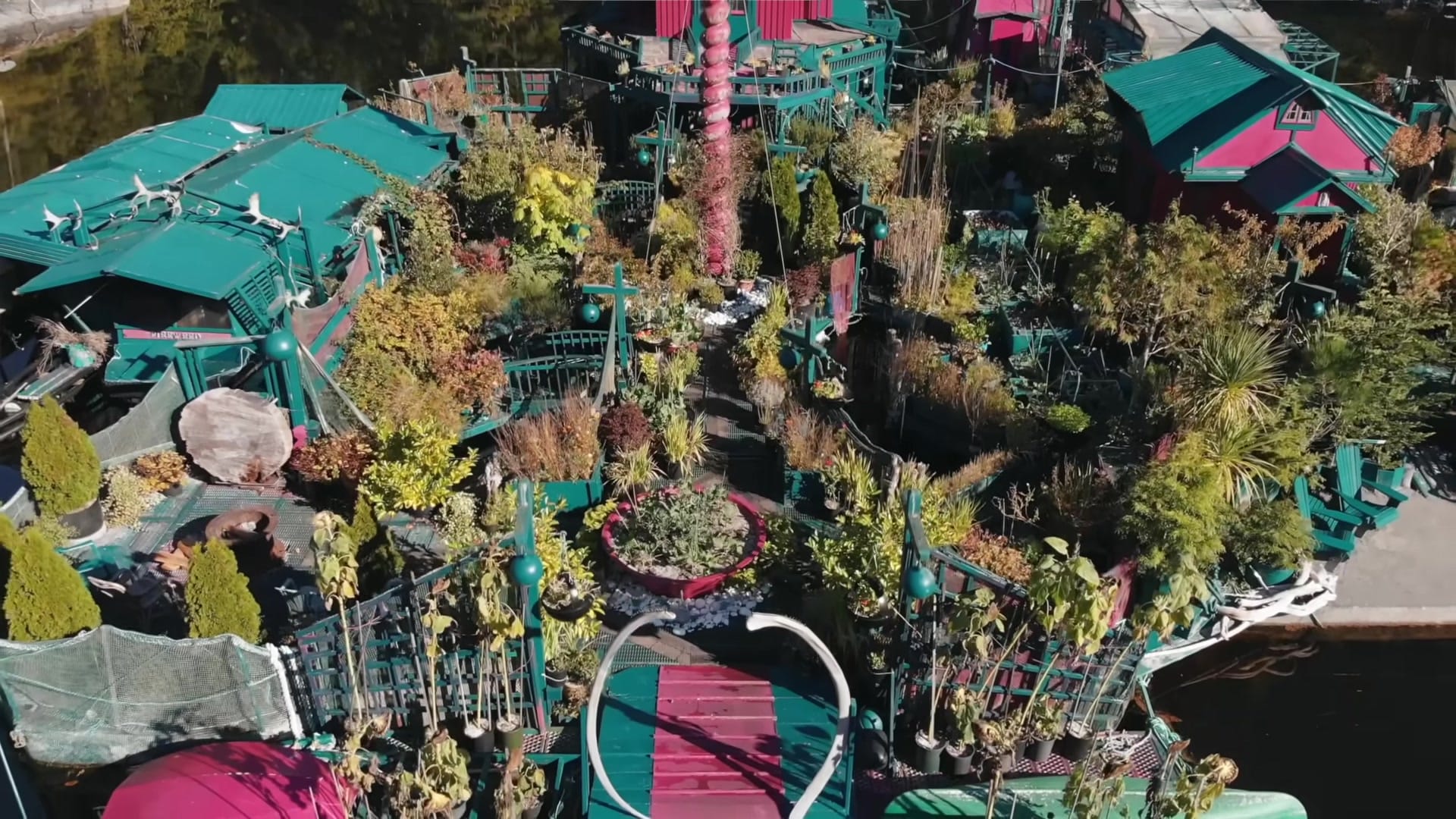
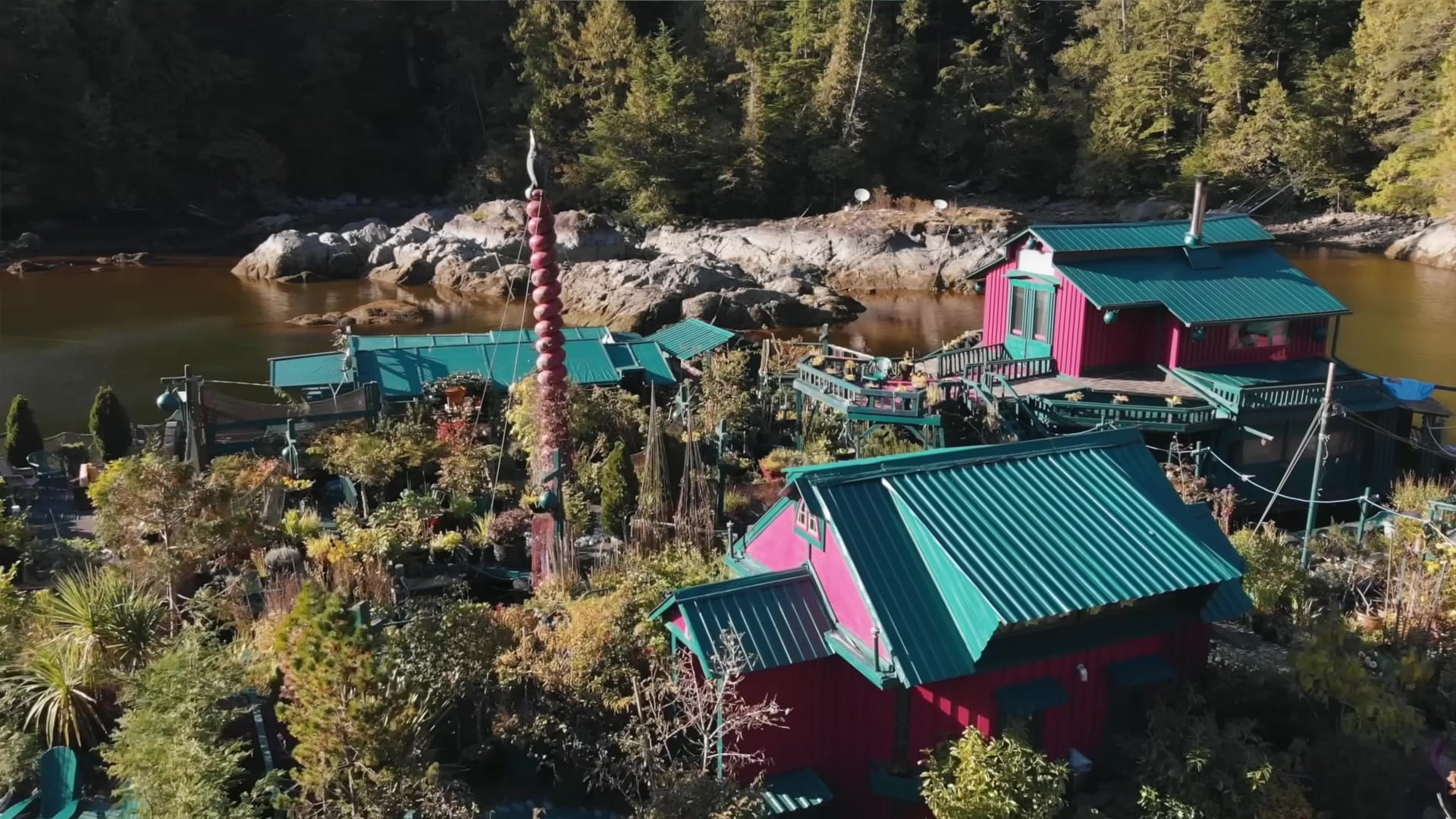
A hand-built island drifts in a quiet cove, alive with gardens, art, and a dance floor under the sky. It’s scrappy, gorgeous, and tougher than it looks.
How It Started — driftwood, a cabin swap, and the 1992 move
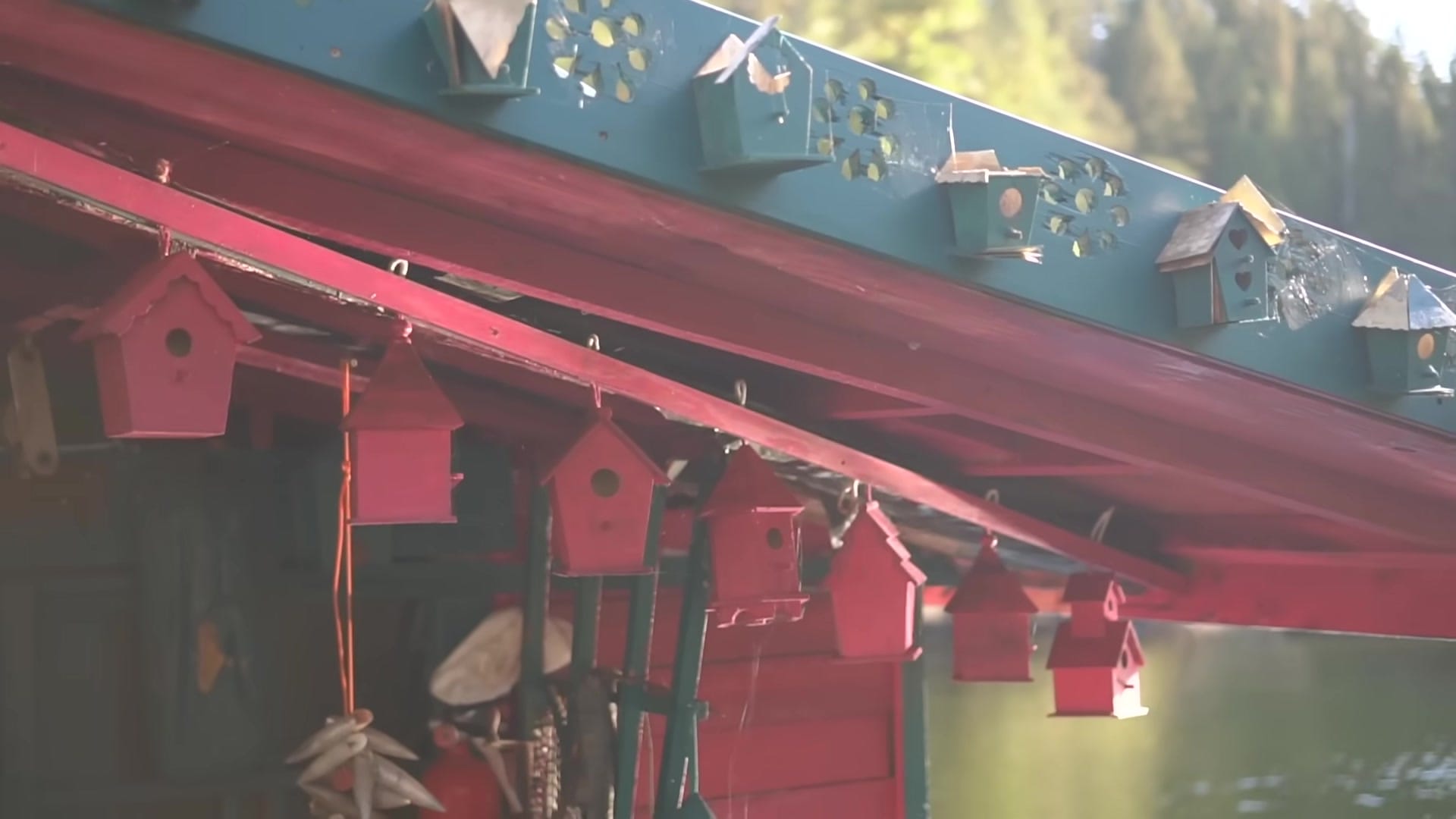
Start with a bird. The model was birds, building without permission and using what’s at hand.
Everything here leans on what the cove offered up. Materials nearby, reused and recycled, shaped every choice.
Money helped, but only sometimes. About sixty percent of it came through trade—art, carving, and labor swapped for what was needed.
The goal stayed simple. Live out, grow food, and sync with nature’s rhythms as fully as possible.
Two people, one agreement, and a clock. Build hard for a while, then check in after ten years, and only keep going if the dream still fit.

It did. They looked up at year ten, said keep going, and now the work spans 27 years.
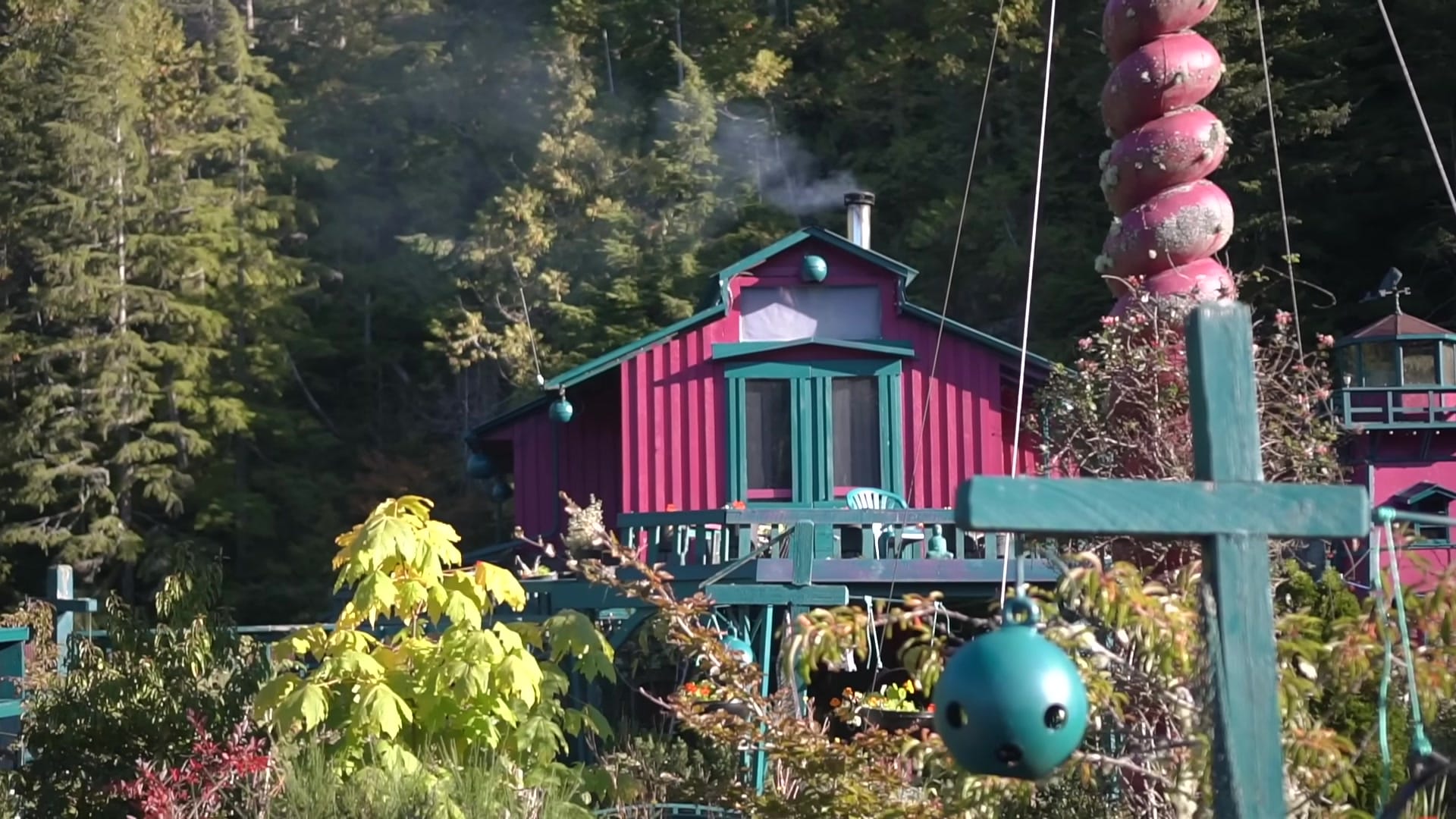
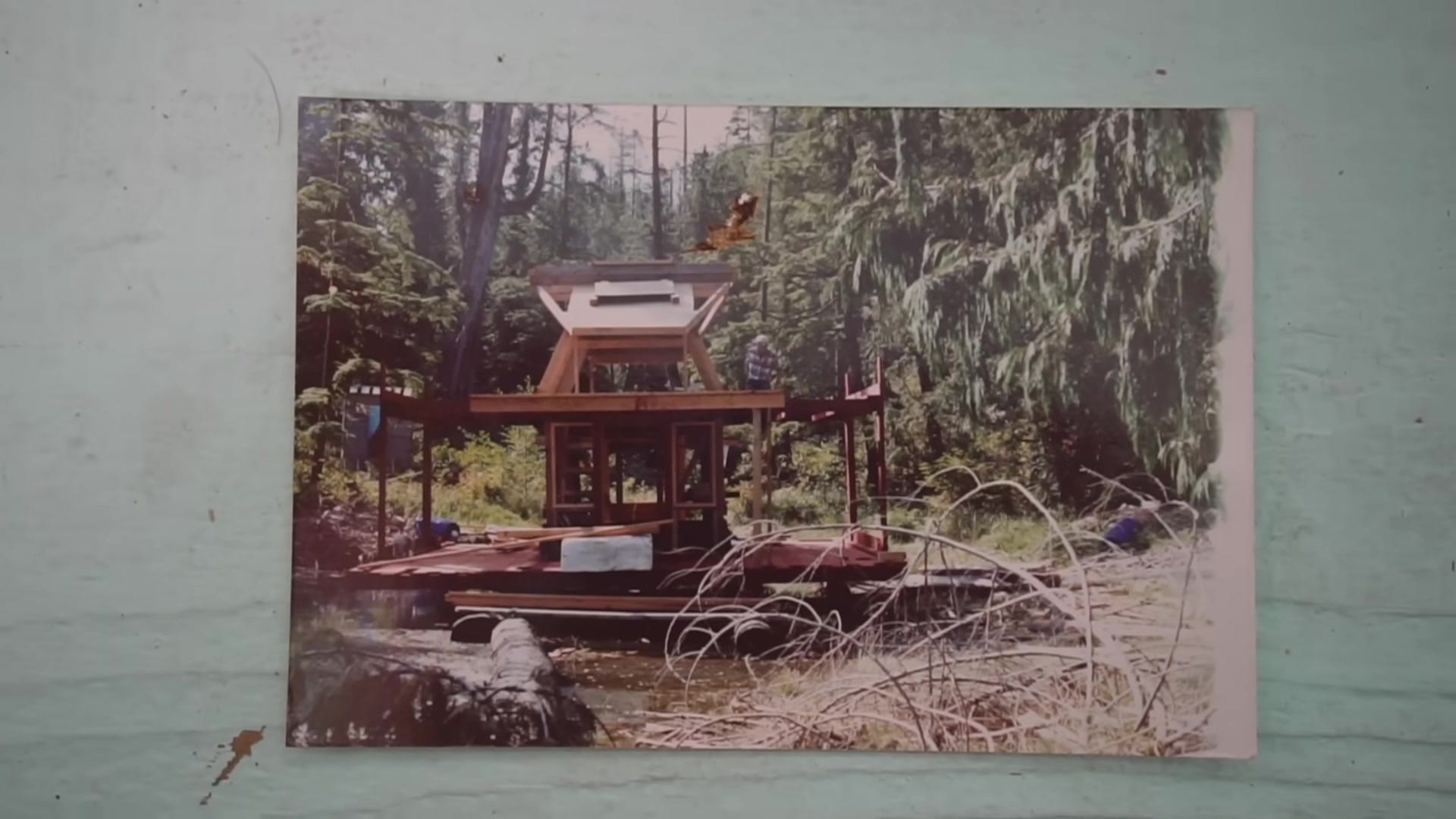
A cabin exchange led them to the spot where a storm tossed in the wood that became a house. They built on shore and, in 1992, moved it into the cove.

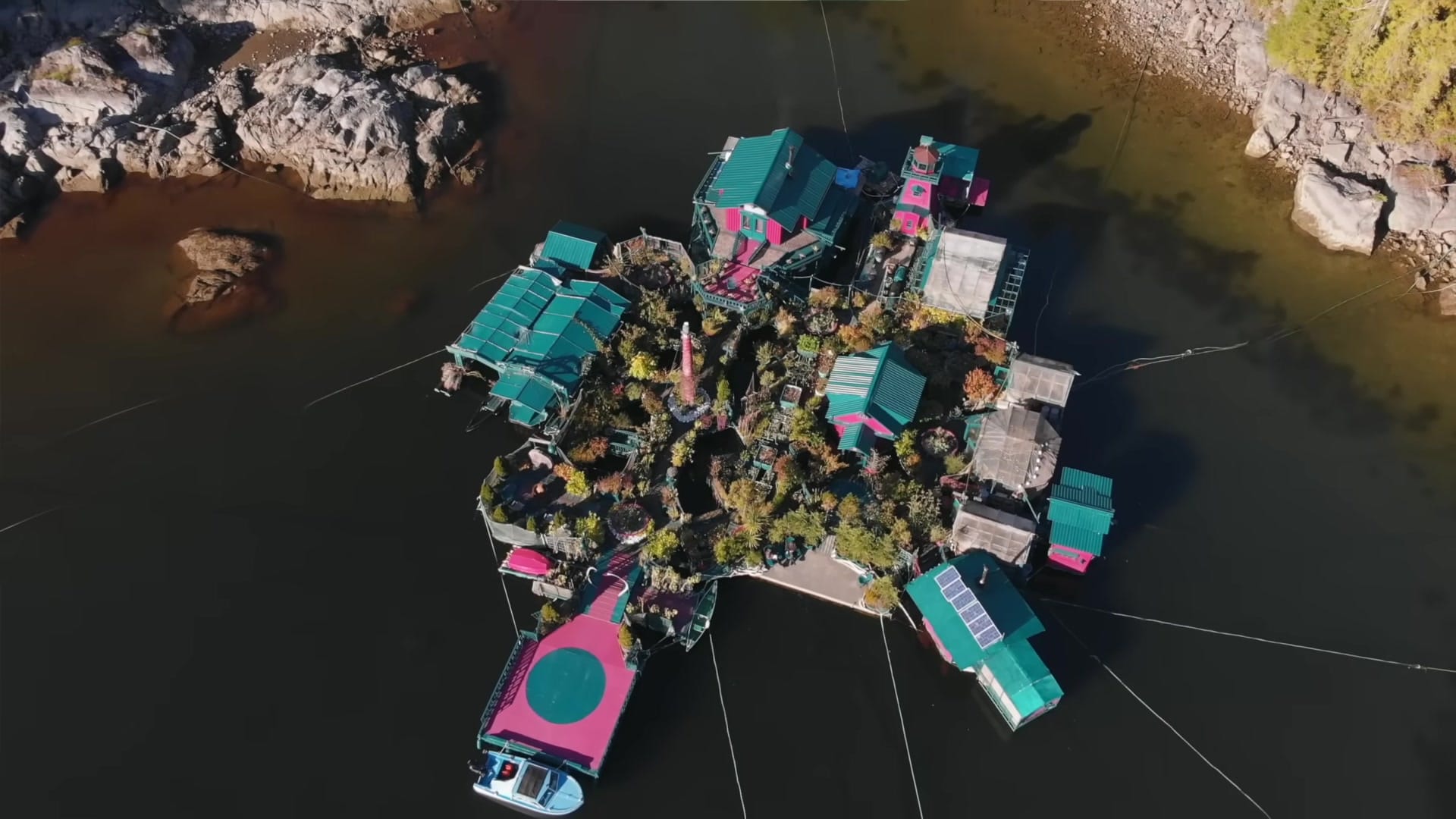
The Floating Buildings — gallery, lighthouse, boat houses and the dance floor
First, shelter; then, movement. The original house was half its current size, just enough to get a roof overhead.
But dance needed space. A floating dance floor came next because a dancer has to move.
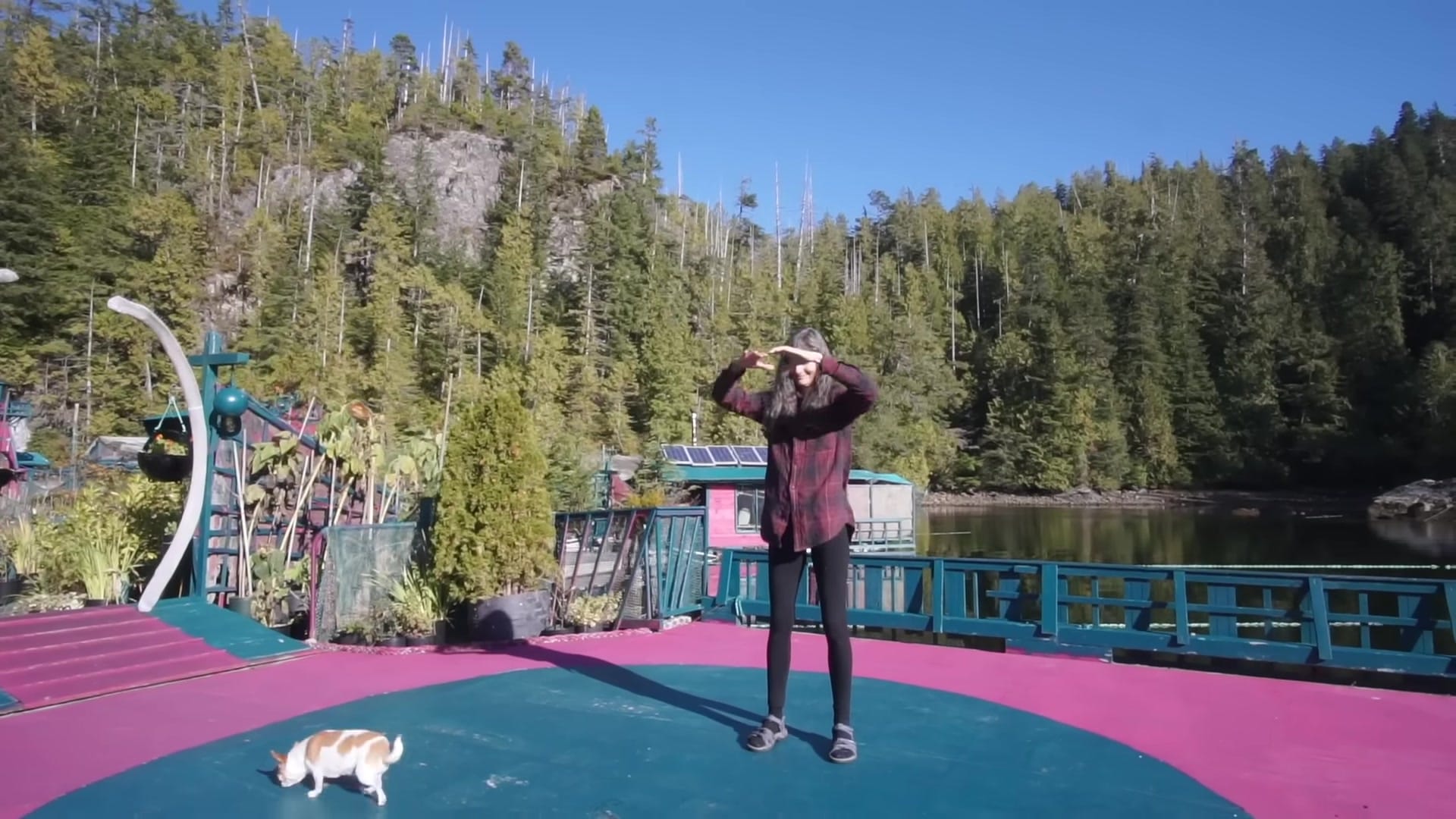
Food was already calling. As growing ambitions spread, the buildings expanded alongside them, and a gallery took shape to show their work at home.
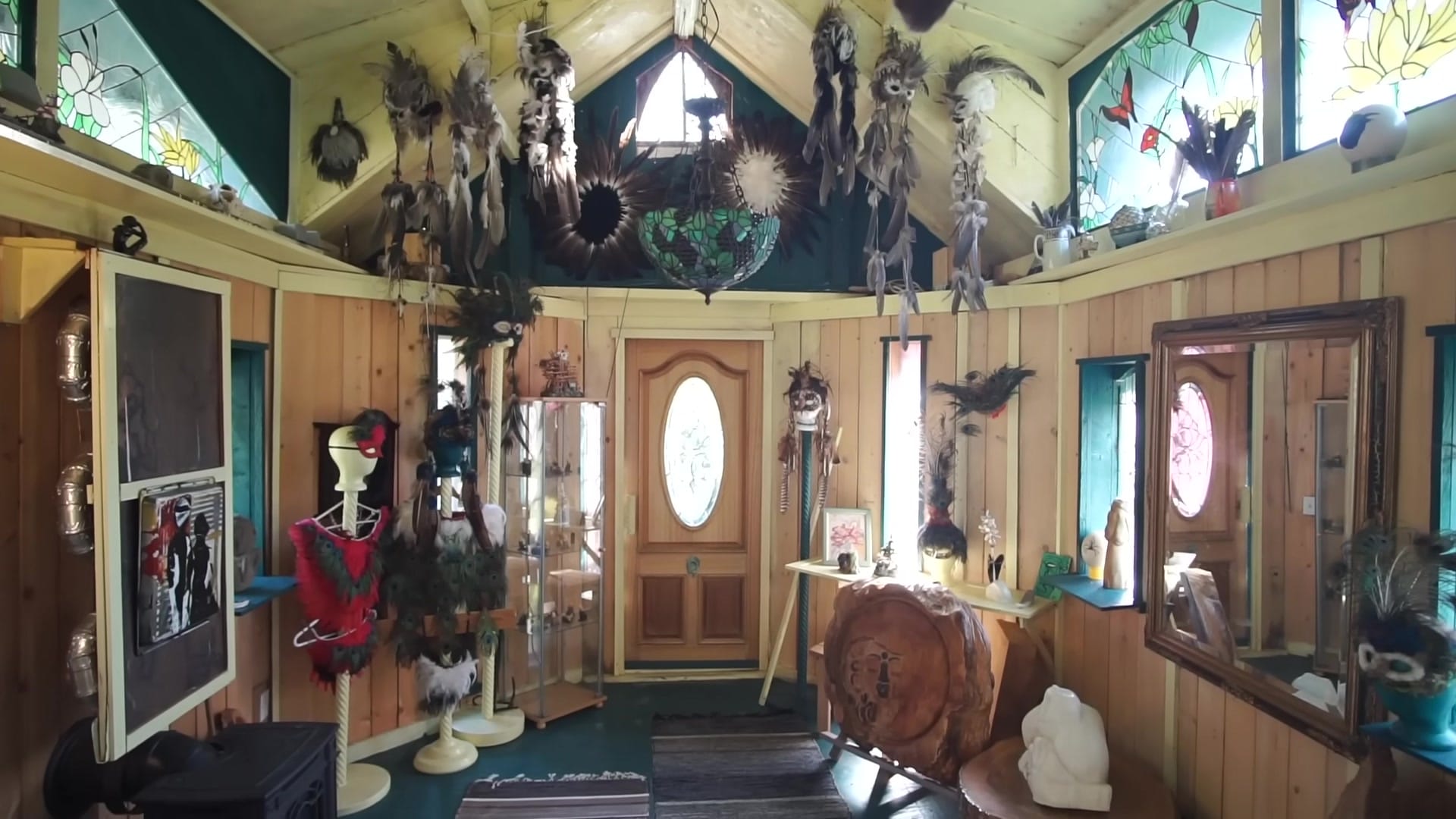
No more hauling pieces to other people’s walls. Showing at home meant no commission to anyone else.
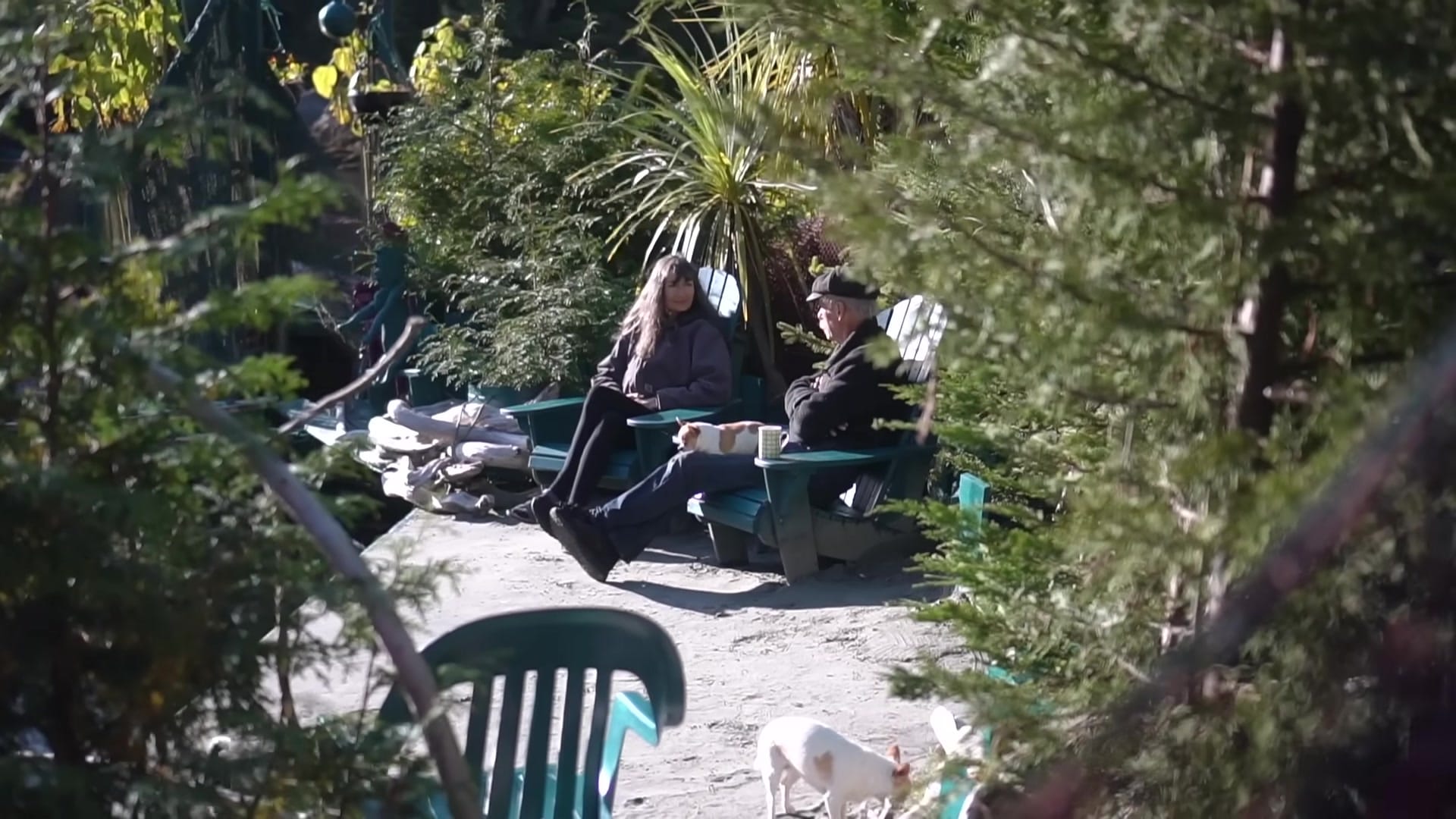
There’s also a place to exhale. A hand-built beach with a fire pit anchors evenings with that campfire glow.
Workboats stay dry when the sky won’t. Two floating boat houses keep rain out and motors healthy on a coast that pours.

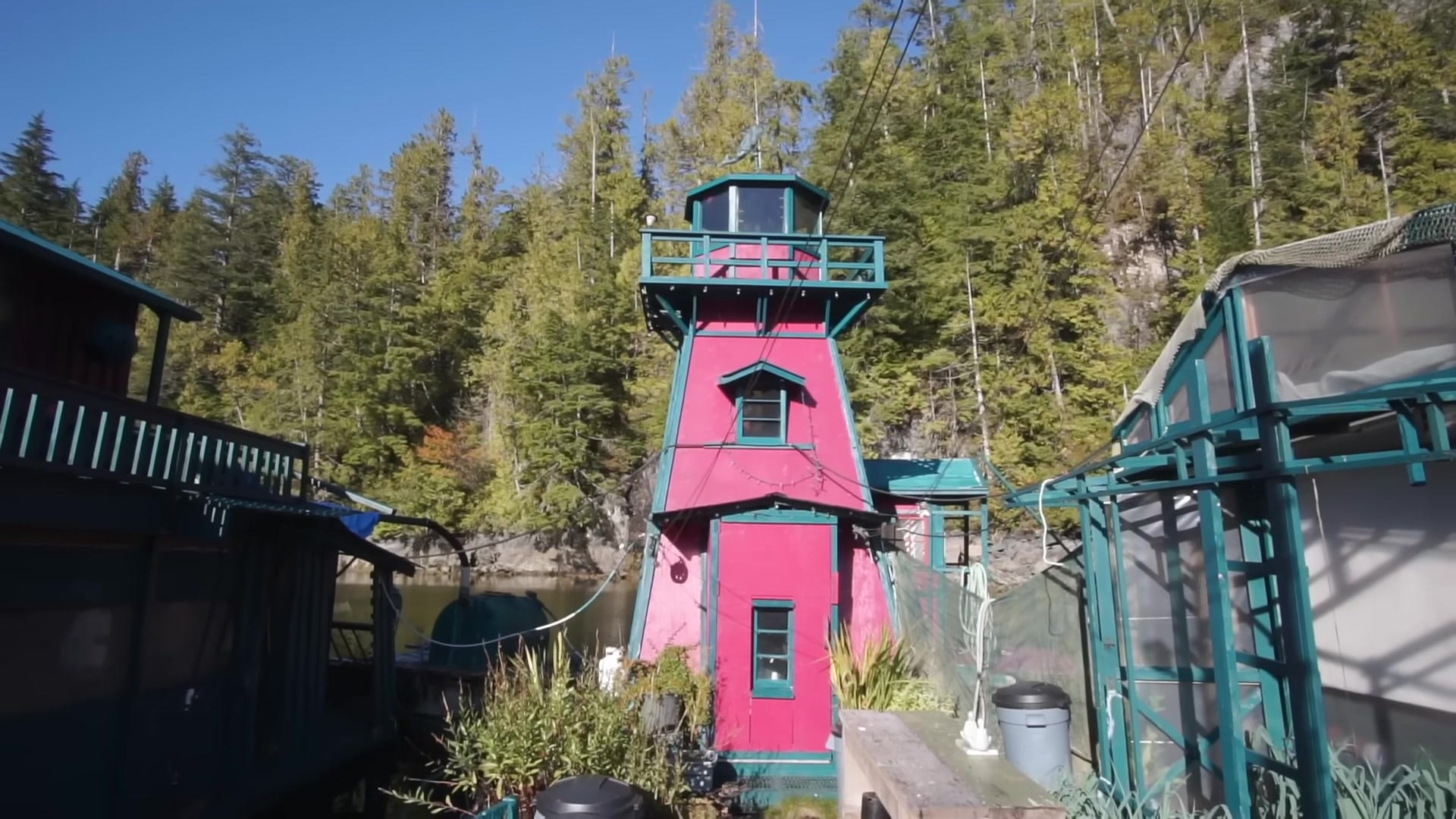
A lighthouse building stands as a landmark. It has a real light up top and an extra shower for visiting family and friends.
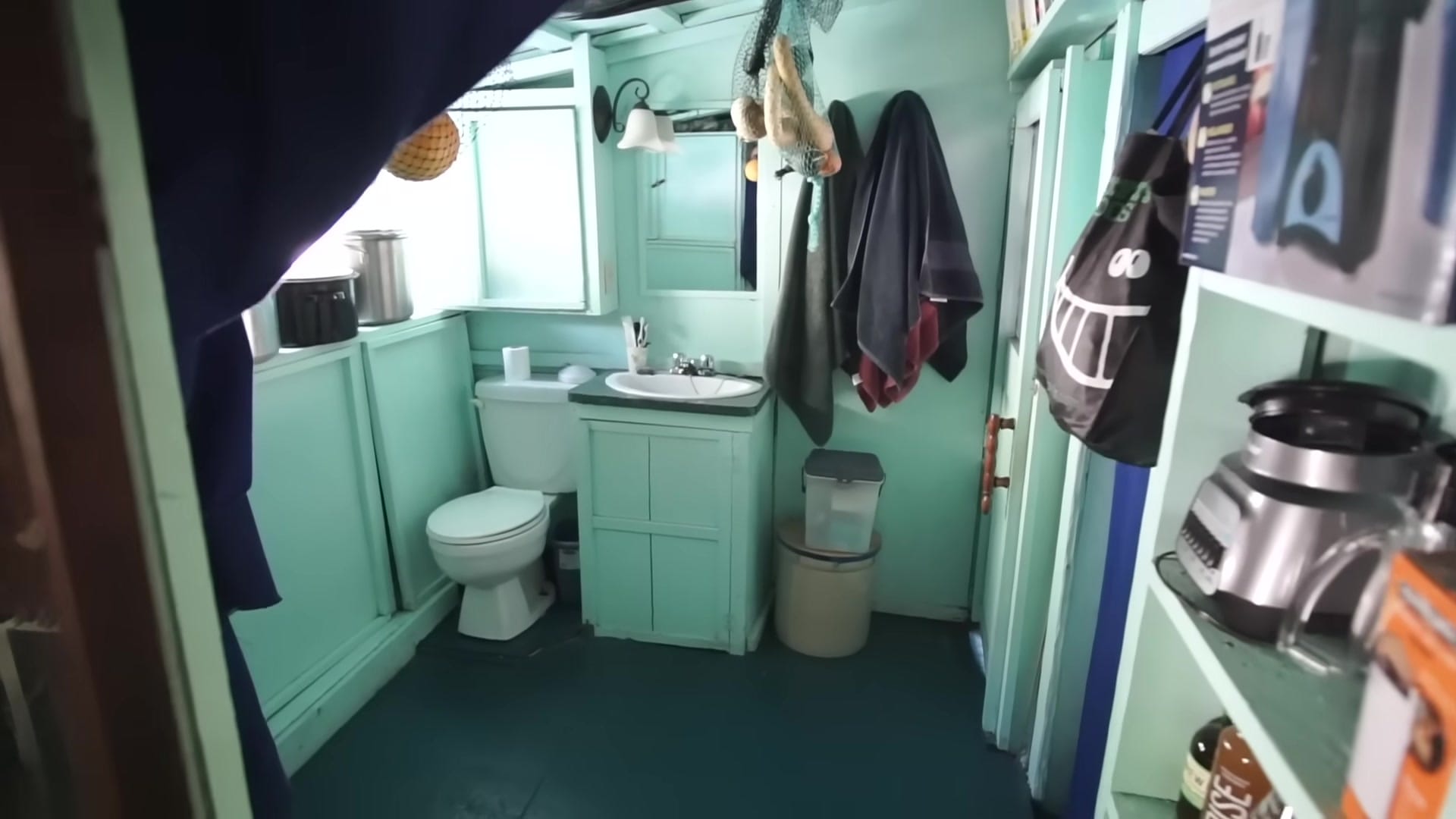
Inside the main house, bathing is covered too. There’s a bathtub and shower Wayne made, plus a candle factory where they still pour their own.
What Keeps It Afloat — recycled fish‑farm floats, mooring spiderwebs, and storms
Underneath, the island floats on repurposed muscle. Every structure rides on recycled fish‑farm material now, a full switch from earlier wood rafts.
That change didn’t happen overnight. When the farms needed this stuff gone, Wayne took it, and the security difference was immediate.
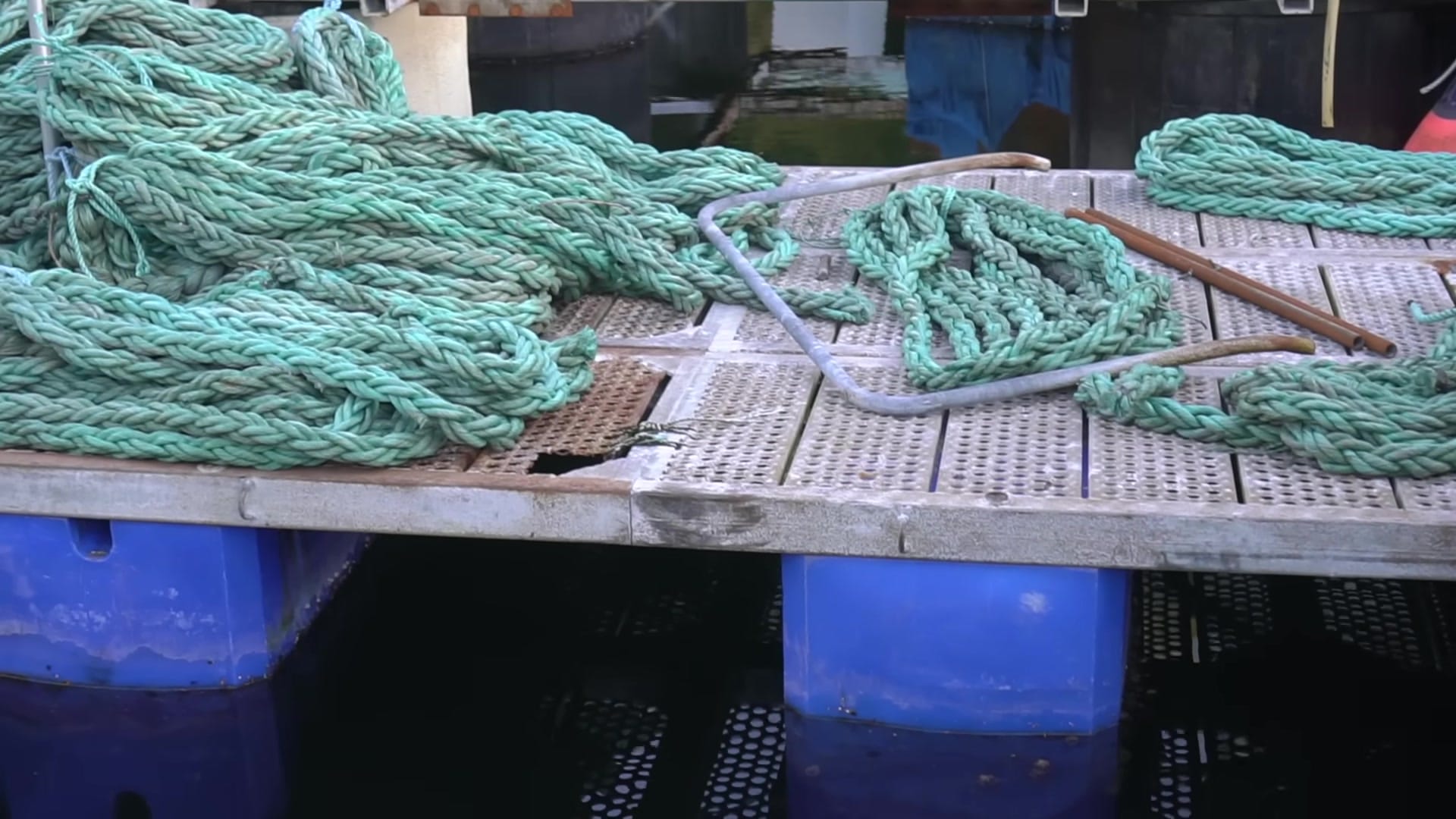
Wood rots and demands replacements. Armored styrofoam sits under the systems today and is built to last indefinitely.
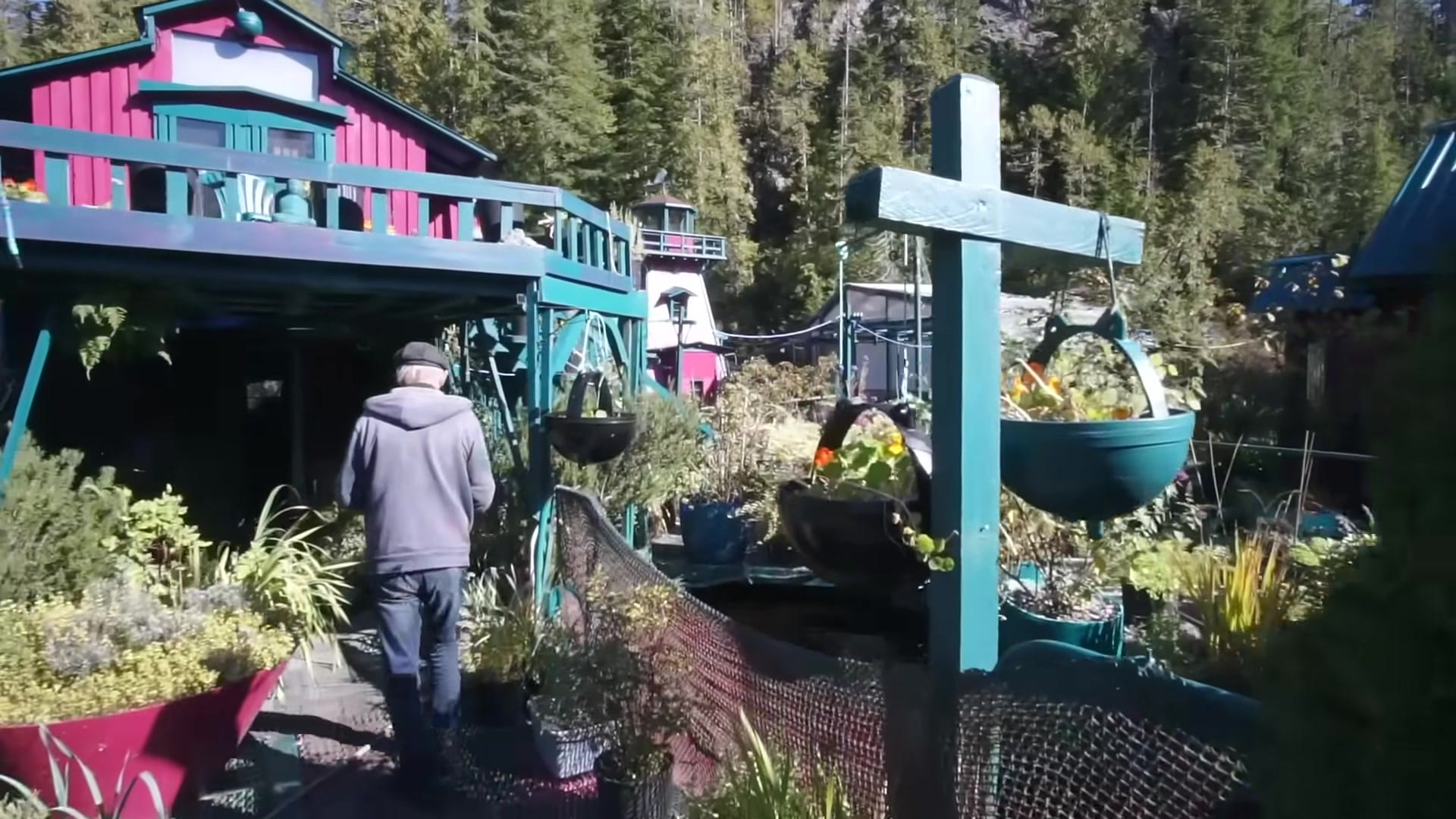
Strength matters when the weather turns. Metal-based framing adds durability that pays off in heavy blows.
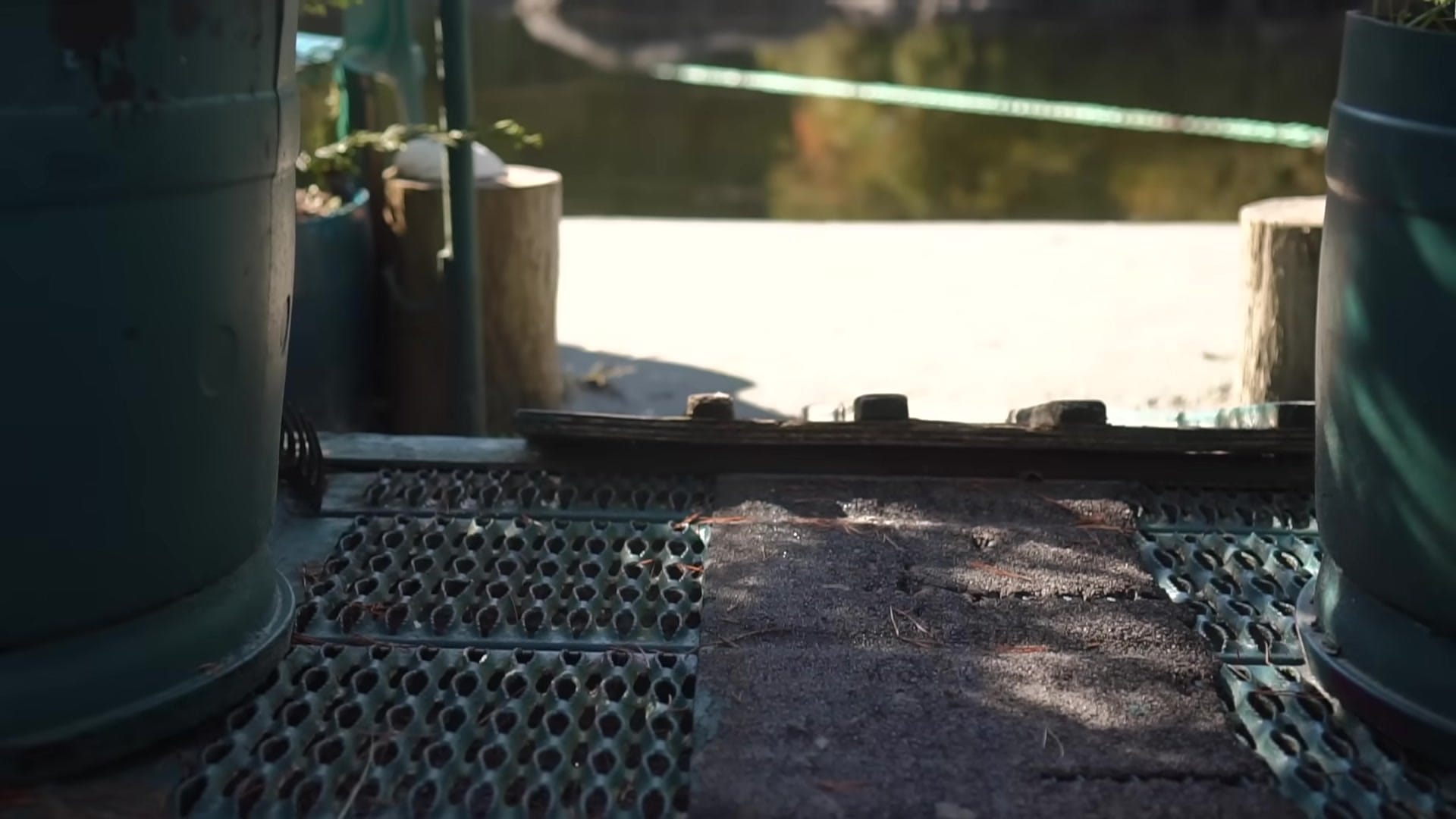
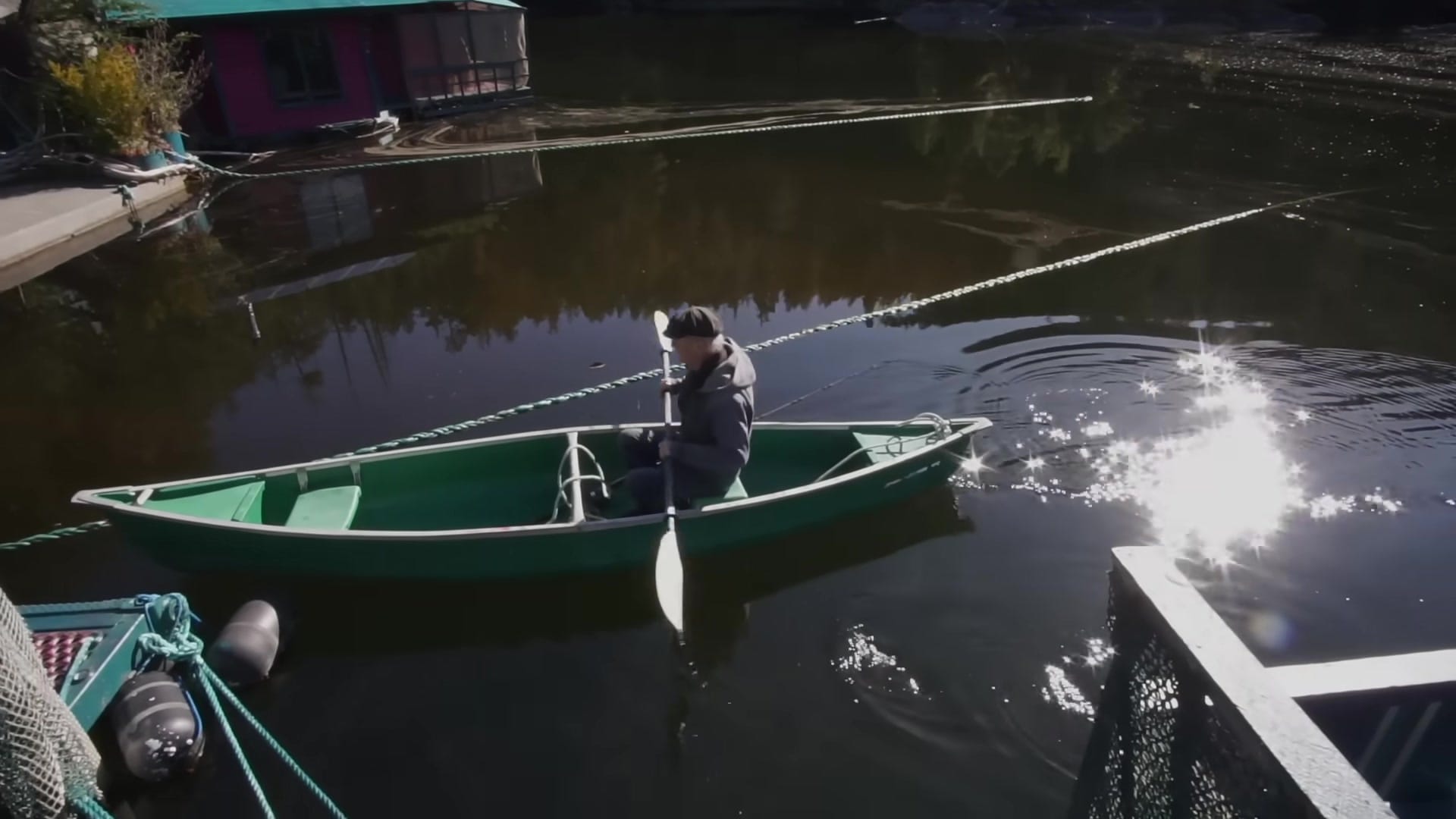
Then there’s the way the whole place ties to the land. Big shore lines lace out in a spiderweb so the island slides as one piece instead of slamming building into building.
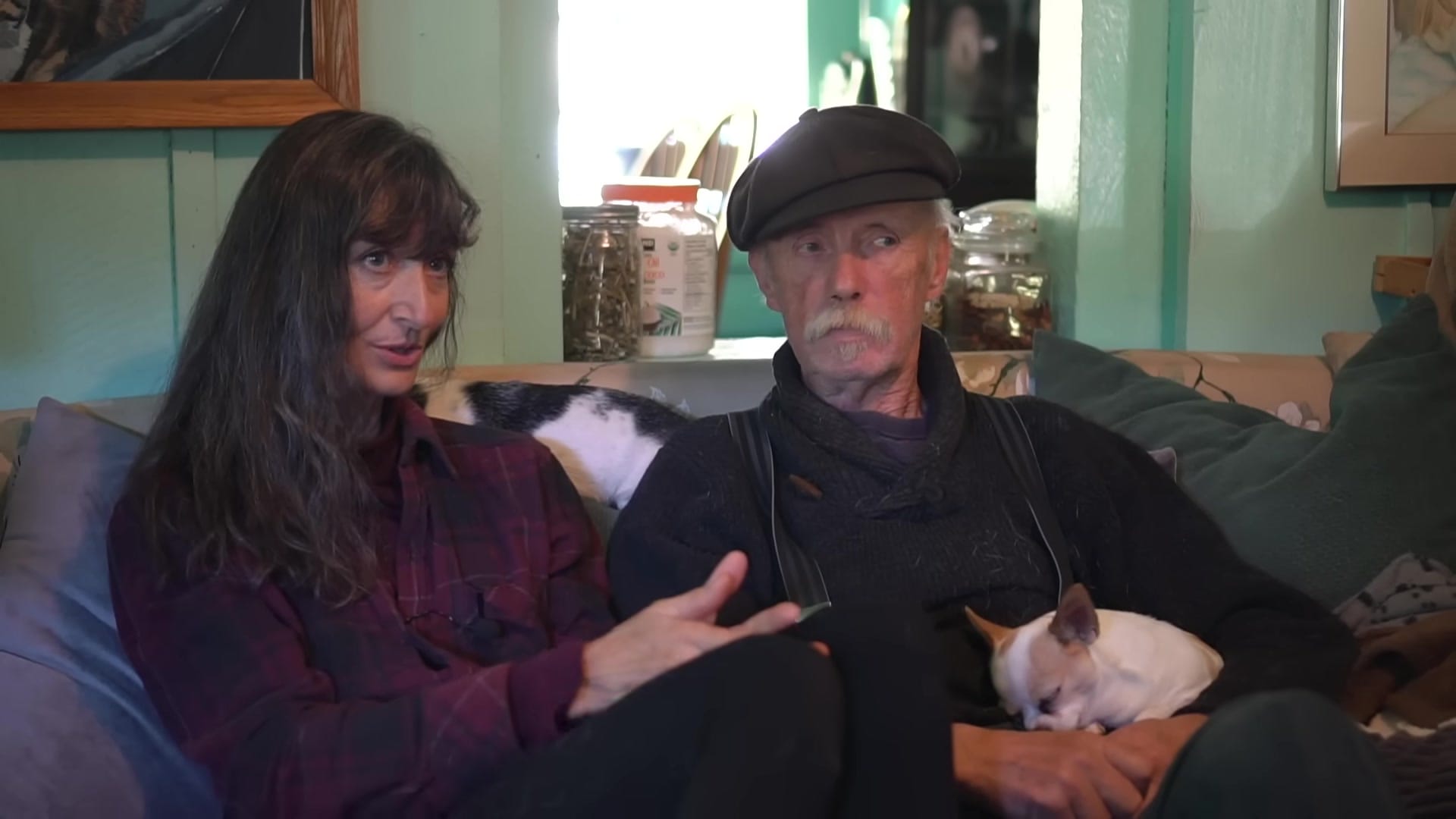
Hard-earned knowledge lives in those knots. Two years of midnight storms brought learning by doing, then a fix that finally stuck.
Storm damage still happens. It’s treated as part of the lifestyle—and often the spark to transform this installation that changes a little every year.
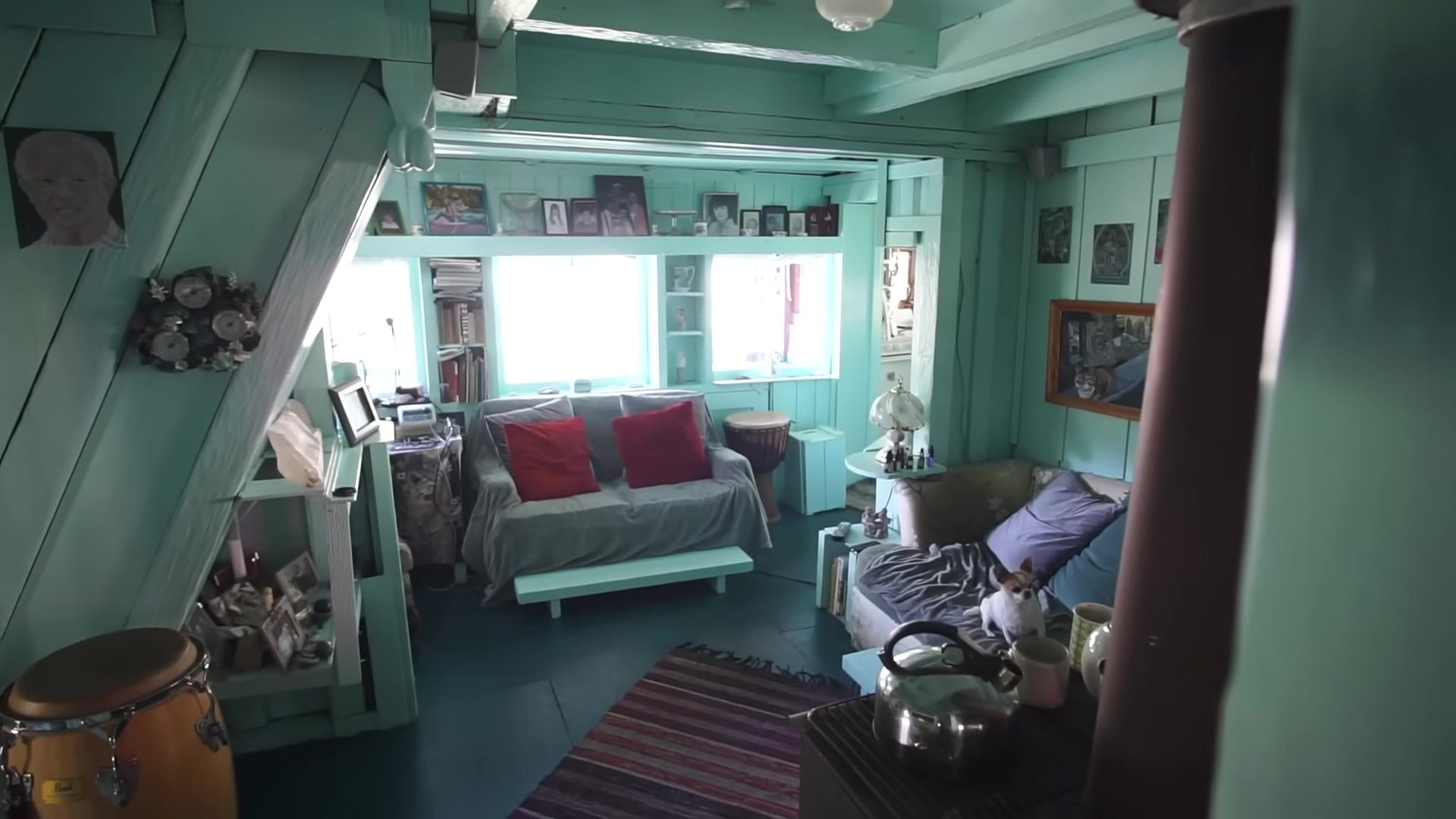
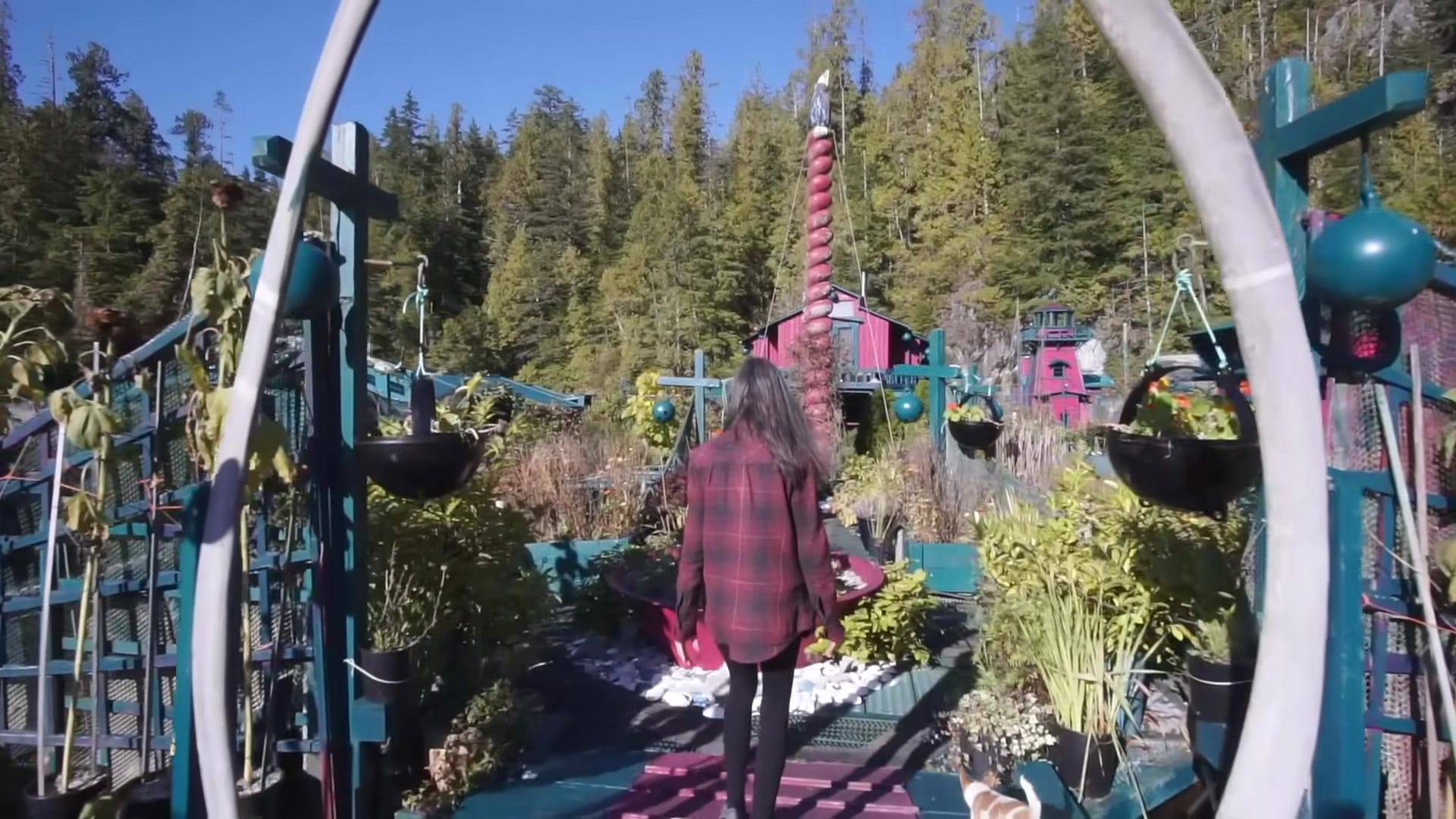
Gardens, Greenhouses & Food — growing on water and what they eat
Growing on water starts small and grows fast. A garden expanded, and the homestead expanded with it.
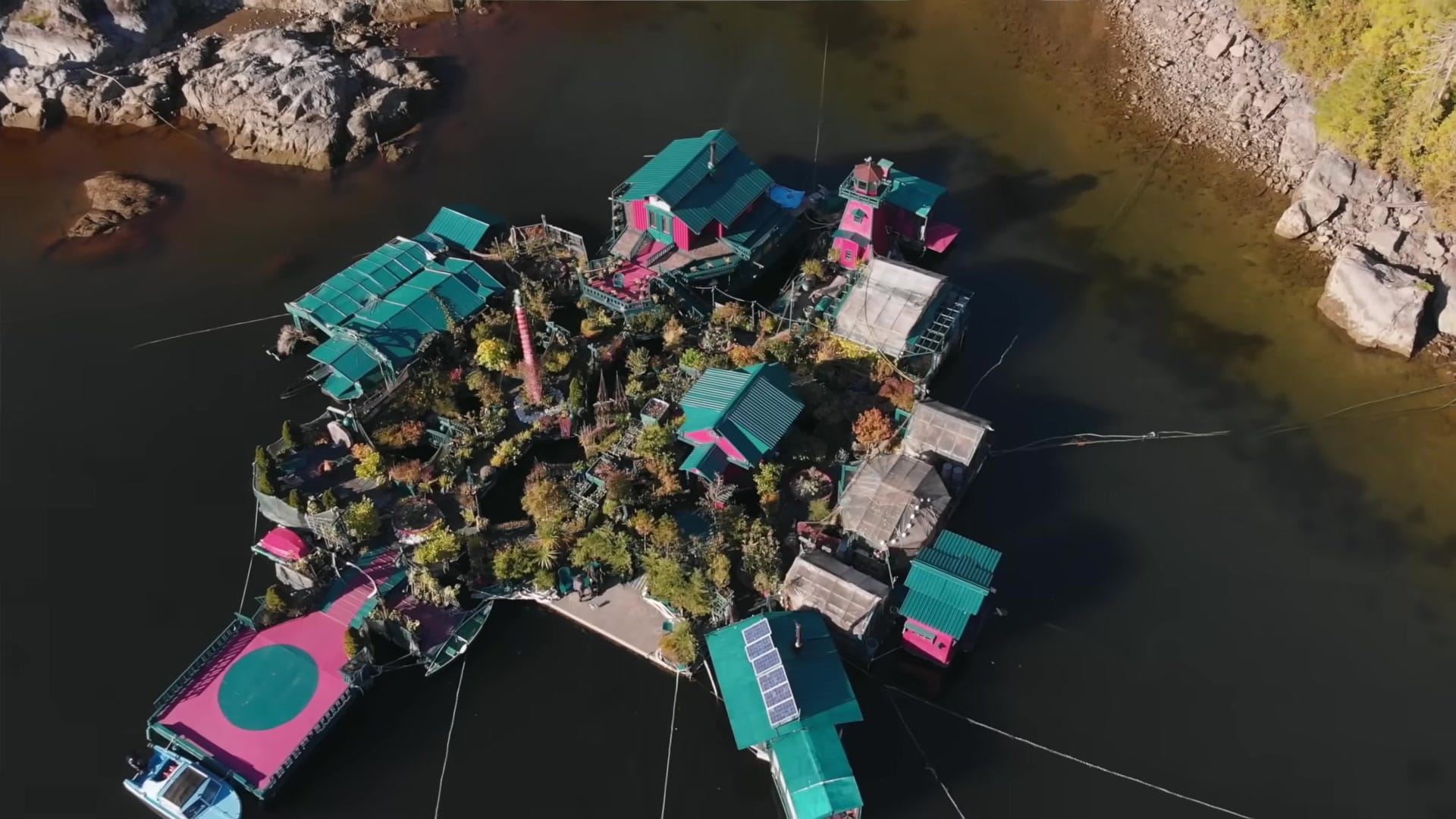
First came a salad garden on a single float. Then came more floats, because more than salads were on the menu.
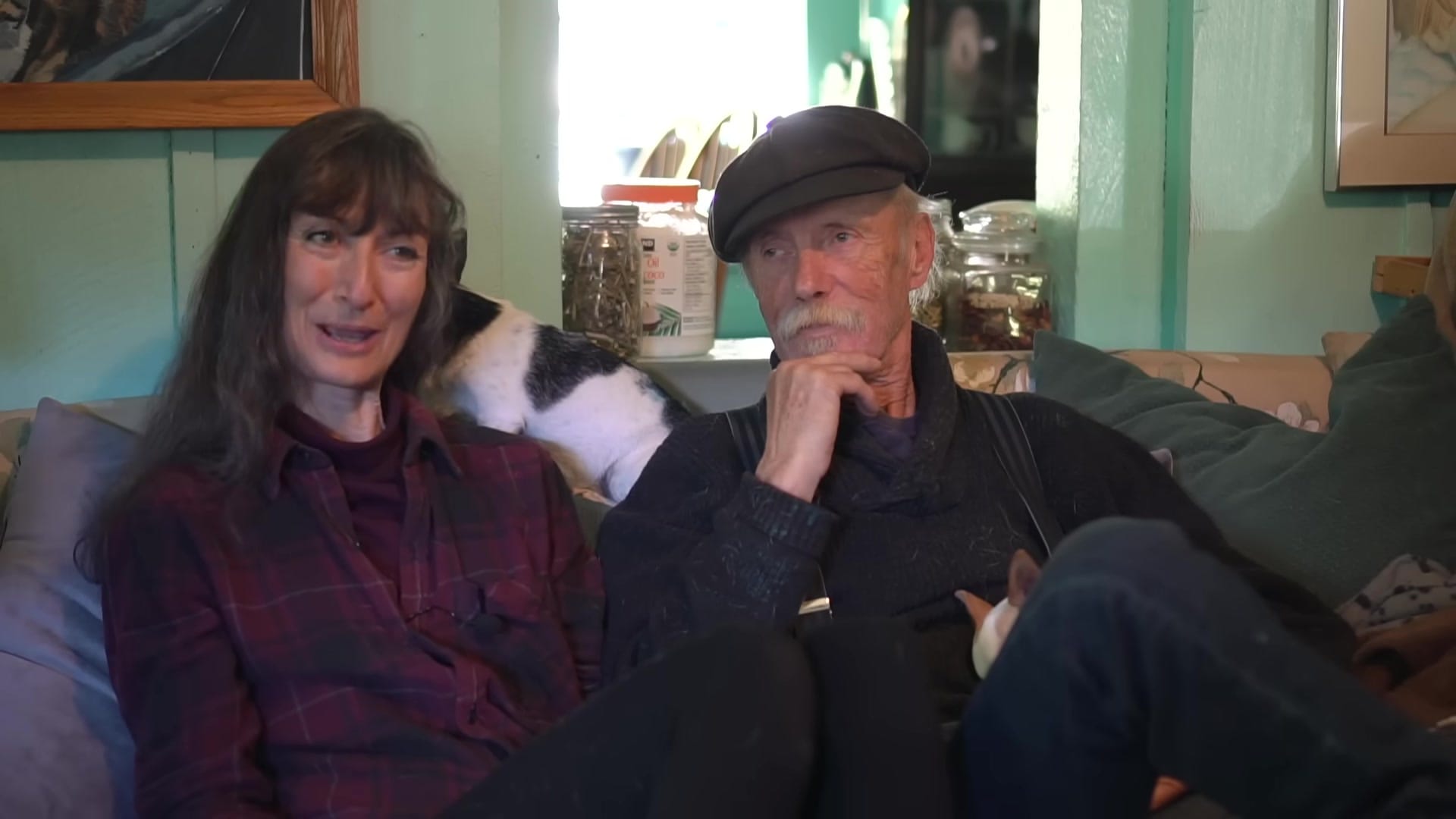
Four greenhouses changed the game. Water chills from below and winds whip hard here, so tender plants got protection.
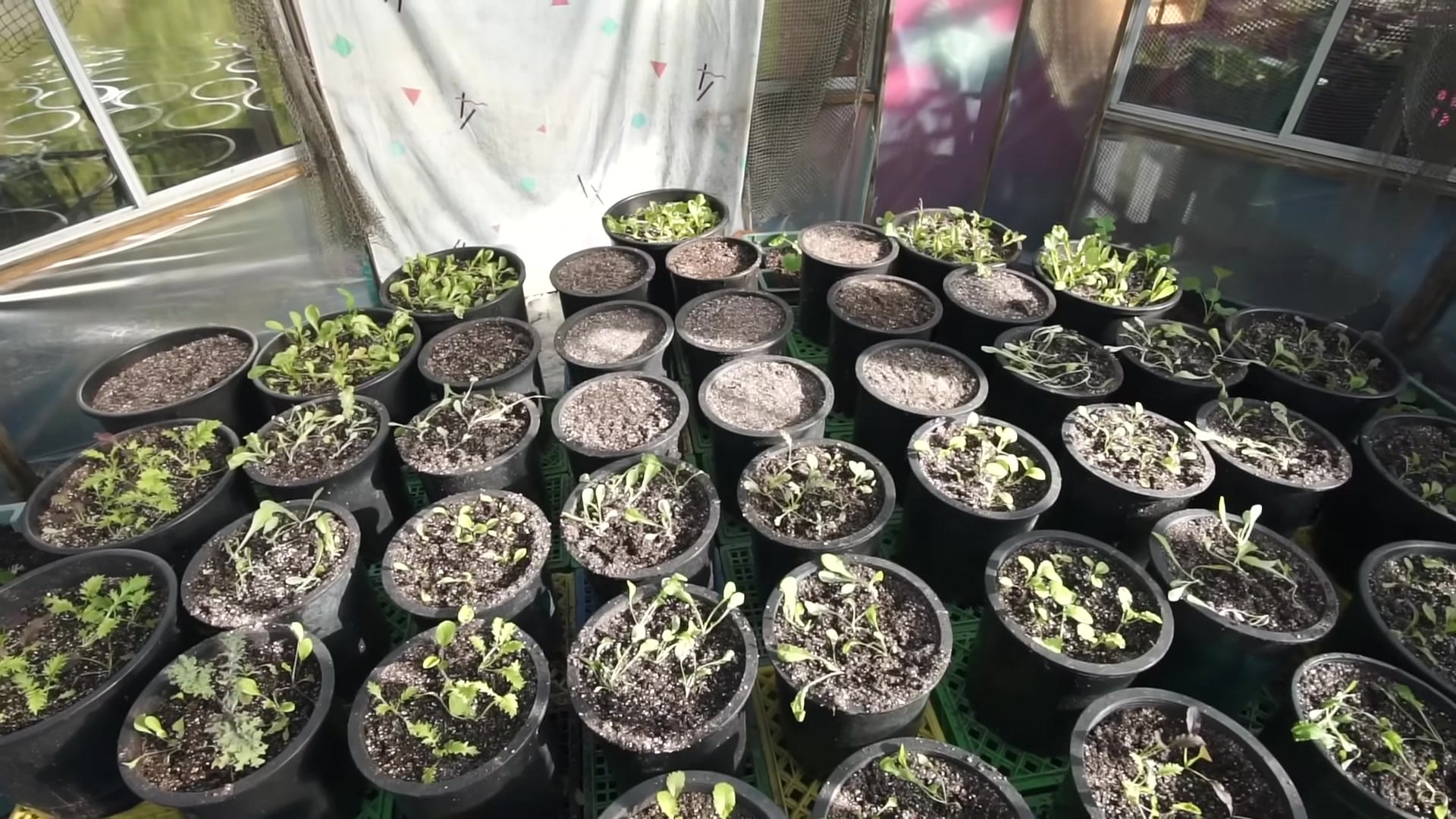
Some crops never leave that shelter. Tomatoes and peppers need the extra heat to thrive.

With the greenhouses in place, the list of possibilities exploded. Now just about anything wanted can grow out here.
Protein comes from different paths for each of them. He fishes and eats fish, crab, and prawns, and trades for certain meats.
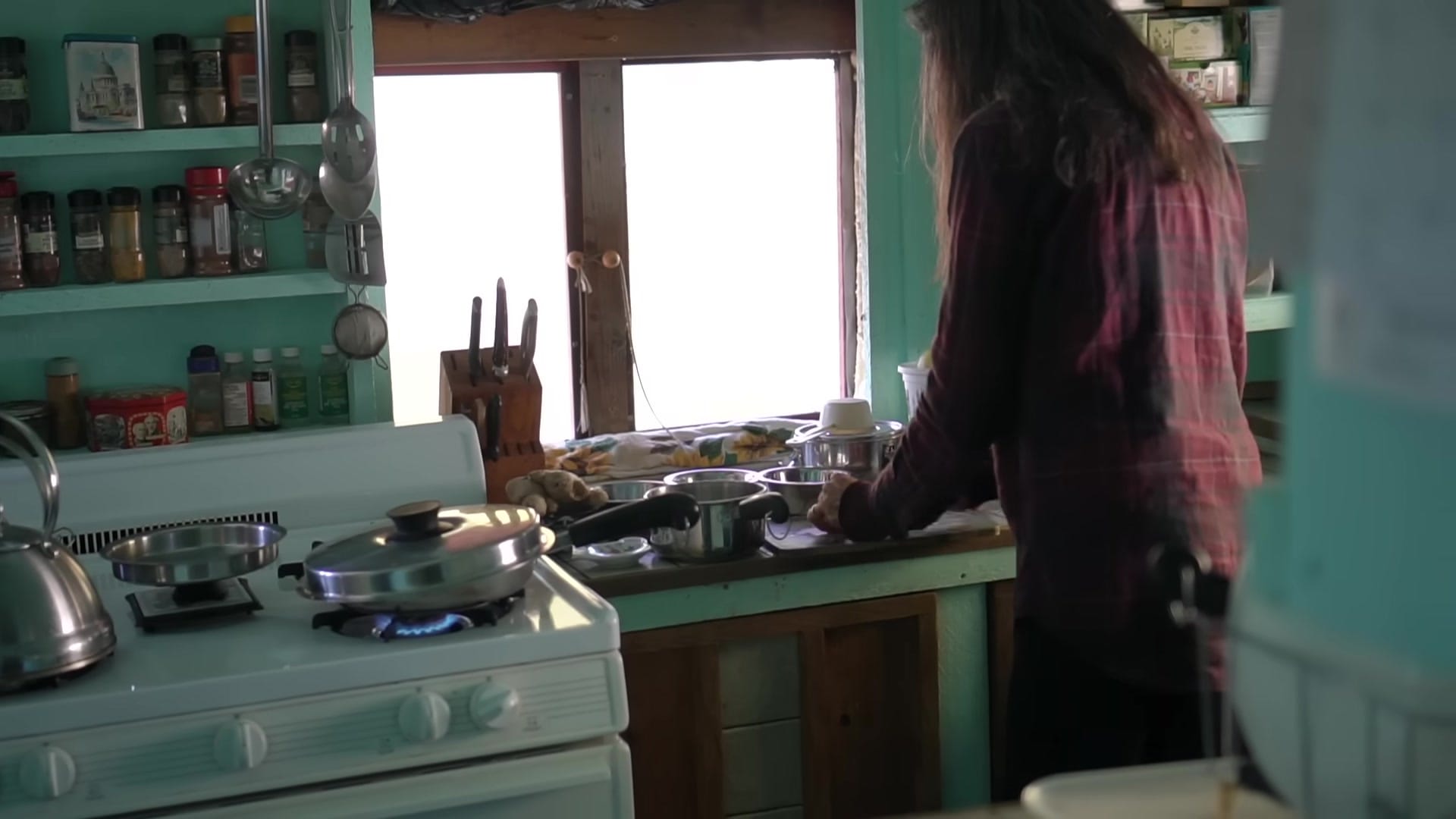
She eats vegetarian and grows her own power foods. Fava beans, peas, corn, quinoa, and black beans add up to complementary protein.
Systems You Can See — water, wastewater, power, heating and maintenance
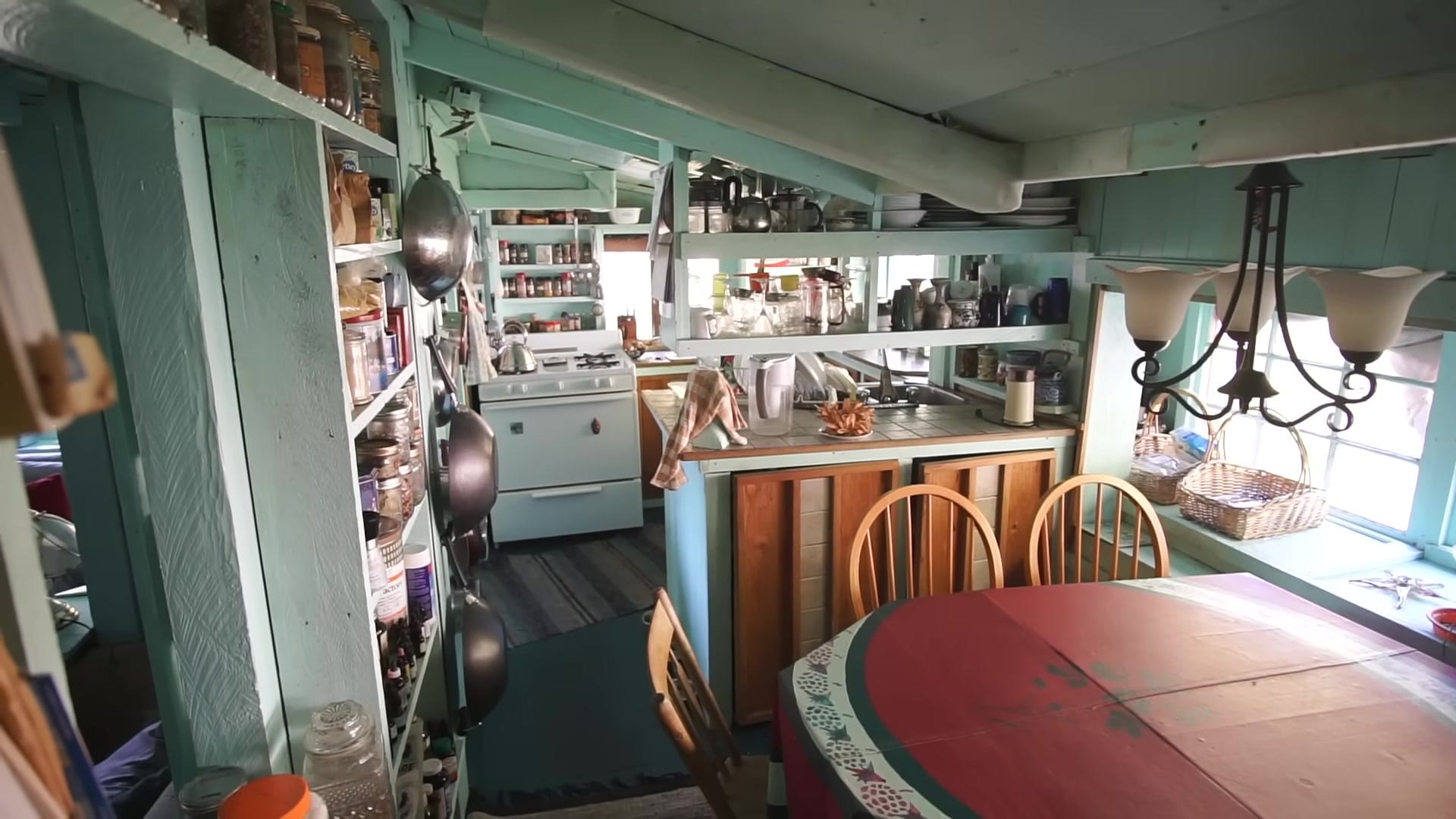
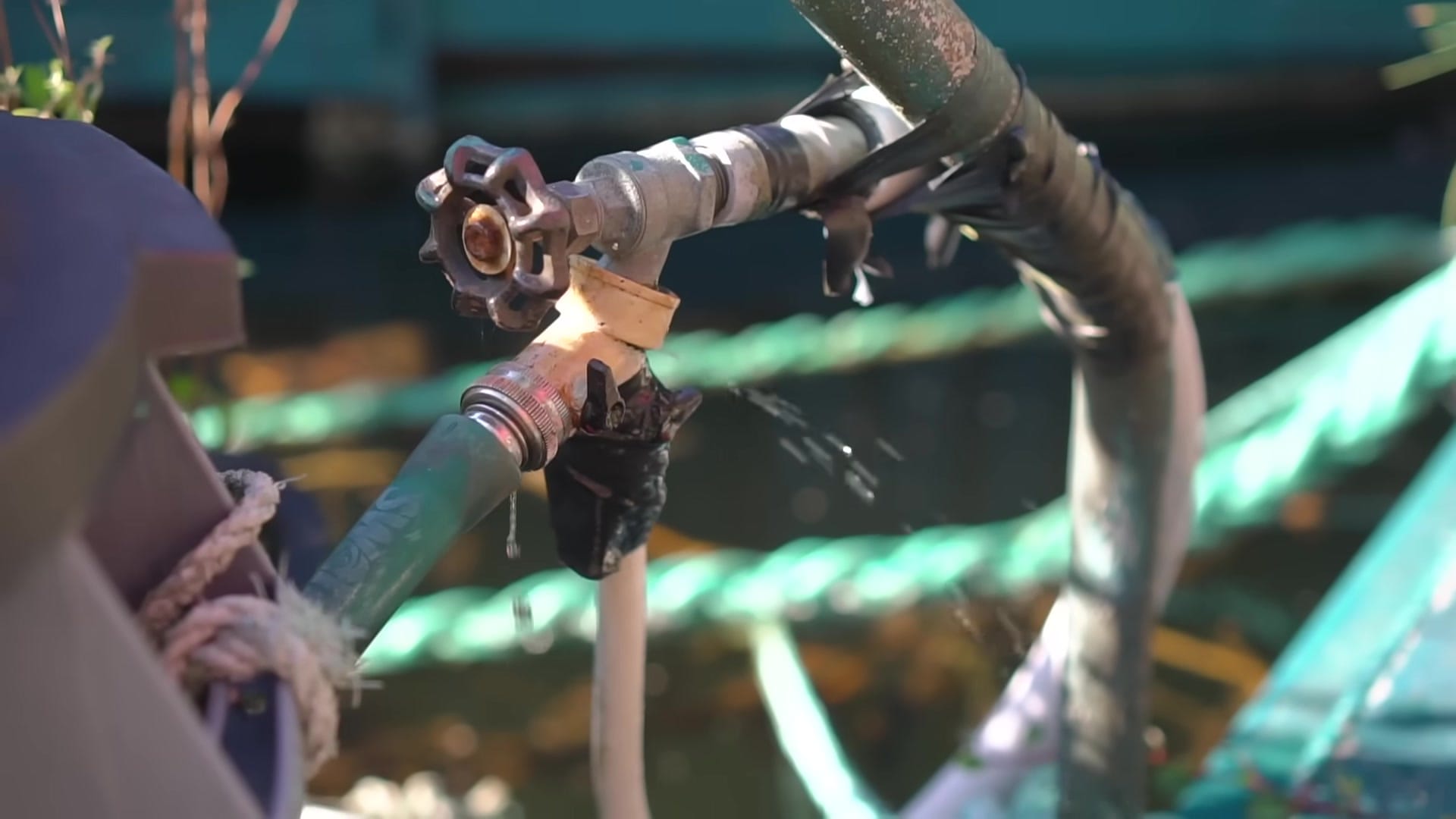
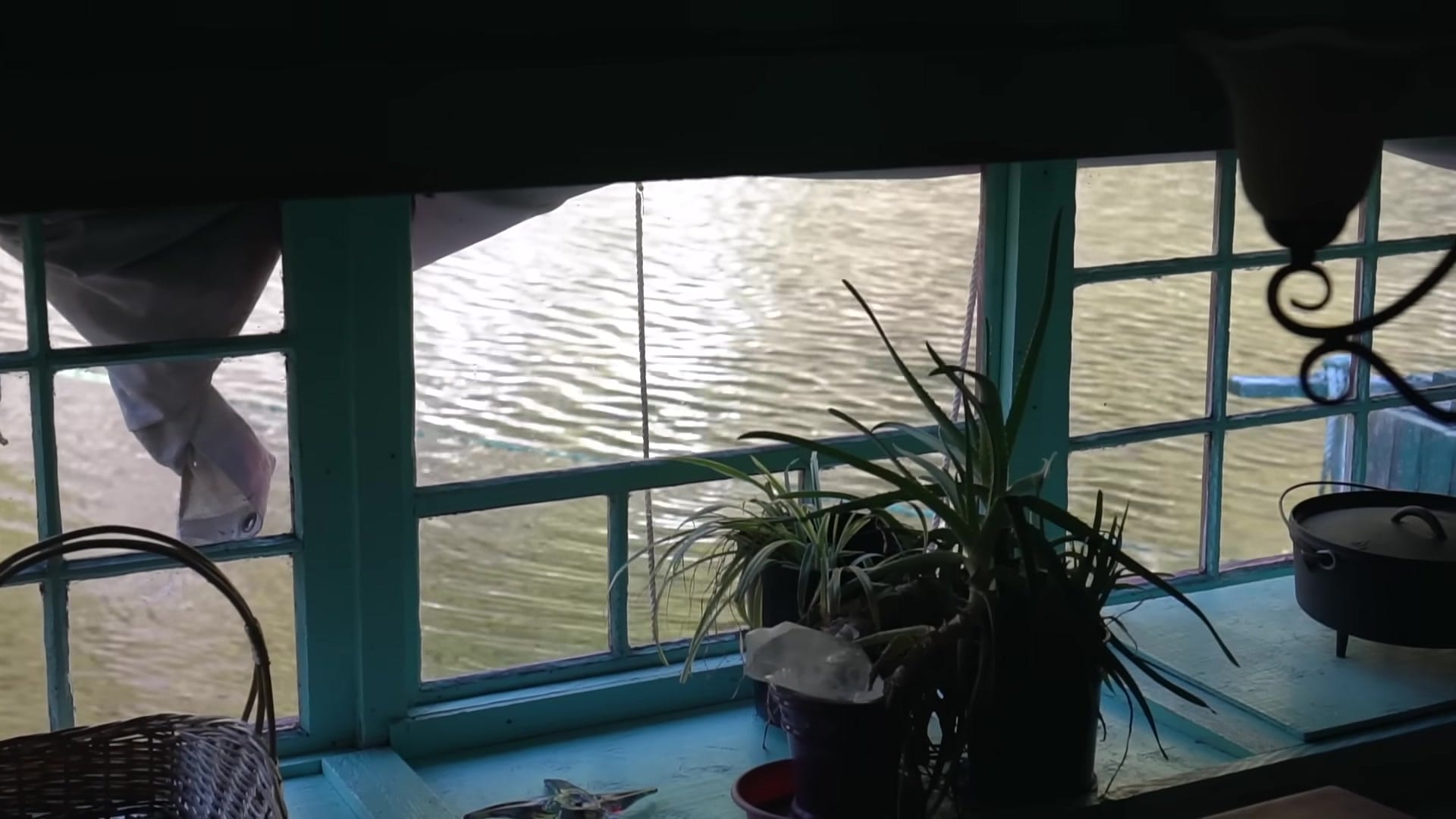
Pick the right cove and the utilities show up without noise. Above the site sits a lake, so water drops into the house by gravity—no pumps needed.
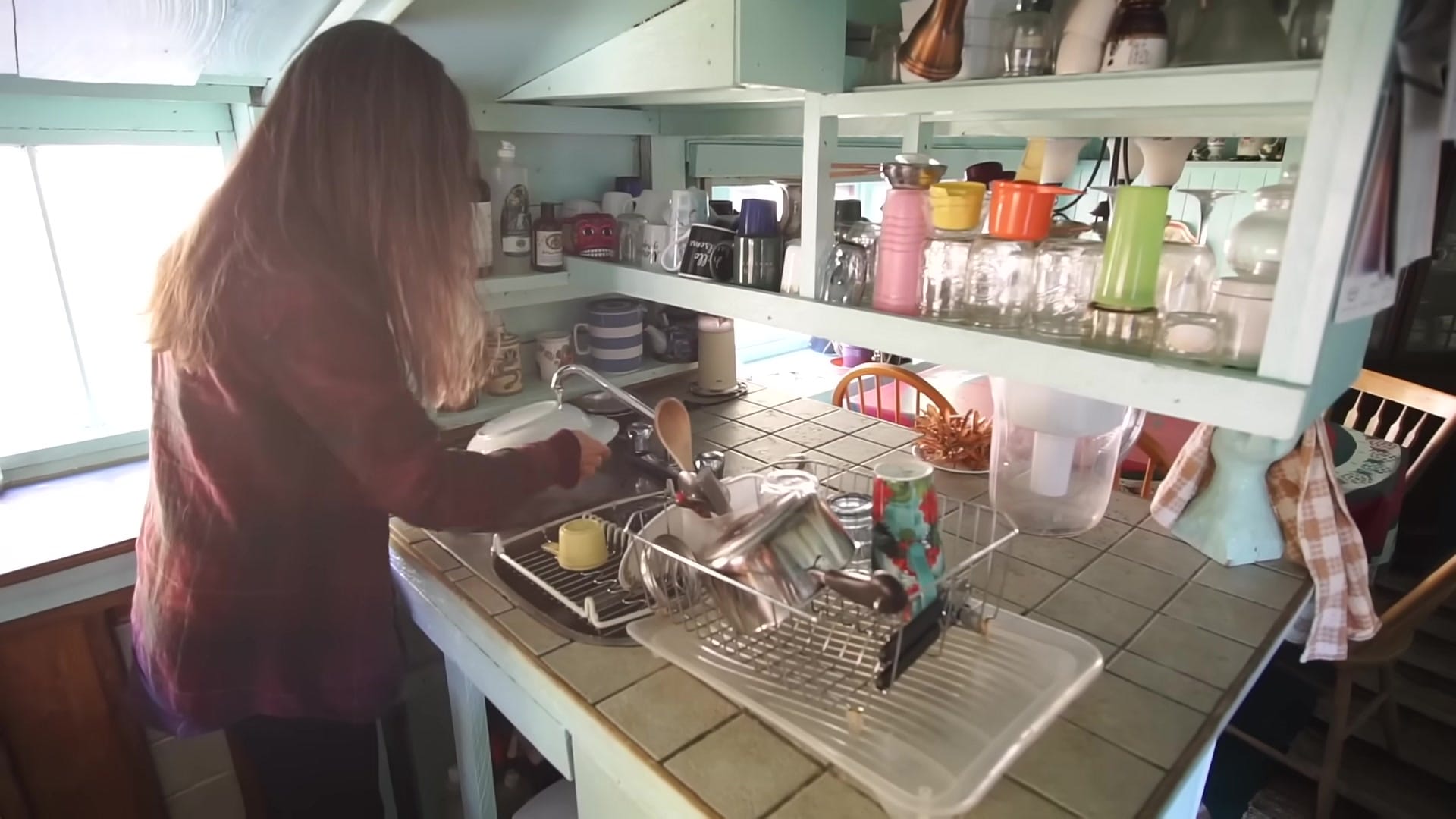
A four‑inch line makes the garden and daily water possible. That simple, quiet flow comes straight from above.

Waste doesn’t get dumped anymore. A gifted microbial system now purifies everything on site.
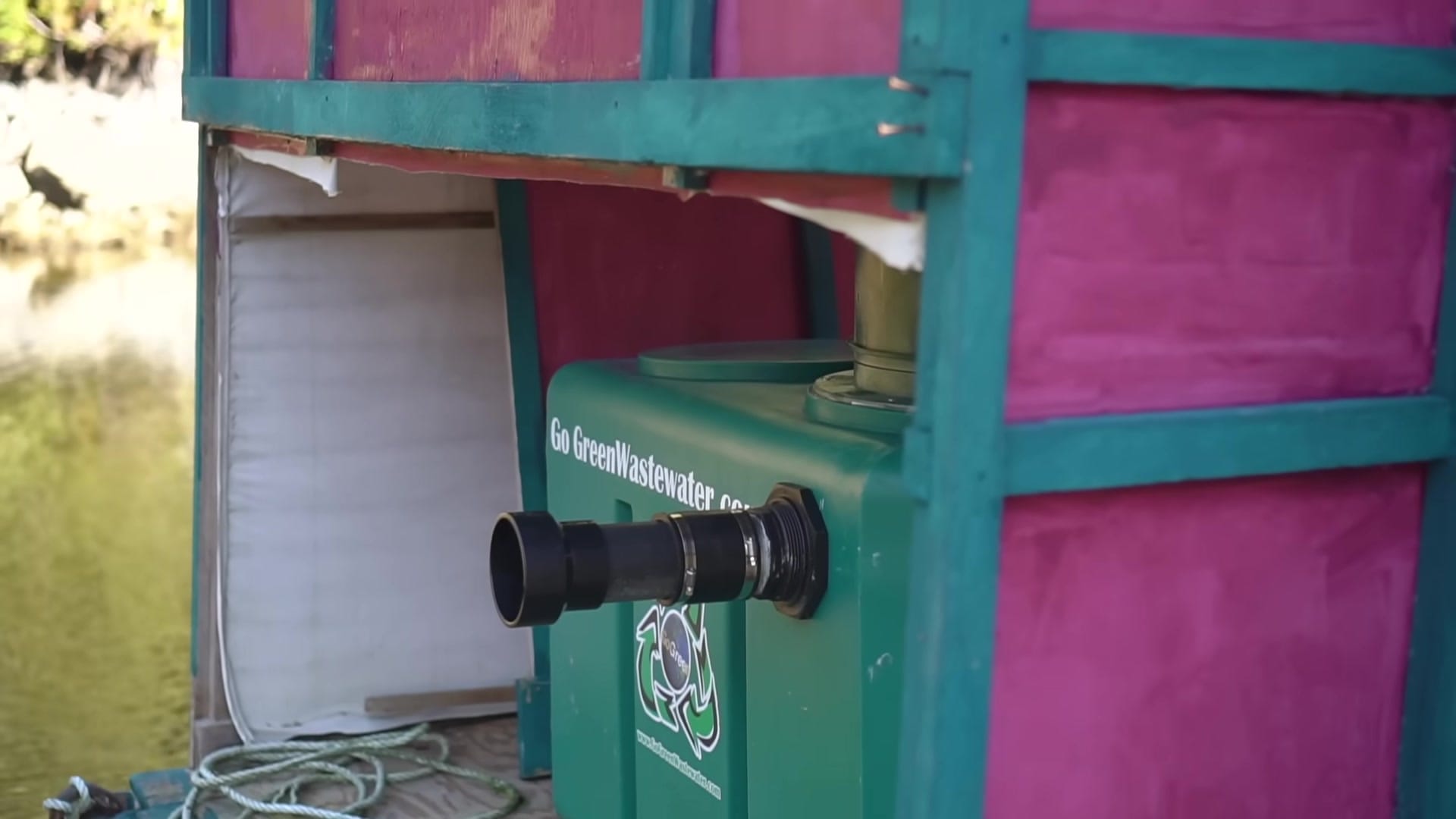
Before that, it ran to a tank, got whipped up like soup, and went out to big water. Now the plan is transformation and reuse, not release.
Power comes two ways. Solar leads when it can, with a generator as backup because energy is intermittent out here.
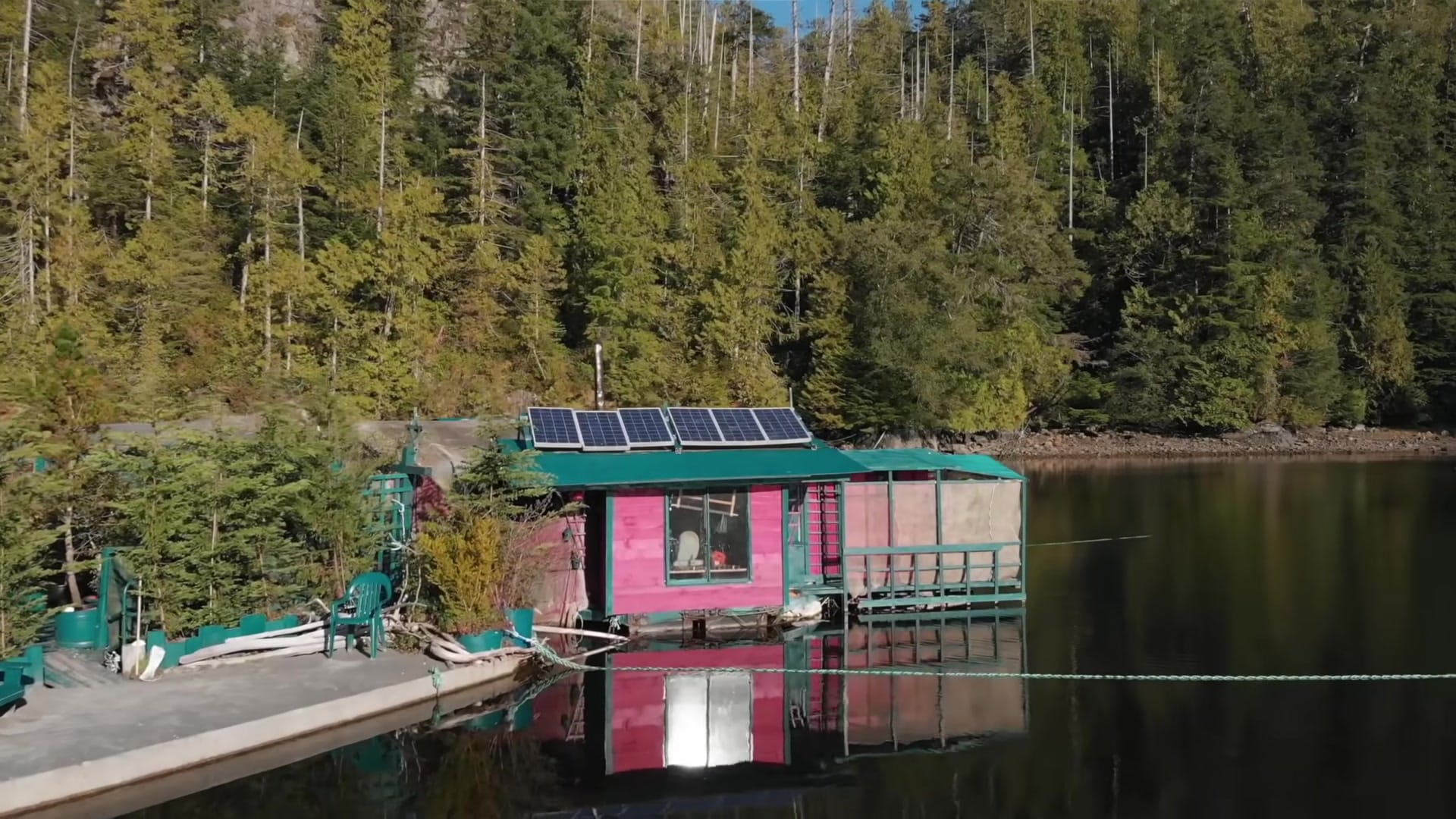
Newer panels work even under cloudier skies. The approach is to use both and keep it maintained.
Heat is local and abundant. Firewood rides in on rivers and beaches, so nothing gets cut from the forest.
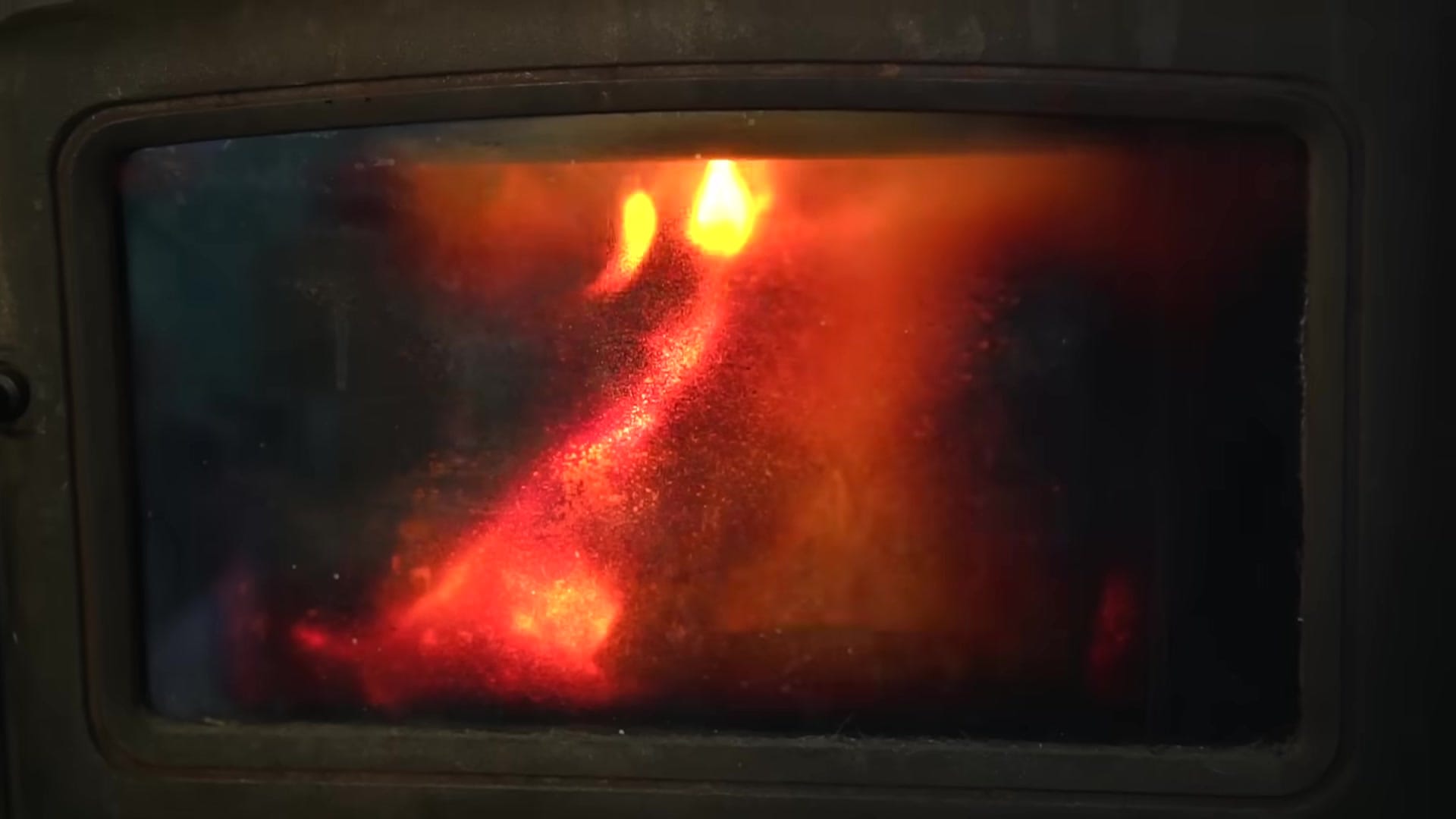
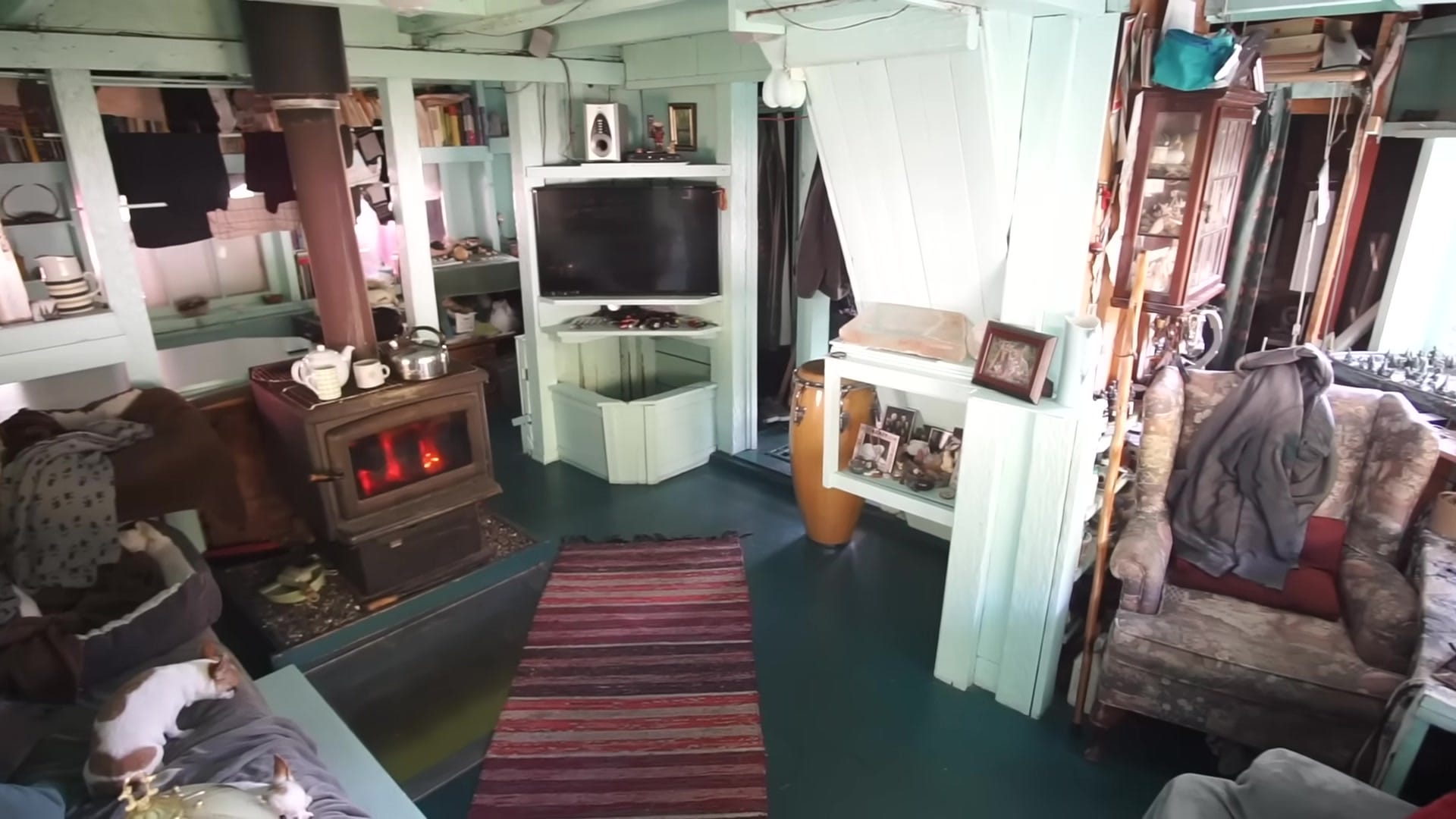
The house itself helps fight mildew. Single walls and an inch of insulation let the place breathe from the inside out.
Why They Stayed — art, trade, finances and the plan to rebuild
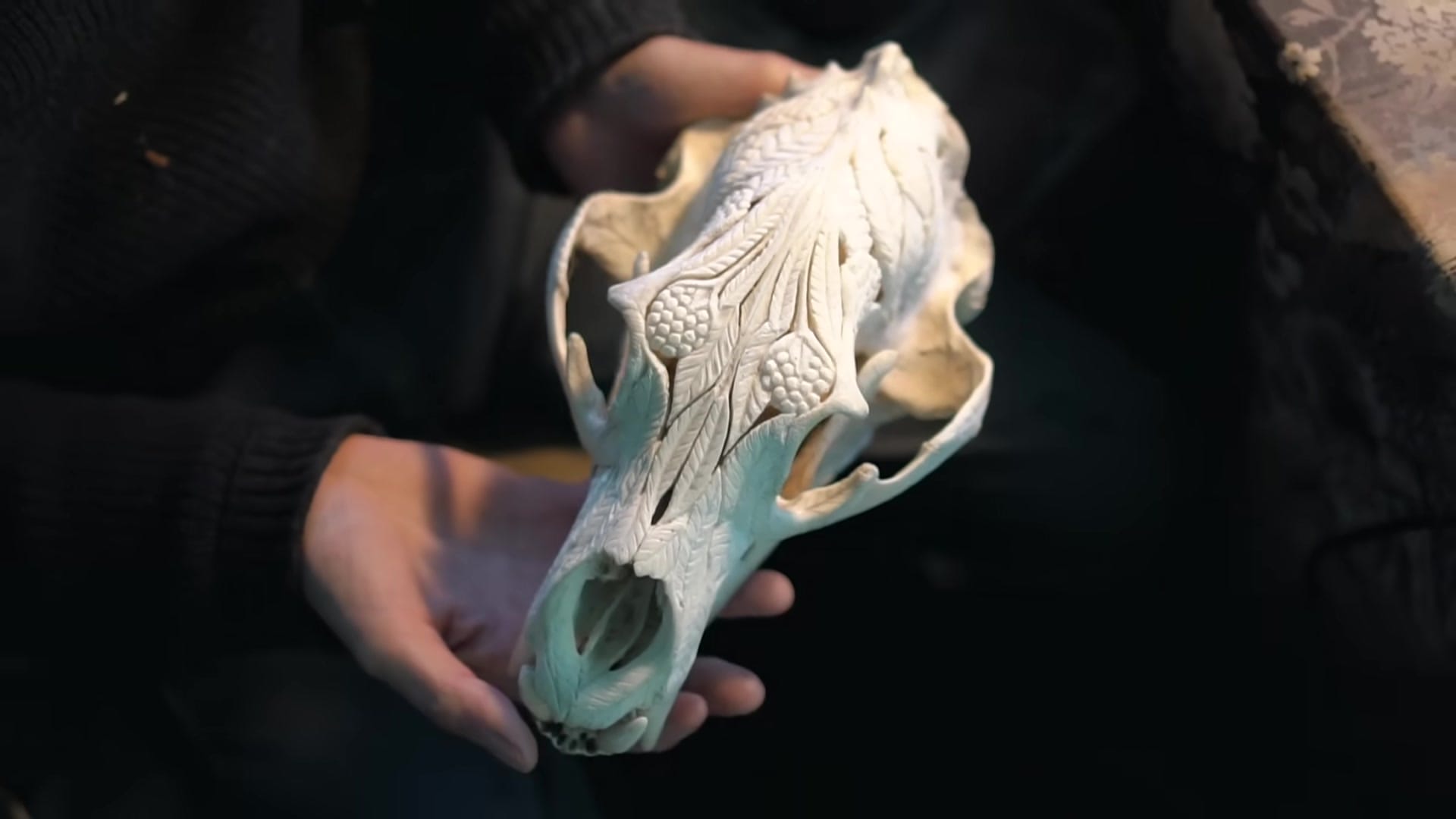
The art paid for more than supplies; it paid for momentum. Trade—carving, artwork, and labor—covered a surprising amount of this life.

Cash came and went without panic. Money was never the point for either of them.
When it ran low, they made more art. Carve, create, go to town, and sell—belief made that cycle work over and over.
That steadiness kept the dream moving. Enough always arrived to keep going.
The work is real work. A hard-life mantra stuck: it’s hard, and it gets harder, so do the work or you can’t live this way.

The message to others stays generous. Don’t copy this—go make your own dream.
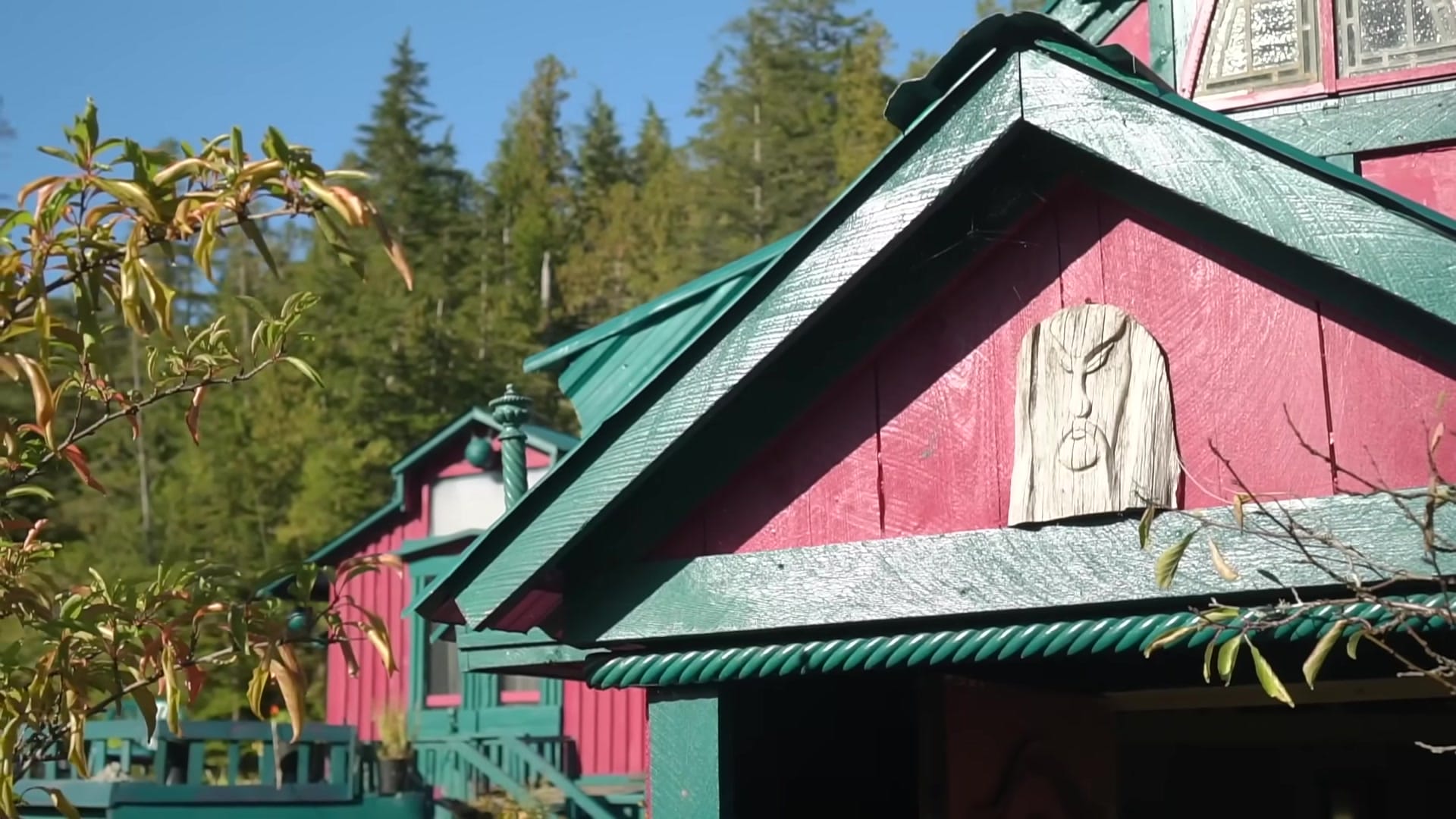
One plan is non‑negotiable: keep living here. The house has lasted 27 years, longer than most float homes, but it will be rebuilt with the newer flotation so it can last a very long time.