The One Sandwich Bread To Stop Buying, According To Bakers
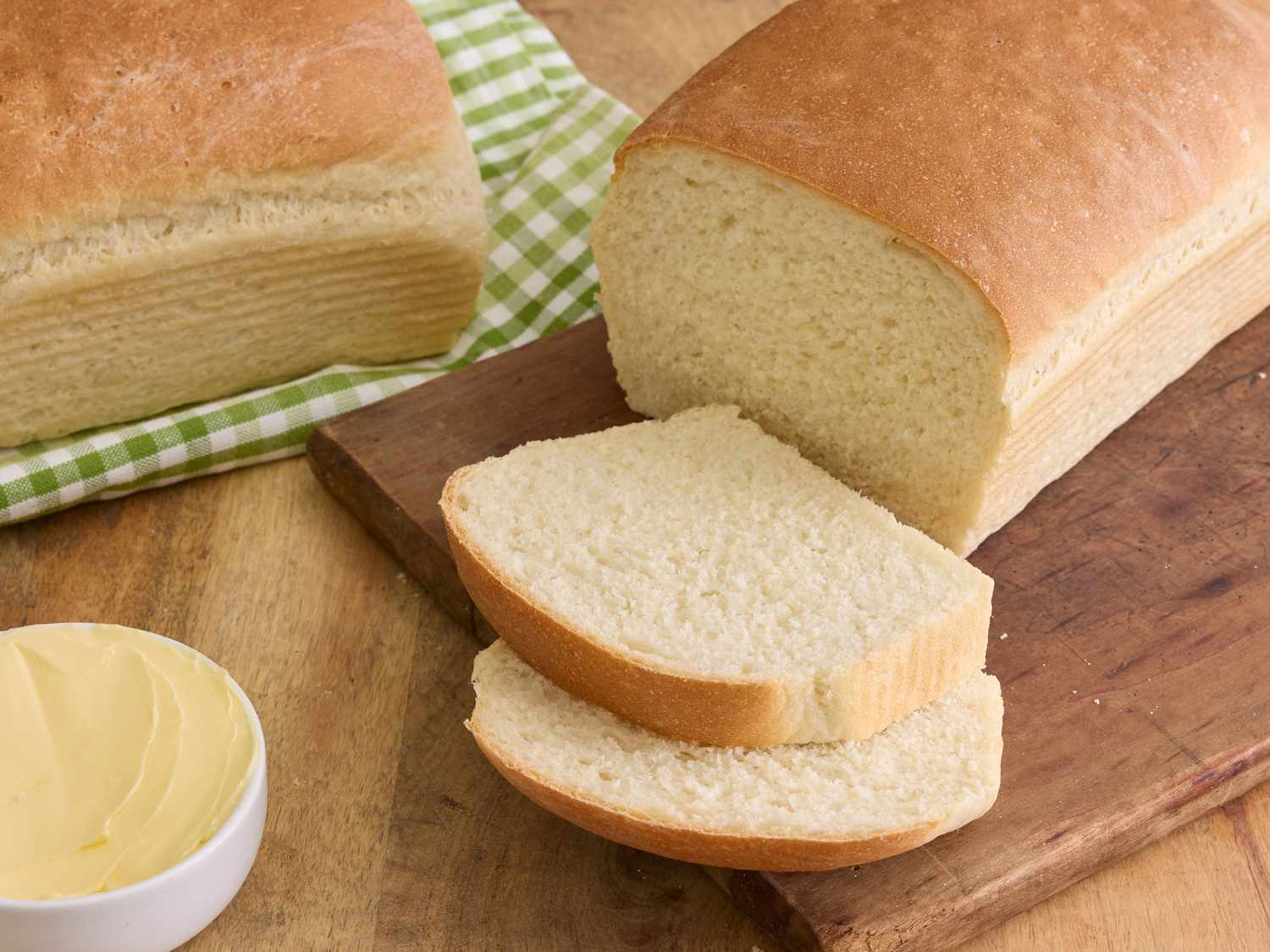
Is your sandwich bread doing more harm than good? Bakers and nutritionists are sounding the alarm on white bread, urging consumers to make healthier choices.
“White bread is a nutritional wasteland,” says Sarah Johnson, a certified nutritionist. “It’s stripped of essential nutrients and fiber, leaving little more than empty calories.”

Many white bread brands contain refined flour, added sugars, and unhealthy fats, which can lead to quick blood sugar spikes and increased hunger.
According to Baker Mike Thompson, “Choosing whole grain or sprouted options can significantly improve your diet.” He recommends Ezekiel bread for its high protein and fiber content, or Dave’s Killer Bread for its blend of whole grains and seeds.
When shopping for bread, look for options with whole grains listed as the first ingredient. Nutritionist Emily Clark advises, “Aim for at least 2-3 grams of fiber per slice and less than 2 grams of added sugar.” By making these simple switches, you can transform your daily sandwich from a potential health hazard into a nutritious meal.
Key Takeaways
- White bread lacks essential nutrients and can cause blood sugar spikes
- Whole grain and sprouted breads offer better nutritional value
- Look for breads high in fiber and low in added sugars
The Case Against White Bread

White bread has fallen out of favor with health-conscious consumers and nutrition experts alike. Its refined ingredients and potential health risks have led many to seek alternatives.
Refined Ingredients and Nutritional Deficits
White bread is made from highly processed flour that lacks key nutrients. “The refining process strips away the bran and germ, removing essential vitamins, minerals, and fiber,” explains nutritionist Dr. Sarah Chen.
This nutritional void is concerning to many health professionals. Baker John Smith notes, “When you compare white bread to whole grain options, the difference in nutritional value is stark.”
Some manufacturers try to compensate by adding back certain nutrients. However, dietitian Lisa Park warns, “Enriched flour doesn’t come close to matching the natural nutrient profile of whole grains.”
Blood Sugar Spikes and Health Risks
The high glycemic index of white bread can cause rapid spikes in blood sugar levels. Dr. Michael Lee, an endocrinologist, cautions, “These sudden increases can be particularly problematic for people with diabetes or those at risk for the condition.”
Even for those without diabetes, there are concerns. “The quick rise and fall in blood sugar can lead to increased hunger and overeating,” says nutritionist Emma Davis.
Some studies have linked high consumption of refined grains to health issues. Researcher Dr. David Brown states, “Our findings suggest a correlation between diets high in refined grains and increased risk of heart disease and type 2 diabetes.”
Bakers’ Recommendations for Healthier Alternatives
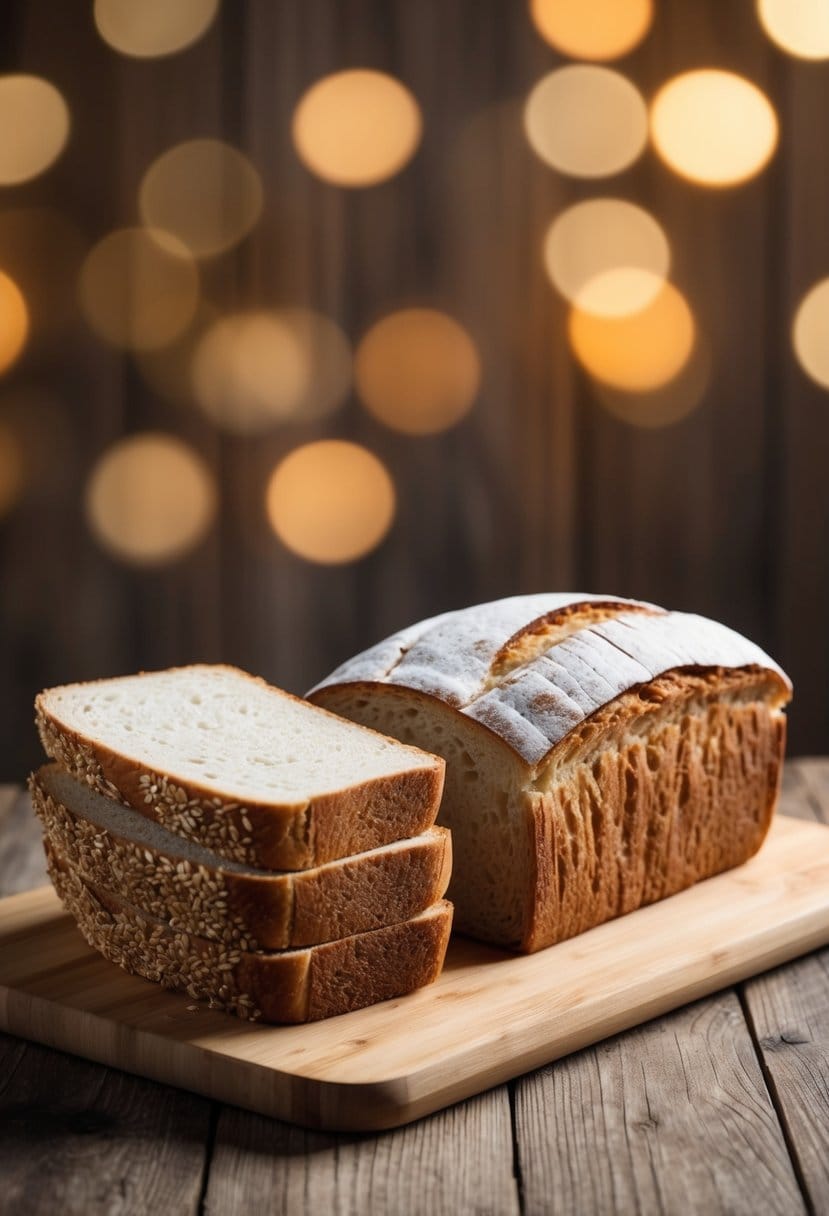
Bakers suggest swapping white bread for nutrient-dense options. They highlight whole grain and sprouted breads as top picks for better health.
Choosing Whole Grains and Sprouted Options
“Whole grain breads are packed with fiber and nutrients,” says Sarah Thompson, a certified nutritionist and bakery owner. She recommends looking for breads that list whole wheat flour as the first ingredient.
Sprouted grain breads are another great choice. “Sprouting increases nutrient availability,” explains Mark Chen, a bakery chef. “It can make the bread easier to digest too.”
Rye bread is also a smart pick. “Whole grain rye offers a rich, nutty flavor and lots of fiber,” notes Emma Rodriguez, an artisan baker.
Many bakers point to Ezekiel bread as a top choice. It’s made from sprouted grains and legumes, offering a complete protein.
Identifying Nutrient-Dense Breads
Reading labels is key to finding healthier breads. “Look for at least 3 grams of fiber per slice,” advises Thompson. She also suggests checking the sugar content. “Aim for 2 grams or less of added sugar per serving.”
Protein content matters too. “A good bread should have about 4-5 grams of protein per slice,” Chen states.
Some bakers recommend Dave’s Killer Bread for its high whole grain and seed content. “It’s a nutritional powerhouse,” says Rodriguez.
Watch out for misleading terms. “Don’t be fooled by ‘wheat bread’ – it’s often just white bread in disguise,” warns Thompson. “Always check that whole grain flour is listed first.”