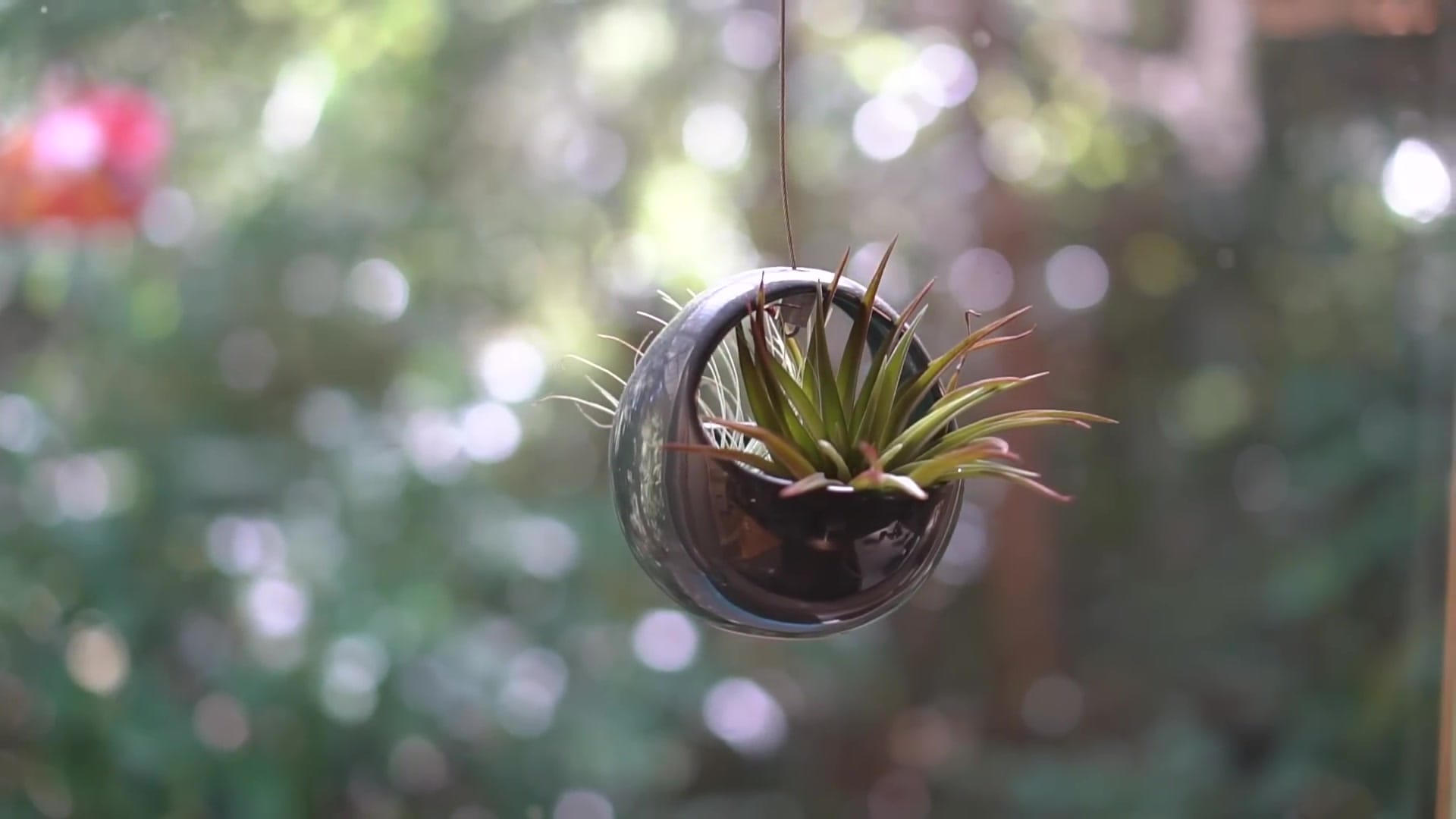
The Cob Micro Cabin Built from Trash — 400 sq ft of Ingenuity
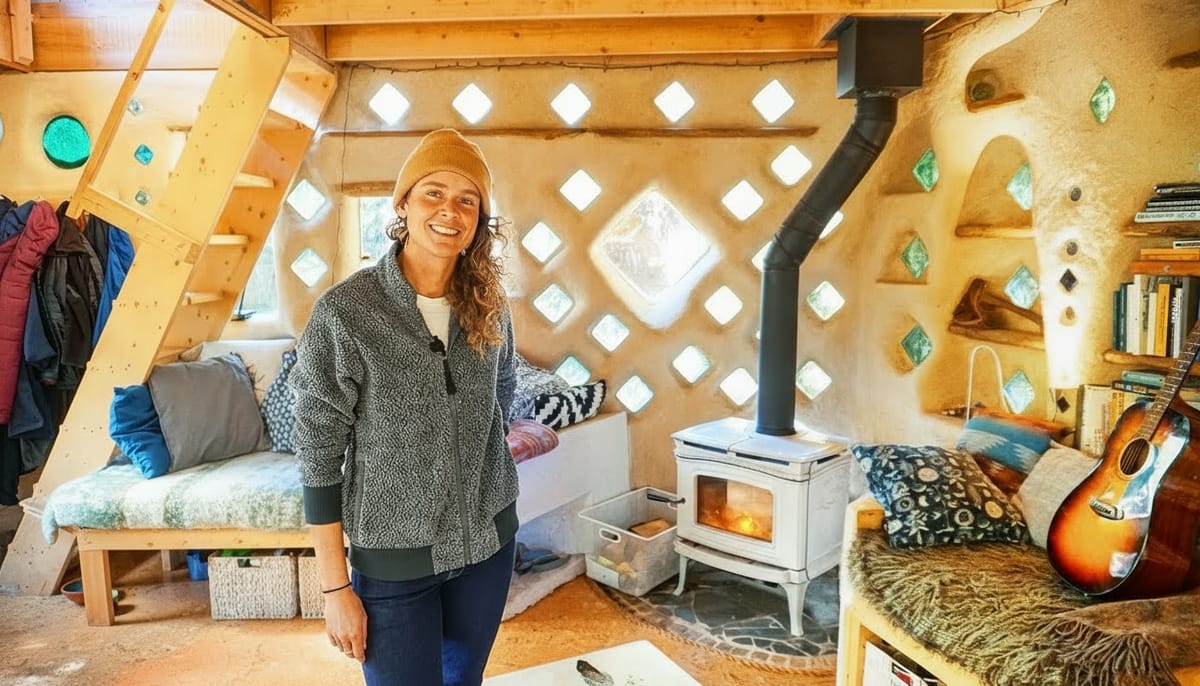
It’s compact and unconventional.
House at a glance — size, shape, and layout
The builder is a professional snowboarder who’s lived here four years.
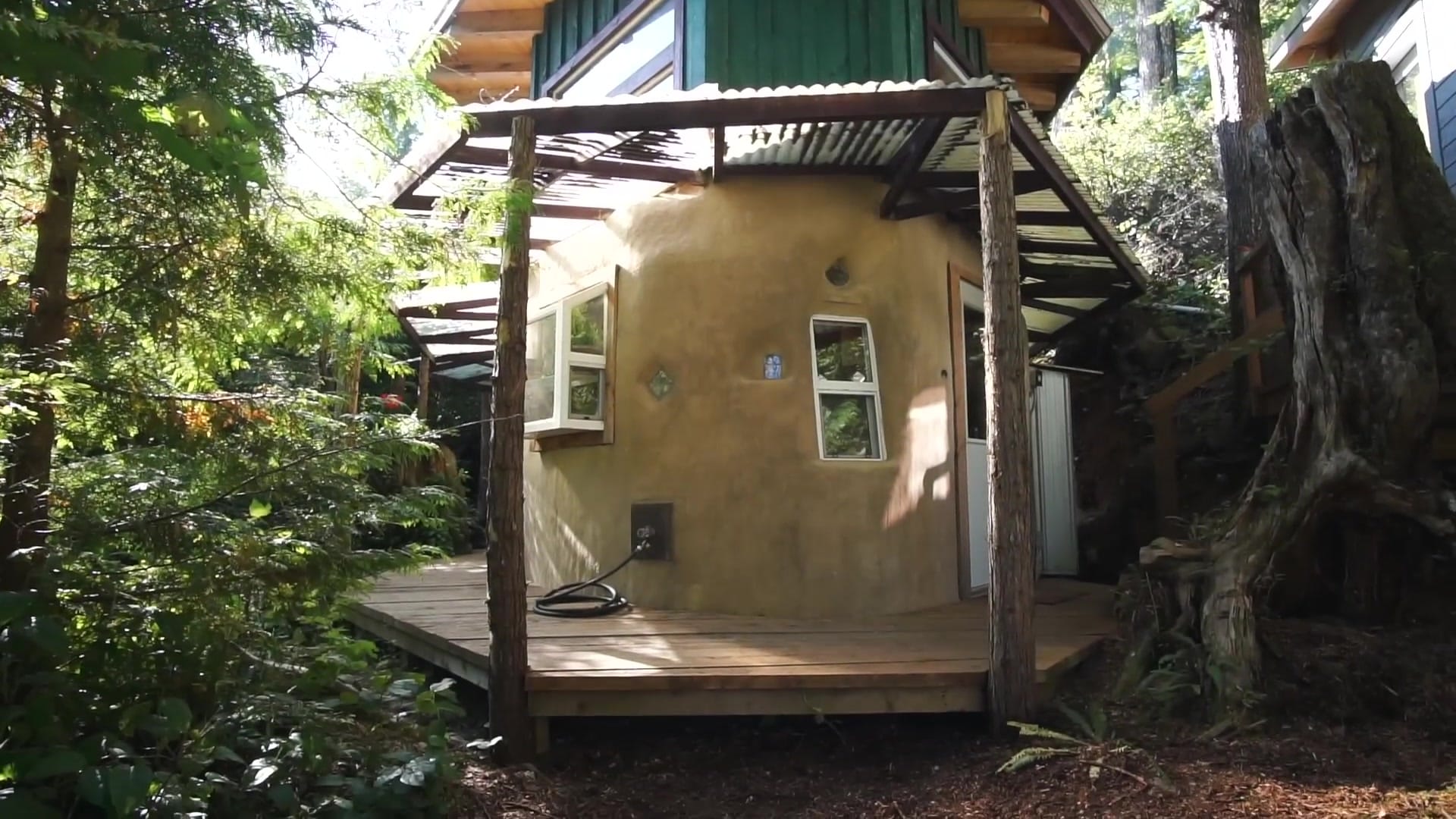
The footprint sits at about 400 square feet with an extra 10x10 outhouse off to the side.
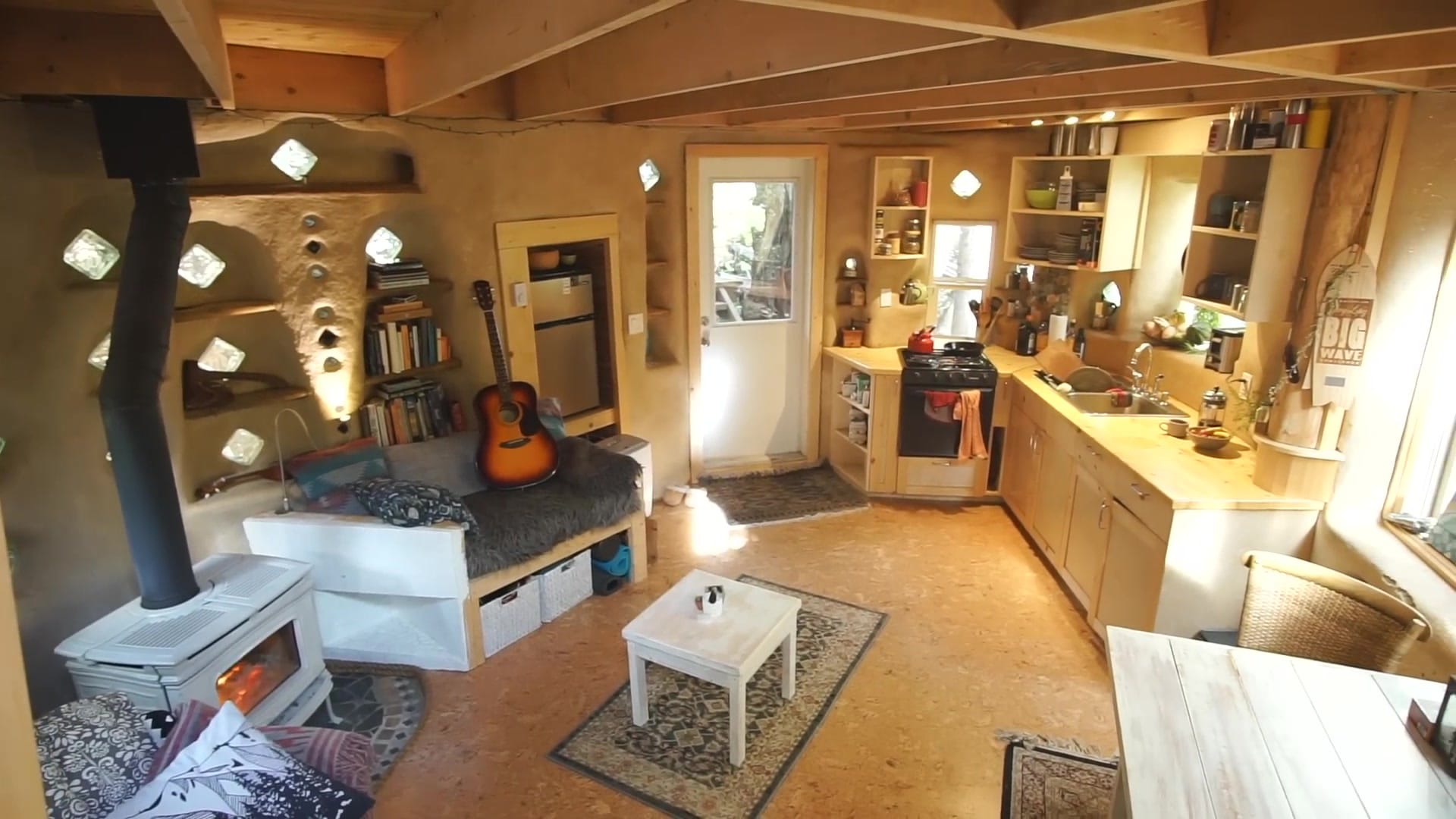
The plan is simple: two big rooms down below and a sleeping loft above.
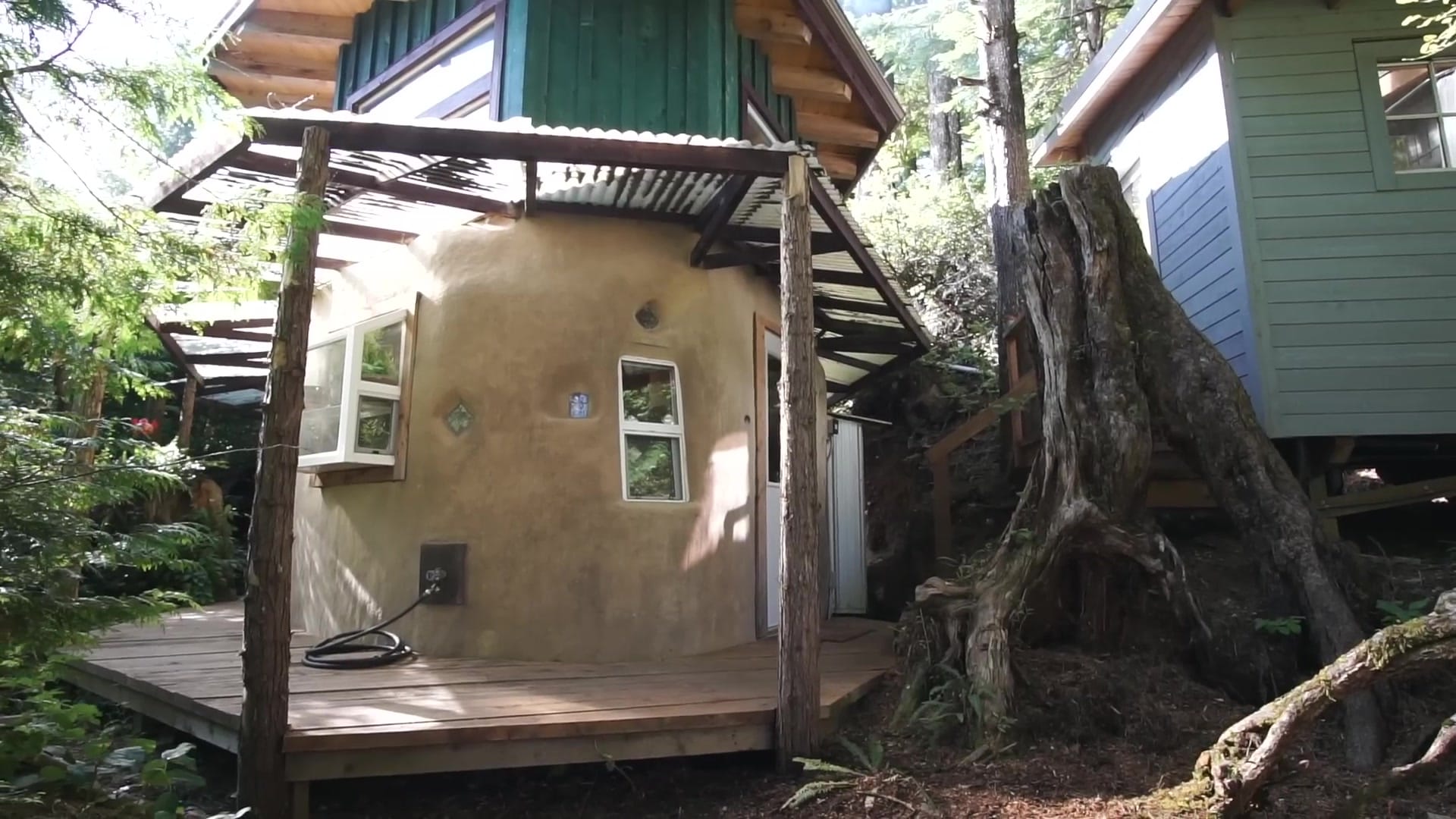
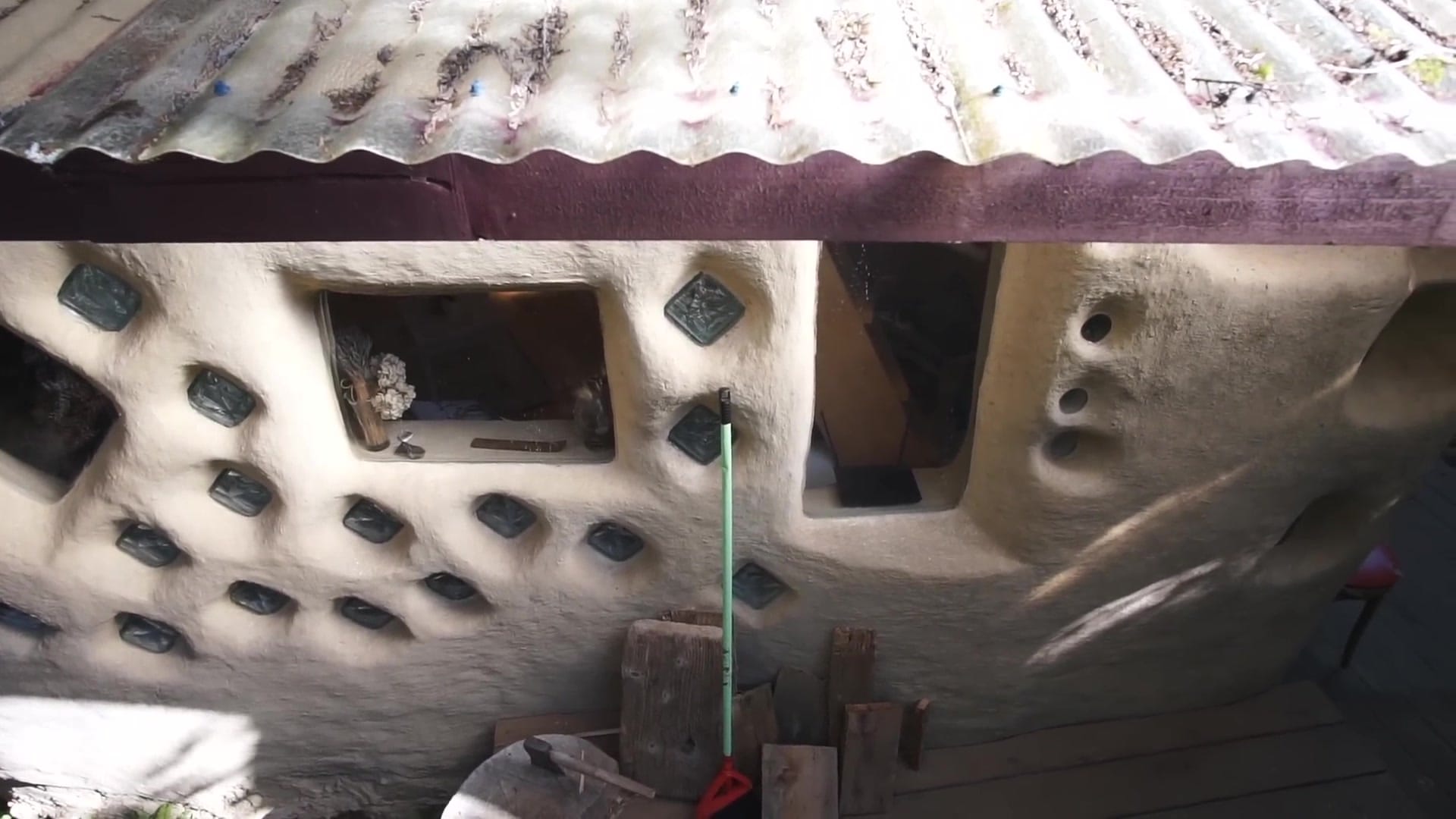
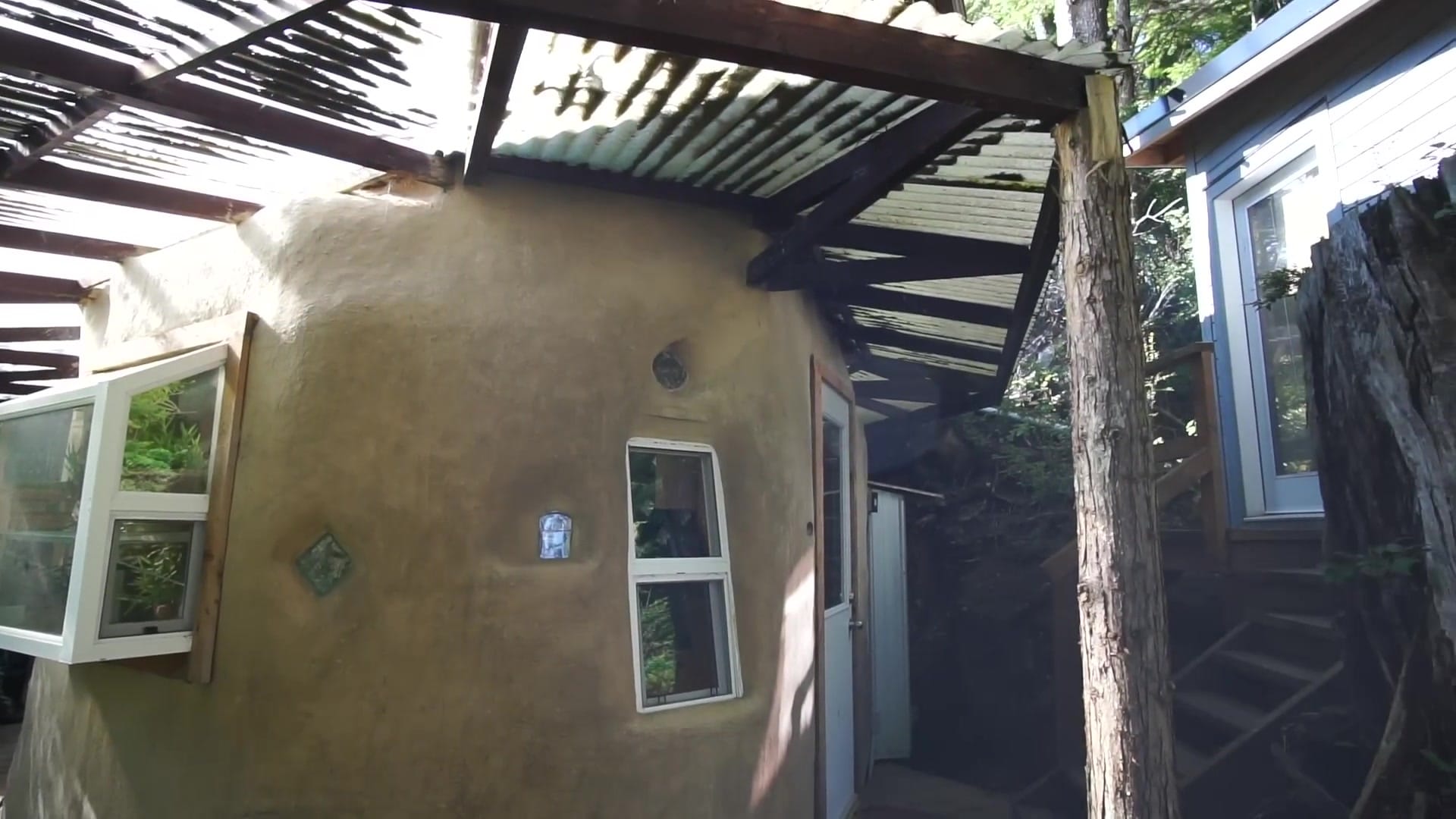
The exterior reads roundish and oddly shaped because the walls follow the rock and dig of the site .
Cob building — how she mixed walls and used waste
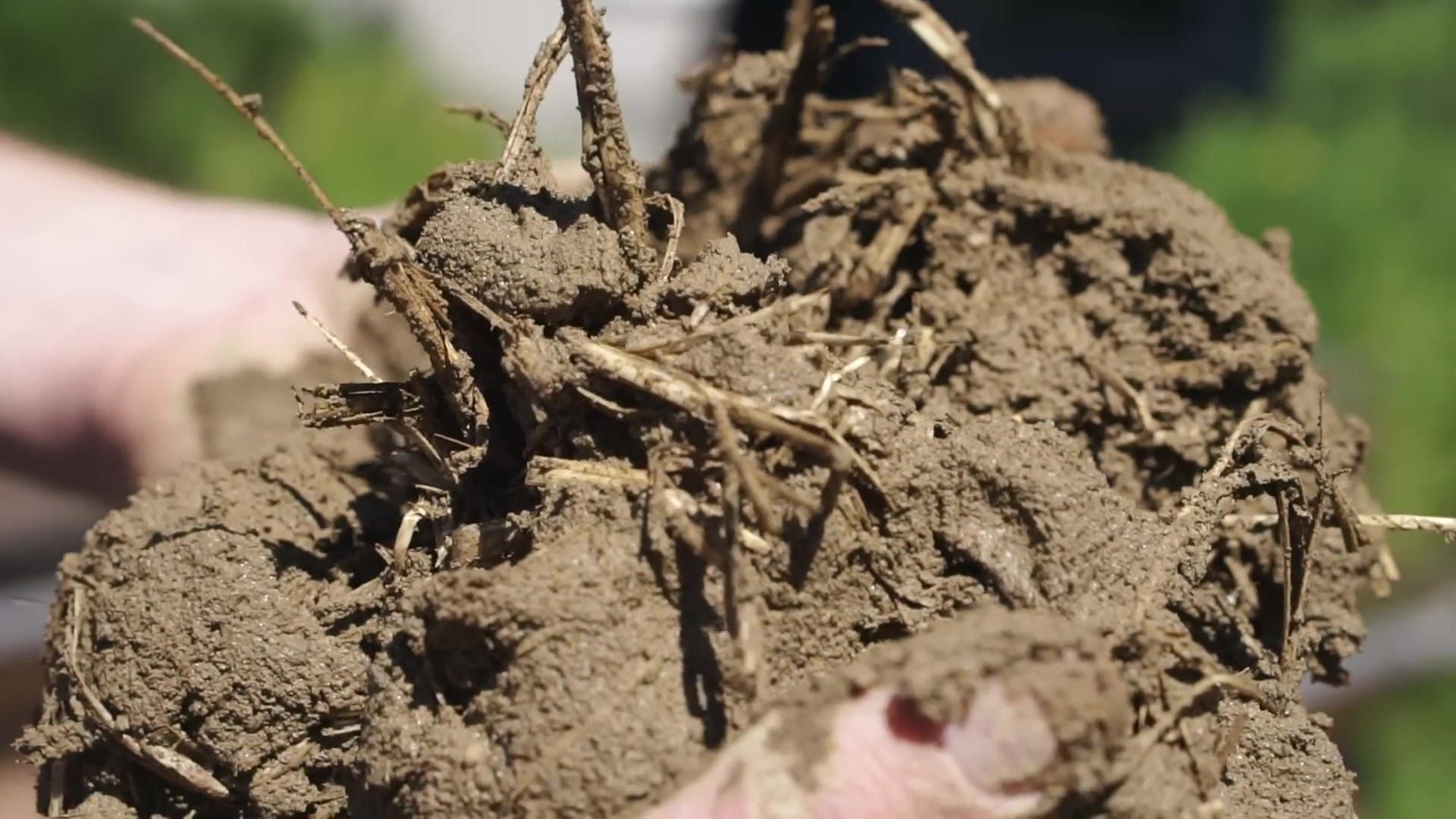
The walls are cob: sand, clay, and straw mixed by foot like big batches of Play‑Doh.
She made the cob on a tarp, stepped it together, scooped it into buckets, and shaped the walls from the ground up.
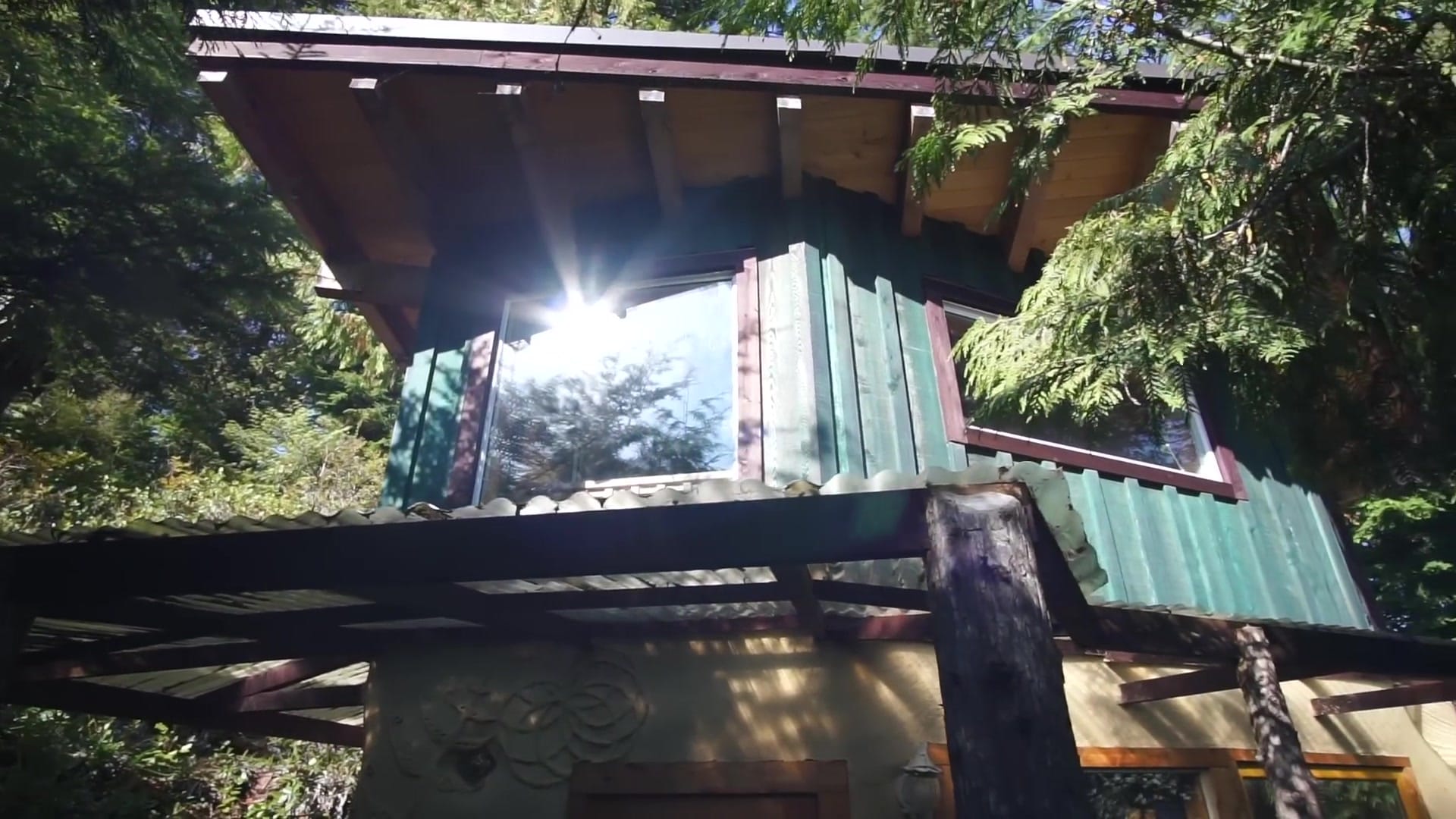
The roof was built first, so the cob walls are non‑structural and could accept light fillers.
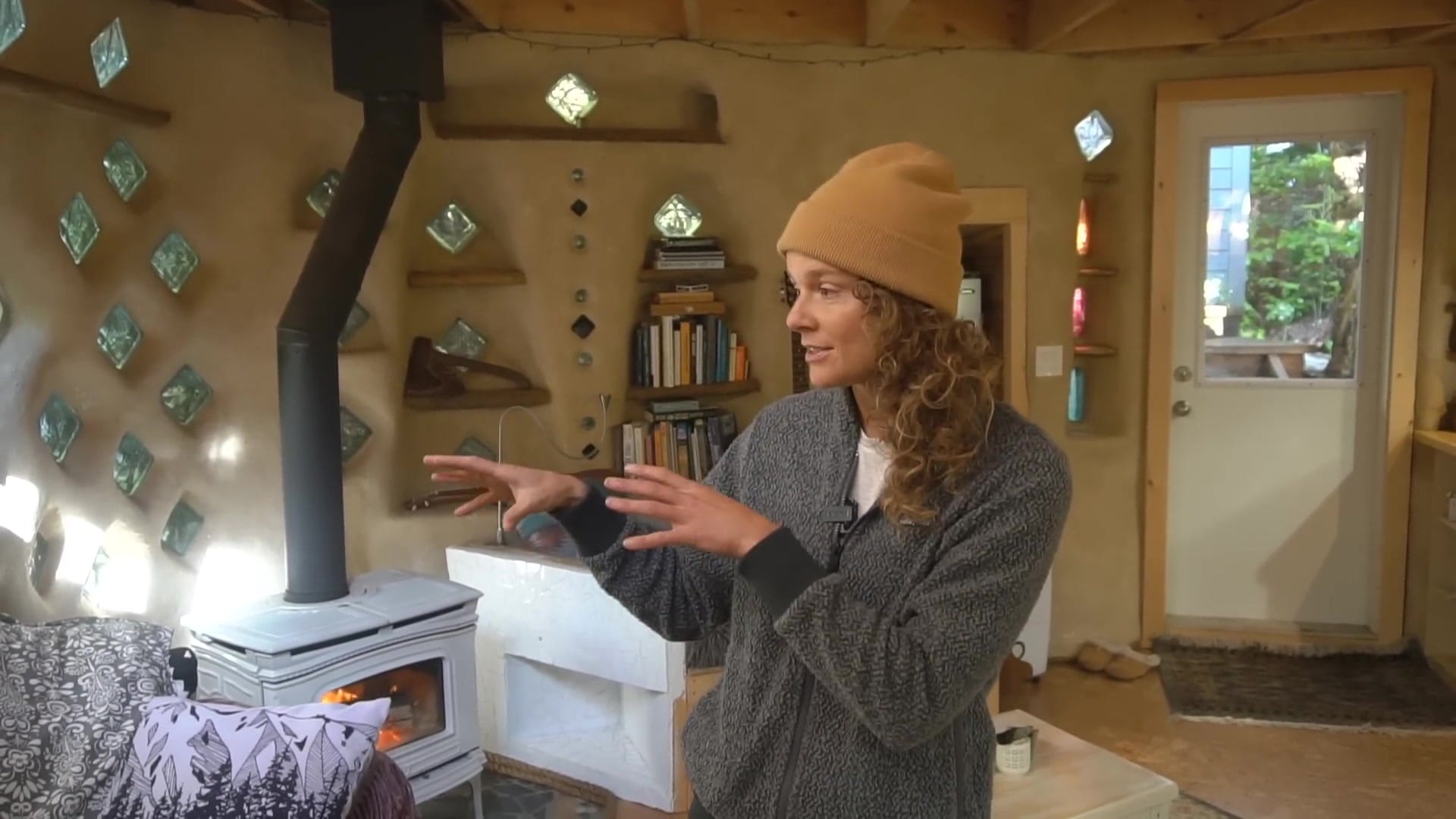
Because local recycling was limited, she stuffed jars with plastic and other trash and embedded them in the walls to keep that waste out of landfill.
The outer finish is linseed oil mixed with clay and mica stones for a slight glitter and weather protection .
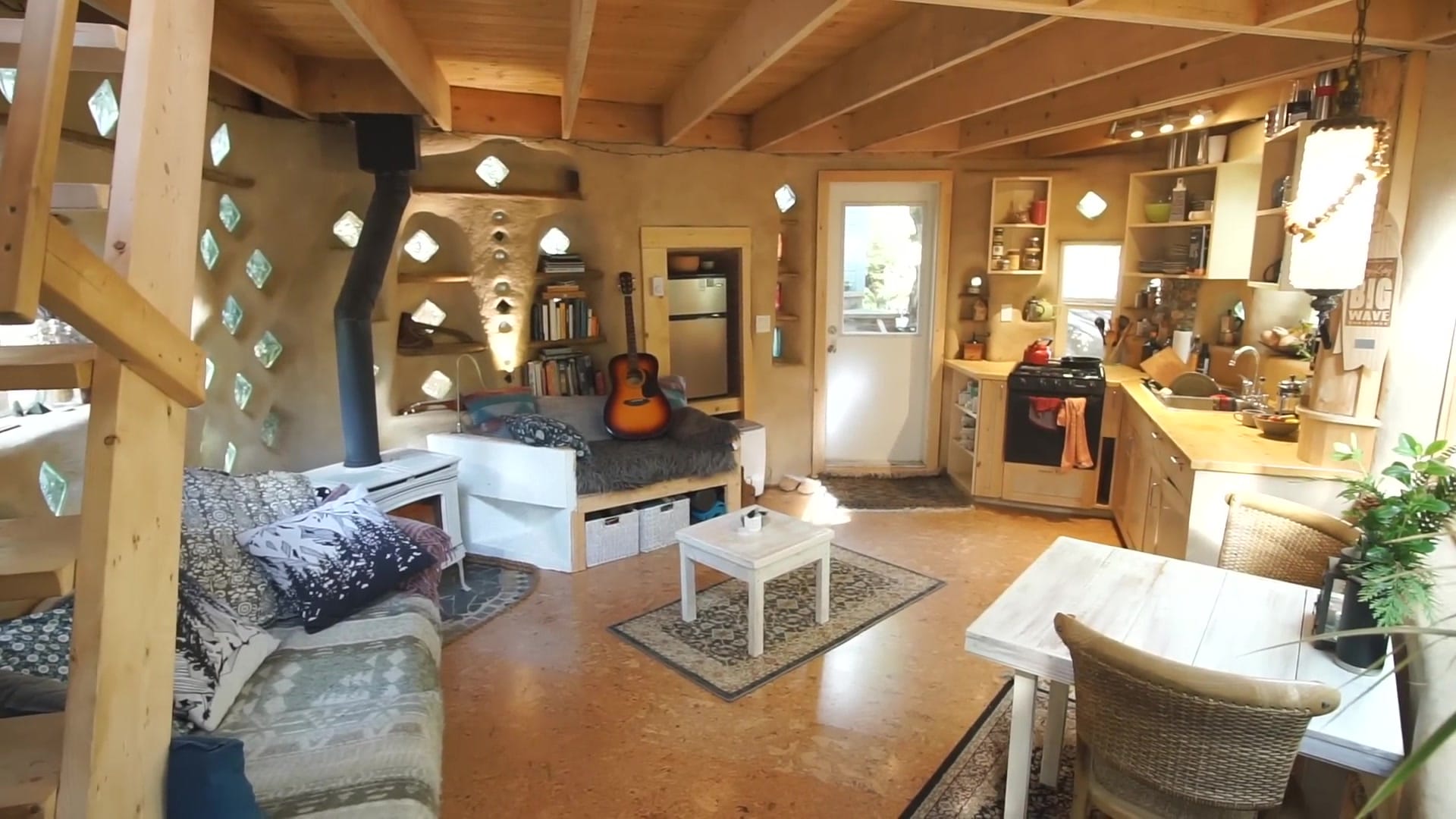
Kitchen & living — reclaimed windows, garden window, and furnishings
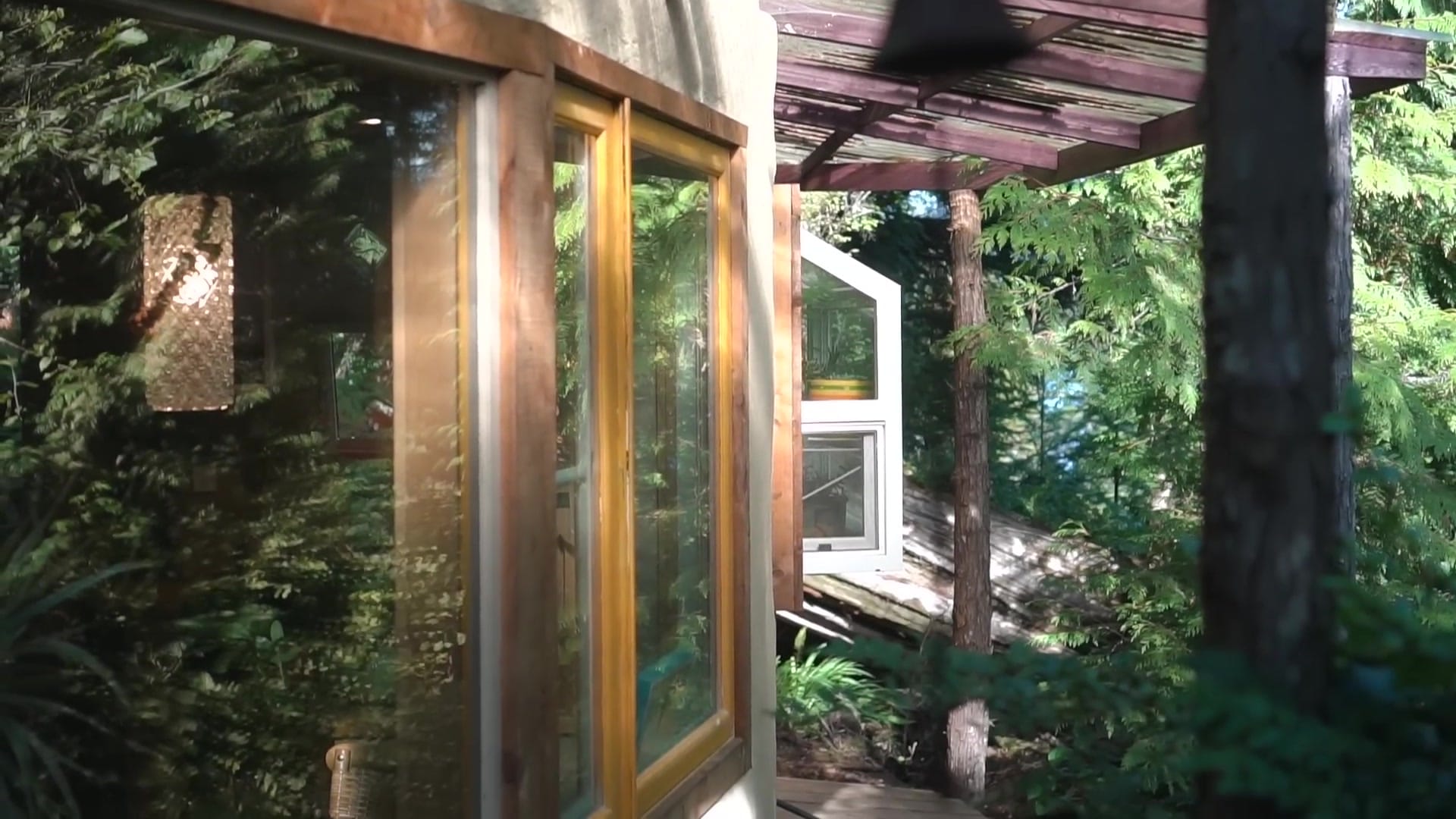
Many of the windows are secondhand finds from people, Habitat for Humanity, or Craigslist.
Most furniture was made from scrap 2x4s and leftover materials; it’s functional and fits the odd curves.
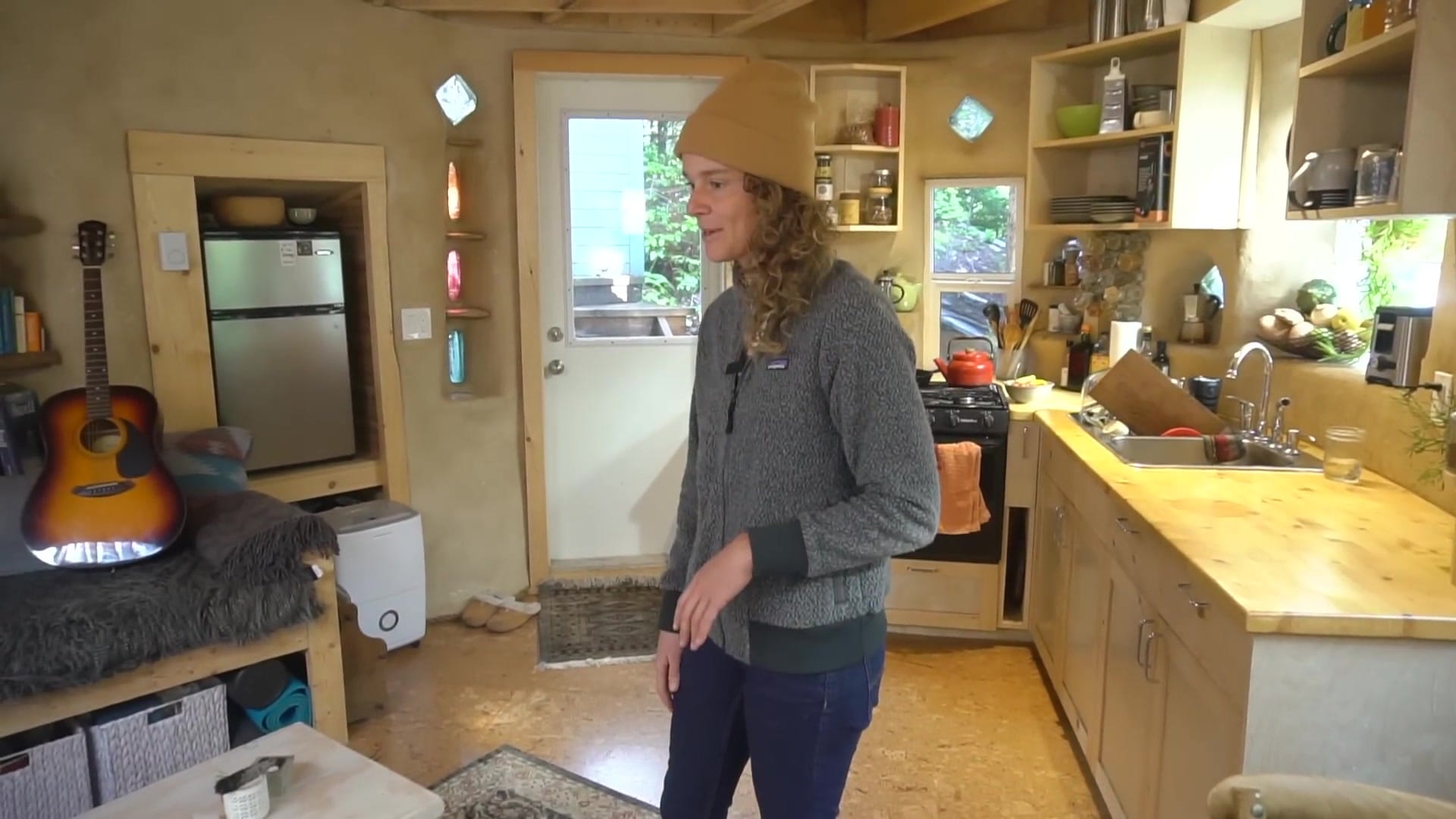
She added a garden window over the counter so she can watch the inlet while making coffee or cooking.
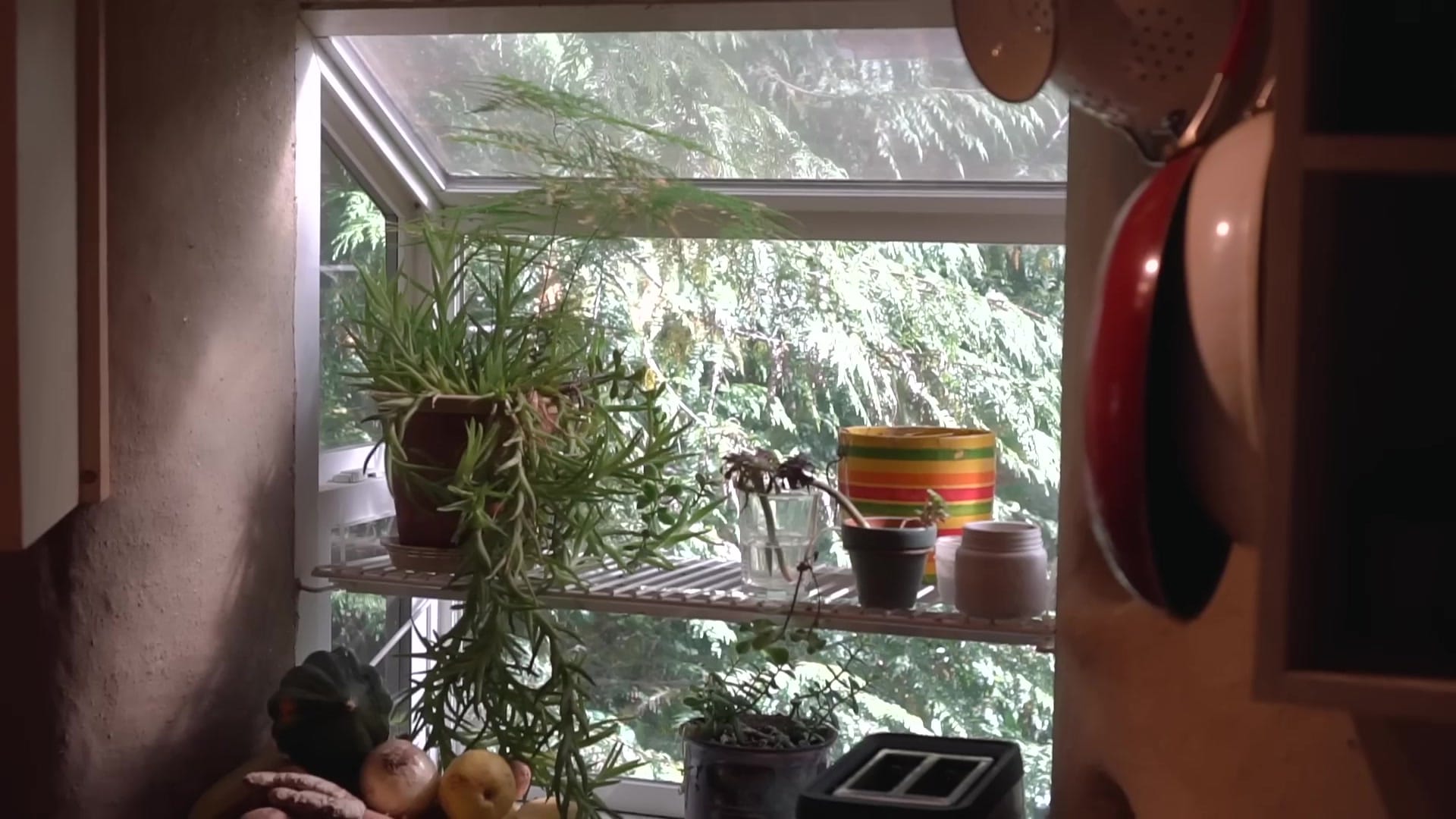
Driftwood shelves and salvaged glass blocks become features, and a small inlet view connects the kitchen to surf and tide signals .
Sleeping loft & storage — cedar siding and compact design
The sleeping loft is framed in wood and insulated for comfort.
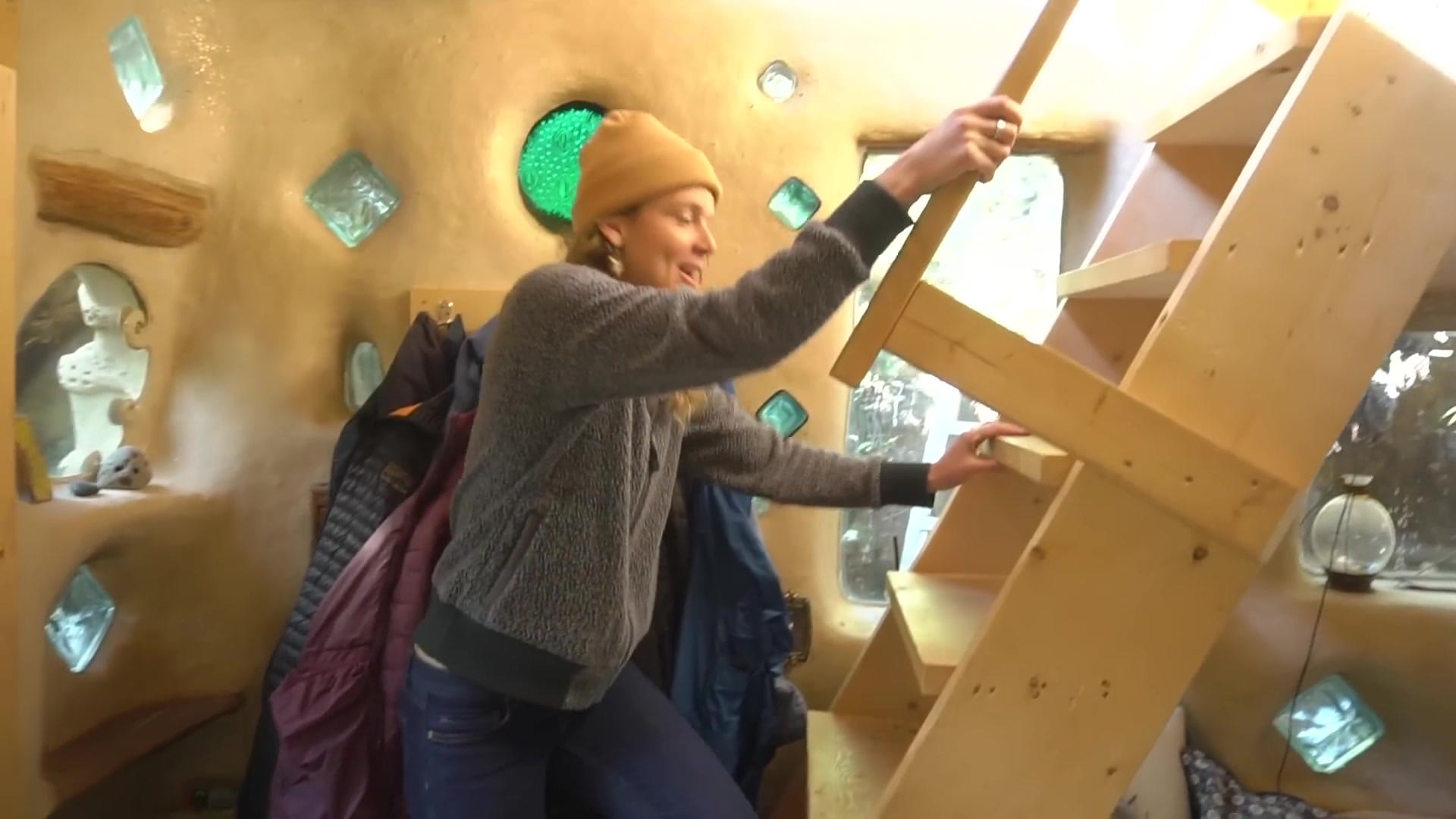
The cedar siding upstairs came from a sibling’s renovation and was reused free of charge.
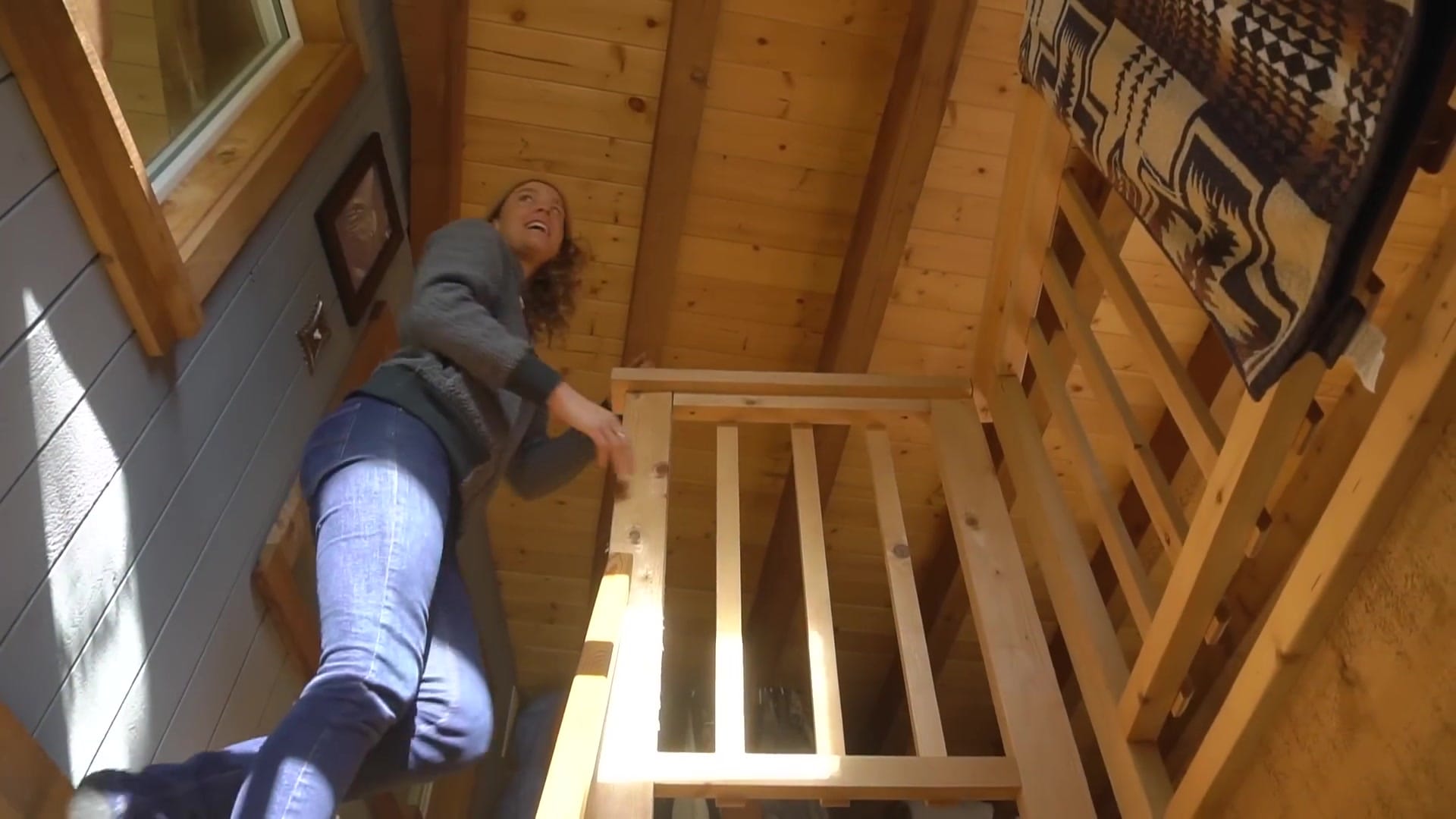
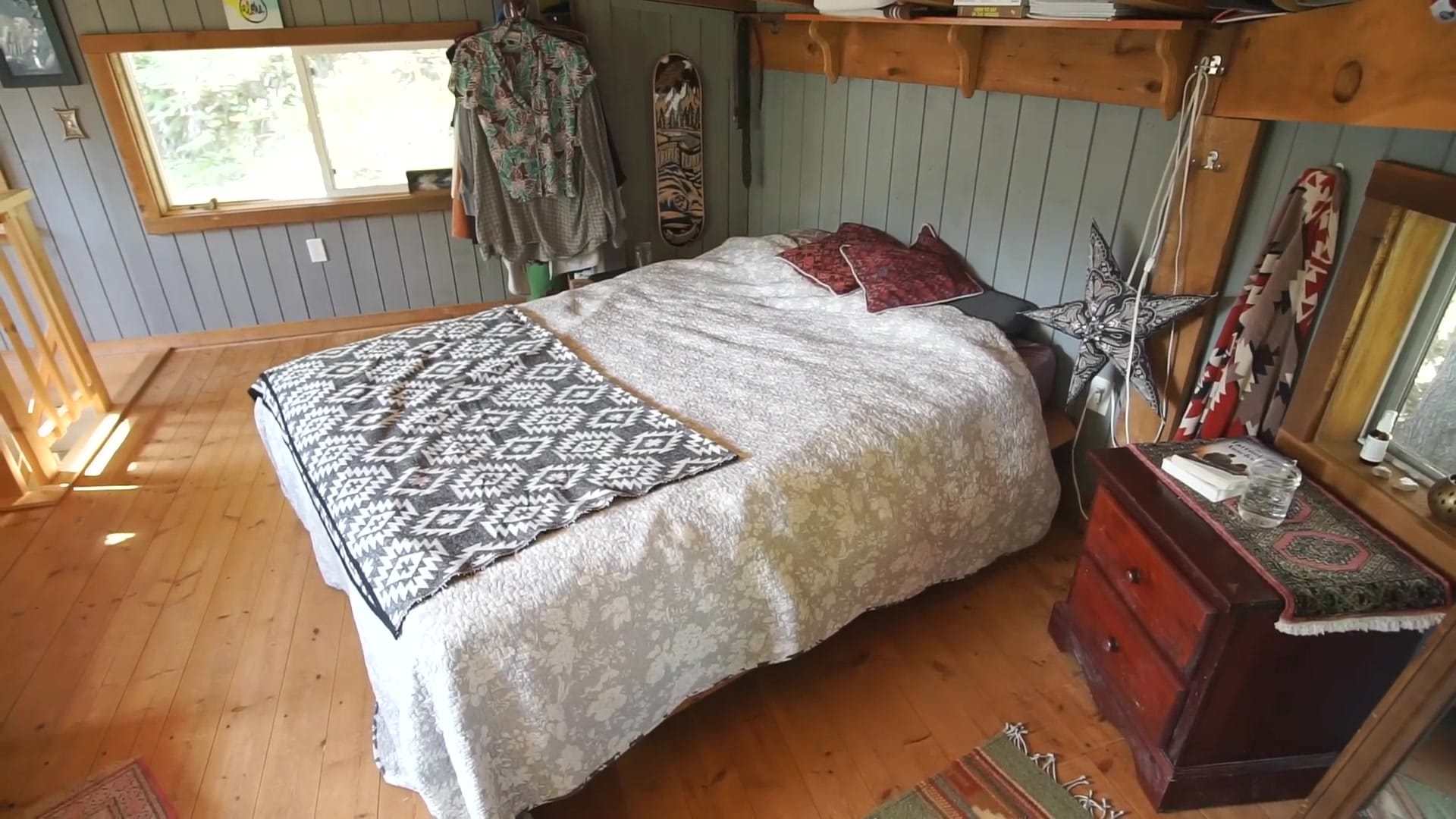
The loft is compact—bed and clothes storage only—but the south‑facing windows bring winter sun deep inside.
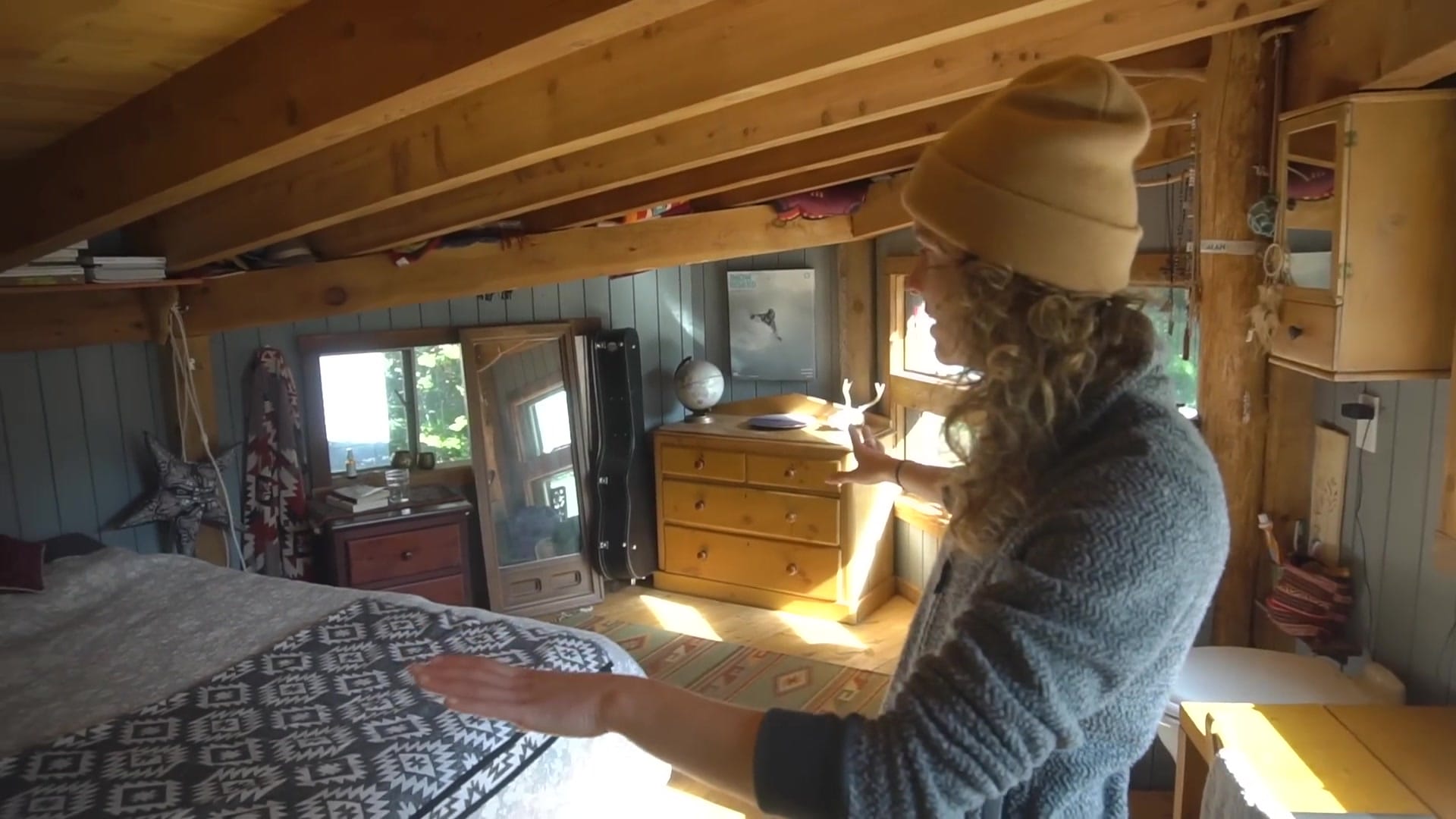
Storage is squeezed into every nook: boxes under built‑in couches and custom pieces that match the uneven walls .
Bathroom & outhouse — clawfoot tub, pee toilet, and plumbing
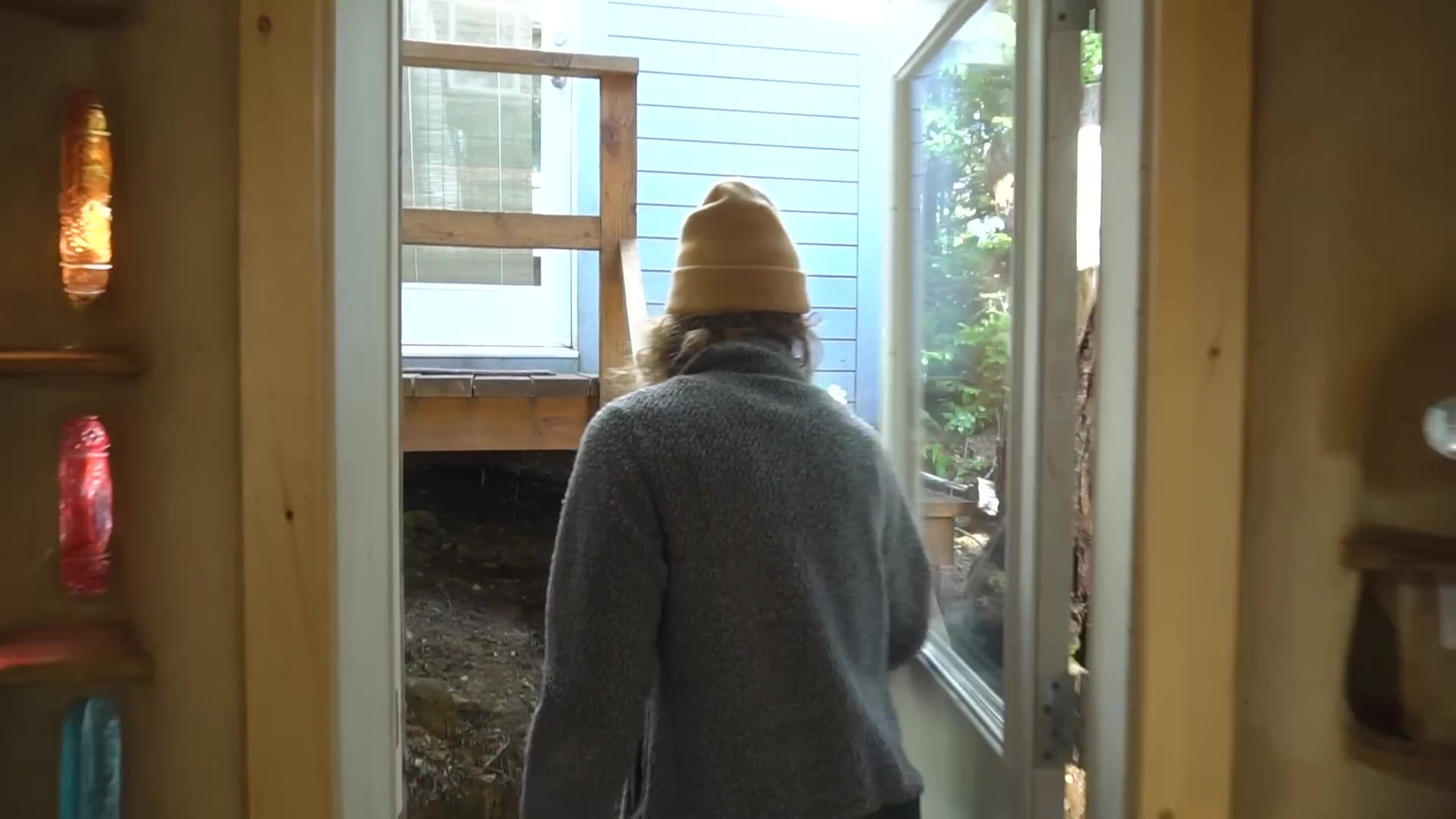
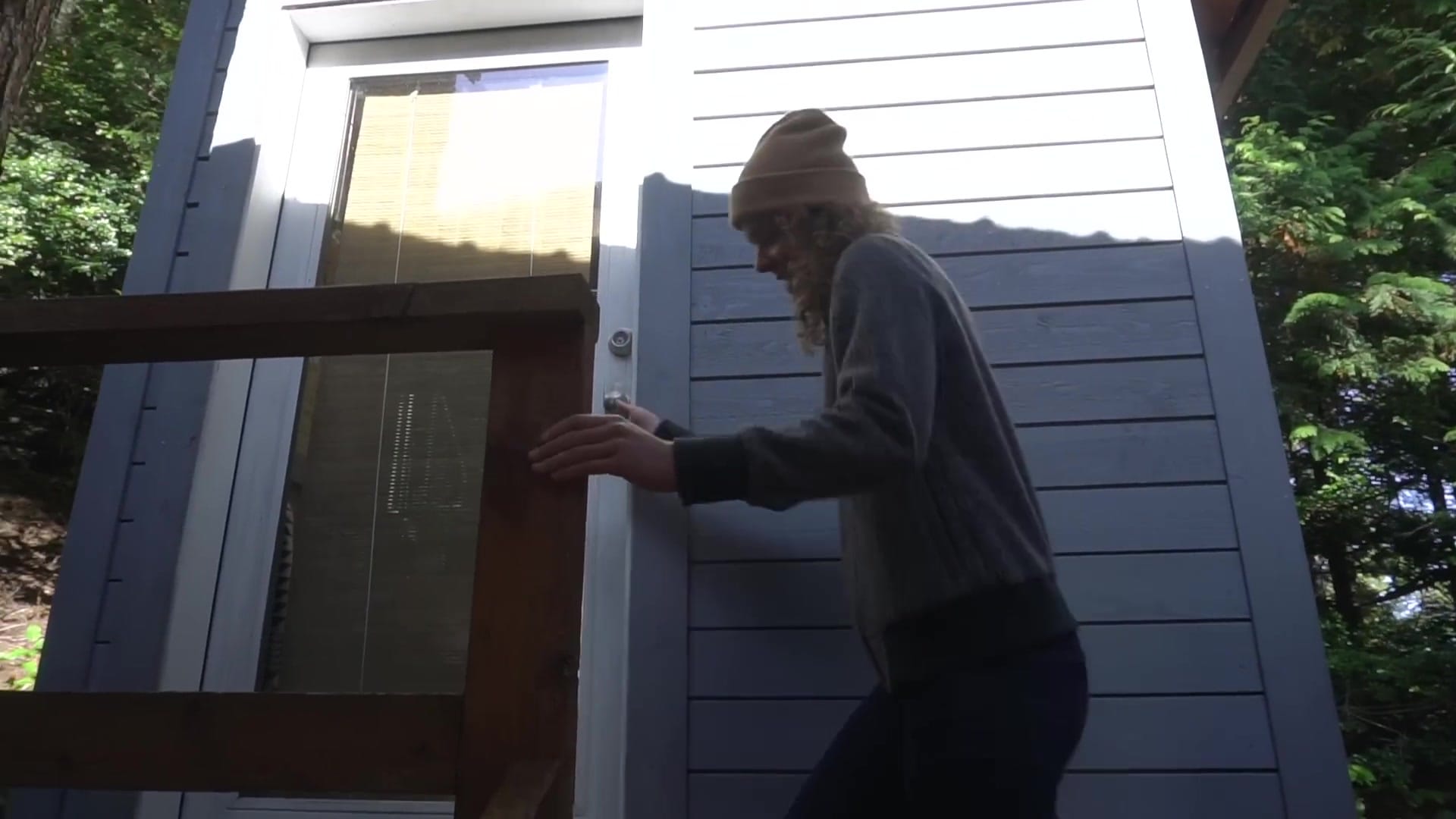
The outhouse houses an old clawfoot tub and a small toilet in a bright, cedar‑raftered space.
The cedar rafters give the room a fresh scent and lots of daylight through a skylight, so it heats naturally during the day.
There’s an electric heater for occasional need, but mostly the sun and design do the warming work.
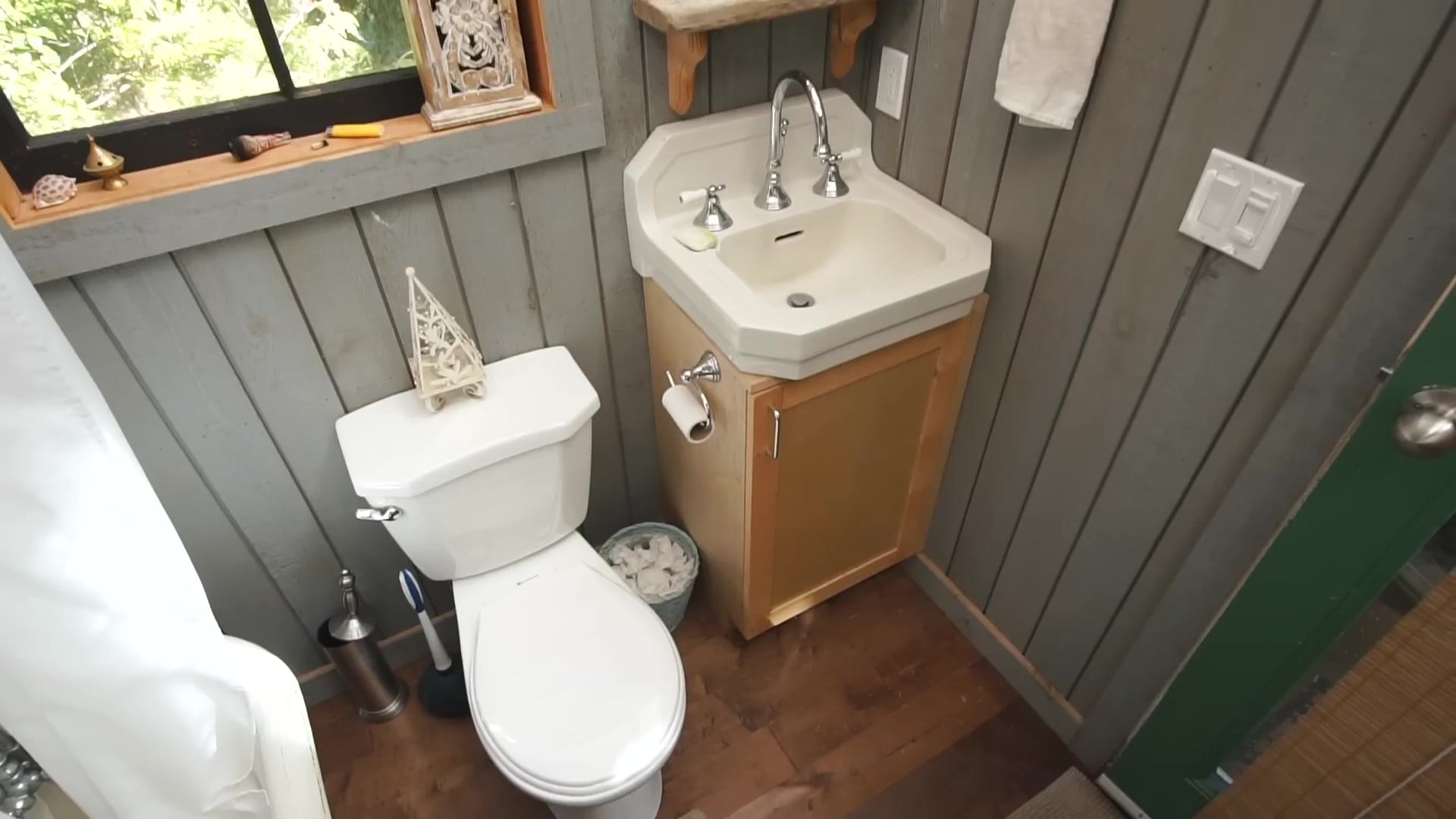
Inside the main cabin is a pee‑only toilet setup with a cold‑tap burl sink carved from a log; the piping for that sink and toilet runs through the log itself to the kitchen below.
Utilities & experimentals — water, septic, wood heat, propane, biogas, solar
The property came with its own well, so the house has a private water source.
She dug a trench to tie into the existing septic field to avoid leaching and protect the site.
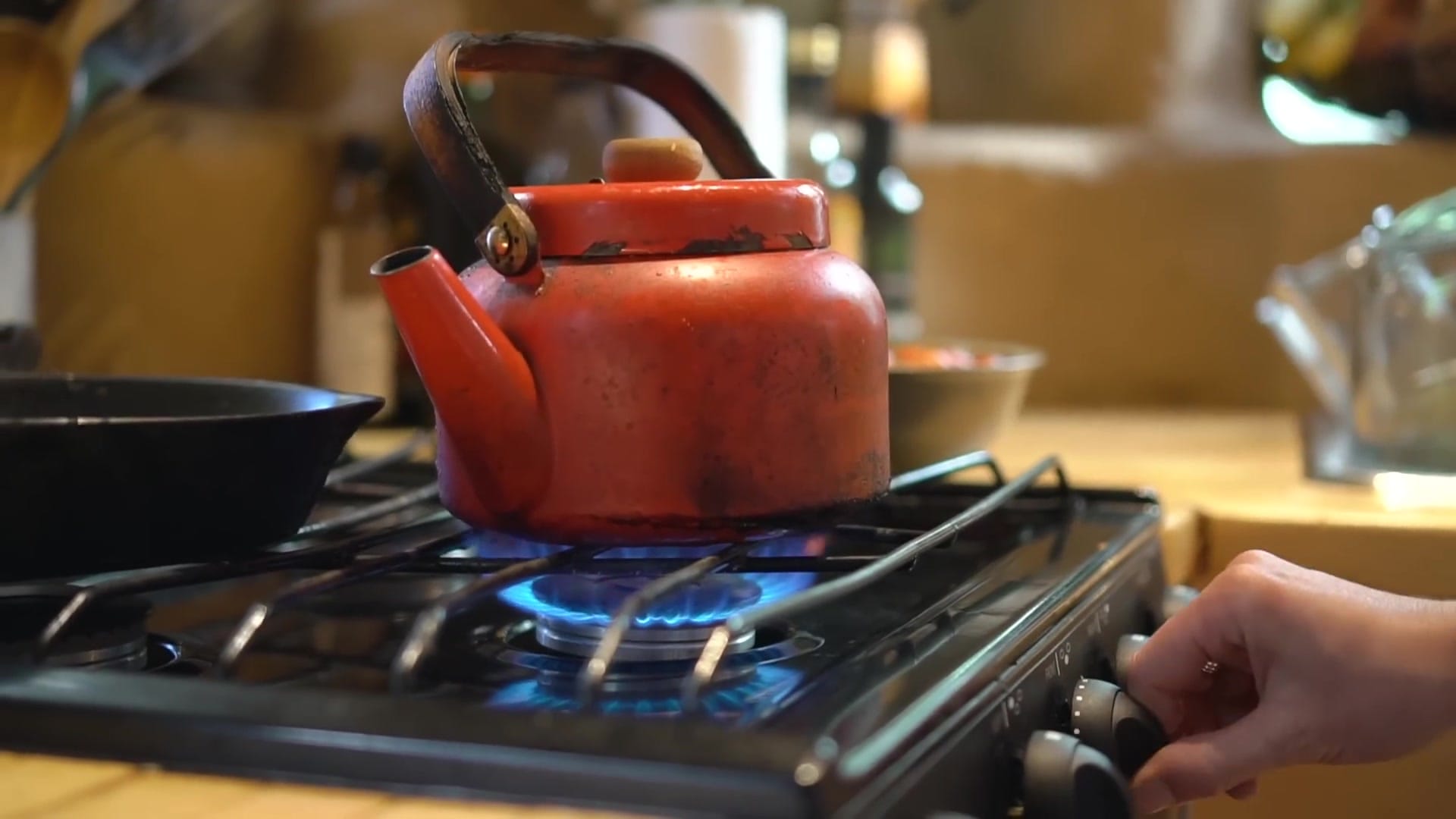
For now cooking and hot water run on small propane tanks and an on‑demand hot water system.
She purchased and activated a HomeBiogas unit to turn food waste into methane; it’s running but still needs a bit more heat to reach full output.
Why she built this — values, community, and lessons
She built the place to live simply and be part of the solution to climate impacts.
Building small, locally, and with natural materials was a conscious choice to reduce footprint and live closer to nature.
A course with The Mud Girls started the cob love, and she credits family and friends—brother, dad, and community workshops—for helping bring the house to life.