Texas families could get up to $30000 per child under new school choice law
A landmark decision in Texas could mean a significant financial boost for parents across the state.
It’s a move years in the making, and it’s set to change the educational landscape in a big way.
A Governor’s Promise Delivered
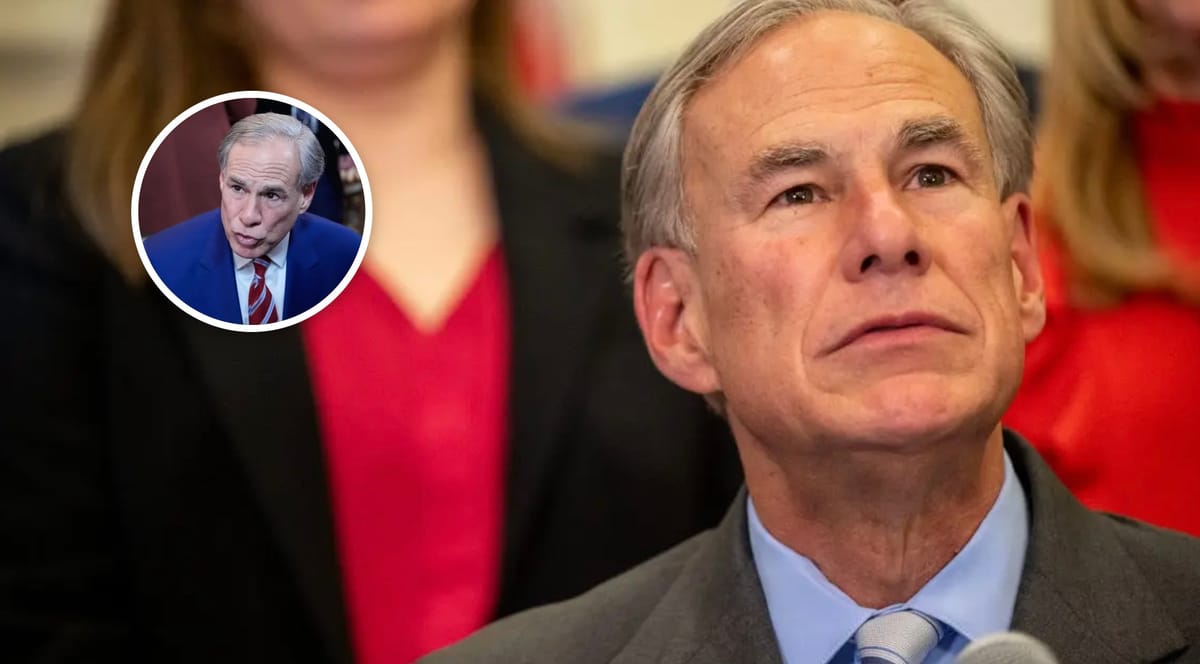
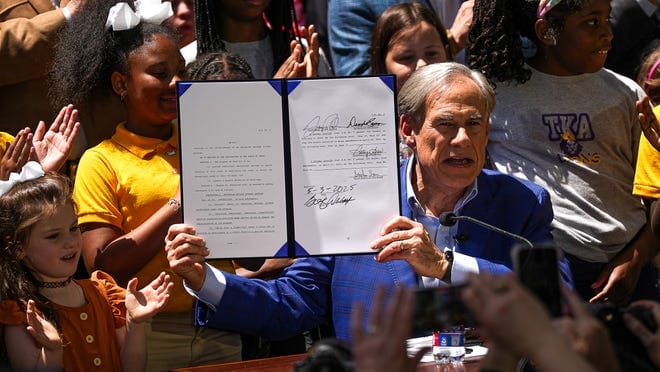
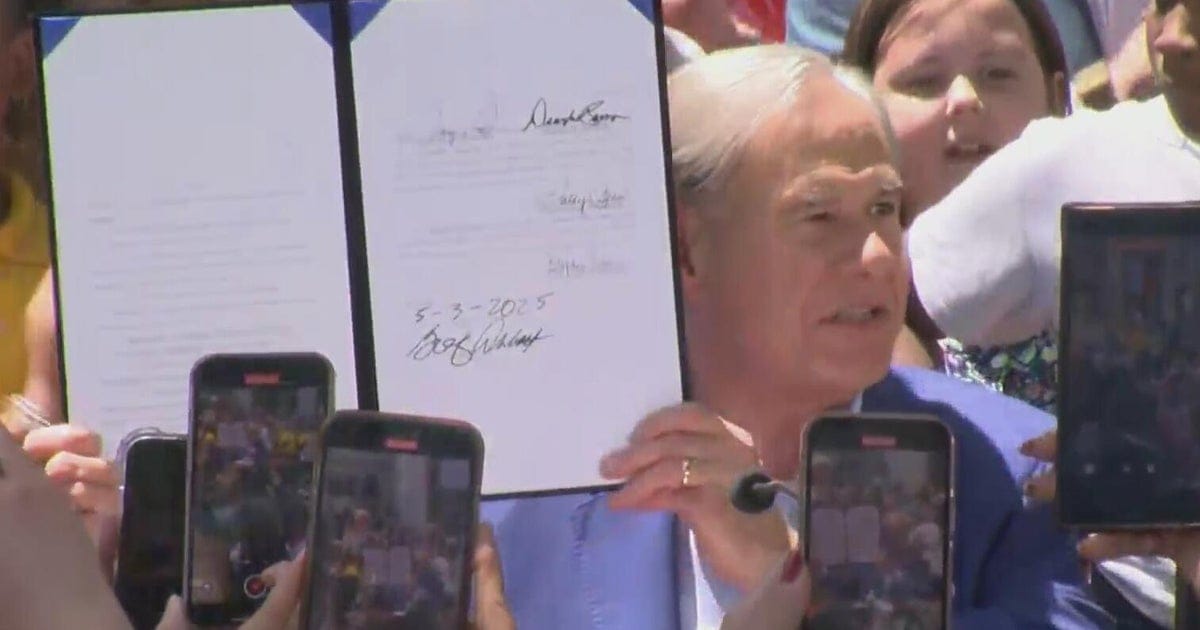
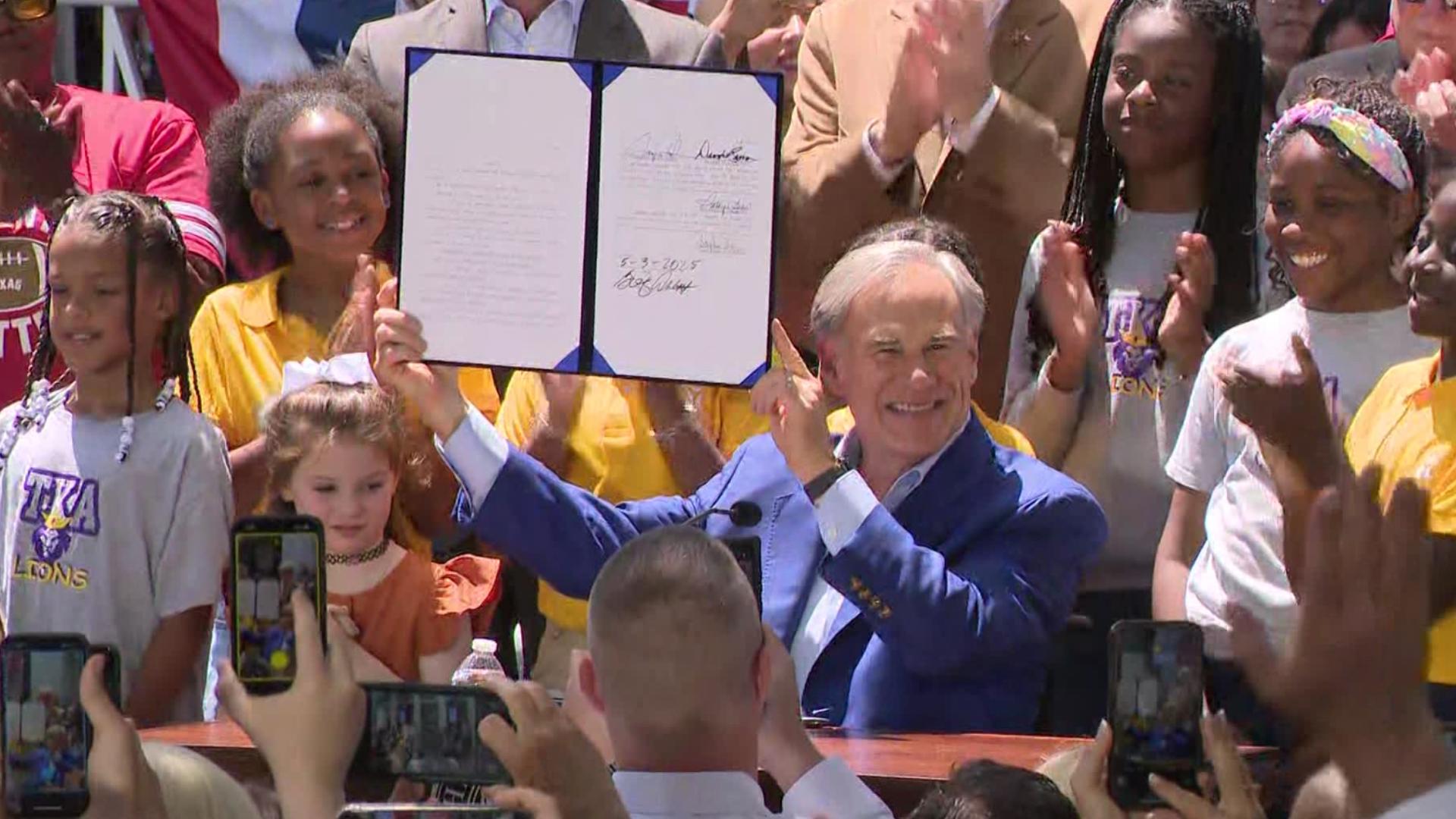
Texas Governor Greg Abbott officially signed a major school choice bill into law this past Saturday.
The signing ceremony marked the culmination of a determined push by the Republican governor and school choice advocates.
“When I ran for reelection in 2022, I promised school choice for the families of Texas,” Abbott declared at the governor’s mansion.
He added emphatically:
“Today, we deliver on that promise.”
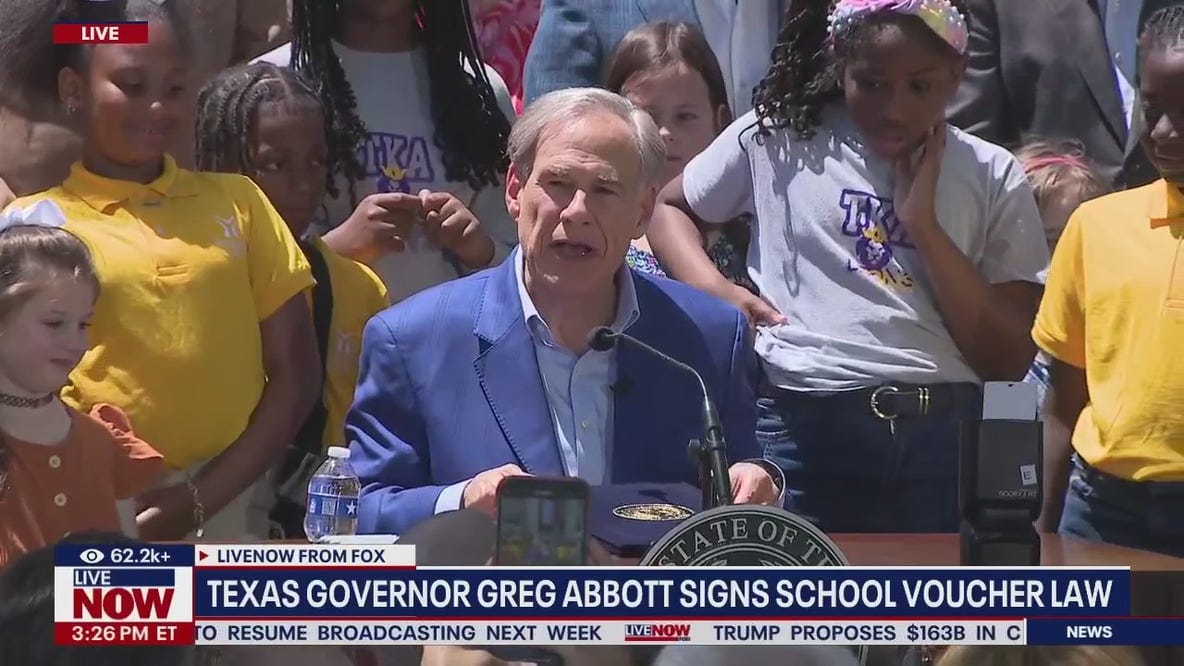
This wasn’t just a routine bill signing; it represented a significant victory for those who believe parents should have more control over where their children are educated.
The Political Journey
Getting this bill across the finish line wasn’t easy.
Voucher programs have been a long-standing goal for many Texas Republicans, but previous attempts stalled.
Resistance often came from a coalition of Democrats and some rural Republicans concerned about the impact on local public schools.
This time, however, the political winds shifted.
Even former President Donald Trump weighed in, urging lawmakers to pass the measure ahead of a critical vote last month.
The Texas Senate ultimately passed Senate Bill 2 along party lines (19-12) on April 24, following the state House’s approval (86-63) the week prior.
Governor Abbott had made school choice a central theme, even campaigning against fellow Republicans who opposed a similar bill in the previous session.
What Supporters Are Saying
Advocates argue this new law empowers parents and provides crucial alternatives.
They believe it allows families to escape underperforming public schools and find educational environments better suited to their children’s needs, whether that’s private school, homeschooling, or other options.
State Senator Brandon Creighton, the bill’s author, celebrated the potential unlocked for students.
“From here forward, [Texas students] will have unlimited potential and unlimited options in education to pursue for the rest of their path and education and what their families do best, and that in of itself was worth the journey,” Creighton stated.
Governor Abbott echoed this sentiment:
“Gone are the days that families are limited to only the schools assigned by government,” he said. “The day has arrived that empowers parents to choose the school that is best for their child.”
Texas now joins over 30 other states with similar school choice programs, boasting what will be the largest voucher system in the nation.
Concerns and Criticisms
Not everyone is celebrating the new law.
Critics, including Democrats and some Republicans from rural areas, voice concerns about the financial impact on public education.
They argue that the program will divert necessary funds away from Texas’ public school system, which serves the vast majority of students.
Some also claim it primarily benefits wealthier families who can already afford private options, effectively subsidizing their choices.
Texas Democratic Party chairman Kendall Scudder issued a sharp rebuke:
“Let’s be clear: this bill is only best for the richest people in the state, and rural Texas especially will get the shaft,” Scudder said. “To top it all off, Abbott’s school shut-downs are in full-swing with no end in sight.”
The debate highlights the fundamental disagreement over how public funds should be allocated for education.
The Financial Details for Families
So, what does this actually mean for Texas families’ wallets?
Starting in the next school year, the program establishes Education Savings Accounts (ESAs).
Eligible families can receive $10,000 per child, per year.
These funds can be used towards tuition at private schools, or to cover costs associated with homeschooling or approved virtual learning programs.
Crucially, there’s an even higher amount available for some students.
Children with disabilities are eligible to receive significantly more support, qualifying for up to $30,000 per year to meet their specific educational needs.
The program is initially capped at $1 billion for its first year, aiming to cover roughly 90,000 students.
However, projections estimate the program’s cost could rise substantially, potentially reaching $4.5 billion annually by 2030.
A New Chapter for Texas Education
The implementation of this $1 billion voucher program marks a significant policy shift in Texas.
It opens up new avenues for thousands of families seeking different educational settings, while simultaneously sparking debate about the future funding and structure of public education in the Lone Star State.