Skordalia – Greek Garlic and Potato Dip
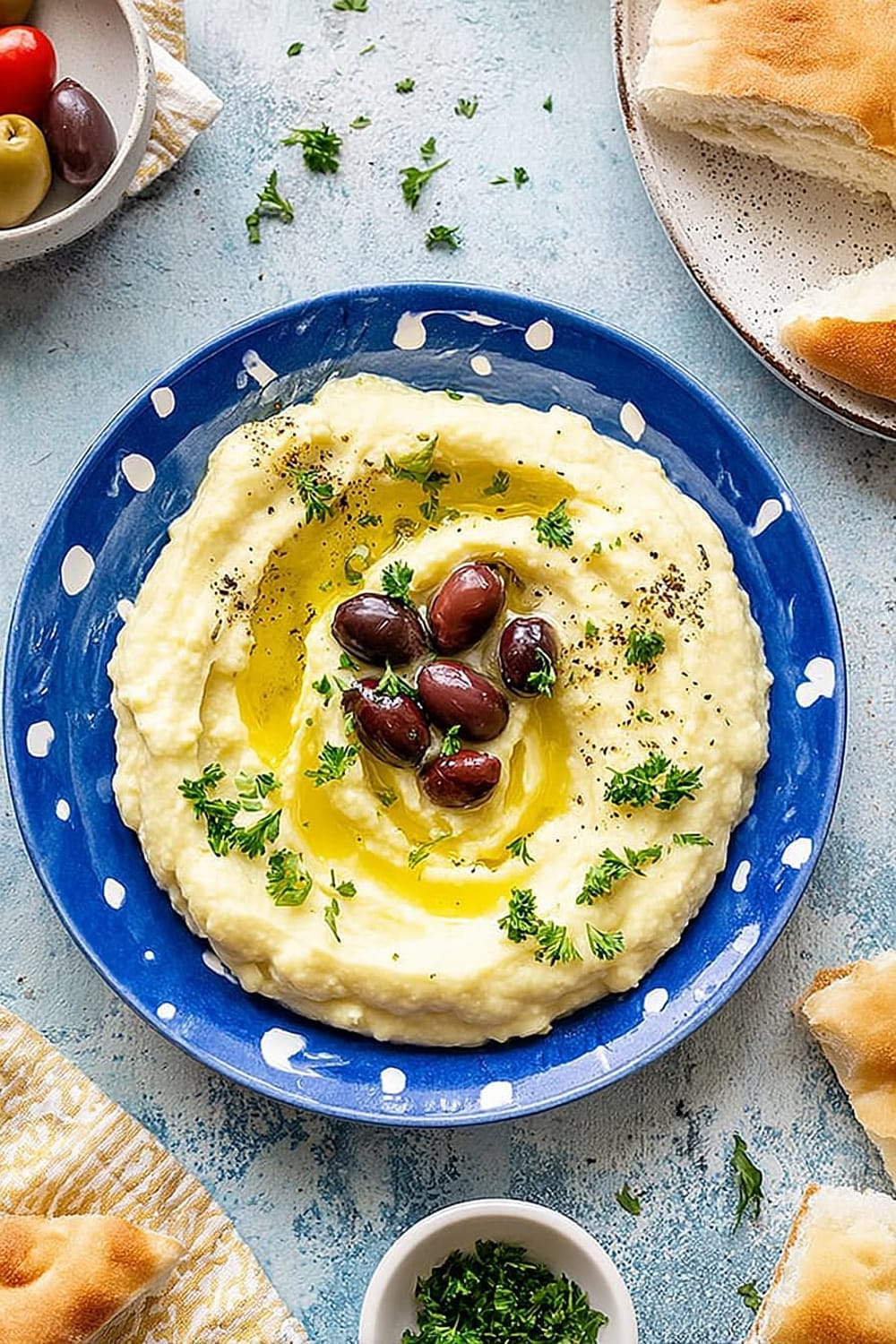
This Greek garlic and potato dip is basically the Mediterranean answer to anyone who thinks garlic bread is too subtle.
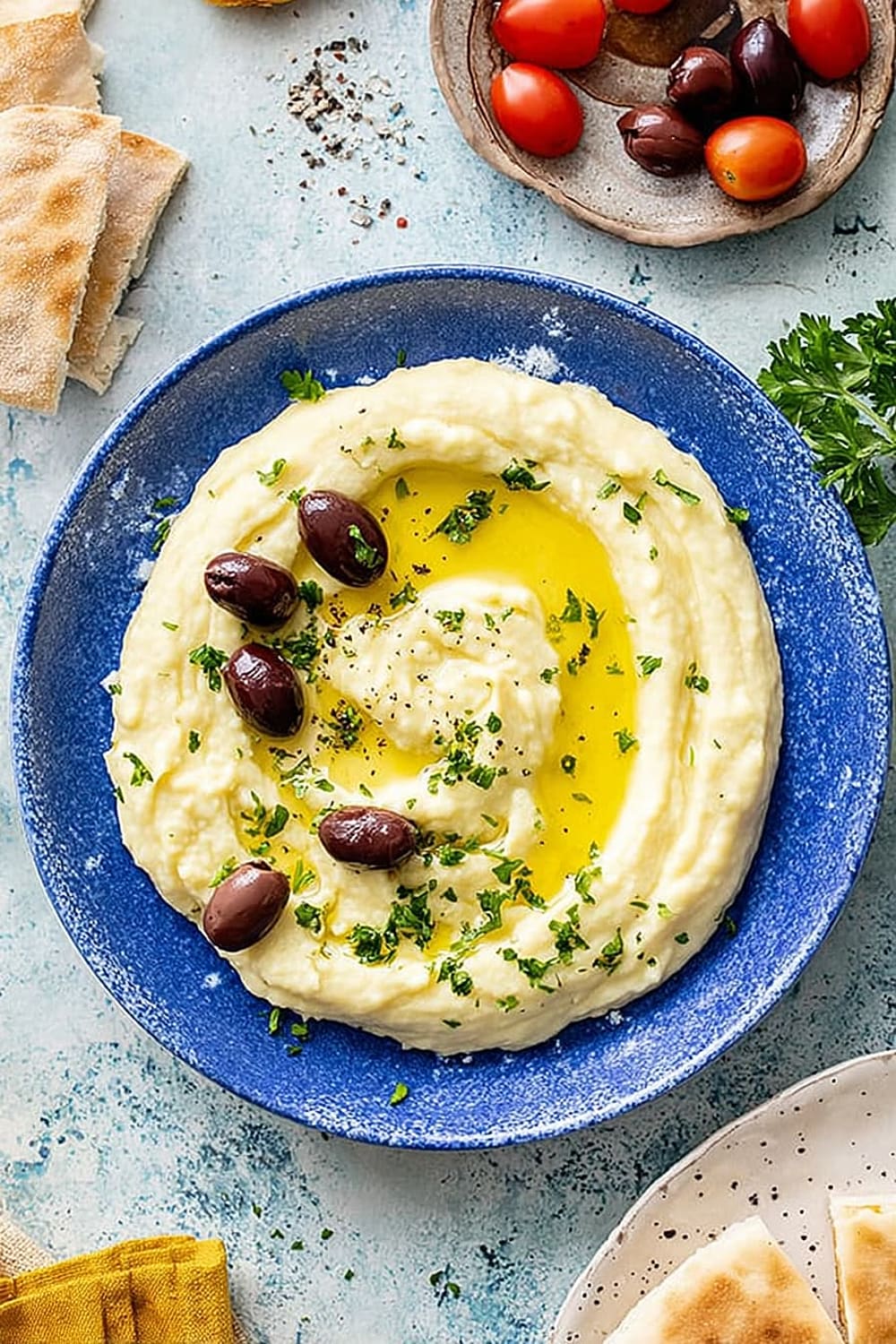
Picture this: creamy, fluffy potatoes transformed into a cloud-like dip that packs enough garlic punch to ward off vampires from three villages over.
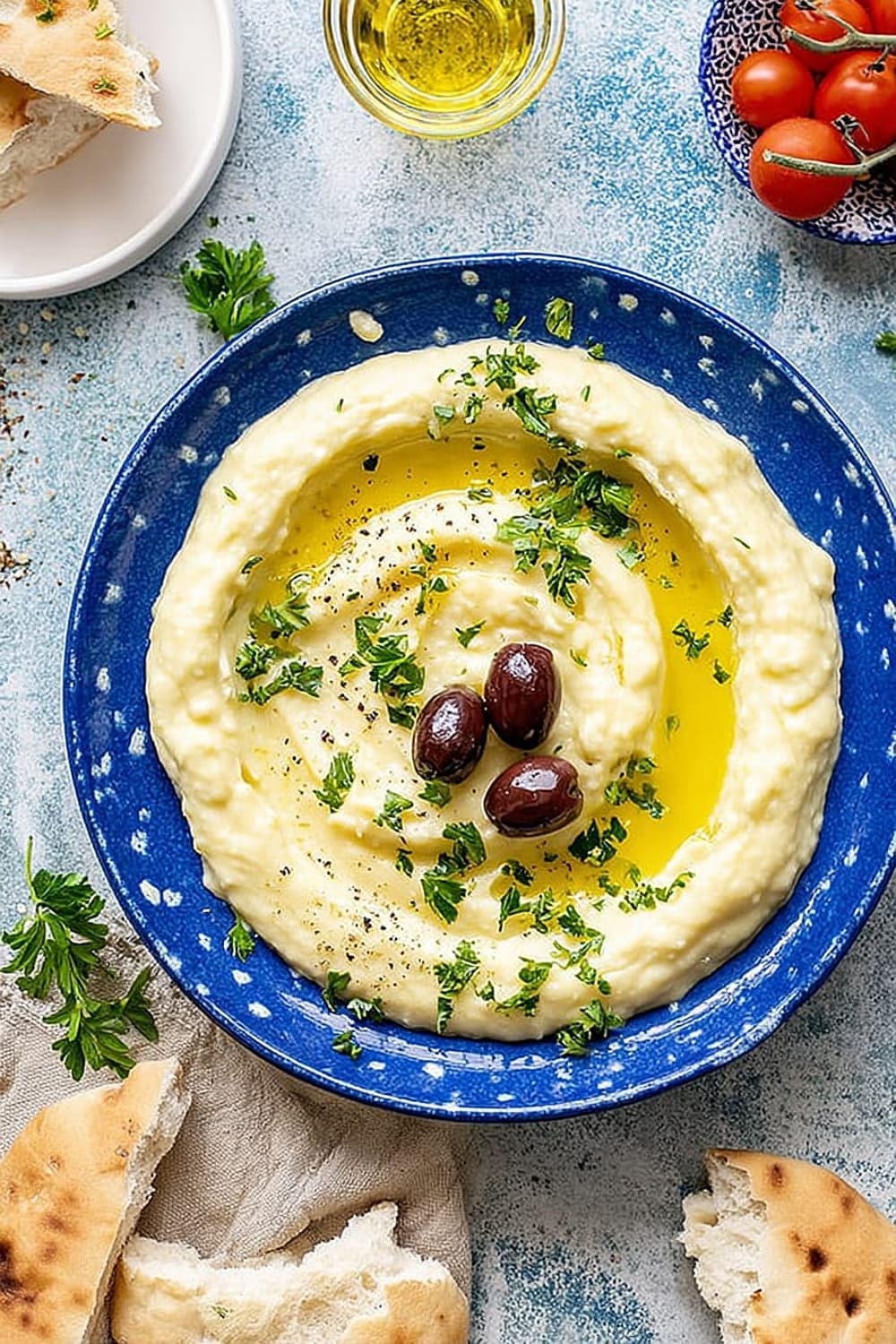
Skordalia is what happens when Greek grandmothers decide that regular mashed potatoes need more personality and a serious attitude adjustment.
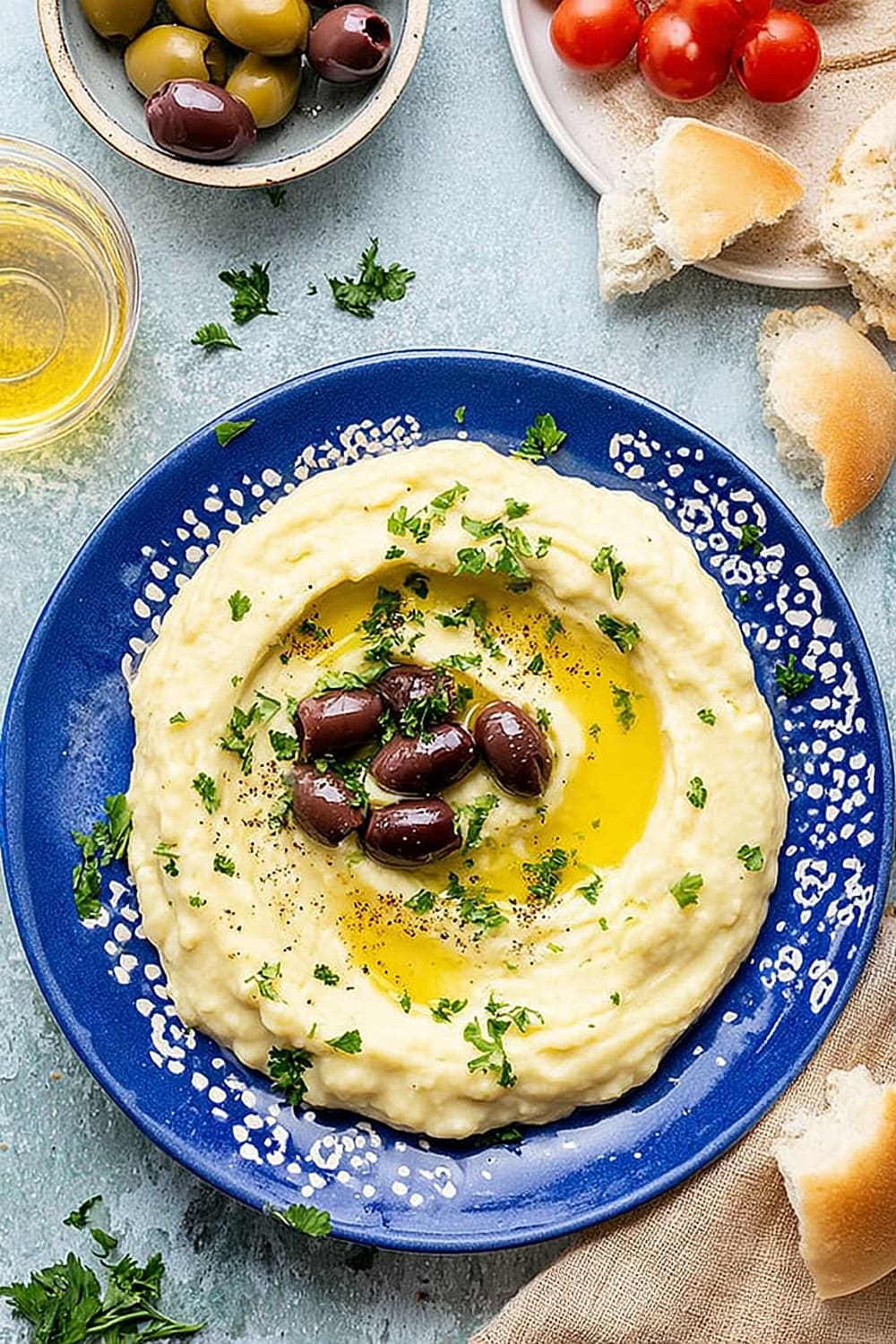
The beauty of this recipe lies in its simplicity – just potatoes, garlic, olive oil, and vinegar creating something that tastes like it took culinary school to master.
Fair warning: making this will result in people hovering around your kitchen asking “What IS that amazing smell?” while you pretend you’re not secretly proud of your newfound Greek cooking prowess.
This is the kind of dip that makes store-bought hummus weep with envy and turns any gathering into an impromptu Mediterranean feast.
Ingredients
For the Skordalia
- 1 lb (450g) peeled and chopped potatoes
- 4-6 cloves fresh garlic
- 2 tablespoons white wine vinegar (or fresh lemon juice)
- 4 tablespoons extra virgin olive oil (plus more as needed)
- Salt and freshly ground black pepper to taste
For Serving
- Mixed olives (Kalamata, green, or your favorites)
- Fresh chopped parsley or mint
- Warm flatbread or pita bread
- Extra olive oil for drizzling
Instructions
Prepare the Potatoes
- 1 Fill a large pot with salted water and bring to a rolling boil over high heat. Add the 1 lb chopped potatoes and cook for 20 minutes or until they’re fork-tender and practically falling apart – this is exactly what you want for the fluffiest texture.
- 2 Drain the potatoes thoroughly, but here’s the crucial part: reserve 1 cup of the starchy cooking water before draining. This liquid gold will help you achieve the perfect creamy consistency later.
Create the Garlic Base
- 3 While the potatoes are still warm, add 4-6 garlic cloves and 2 tablespoons white wine vinegar to a small food processor. Pulse until you have a smooth, paste-like mixture – the garlic should be completely broken down with no chunks remaining.
- 4 With the food processor running, slowly drizzle in 4 tablespoons olive oil along with a generous pinch of salt and pepper. Process until the mixture emulsifies into a creamy, pale garlic paste that smells absolutely incredible.
Build the Skordalia
- 5 Add 3-4 cubes of the cooked potatoes directly to the food processor with the garlic mixture. Pulse until completely smooth and incorporated – this creates the creamy base that will bind everything together.
- 6 Transfer the remaining drained potatoes and the blended garlic mixture to a large mixing bowl. Using a potato masher or large fork, mash everything together until you achieve a fluffy, cloud-like consistency. Gradually add the reserved cooking water, 2-3 tablespoons at a time, until you reach your desired texture – it should be creamy but still hold its shape.
Rest and Serve
- 7 For the best flavor development, cover the skordalia and refrigerate for 2 hours before serving. This allows the garlic to mellow slightly and all the flavors to marry beautifully. However, if you can’t wait (and who could blame you?), it’s absolutely delicious served immediately.
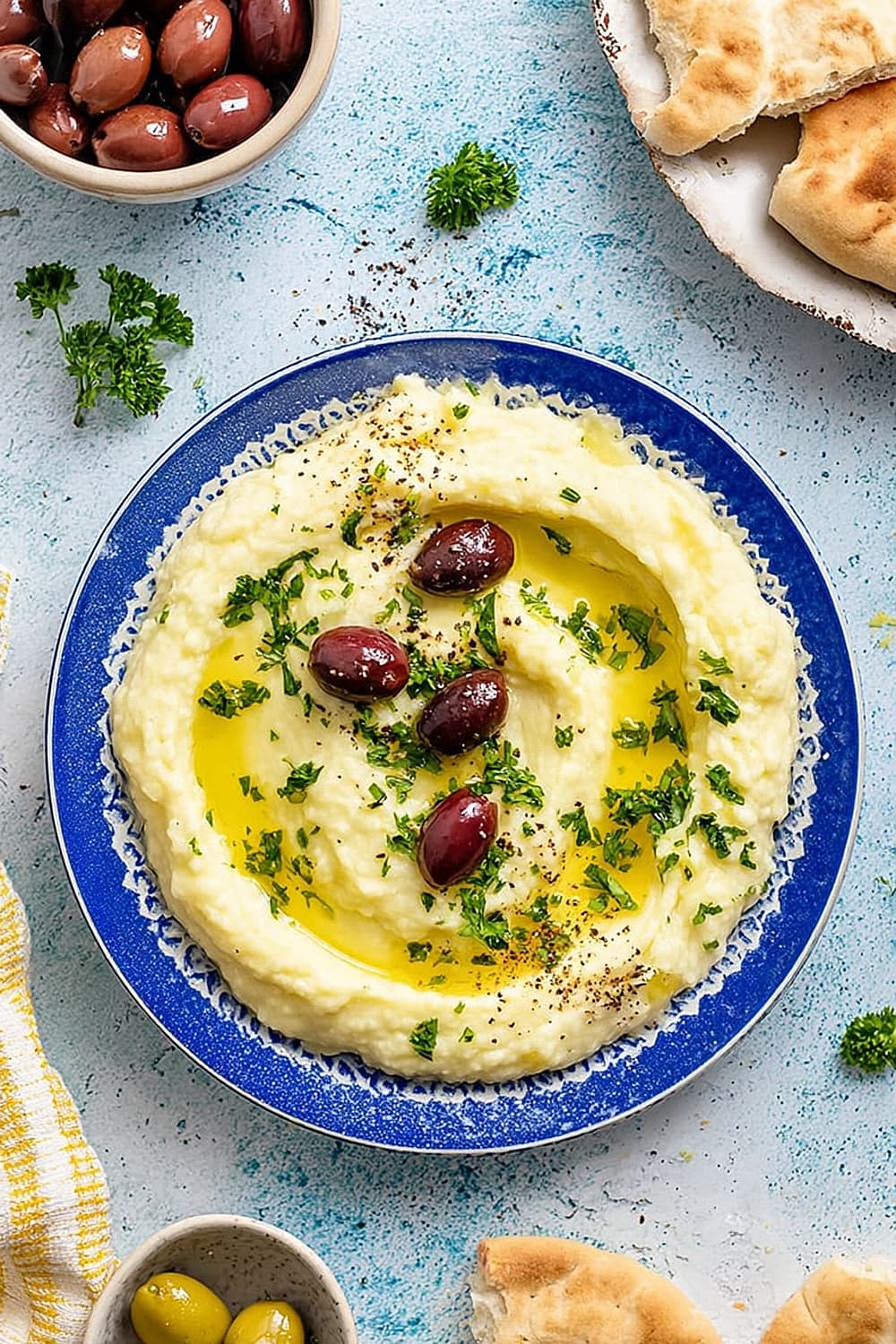
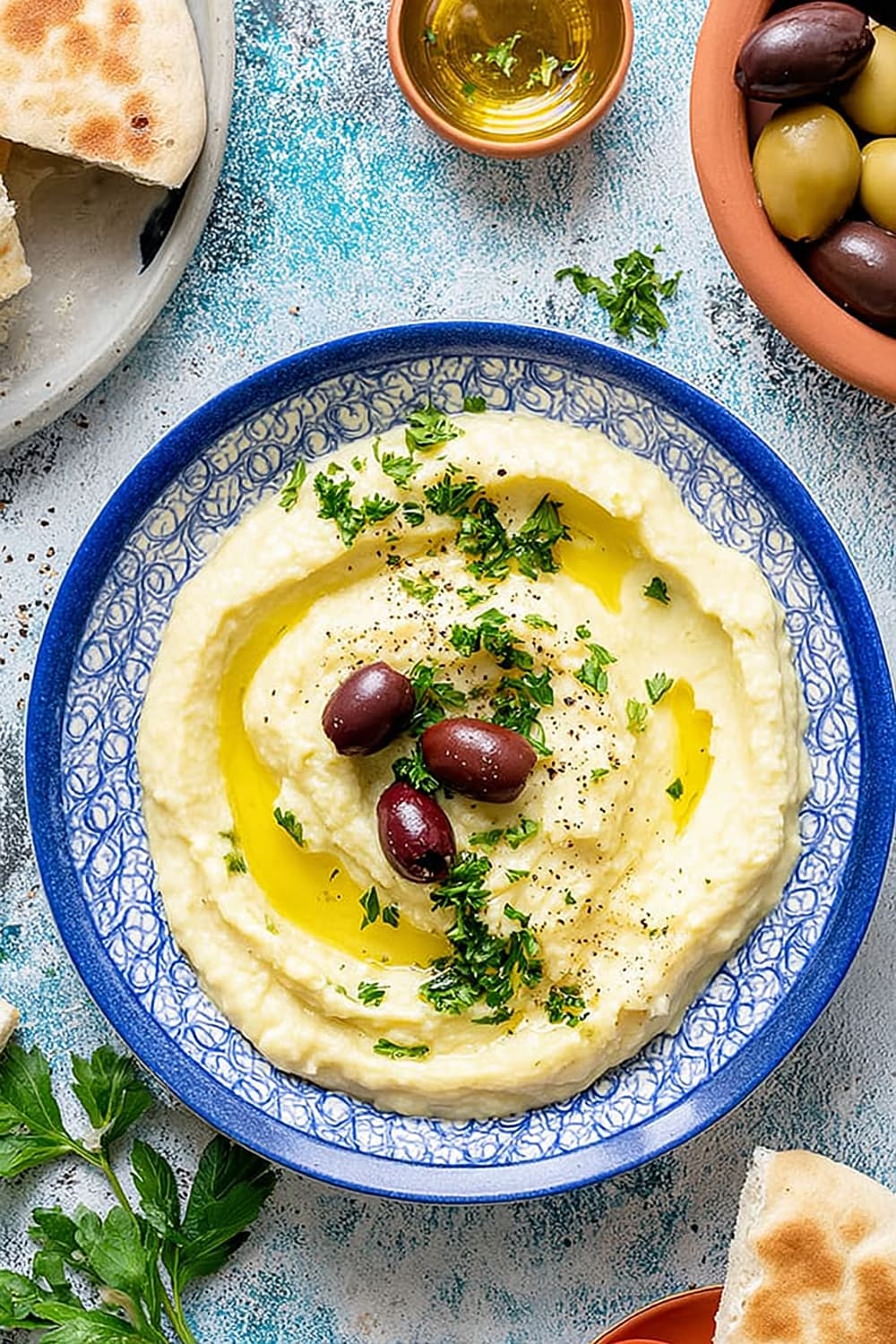
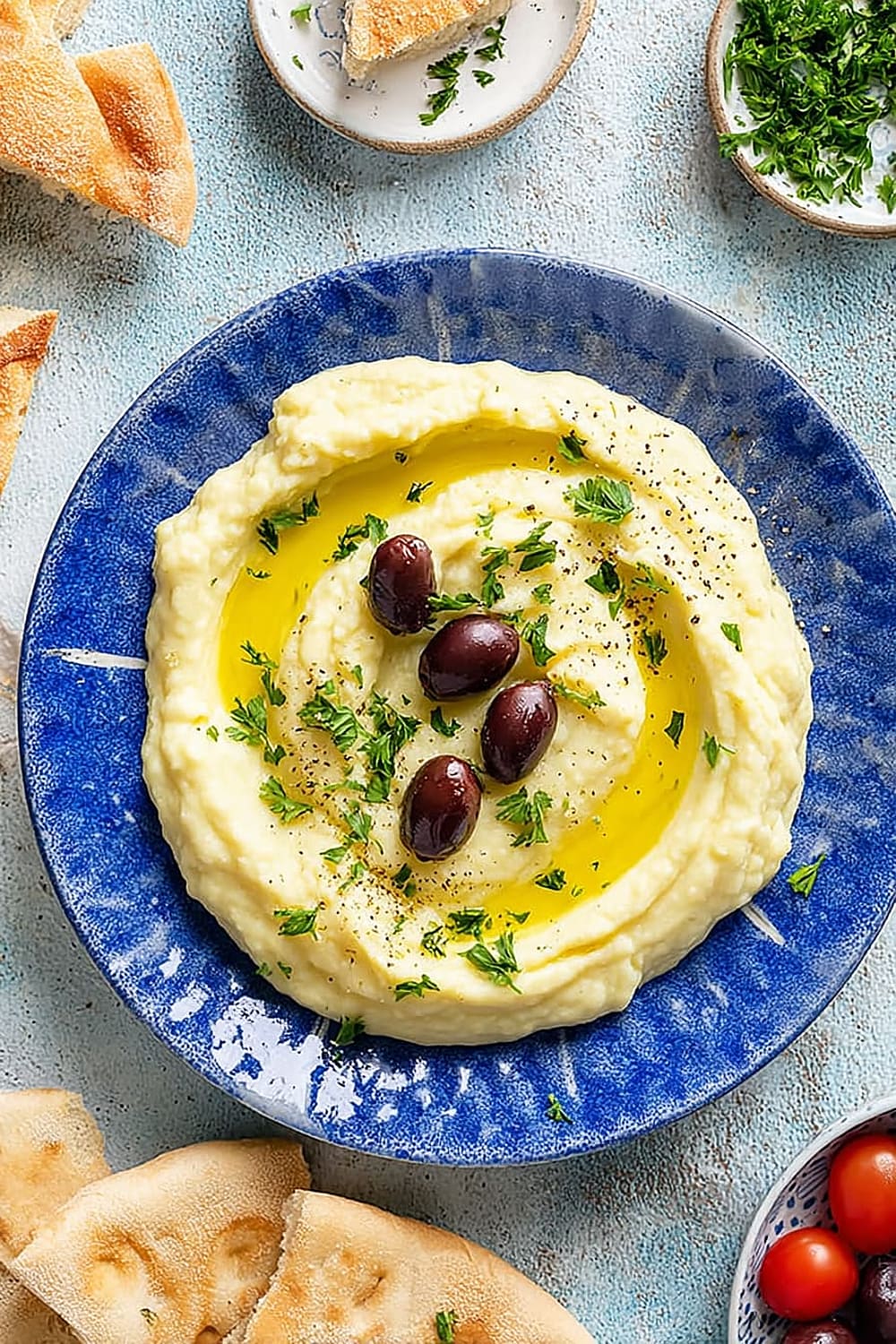
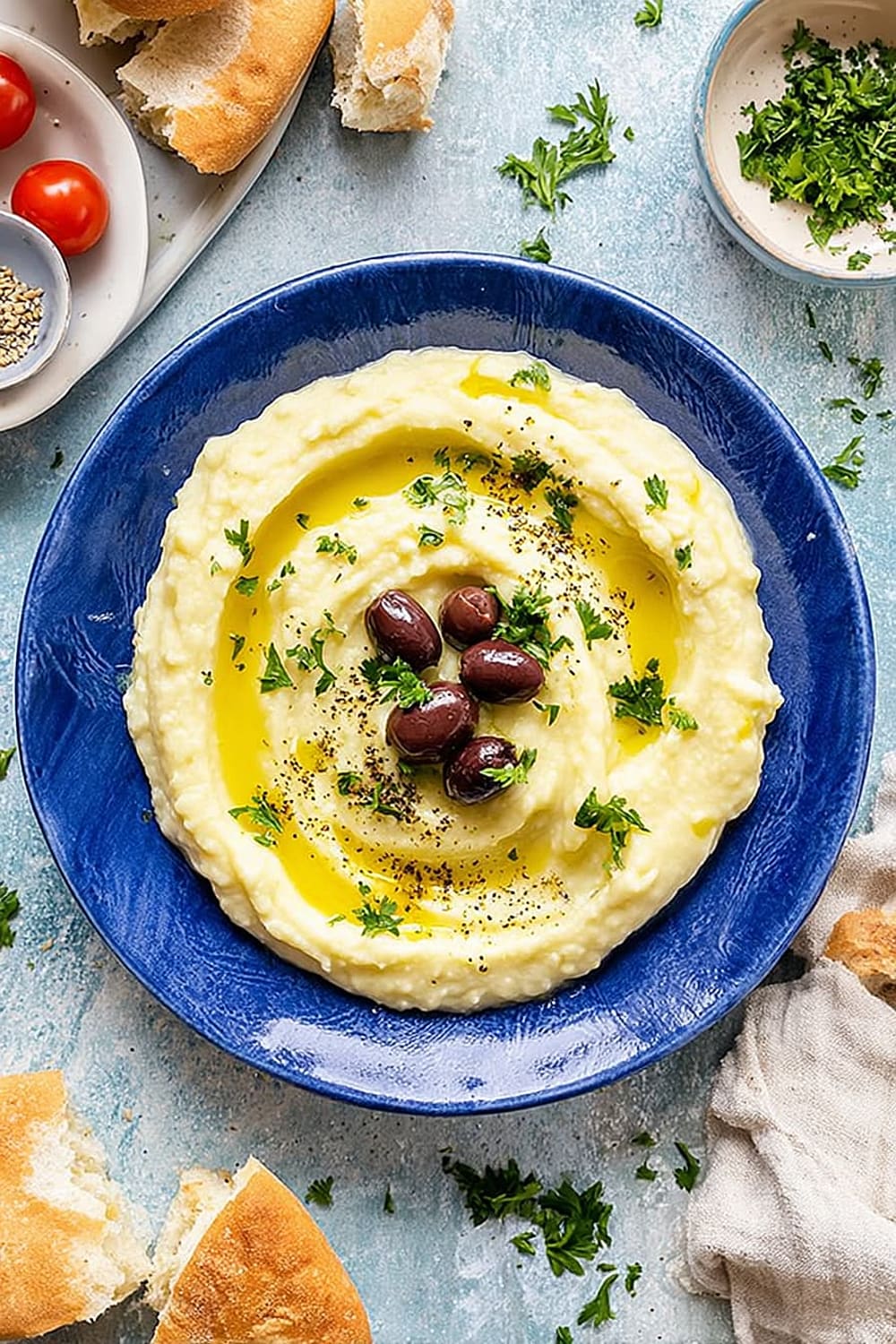
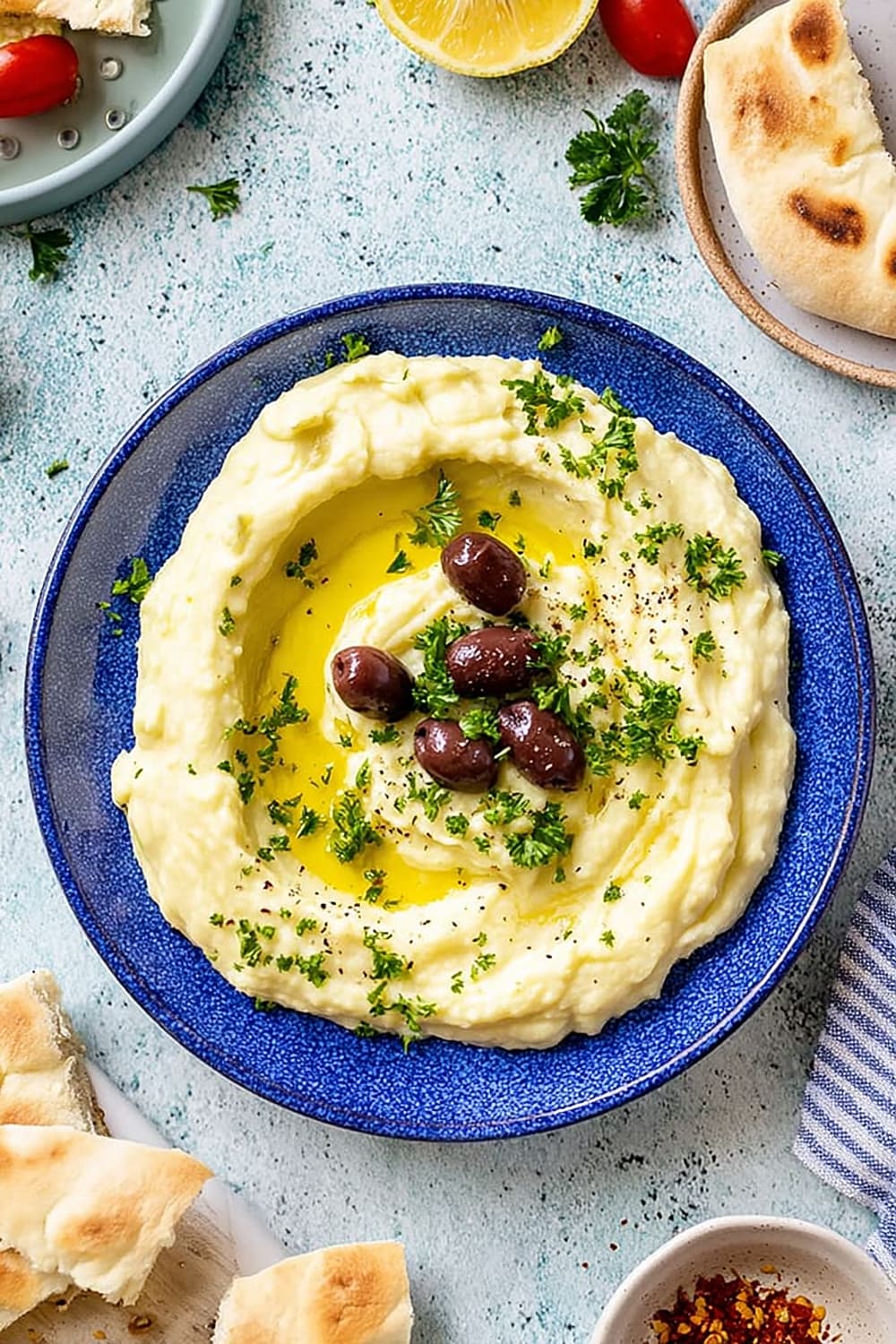
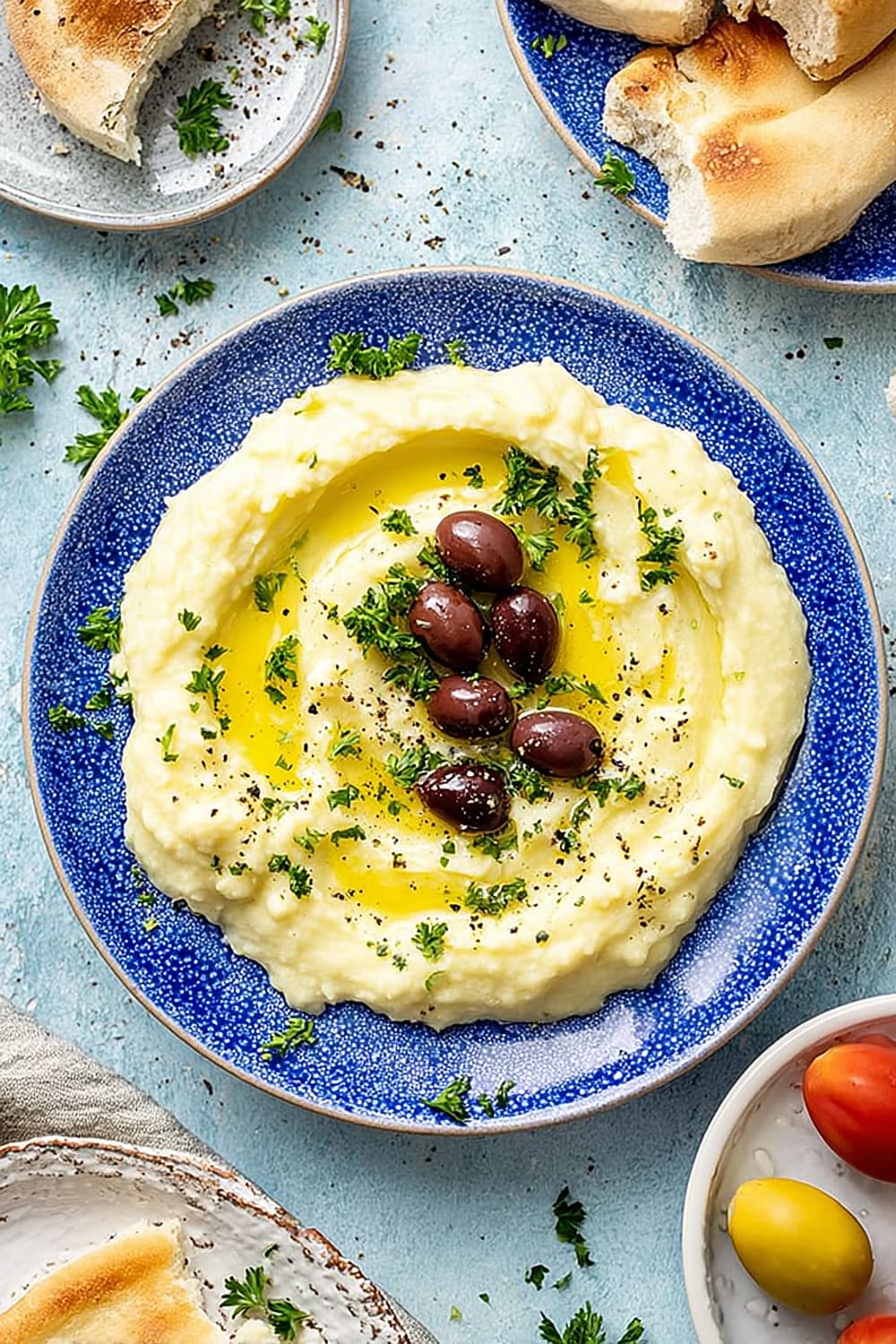
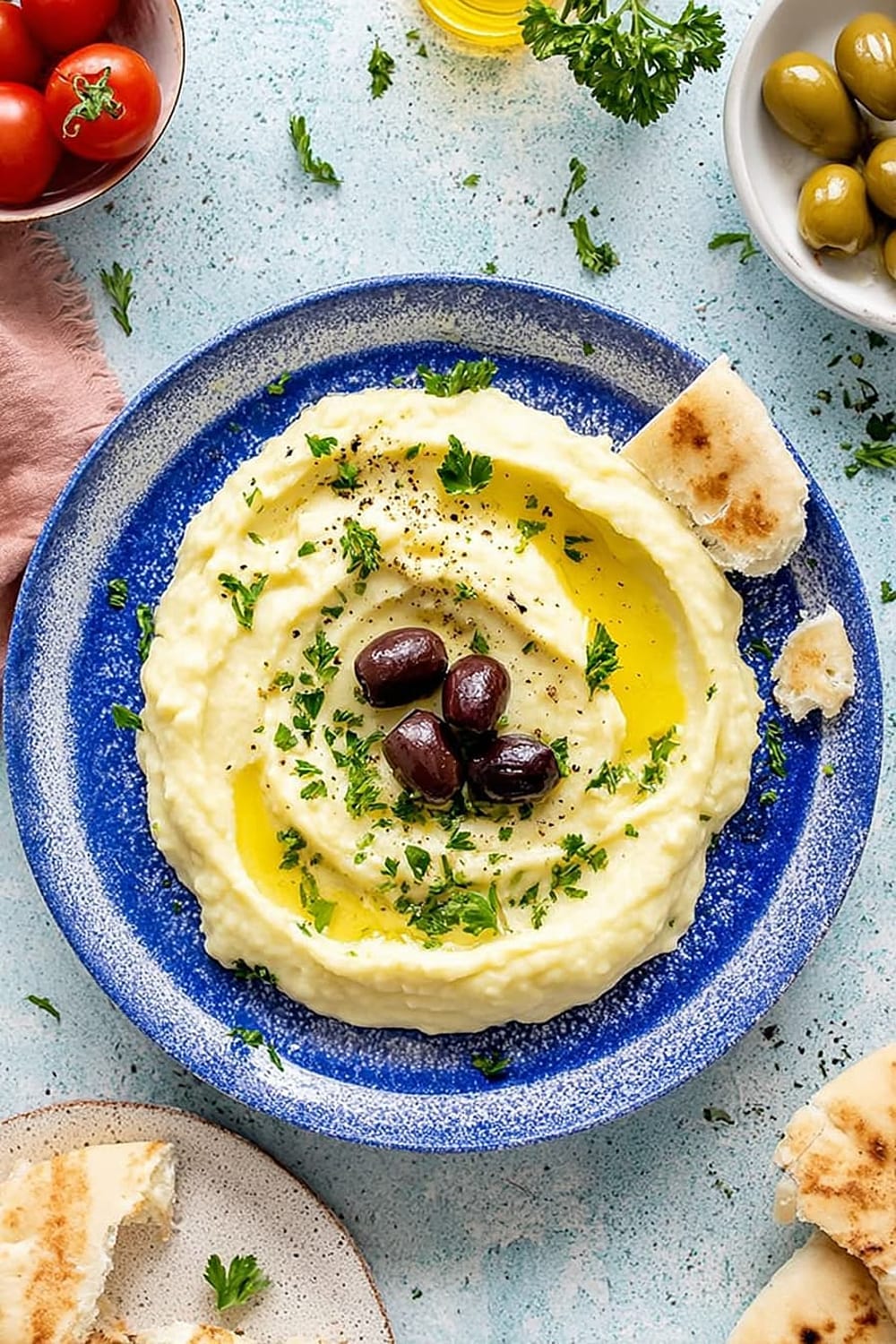
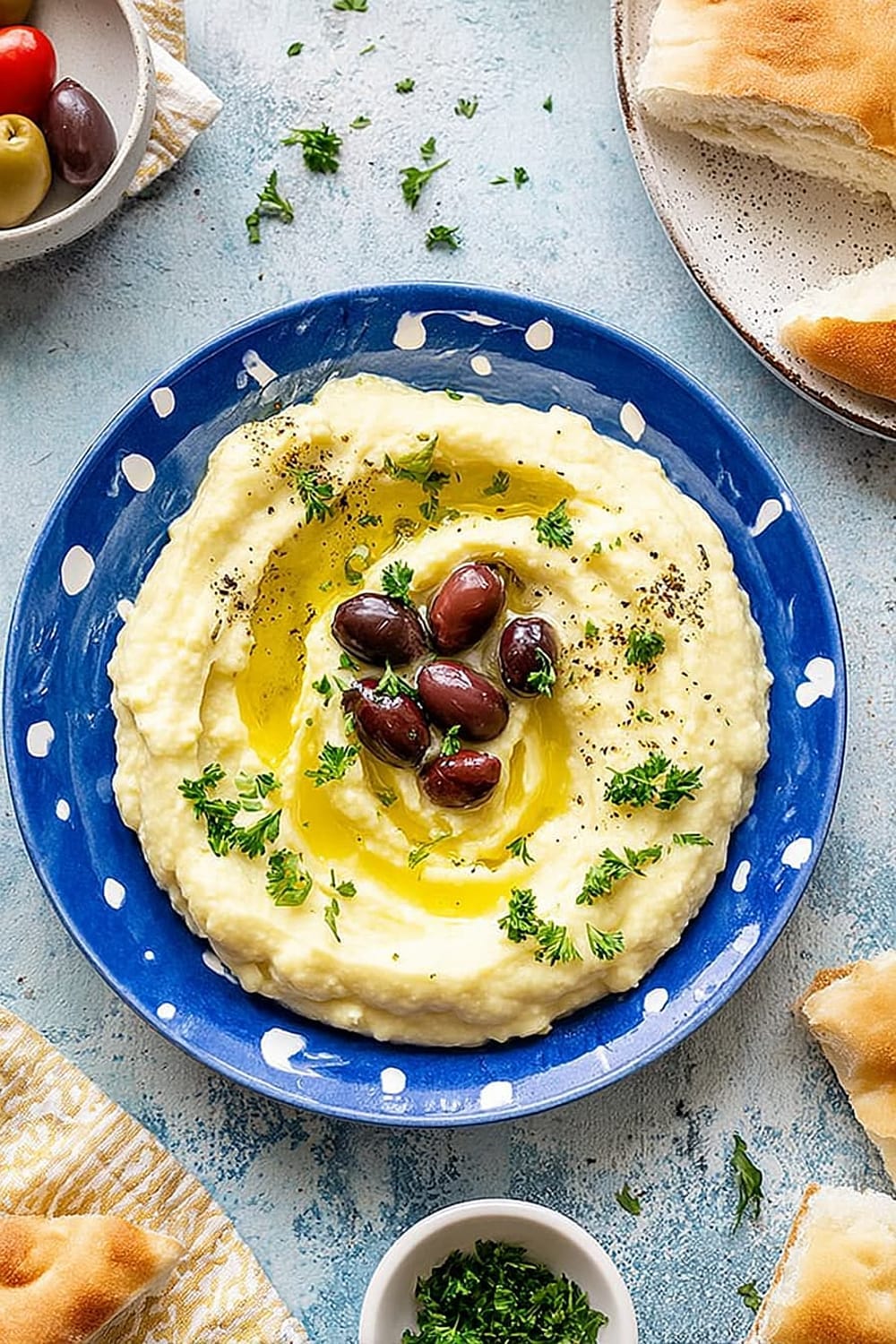
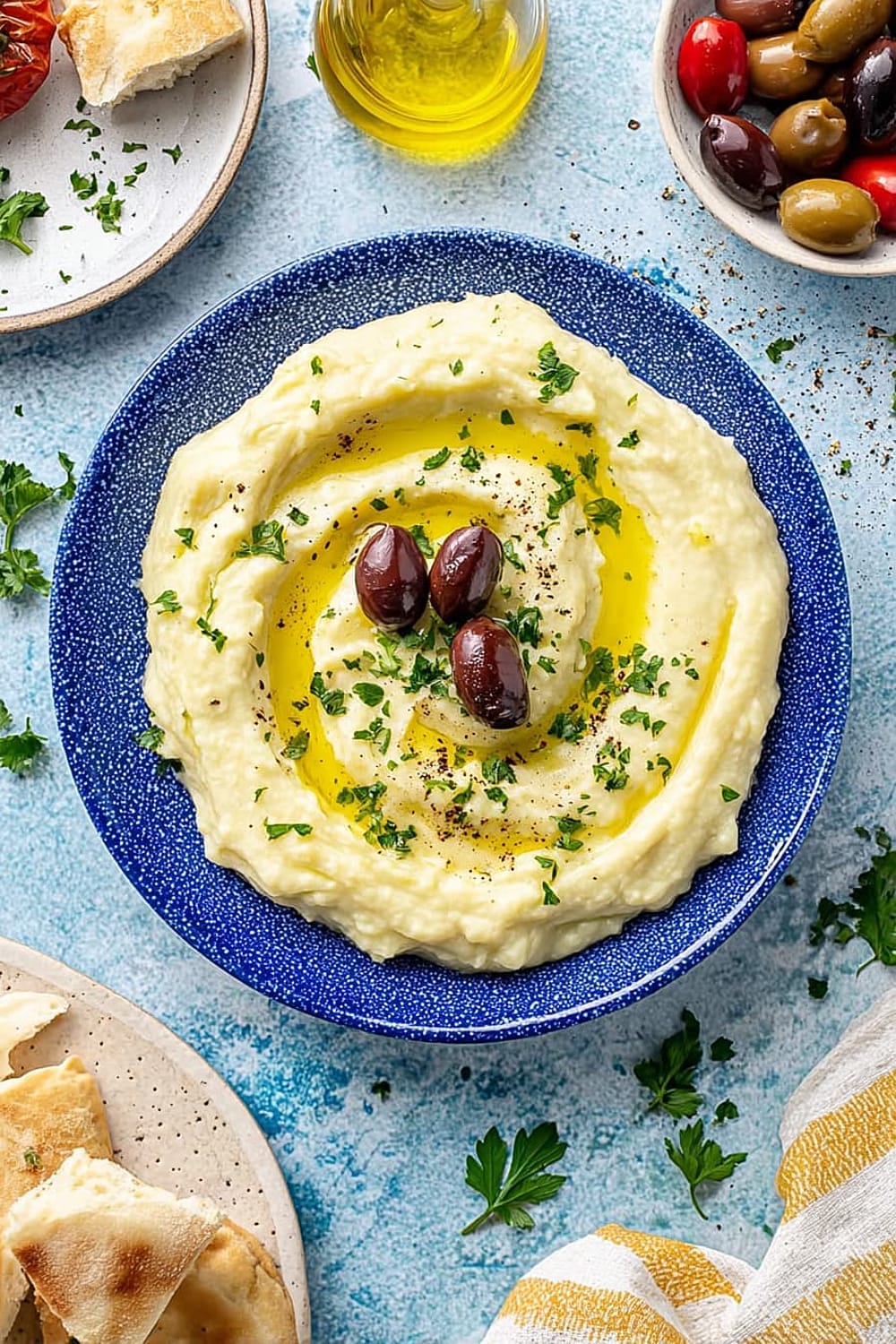
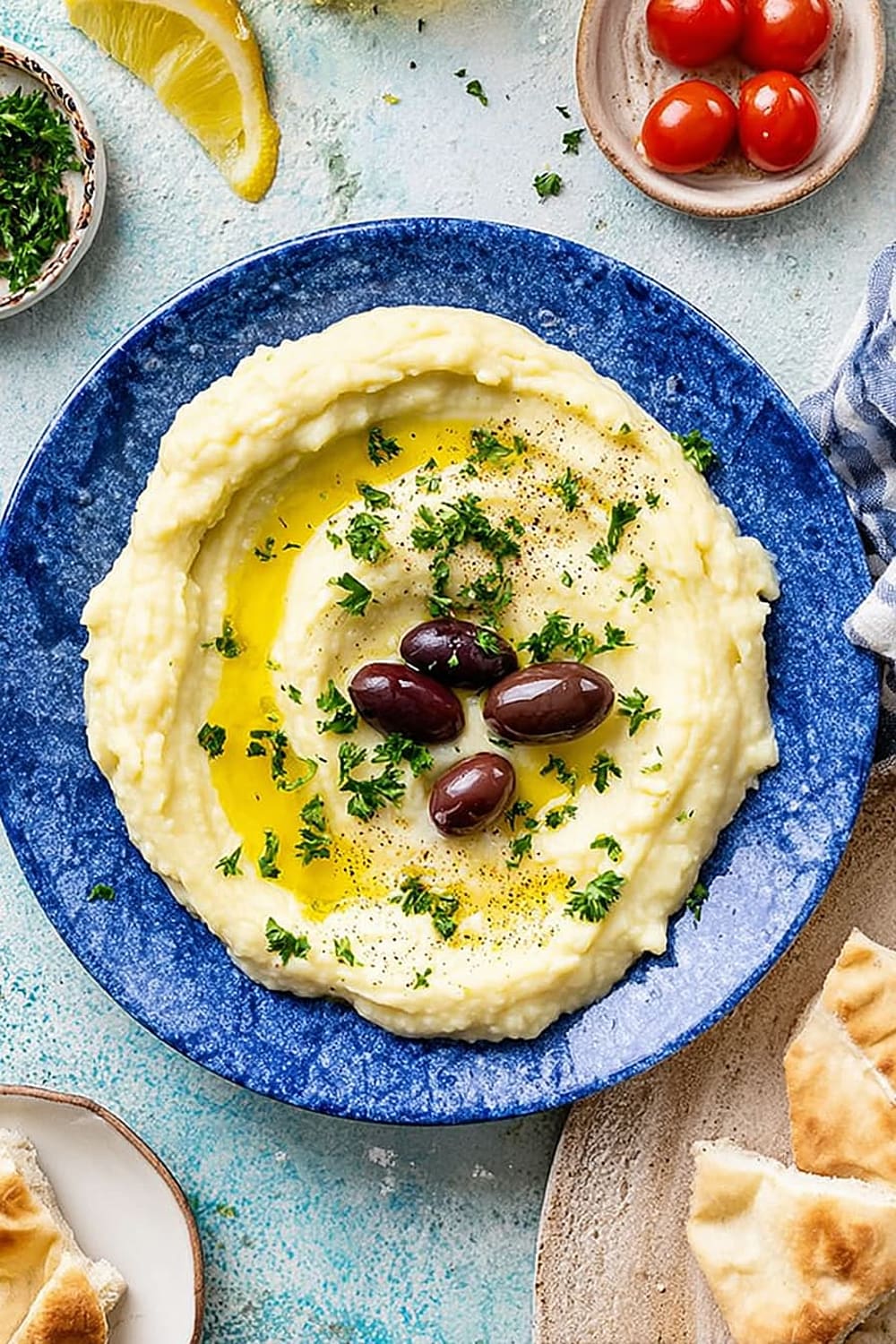
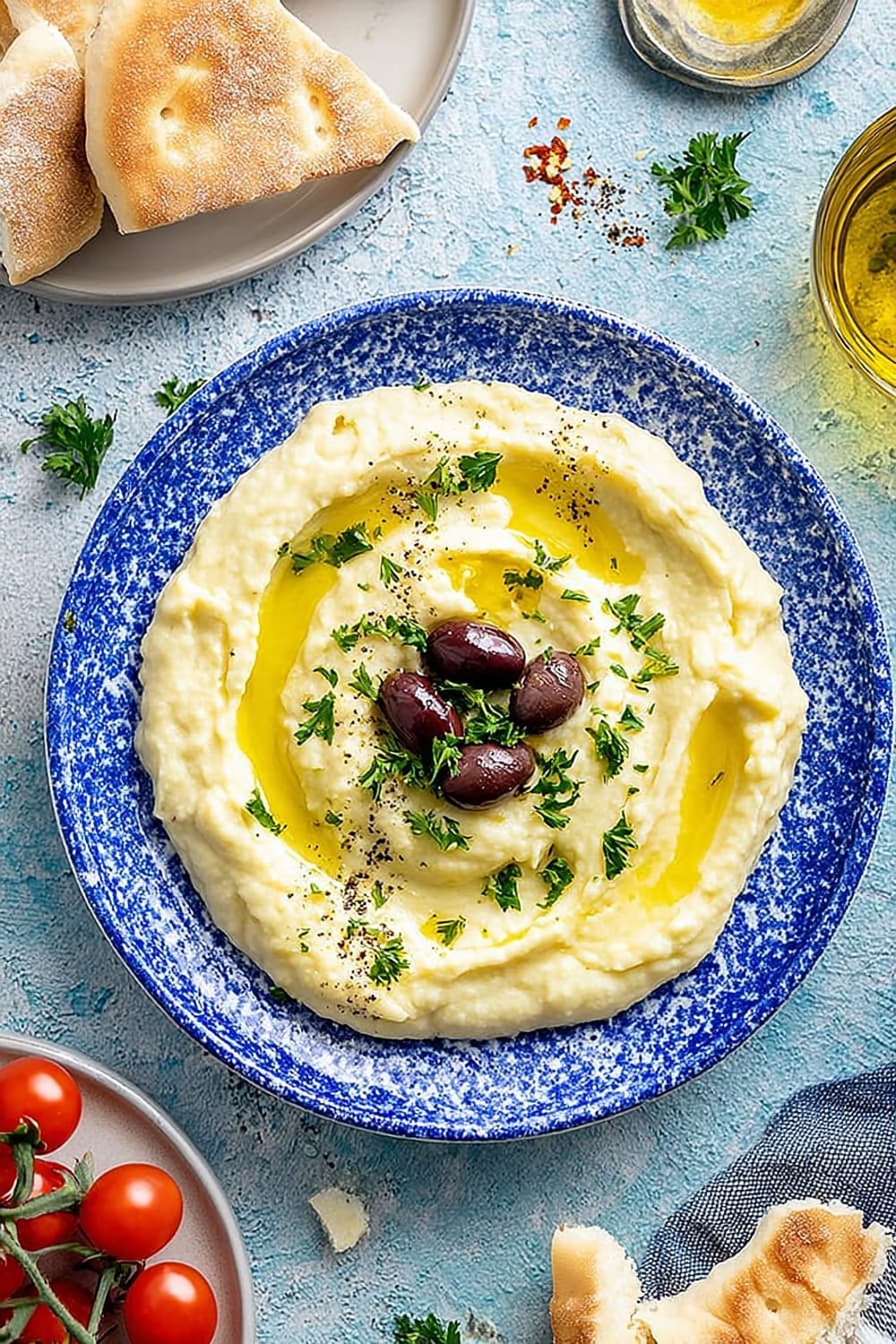
- 8 To serve, spread the skordalia onto a serving plate using the back of a spoon to create attractive swirls and valleys. Drizzle generously with extra olive oil, sprinkle with fresh chopped herbs, and arrange olives around the edges. Serve with warm pita or flatbread for the ultimate Mediterranean experience.
Recommended Equipment and Kitchen Tools
Essential Tools (for best results):
- Food processor – A small food processor works perfectly for creating the smooth garlic paste that forms the flavor foundation. The sharp blades break down the garlic completely, preventing any harsh chunks in your finished dip.
- Potato masher – This creates the ideal fluffy texture that makes skordalia special. A ricer works too, but a traditional masher gives you more control over the final consistency.
- Large mixing bowls – You’ll need space to properly mash and incorporate all ingredients without making a mess of your kitchen.
Helpful Upgrades:
- Digital kitchen scale – For precise measurements, especially if you’re scaling the recipe up for entertaining. Greek cooking is often about feel, but consistent results come from accurate measurements.
- Microplane grater – If you prefer to grate your garlic instead of using a food processor, this creates a smooth paste-like consistency that integrates beautifully.
Nice-to-Have Options:
- Immersion blender – Some cooks prefer this for achieving an ultra-smooth texture, though traditional mashing creates more authentic results.
- Wooden spoon – Perfect for final stirring and adjusting consistency without overworking the potatoes.
Recipe Variations and Dietary Modifications
Traditional Greek Variations:
- Bread-Based Skordalia – Replace potatoes with 4 slices day-old bread, crusts removed, soaked in water and squeezed dry. This creates a lighter, more paste-like consistency.
- Almond Skordalia – Add 1/2 cup blanched almonds to the food processor with the garlic for a richer, nuttier flavor profile.
- Walnut Version – Incorporate 1/3 cup toasted walnuts for added richness and traditional Greek flavoring.
Flavor Enhancements:
- Lemon Skordalia – Replace vinegar entirely with fresh lemon juice and add 1 teaspoon lemon zest for brighter, more citrusy notes.
- Herb-Infused – Blend 2 tablespoons fresh dill or parsley directly into the garlic mixture for added Mediterranean flavor.
- Roasted Garlic Version – Use roasted garlic cloves instead of raw for a sweeter, more mellow garlic flavor that’s less aggressive.
Dietary Adaptations:
- Lower-Carb Option – Replace half the potatoes with cauliflower florets cooked until very tender. The texture remains creamy while reducing overall carbohydrates.
- Vegan-Friendly – This recipe is naturally vegan, making it perfect for plant-based entertaining.
- Oil-Free Version – Use additional potato cooking water and 2 tablespoons tahini instead of olive oil for richness without added oils.
Nutritional Information and Health Benefits
Key Nutritional Highlights:
This traditional Greek dip provides approximately 180 calories per serving with a satisfying balance of complex carbohydrates from potatoes and heart-healthy monounsaturated fats from olive oil. Each serving delivers significant potassium (about 600mg), vitamin C, and vitamin B6 from the potatoes, while the olive oil contributes beneficial antioxidants and vitamin E.
Health Benefits of Main Ingredients:
Garlic is the nutritional superstar here, providing powerful allicin compounds known for their anti-inflammatory and immune-boosting properties. Studies suggest garlic may help support cardiovascular health and provide antimicrobial benefits. Potatoes offer more than just comfort – they’re excellent sources of resistant starch when cooled, which acts as a prebiotic to support digestive health. The extra virgin olive oil provides polyphenols and oleic acid, compounds associated with reduced inflammation and heart health benefits.
Dietary Considerations:
This recipe is naturally gluten-free, dairy-free, and vegan, making it suitable for most dietary restrictions. The fiber content from potatoes helps with satiety, while the healthy fats from olive oil aid in nutrient absorption. Each serving contains approximately 8-10g carbohydrates, making it moderate for those watching carb intake. The sodium content can be controlled by adjusting salt to taste, making it suitable for low-sodium diets.
Smart Swaps and Ingredient Substitutions
Common Substitutions:
- White wine vinegar → Fresh lemon juice (same amount) or apple cider vinegar for different flavor profiles
- Regular potatoes → Yukon Gold or russet potatoes work best, but red potatoes can be used for a slightly denser texture
- Fresh garlic → Roasted garlic cloves (use 6-8 cloves) for milder, sweeter flavor
Budget-Friendly Swaps:
- Extra virgin olive oil → Regular olive oil or avocado oil for similar richness at lower cost
- Fresh herbs → Dried herbs (use 1/3 the amount) when fresh isn’t available
- Specialty olives → Basic black or green olives for serving, still delicious
Pantry Emergency Substitutions:
- White wine vinegar → White vinegar mixed with a pinch of sugar, or rice vinegar for gentler acidity
- Fresh garlic → Garlic powder (1/4 teaspoon per clove) though texture will be different
- Olive oil → Neutral oil plus 1 teaspoon lemon juice for Mediterranean flavor
Pro Tips for Substitutions:
- When using different potato varieties, adjust cooking time as needed – waxy potatoes take longer to become tender
- Store leftover garlic paste covered in olive oil in the refrigerator for up to one week for future use
Make It Diabetes-Friendly
Carb Reduction Strategies:
- Replace half the potatoes with cauliflower florets cooked until very tender, reducing total carbs by approximately 15-20g per serving
- Use smaller portions – serve 1/3 cup instead of 1/2 cup as a flavorful accent rather than main dip
- Add fiber boost with 1 tablespoon ground flaxseed mixed in, which helps slow glucose absorption
Portion & Timing Tips:
- Recommended serving size: 1/4 cup (about 2 tablespoons) contains approximately 12-15g carbohydrates
- Pair with protein like grilled chicken or hard-boiled eggs to help stabilize blood sugar response
- Best timing: Serve as part of a balanced meal rather than as a standalone snack
- Vegetable pairing: Serve with cucumber slices, bell pepper strips, or celery instead of bread for lower carb dipping
Blood Sugar Management:
- Total modified carbs: Approximately 8-10g per serving when using the cauliflower substitution
- Fiber content: 3-4g per serving helps slow carbohydrate absorption
- Healthy fats from olive oil help moderate blood sugar spikes
Pro Diabetes Tips:
- Make ahead and portion into individual containers for better portion control
- Monitor blood glucose response to find your optimal serving size
Perfect Pairing Suggestions
Beverage Pairings:
Greek white wines like Assyrtiko or Moschofilero complement the garlic and olive oil beautifully, while their crisp acidity cuts through the richness. For beer lovers, a light lager or wheat beer provides refreshing contrast. Non-alcoholic options include sparkling water with lemon, iced herbal tea, or cucumber mint water that echo Mediterranean flavors without competing with the garlic.
Side Dish Recommendations:
Serve alongside grilled lamb or chicken souvlaki for an authentic Greek feast, or pair with roasted vegetables like eggplant, zucchini, and bell peppers. Greek village salad (horiatiki) provides fresh, crisp contrast to the creamy dip, while dolmades (stuffed grape leaves) create a beautiful mezze spread. Warm pita triangles, lavosh crackers, or fresh vegetable crudité make perfect vehicles for scooping.
Complete Meal Ideas:
Build a Mediterranean mezze platter featuring skordalia alongside hummus, tzatziki, feta cheese, olives, and fresh vegetables. For dinner parties, serve as an appetizer before grilled fish with lemon potatoes and Greek green beans. Brunch applications include spreading on toasted sourdough topped with sliced tomatoes and fresh herbs.
Occasion Suggestions:
Perfect for summer entertaining, outdoor gatherings, and casual dinner parties. Ideal for Greek-themed celebrations, Mediterranean cooking classes, or any time you want to transport guests to a Greek taverna.
Pro Tips and Troubleshooting
Professional Techniques:
Temperature matters – work with warm potatoes for the smoothest texture, as cold potatoes become gluey when mashed. Don’t overmix once you achieve the desired consistency, as this can make the skordalia gummy. Taste and adjust the garlic level gradually – you can always add more, but you can’t take it back. Room temperature serving brings out the best flavors, so remove from refrigerator 30 minutes before serving.
Common Mistakes and Solutions:
Too thick? Gradually add reserved potato cooking water, 1 tablespoon at a time, until you reach the perfect spreadable consistency. Too garlicky? Balance with extra lemon juice or a small amount of honey. Lumpy texture? Pass through a fine-mesh sieve or use an immersion blender for ultra-smoothness. Bland flavor? Add more salt – potatoes need generous seasoning to shine.
Storage and Make-Ahead:
Store covered in refrigerator for up to 4 days. The flavors actually improve overnight as the garlic mellows. Freezing isn’t recommended as the texture becomes grainy when thawed. Refresh leftovers by stirring in a drizzle of olive oil and a squeeze of fresh lemon juice.
Scaling and Presentation:
Double easily for large gatherings – use a stand mixer with paddle attachment for larger batches. Presentation tip: Create decorative swirls with the back of a spoon, drizzle with golden olive oil, and garnish with paprika, fresh herbs, or pomegranate seeds for stunning visual appeal.
This traditional Greek skordalia transforms humble potatoes into something absolutely magical – a creamy, garlicky masterpiece that’ll have everyone asking for the recipe. Whether you’re hosting a Mediterranean-themed dinner party or just want to add some Greek flair to your appetizer game, this authentic dip delivers restaurant-quality results with surprisingly simple techniques. The best part? It actually tastes better the next day, making it perfect for stress-free entertaining where you can prepare ahead and focus on enjoying your guests.