Shock Warning RFK Jr and Dr Oz Plan Could Kick Working People Off Medicaid

Controversial proposals are stirring debate.
Could a new plan impact healthcare access for millions?

A Bold Proposal for Welfare Reform
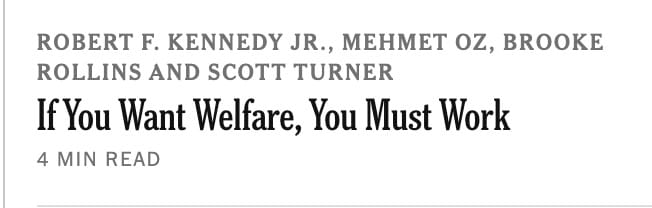
A recent op-ed in The New York Times has ignited significant discussion.
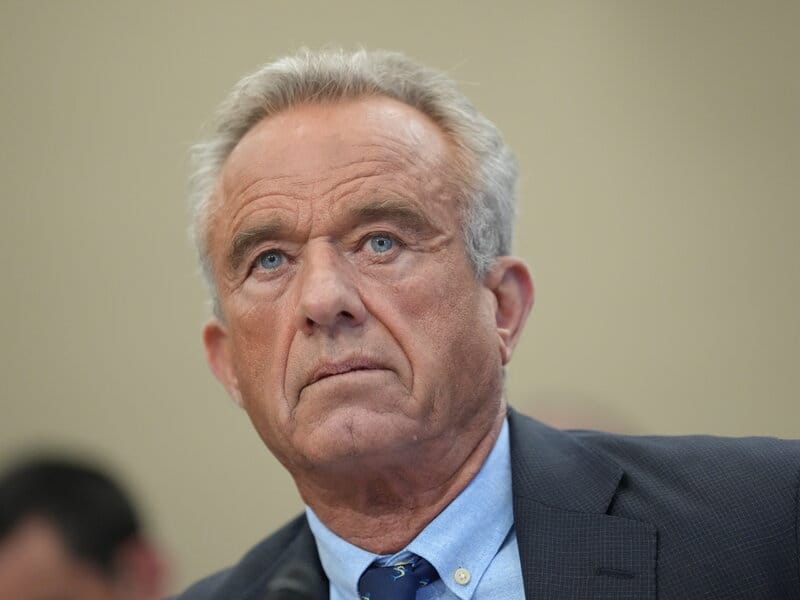
The piece, co-authored by Robert F. Kennedy Jr., Dr. Mehmet Oz, former Secretary of Agriculture Brooke Rollins, and former Secretary of Housing and Urban Development Scott Turner, proposes significant changes to government assistance programs, including Medicaid.
Their core argument centers on the idea that welfare programs have drifted from their original purpose.
The authors contend these programs were designed as temporary help but have become a long-term dependency for many able-bodied adults.

Restoring Welfare’s Original Vision
The op-ed argues that expanding programs like Medicaid has added “millions of able-bodied adults” to the rolls.
They suggest many of these individuals are working-age, without children, and may stay on welfare for extended periods, sometimes without consistent employment.
According to the authors, this situation “distracts from what should be the focus of these programs: the truly needy.”
They state this isn’t “the American way of welfare.”
The proposed solution? Requiring able-bodied adults, defined as those not certified as physically or mentally unfit to work (with some exceptions), to get jobs to receive benefits like Medicaid, SNAP, and housing assistance.
America’s welfare programs were created with a noble purpose: to help those who needed them most. […] In recent years, though, these welfare programs have deviated from their original mission both by drift and by design. Millions of able-bodied adults have been added to the rolls in the past decade, primarily as a result of Medicaid expansion.
They emphasize that work provides “purpose and dignity,” and welfare should serve as a “short-term hand-up, not a lifetime handout.”
Debate Over Potential Impacts
The proposal has faced immediate criticism.
Critics argue that imposing work requirements creates burdensome bureaucracy.
They suggest complex paperwork and monitoring could lead to eligible individuals losing coverage simply due to administrative hurdles or errors.
Data from the U.S. Department of Health and Human Services (HHS) has been cited by opponents, suggesting that among working-age Medicaid enrollees not currently working, nearly all have significant reasons like disabilities, health conditions, or caregiving responsibilities.
Furthermore, one state’s attempt to fully implement such policies reportedly saw nearly a quarter of adults subject to the rule losing coverage, including some who were working or had health issues, without clear evidence of increased employment.

The Principle Behind the Push
Despite concerns about administrative challenges and potential coverage loss, the authors remain firm on their underlying principle.
They directly address the argument that work requirements could create barriers to accessing resources.
Some will argue that work requirements create barriers to resources. We disagree. We believe that welfare dependency, not work, is the barrier.
This stance highlights their conviction that requiring work is essential not just for program integrity but for the well-being and dignity of the recipients themselves.
Their perspective is that dependency on welfare hinders an individual’s potential more than a work requirement would restrict access to benefits.
The Reveal: Targeting Able-Bodied Adults
The core of the Kennedy/Oz plan is specifically aimed at “able-bodied working-age adults” who do not have certified physical or mental impediments to employment and do not have significant caregiving responsibilities.
The stated intention is to encourage self-sufficiency in this demographic.
By ensuring those capable of working are doing so, the authors argue, welfare programs can refocus resources more effectively on individuals who are truly unable to support themselves, such as the elderly, disabled, or families with young children.
This reform, from their perspective, is necessary to make welfare programs fiscally sustainable and aligned with the American value of work.
It aims to shift the perception and reality of welfare from a potential long-term handout to a temporary stepping stone towards independence.
The debate over this proposal highlights fundamental disagreements about the purpose and structure of social safety nets in the United States.
Whether this approach is implemented and what its ultimate effects would be remains a subject of intense scrutiny and political debate.