Shock Report Details How Trump Could Send US Military Into Mexico Against Cartels
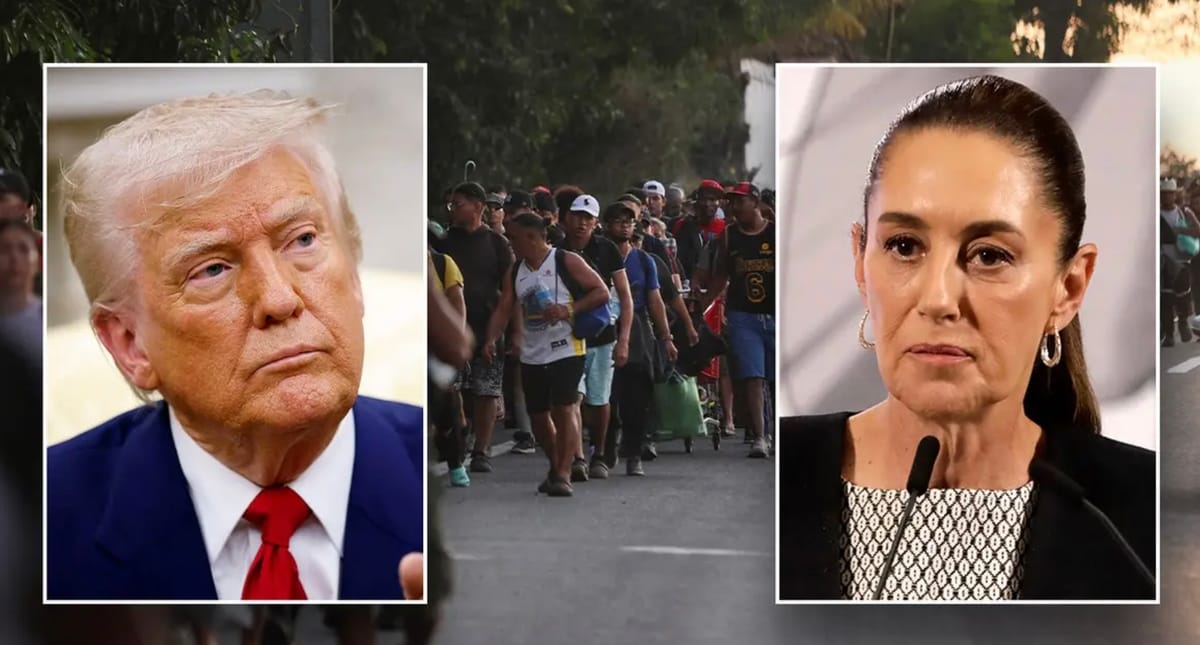
Mexico’s President drew a line in the sand, rejecting US military help against the cartels.
But a bombshell report suggests President Trump might have other plans.
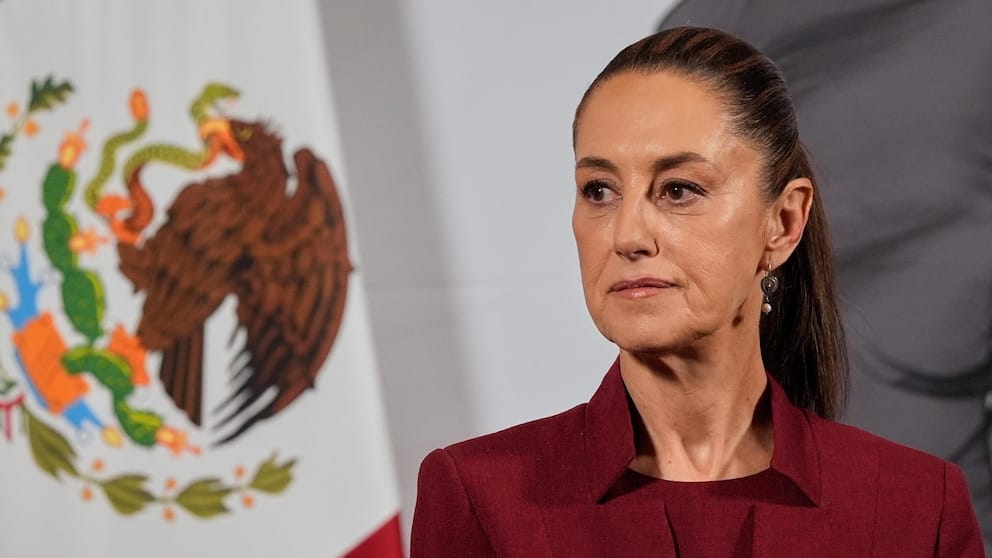
Mexico Says ‘No Thanks’ to US Boots on the Ground
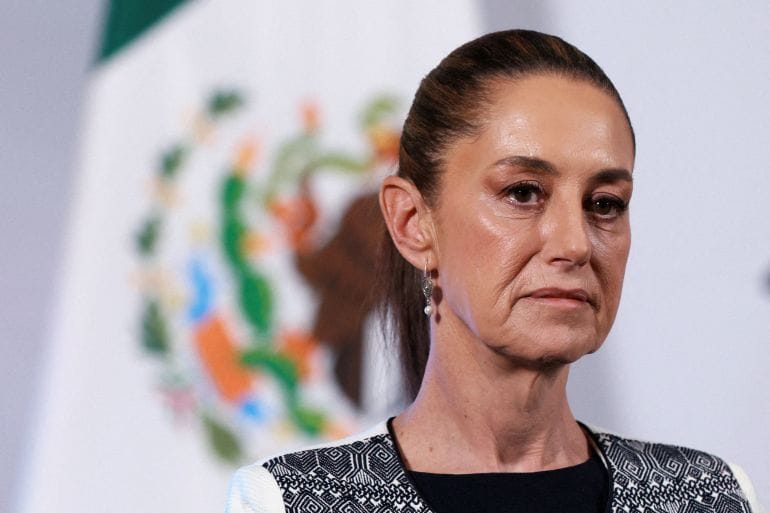
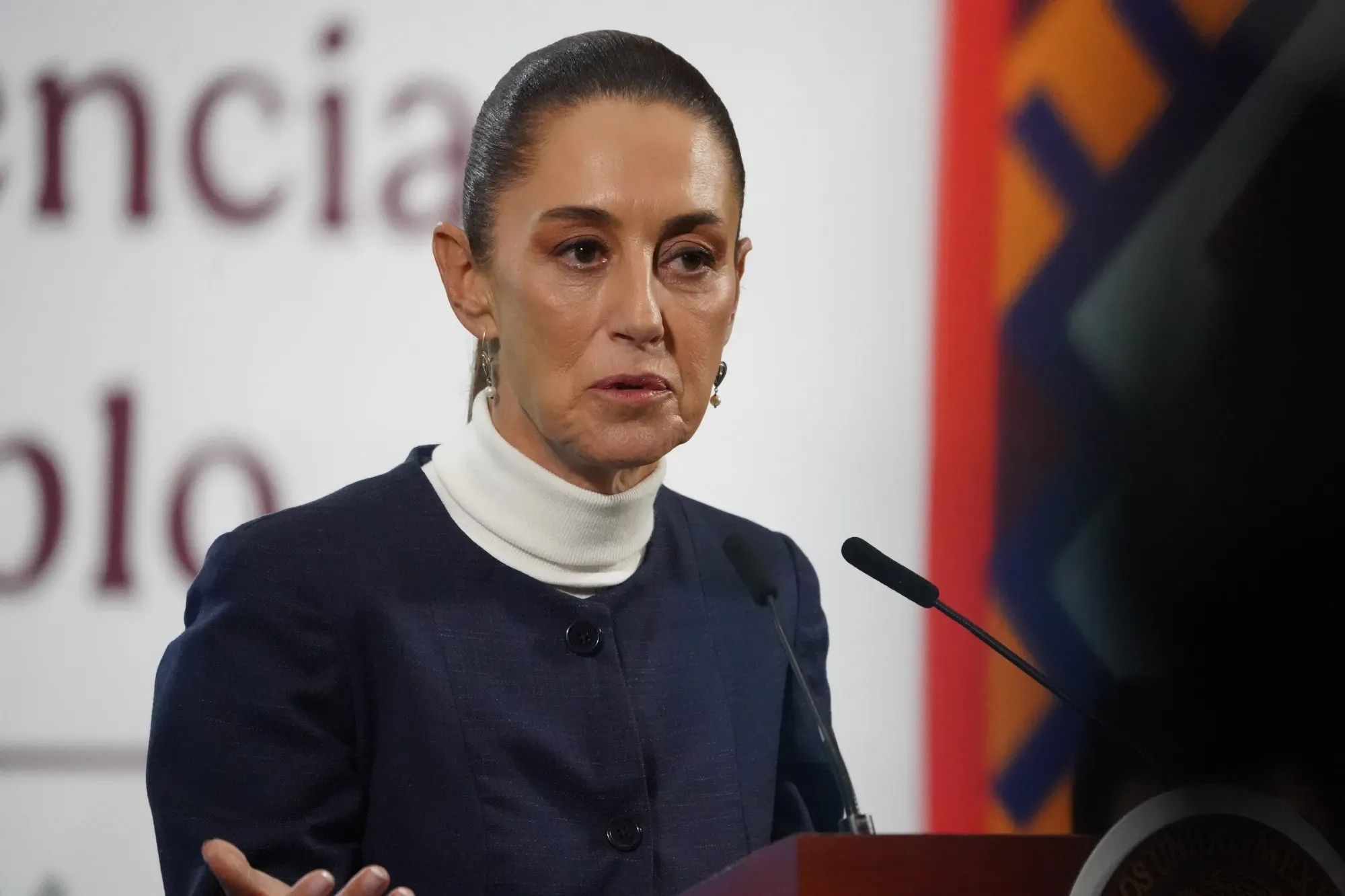
The situation escalated when Mexican President Claudia Sheinbaum publicly confirmed she turned down an offer from President Donald Trump.
The offer? US military assistance to combat the powerful and violent drug cartels wreaking havoc.
According to reports confirmed by Sheinbaum, Trump directly asked how the US could help tackle the escalating drug trafficking crisis south of the border.
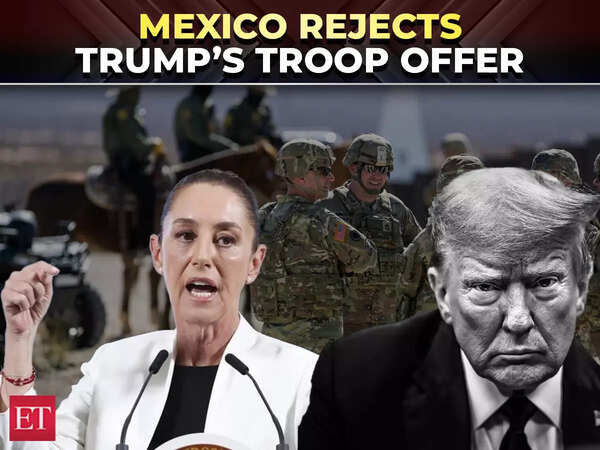
Her response was blunt.
She told President Trump that Mexico would “never accept” the presence of the U.S. Army on its soil.
“No, President Trump, our territory is inalienable, sovereignty is inalienable,” Sheinbaum stated, emphasizing national pride and independence.
“We can collaborate. We can work together, but with you in your territory and us in ours. We can share information, but we will never accept the presence of the United States Army on our territory.”
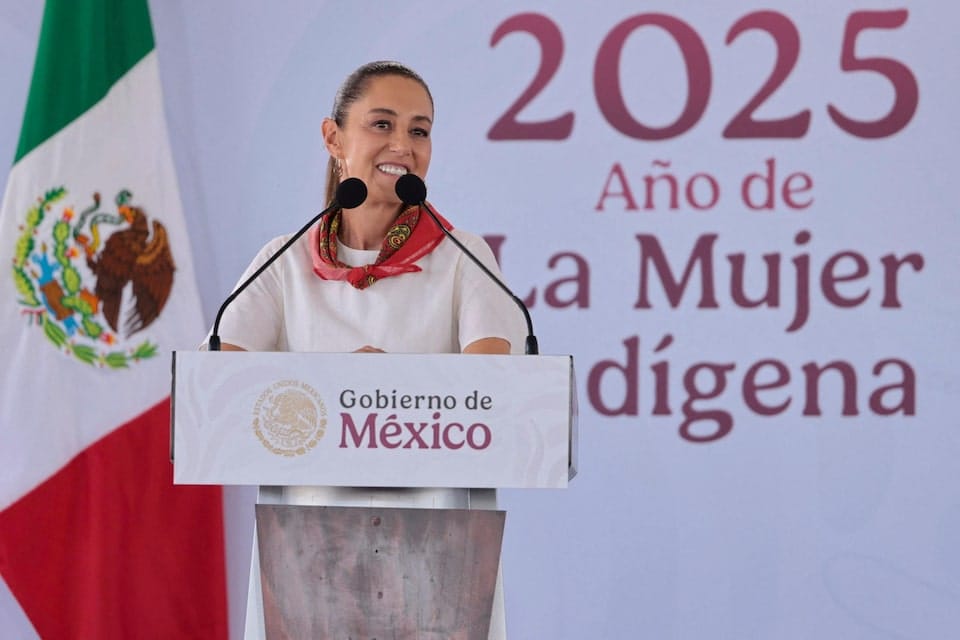
White House Highlights Cooperation Amid Rejection
Despite the firm rejection of direct military intervention, the Trump administration highlighted the ongoing strong relationship.
White House deputy press secretary Anna Kelly emphasized the high level of collaboration already happening.
“President Trump has worked with President Sheinbaum to advance border security collaboration with Mexico to the highest levels ever,” Kelly noted in a statement.
Kelly pointed to “robust cooperation and information sharing” leading to “tangible results,” including extraditing cartel leaders to face US justice.
She credited these efforts with helping create “the most secure border in history.”
Trump’s Tough Stance on Cartels
President Trump hasn’t shied away from taking action against the cartels.
His administration has formally designated Mexican drug cartels as “foreign terrorist” groups, a significant step reflecting the threat they pose.
Furthermore, the US, under Trump, has continued using CIA drones for surveillance flights over Mexico, coordinated with the Mexican government, specifically targeting cartel activity and fentanyl labs.
However, the White House maintains that Mexico needs to step up its efforts further.
Kelly stated that more must be done to shield Americans from these dangerous organizations and the “drugs and violence they flood into communities on both sides of the border.”
“We will continue exploring ways to enhance our efforts across the region to dismantle these transnational criminal organizations,” she wrote. “We will make America safe again.”
Growing Concerns and Potential Escalation
The backdrop to this diplomatic exchange includes rising concerns in the US about border security and cartel influence.
Issues like the potential return of the dangerous screwworm parasite, threatening US livestock, have led to calls for Mexico to act, with credit given to the Trump administration’s pressure for recent progress on that front.
Conservative groups argue that the situation is worsening, with cartels expanding, illegal immigration rising, and security cooperation needing improvement despite White House assurances.
The ‘Last Resort’ Plan Revealed
This is where the Heritage Foundation’s report comes into play, offering a potential roadmap for unilateral action if cooperation falters or proves insufficient.
The influential conservative group detailed how President Trump could potentially deploy the US military to tackle the border crisis and confront cartels directly, even without Mexico’s consent.
While the report emphasized that direct military action against cartels inside Mexico should be a “last resort,” preferring joint operations with Mexican agreement, it didn’t rule out going it alone.
The foundation argued that if Mexico remains unwilling or unable to curb cartel activity effectively, the US might need to take matters into its own hands.
“In the appropriate context, unilateral U.S. military action may be employed to disrupt cartel activity and prompt cooperation from a resistant Mexican government,” the Heritage Foundation report stated.
This suggests a potential future where, if diplomatic and cooperative measures fail to secure American interests from cartel threats, a reluctant Mexico might face direct US military intervention on its soil.
The report indicated skepticism about Mexico changing its stance under Sheinbaum, despite the escalating cartel threat.
This revelation outlines a stark potential escalation in how the US addresses the cartel crisis under President Trump’s leadership.