SHOCK RATING CUT: US Credit Slashed, Experts Warn Americans WILL Pay More
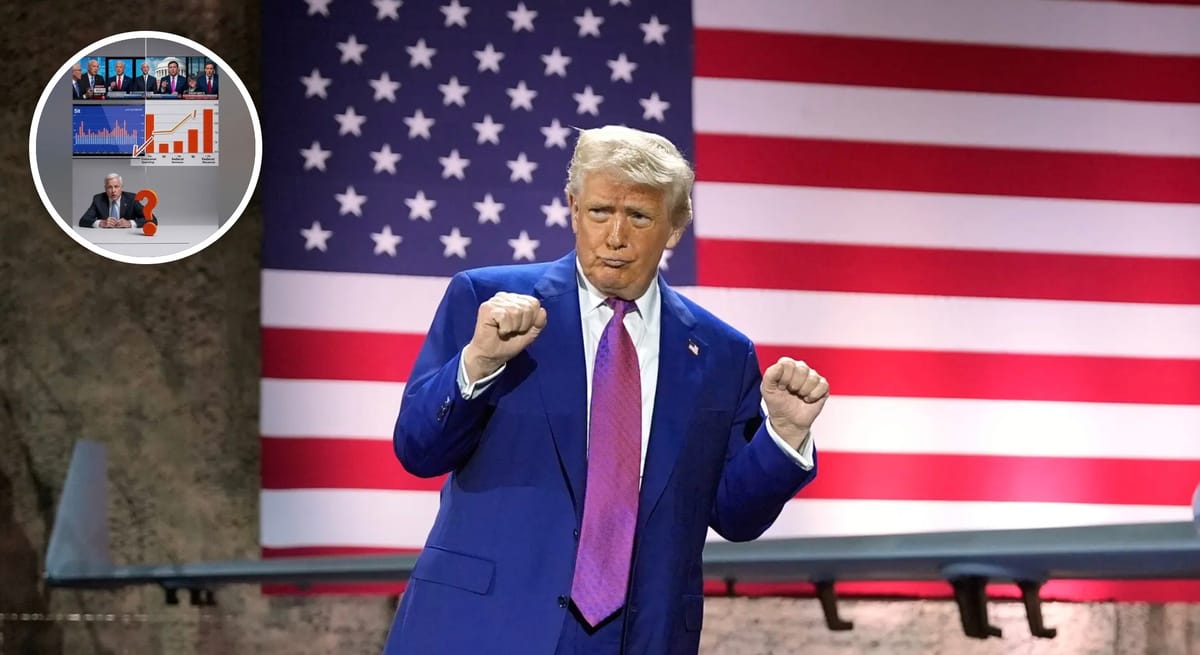
An unprecedented financial moment just struck the United States.
For the first time in over a century, one of the world’s leading credit agencies has stripped the nation of its top-tier rating.
What Does a Credit Rating Even Mean?
Think of it like your personal credit score, but for an entire country.
A nation’s credit rating indicates how likely it is to repay its debts.
A high rating signals stability and low risk to lenders, making it cheaper for the government to borrow money.
For decades, the U.S. held the gold standard: a perfect AAA rating from the major agencies, including Moody’s.
This top rating reflected global confidence in the strength and reliability of the American economy and its ability to manage its finances.
End of an Era: A Century of Stability Broken
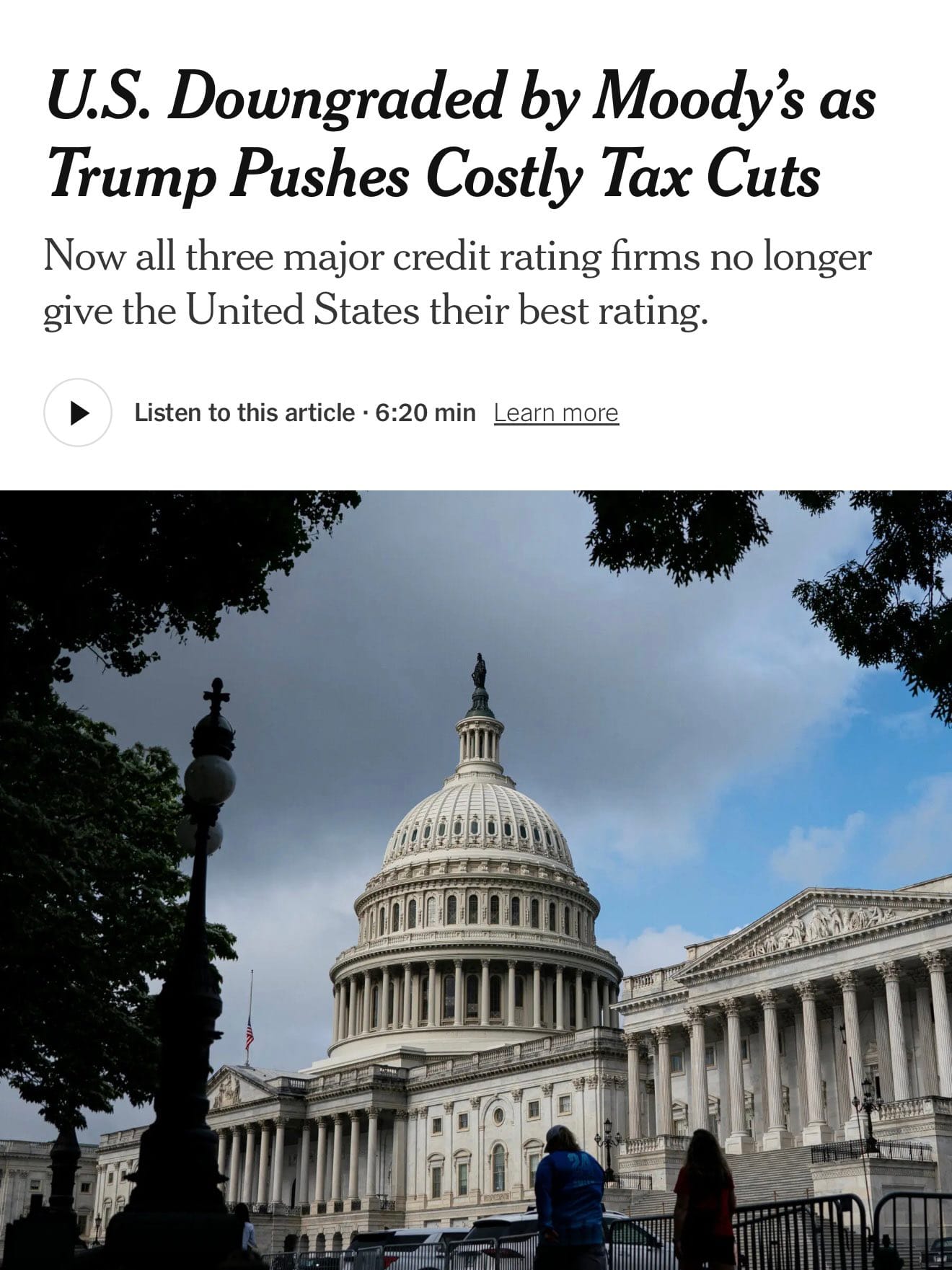
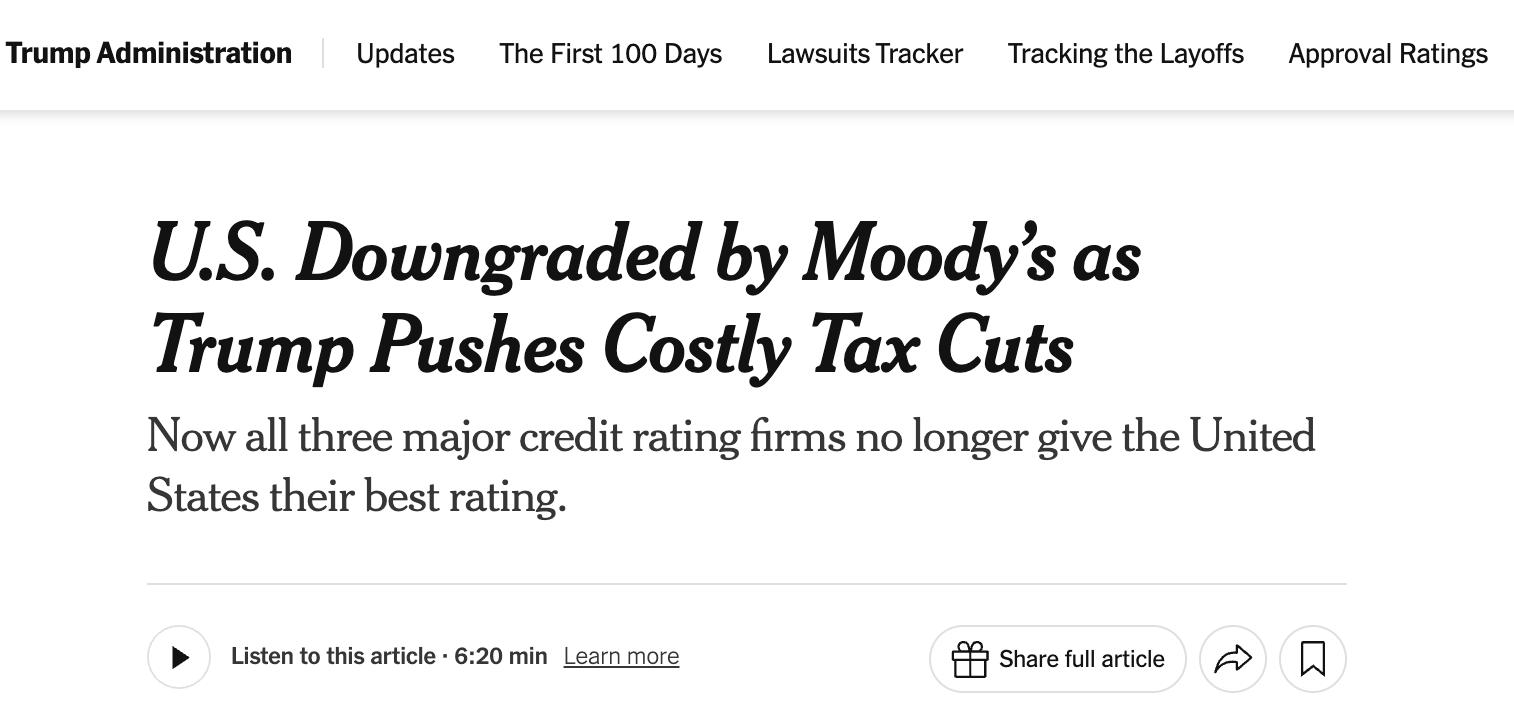
On Friday evening, Moody’s announced its decision to lower the United States’ credit rating from AAA to Aa1.
This move marks a significant symbolic shift, ending a perfect rating streak from Moody’s that dates all the way back to 1919.
Moody’s was the last of the three major credit rating agencies to maintain a perfect AAA rating for the U.S.
S&P Global Ratings made a similar downgrade back in 2011, followed by Fitch Ratings in 2023.
While Aa1 is still a high rating, signalling low credit risk, the downgrade sends a message about long-term fiscal trends.
Why the Downgrade Now? The Agency’s Reasoning
Moody’s pointed to the nation’s rising debt burden as the primary driver behind the decision.
Years of continuous fiscal deficits have seen federal debt increase significantly.
The agency noted that government spending has risen while tax cuts have impacted government revenues over more than a decade.
This combination has led to growing deficits and an expanding national debt.
With interest rates also on the rise, the cost of servicing this debt has increased markedly, putting further pressure on government finances.
Potential Ripple Effects for Everyday Americans
While the immediate impact on the government’s ability to borrow is expected to be minimal – Aa1 is still a very strong rating – there are potential downstream effects.
Lenders to the U.S. government, facing a slightly increased perceived risk (though still low), might eventually demand higher returns on their investments.
This could potentially influence interest rates in other lending markets, impacting consumers.
Experts warn that the cost of borrowing for things like mortgages, car loans, and credit cards *could* see upward pressure.
The extent of this impact remains uncertain, but the potential exists for the cost of borrowing to increase for everyday people.
Fiscal Challenges Cited by Moody’s
In its statement, Moody’s specifically highlighted the fiscal challenges the U.S. faces.
“Over more than a decade, U.S. federal debt has risen sharply due to continuous fiscal deficits. During that time, federal spending has increased while tax cuts have reduced government revenues,” Moody’s statement reads. “As deficits and debt have grown, and interest rates have risen, interest payments on government debt have increased markedly.”
The agency’s outlook considered the ongoing debate around fiscal policy and potential future actions regarding spending and revenue.
Despite the downgrade, Moody’s acknowledged the fundamental strengths of the U.S. economy.
They noted its unique power, resilience, and the robustness of its institutional framework, including the system of checks and balances.
Official Response and Future Outlook
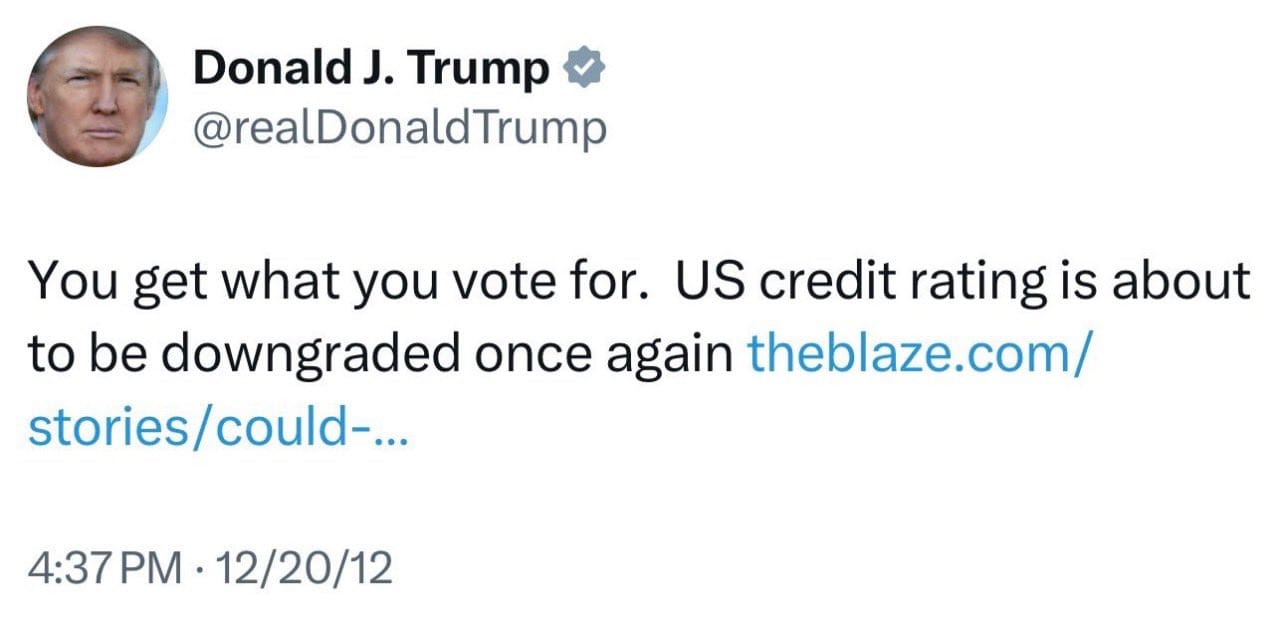
The response from the Trump administration suggested they did not view the downgrade with alarm.
A White House spokesman questioned the timing and methodology of the agency.
This situation underscores the complex interplay between fiscal policy, national debt, and the perceptions of global financial markets.
While the perfect AAA rating is gone from Moody’s, the U.S. economy remains a global powerhouse.
However, the downgrade serves as a stark reminder of the long-term fiscal challenges the nation continues to navigate.
The ultimate impact on consumers will depend on how these financial dynamics play out in the broader economy.