She Built a Vardo‑Style Tiny Home — A 320 ft Dragon's Nest
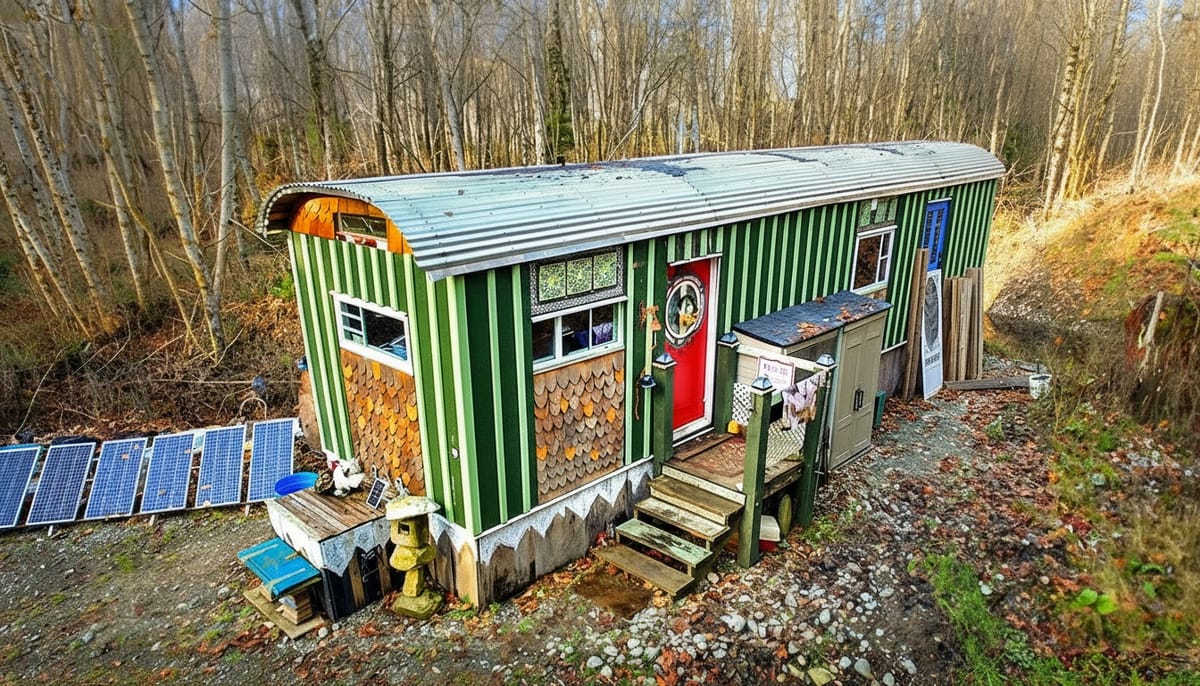
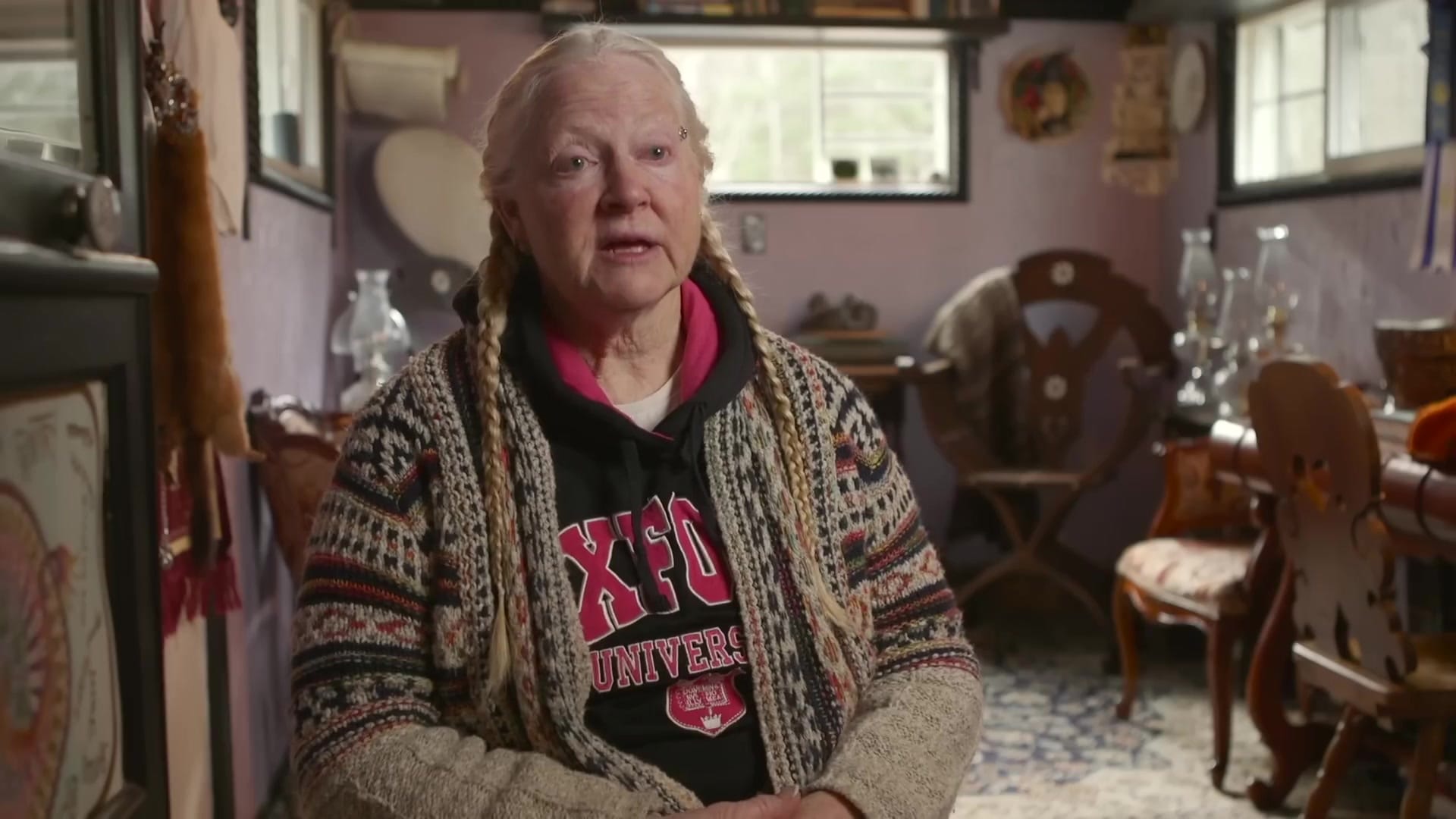
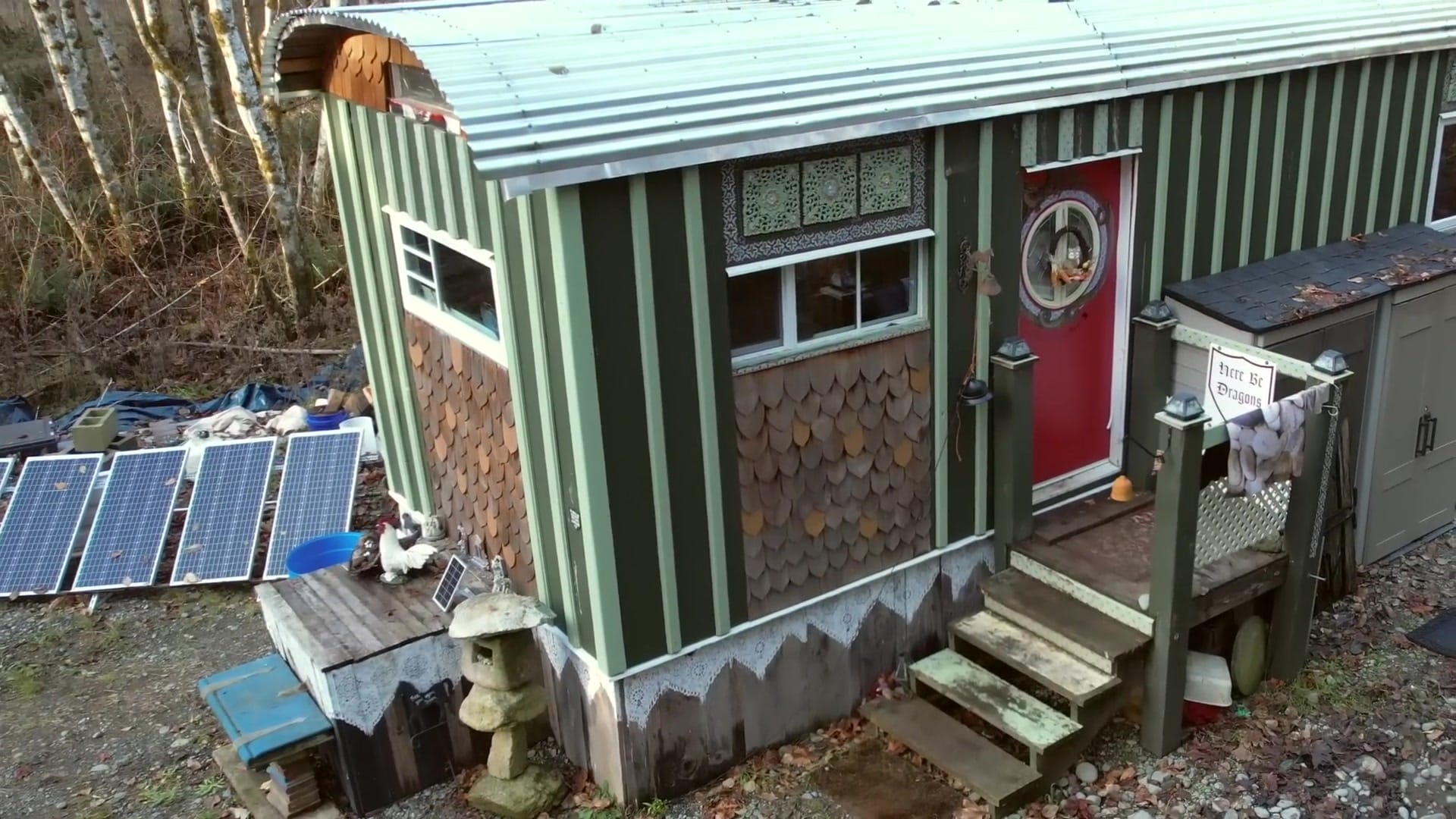
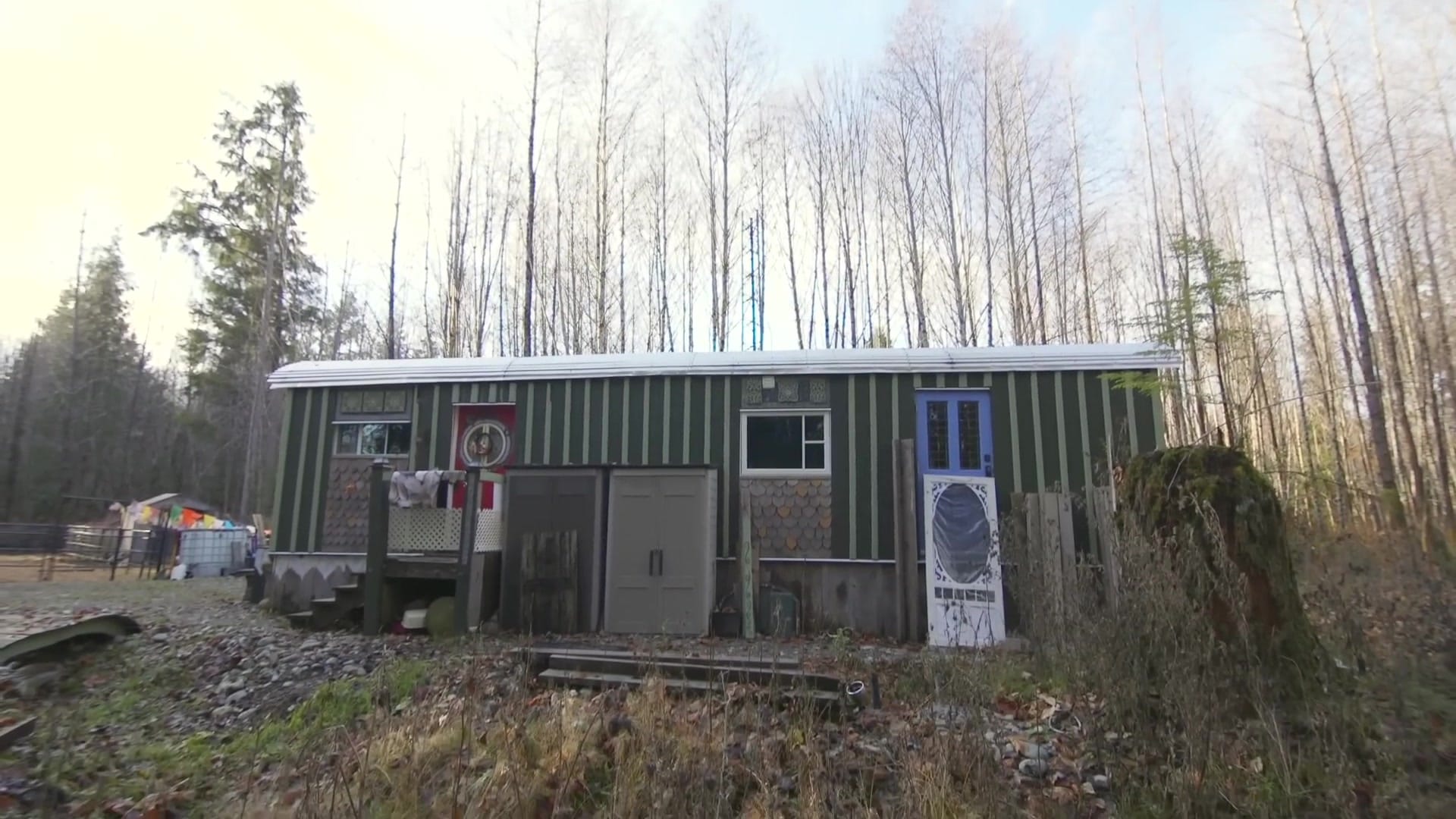
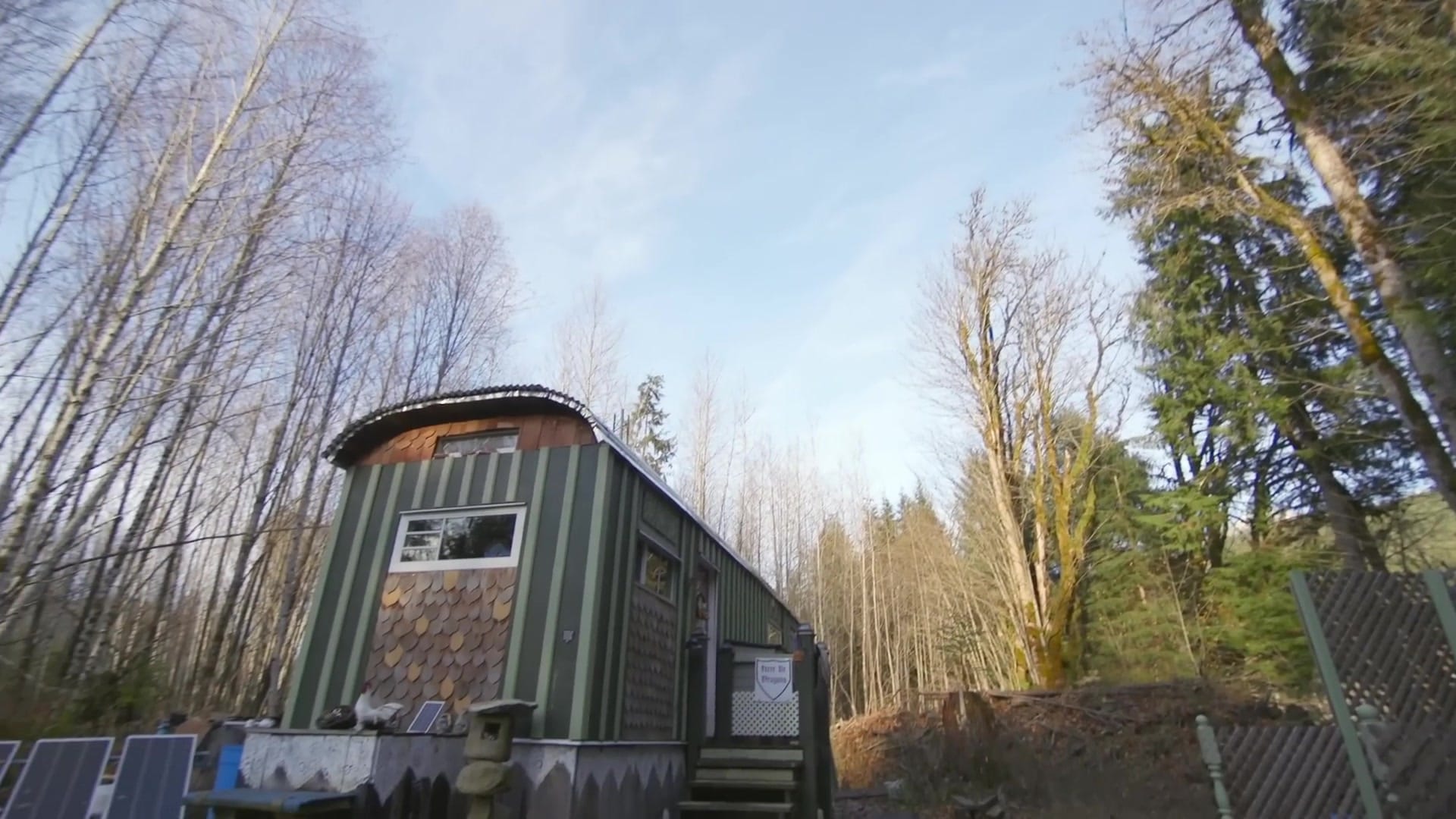
Carol calls her home The Dragon's Nest and says living here has increased her quality of life exponentially. She built it herself in 2019 and knows every nail and screw.
Meet Carol — Why a Vardo‑Style Tiny House
Carol built the house herself in 2019 and, after COVID upended plans for help, finished it solo.
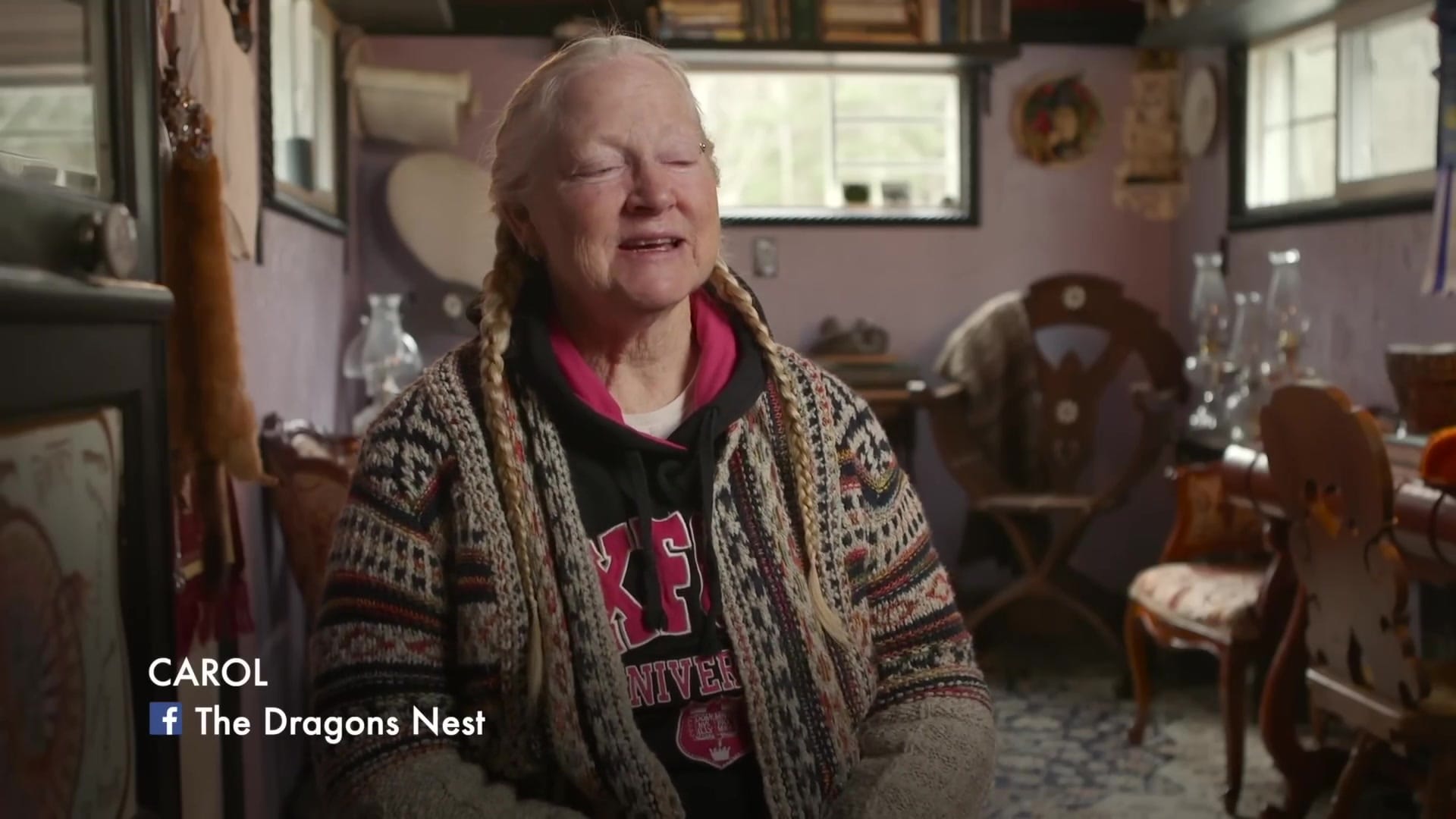
She ended up doing the whole build on her own so she could fix anything that goes wrong.
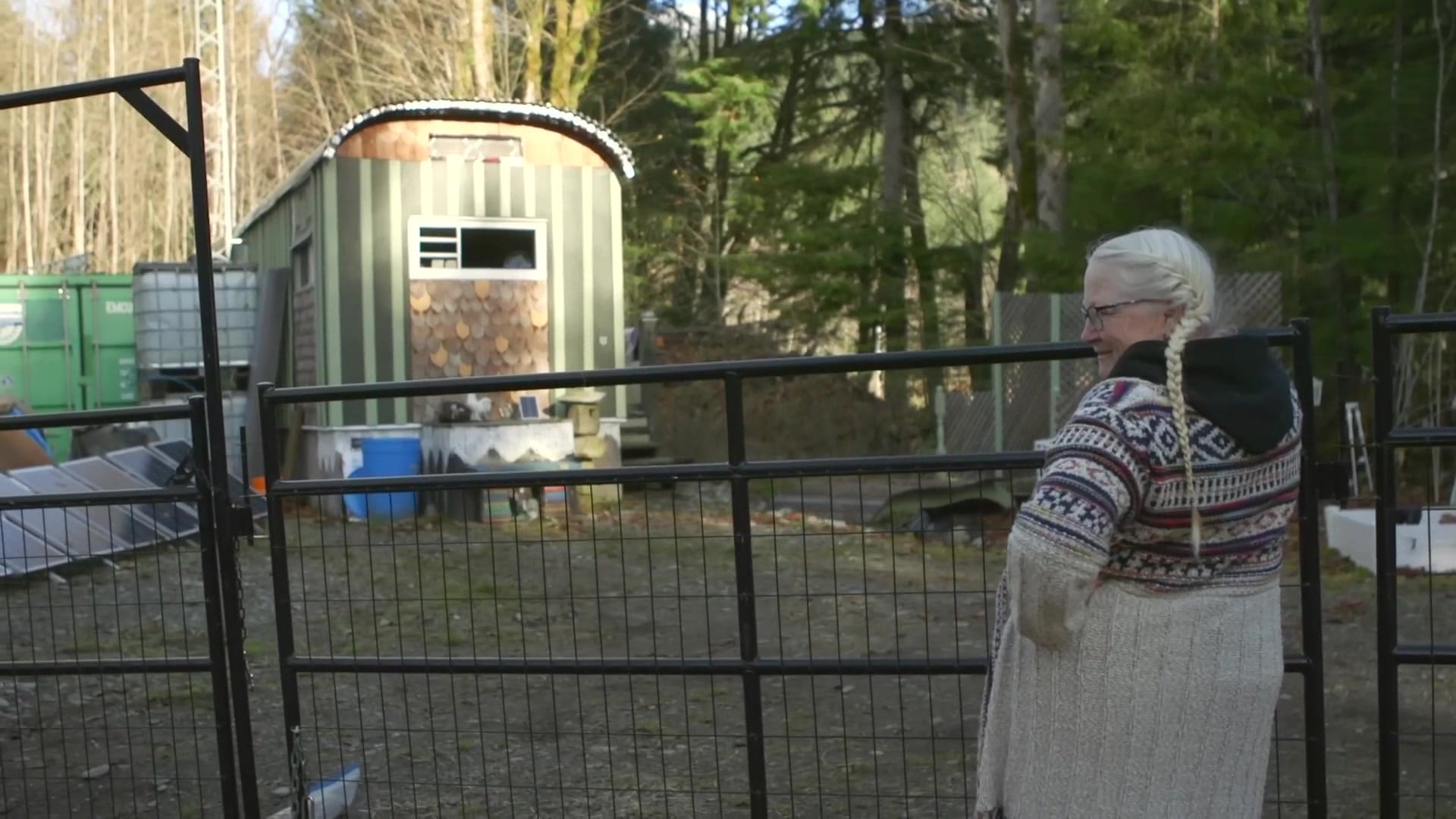
The theme is an 1800s Roma vardo wagon, so antiques and period style drive every choice.
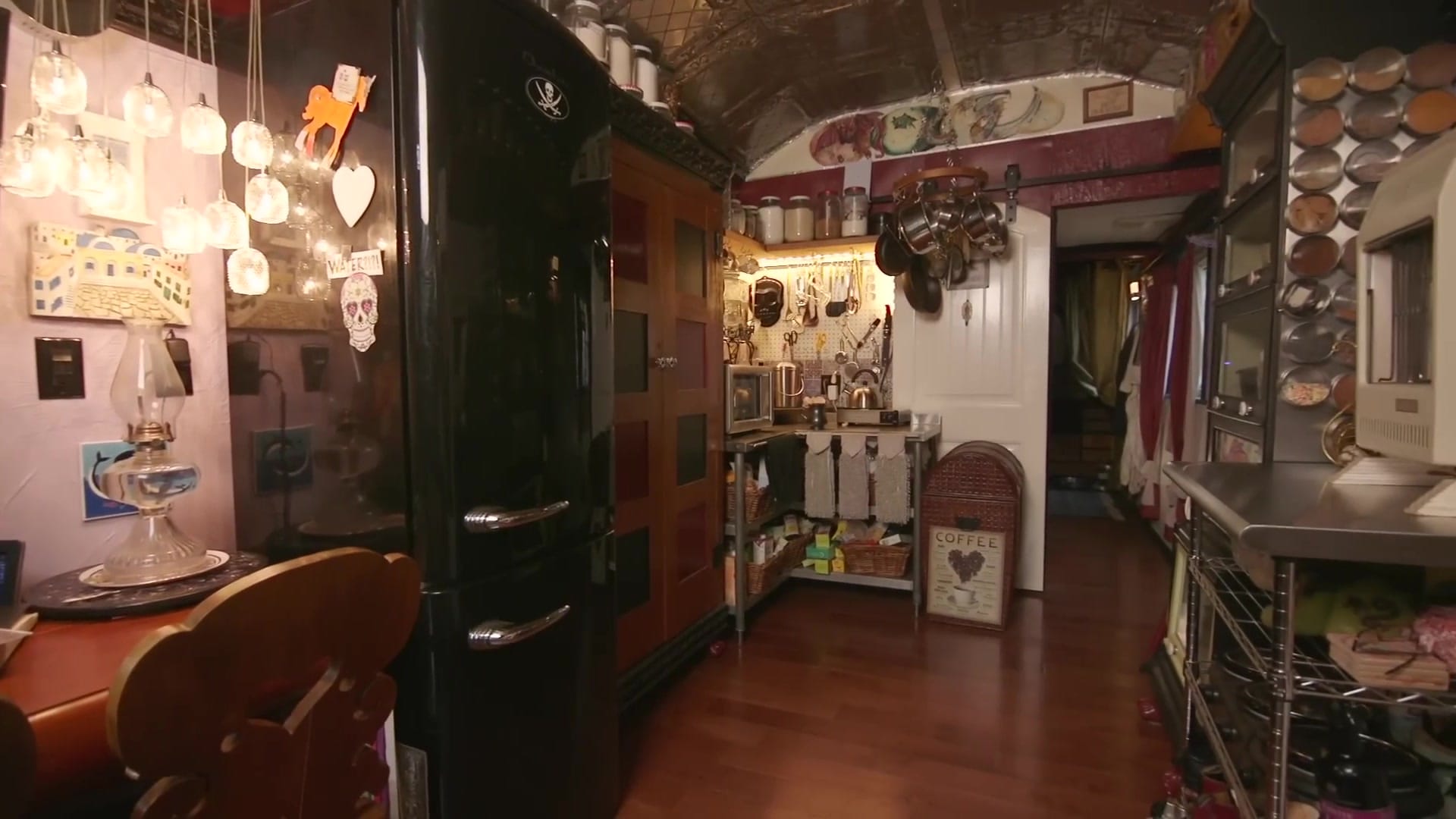
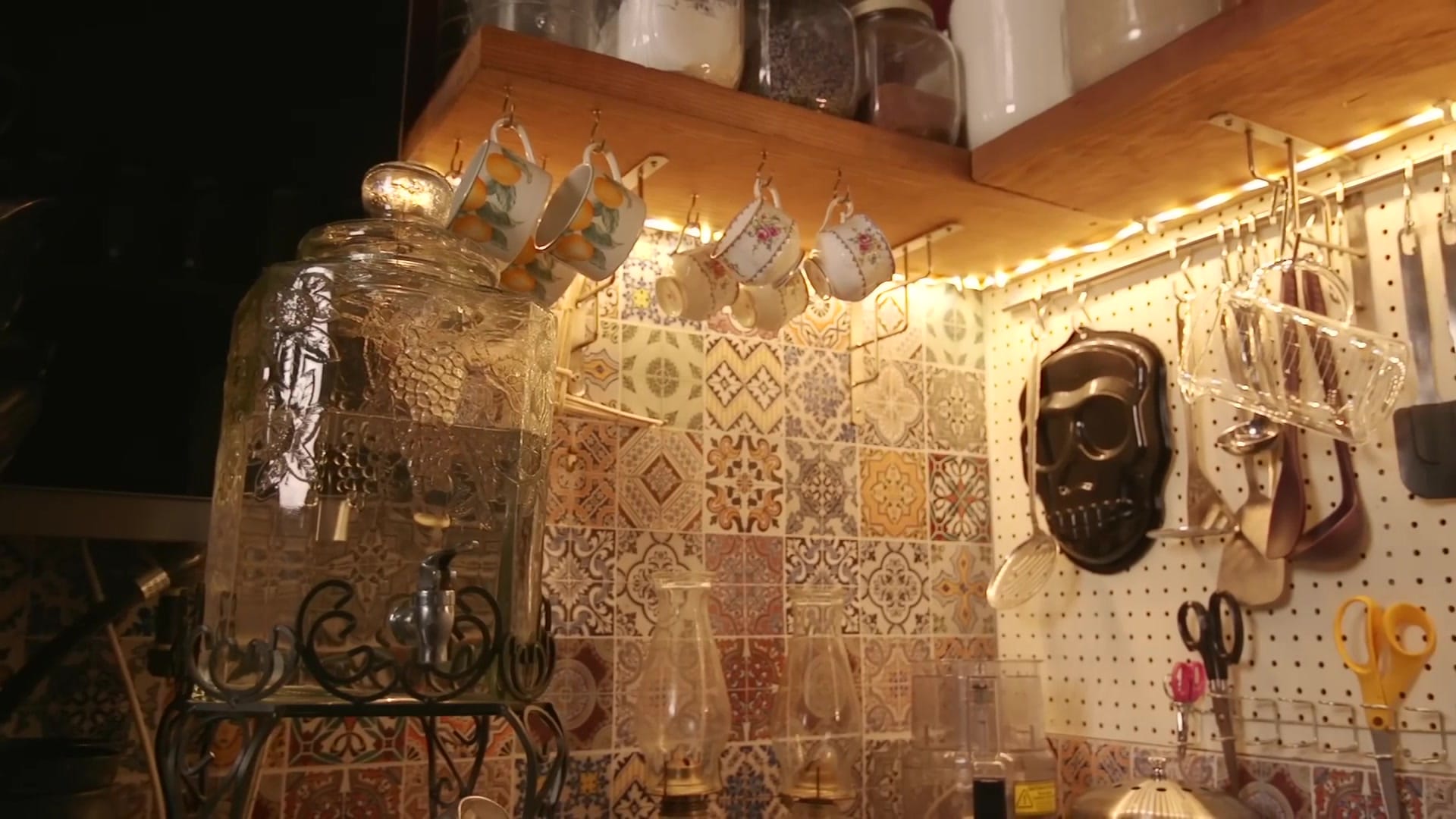
Carol is an artist who wanted color, pattern and texture throughout the tiny home.
The Trailer, Frame and Exterior Details
She began gathering reclaimed materials in 2016, hunting garage-sale finds and planning on paper before construction.
She looked for an affordable trailer and snapped up a flat-deck commercial hauler when a trucker friend warned it would be gone.
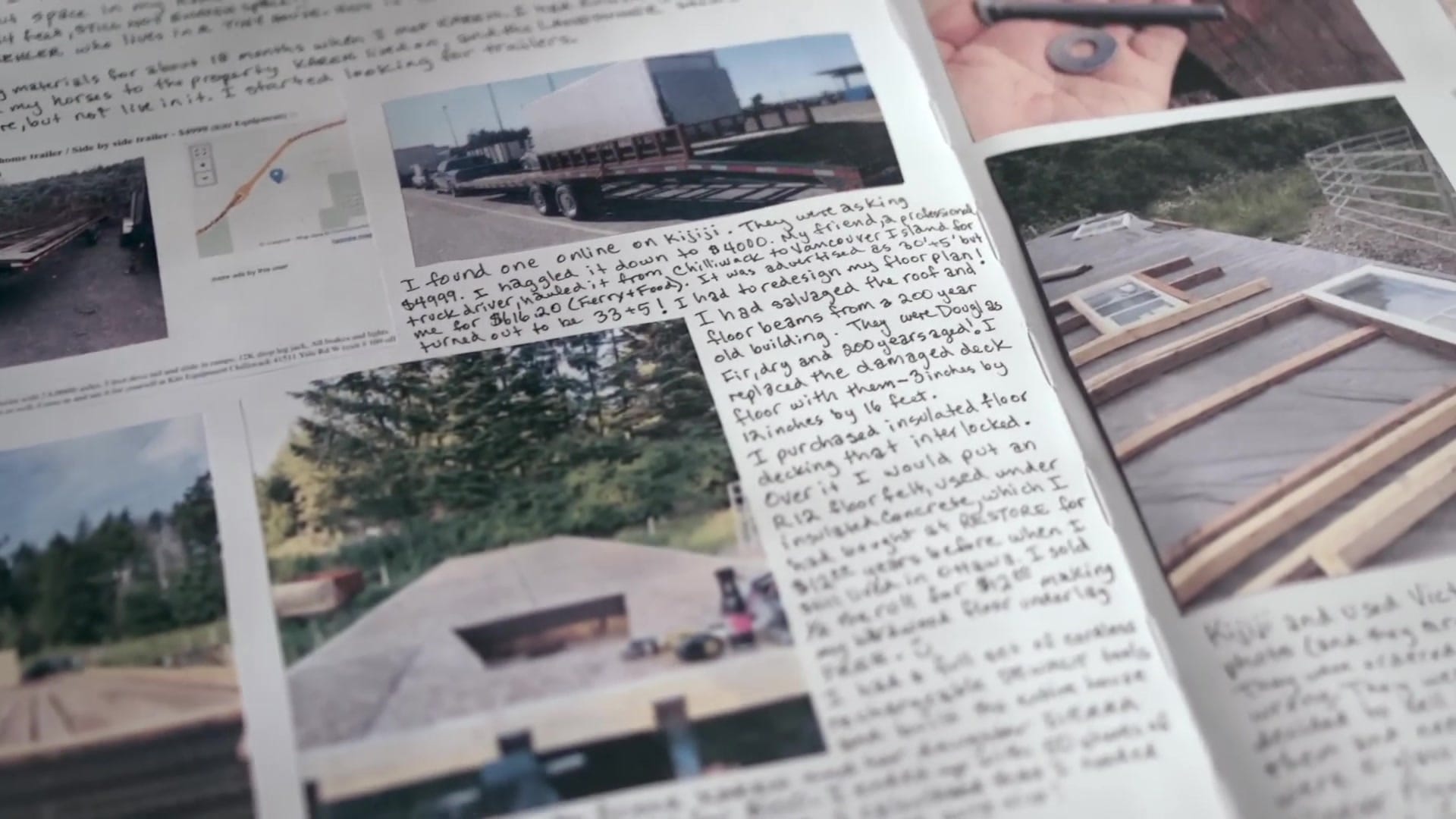
The trailer was a commercial earth-moving machinery hauler converted into a flat deck for framing and build-out.
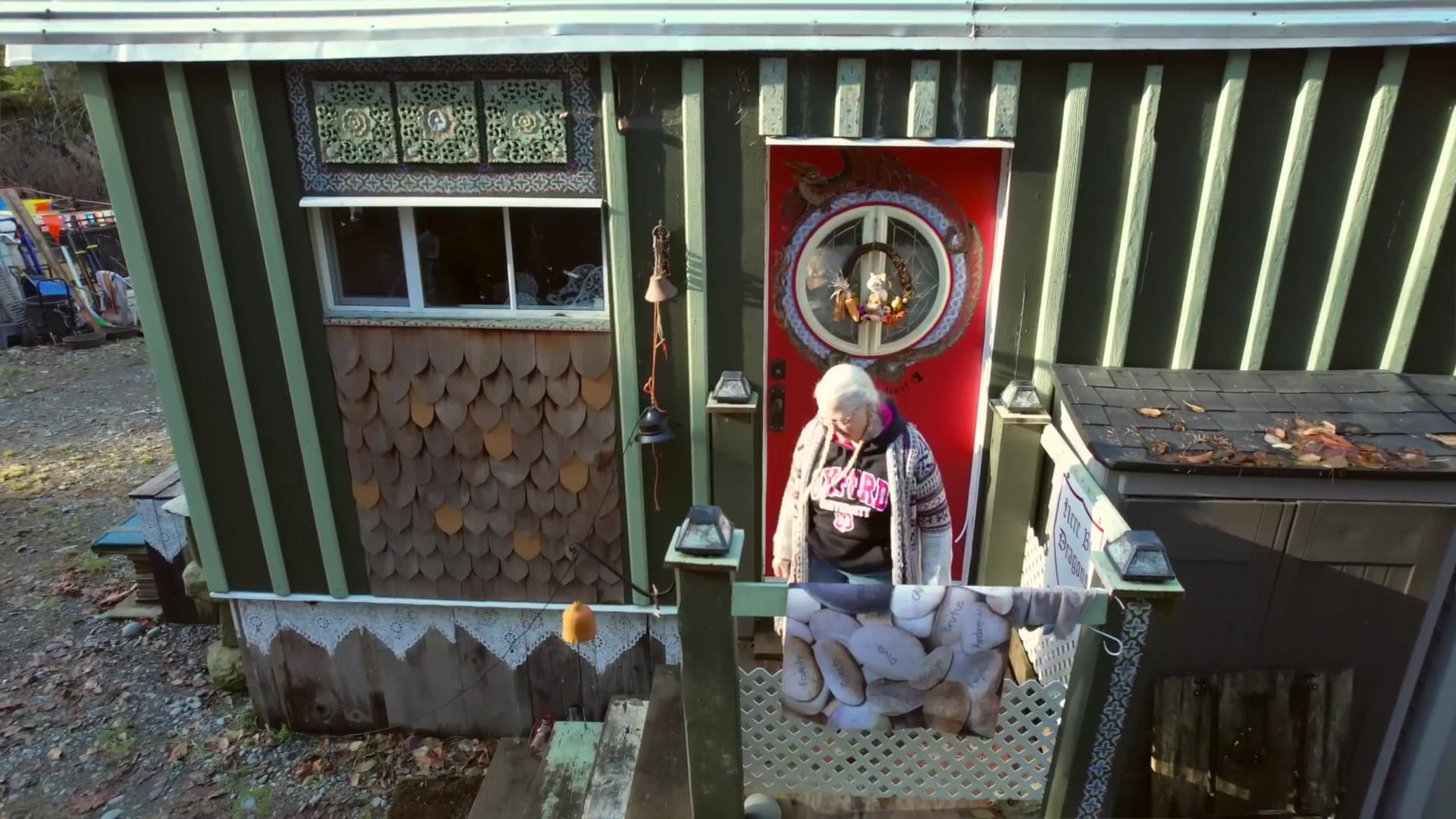
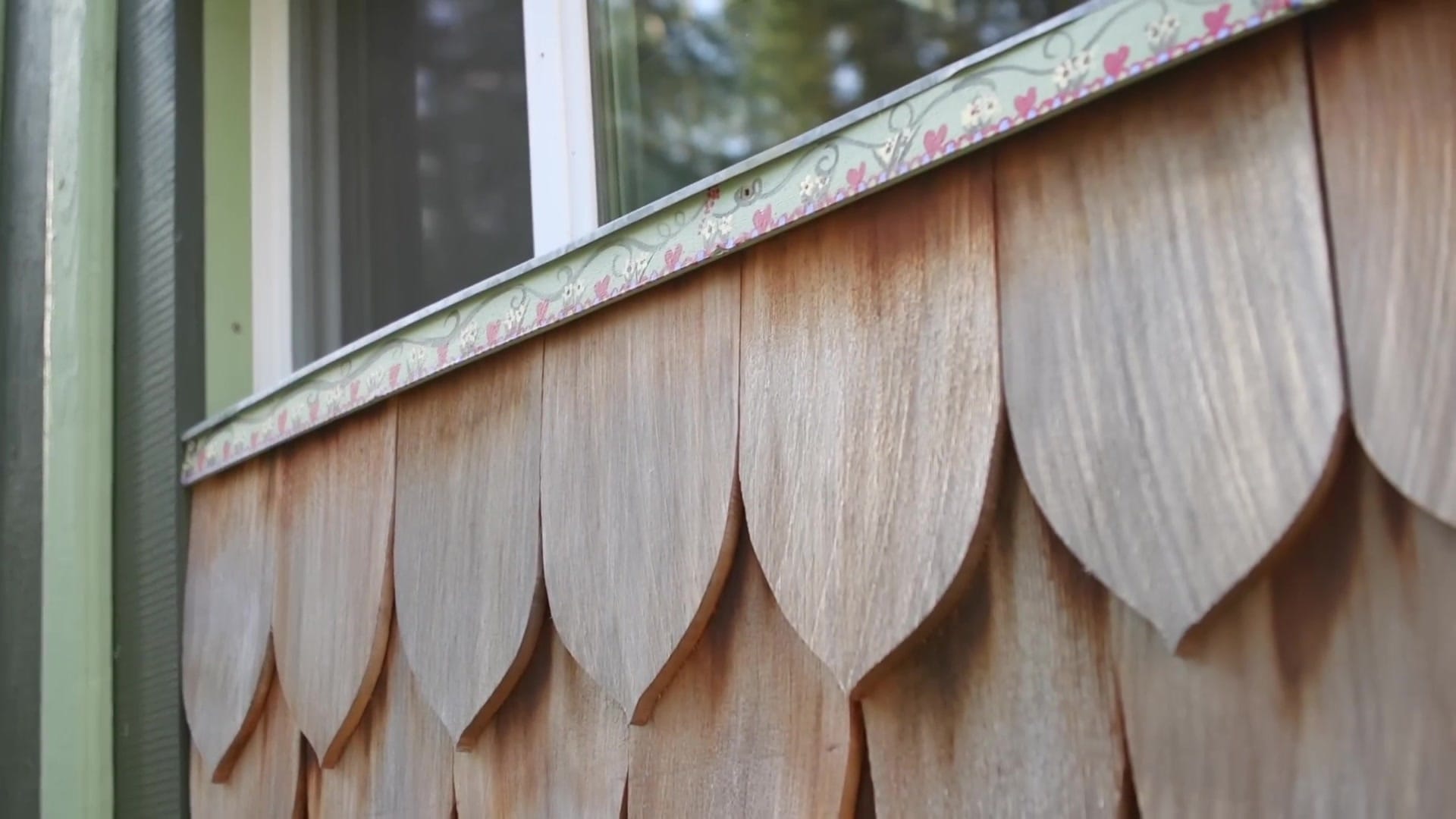
The exterior uses board-and-batten with Douglas fir and cedar shingles cut in a dragon scale pattern as accents.
The Great Room, Kitchen and Tin Ceiling
The front of the vardo is a big great room that functions as living space.
The dining area is a compact table and chairs designed to fold and expand as needed.
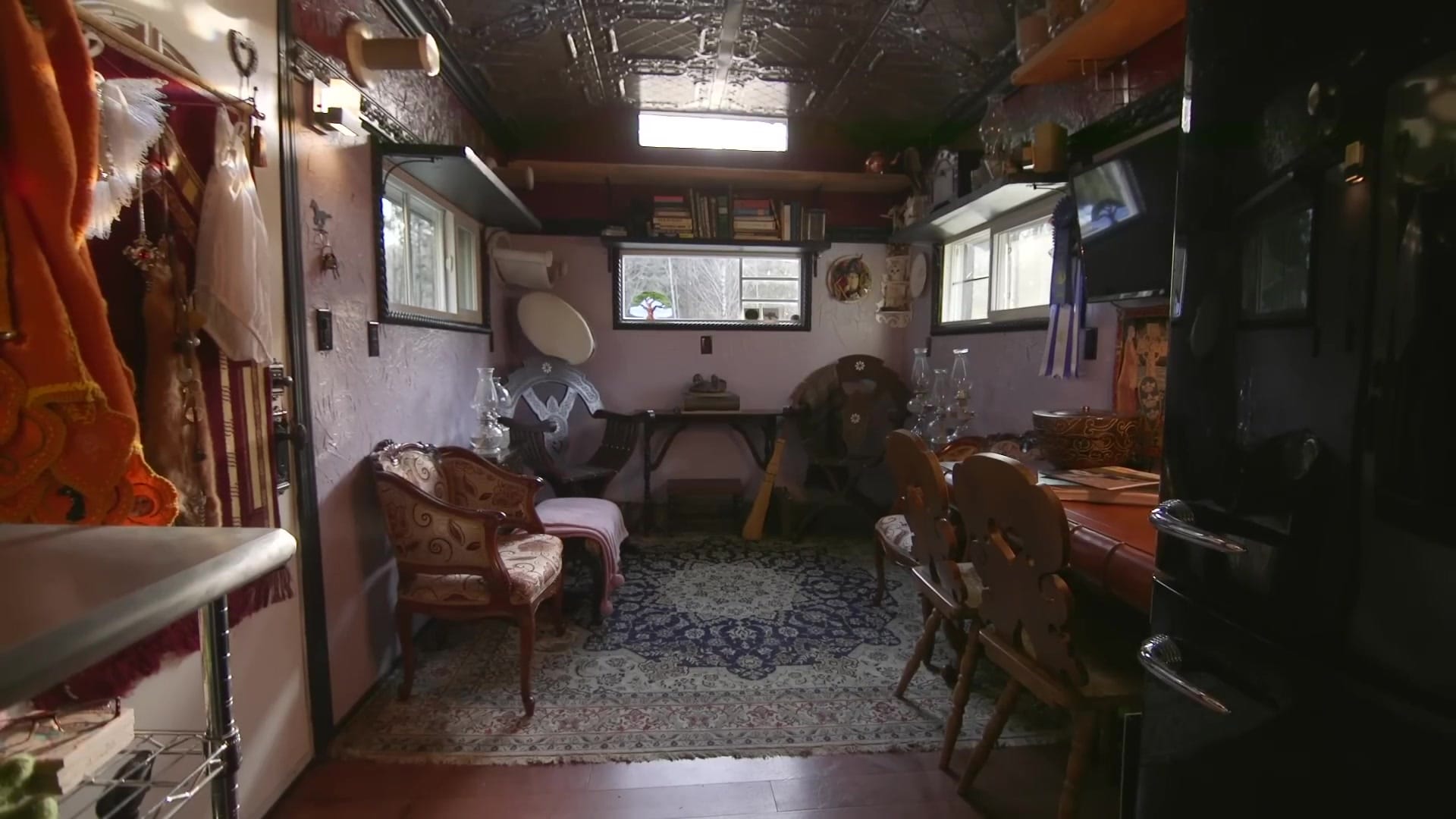
That fold-out table becomes a larger dining surface when she needs it.
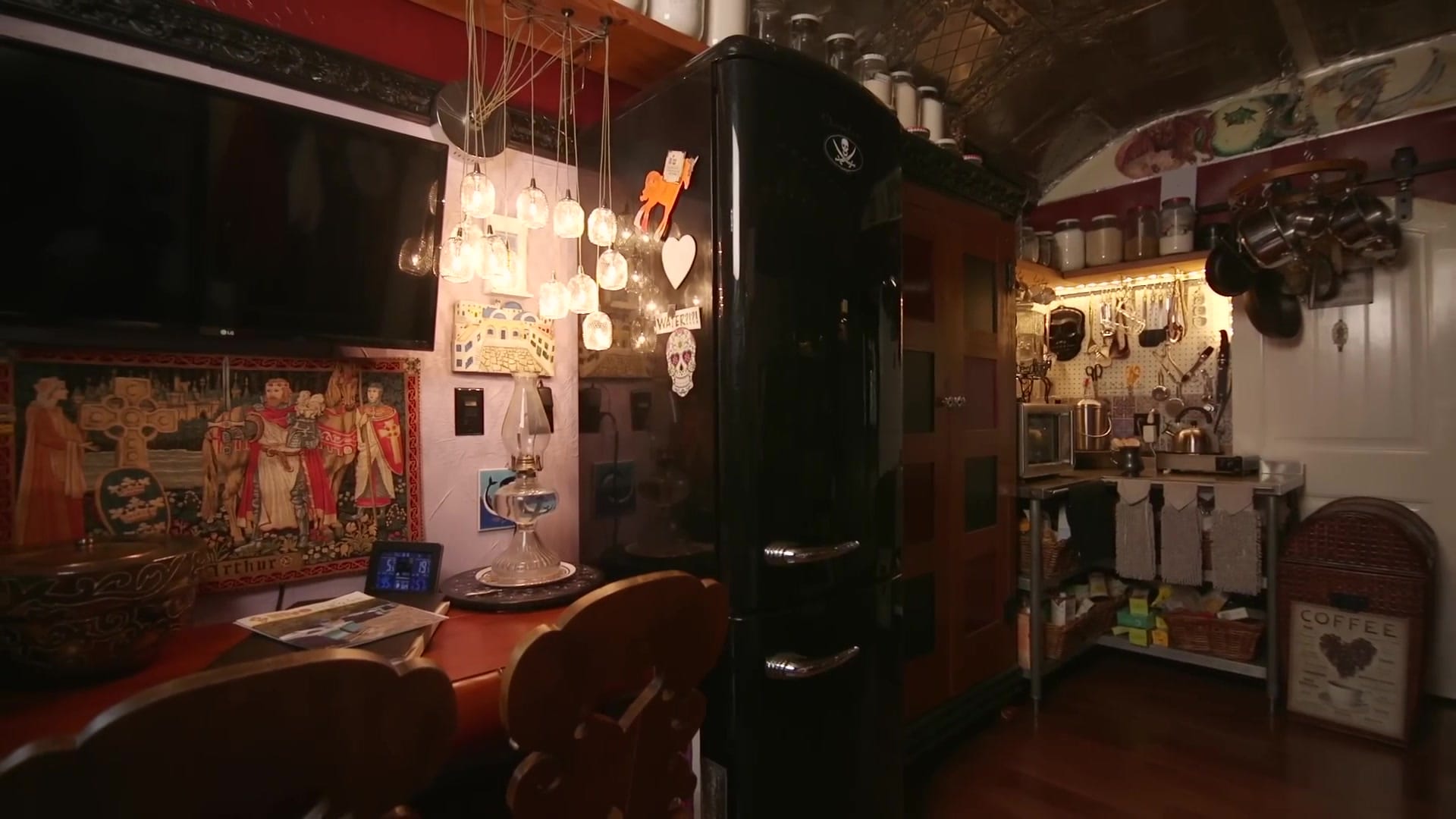
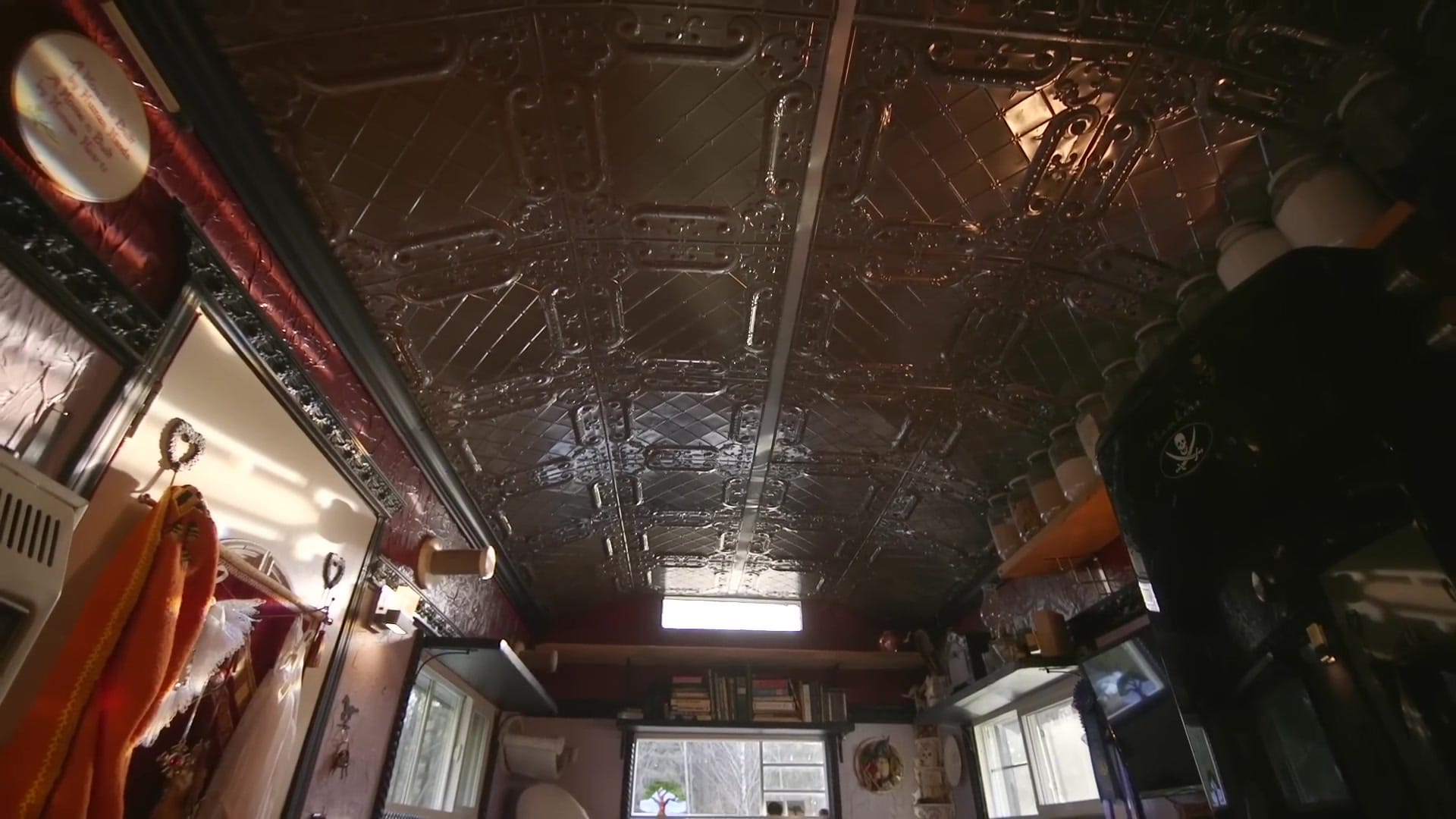
The great room ceiling is finished with Victorian pressed tin panels sourced from Upper Canada Village.
Bedroom Nook, Antiques and the Composting Toilet
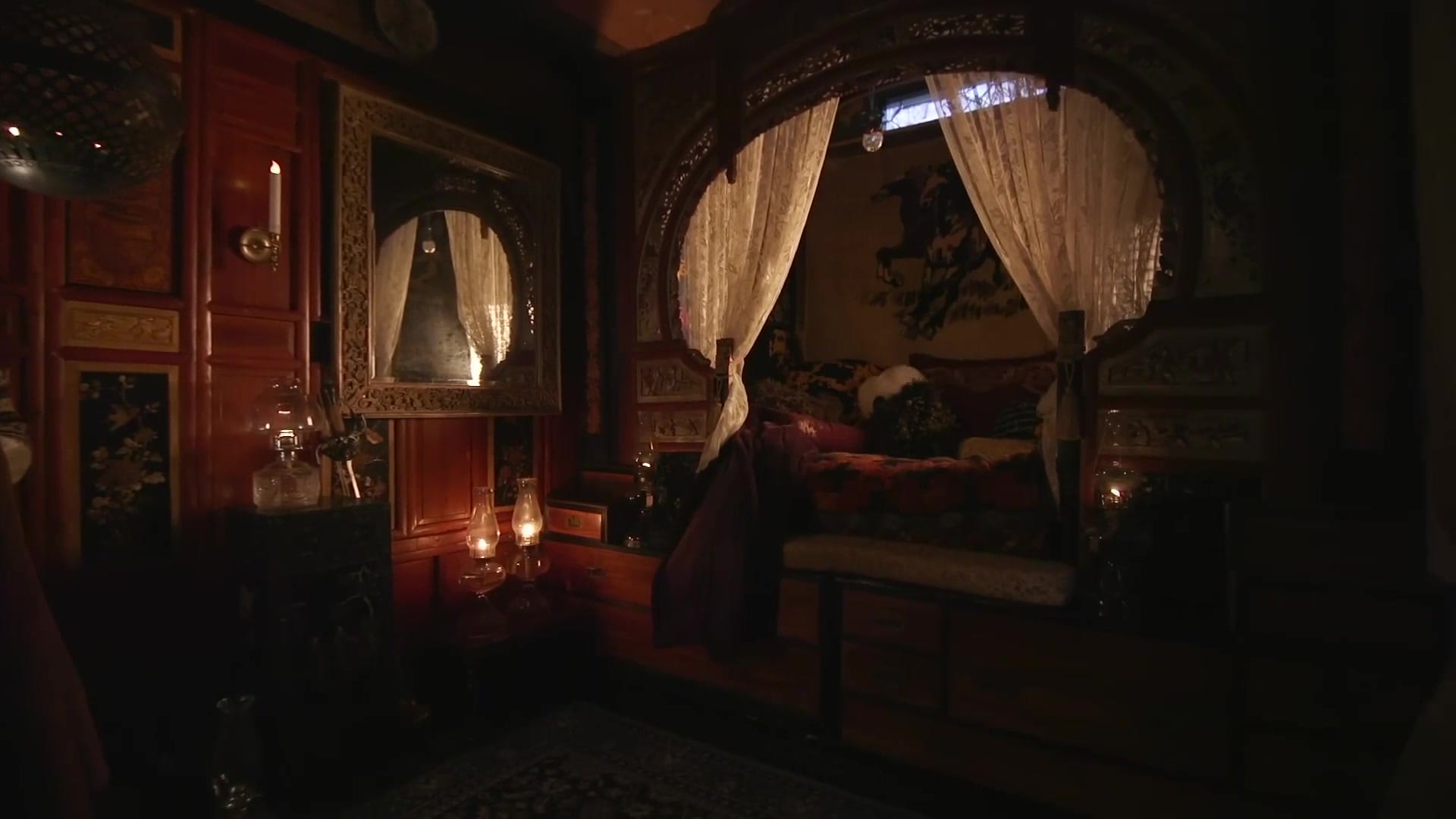
True to vardo tradition, Carol installed a cozy nook bed by repurposing a box bed she found at a good price.
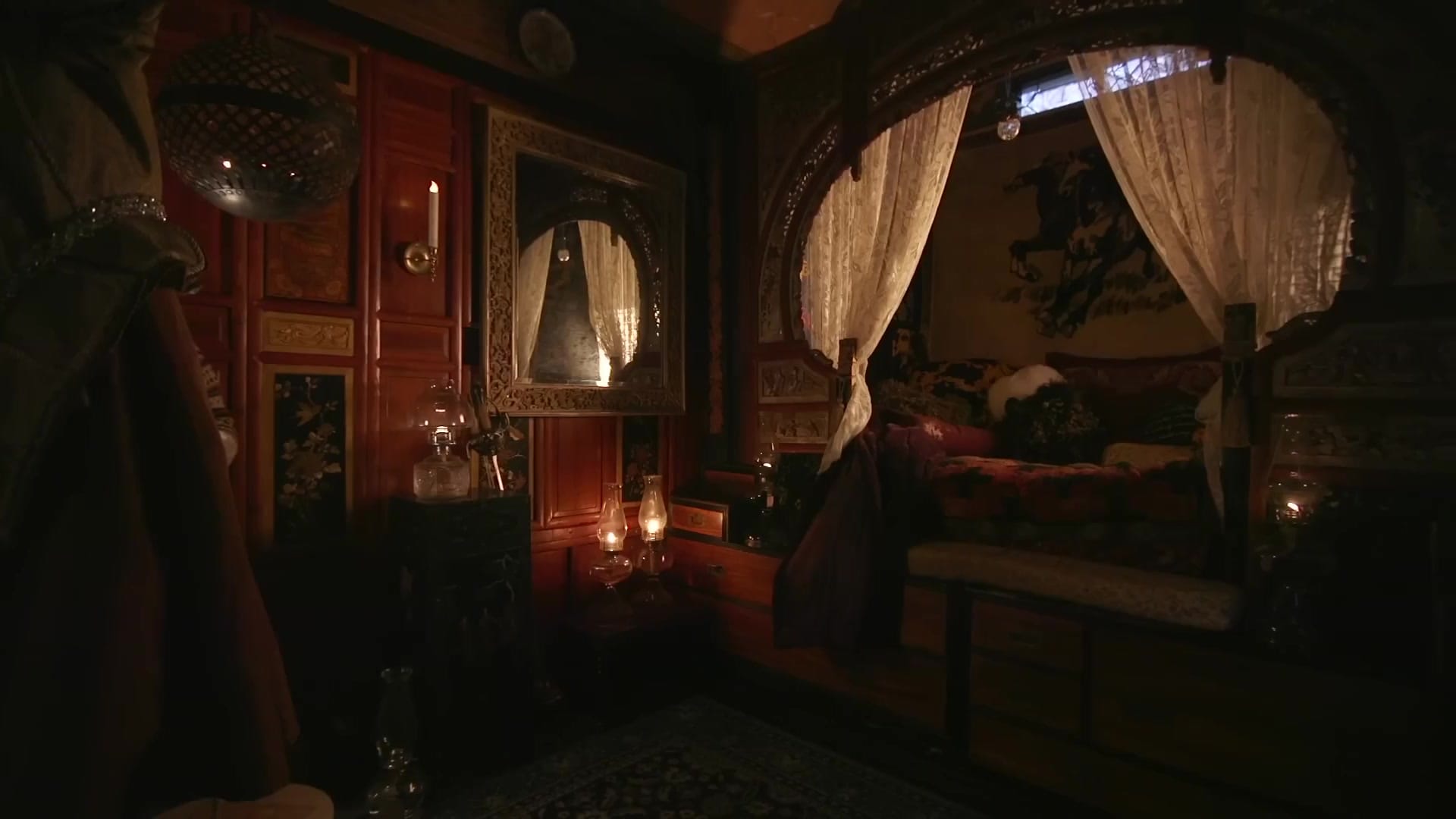
She used the front piece for the bed face and the other sides as bedroom paneling to create the exact bedroom she wanted.
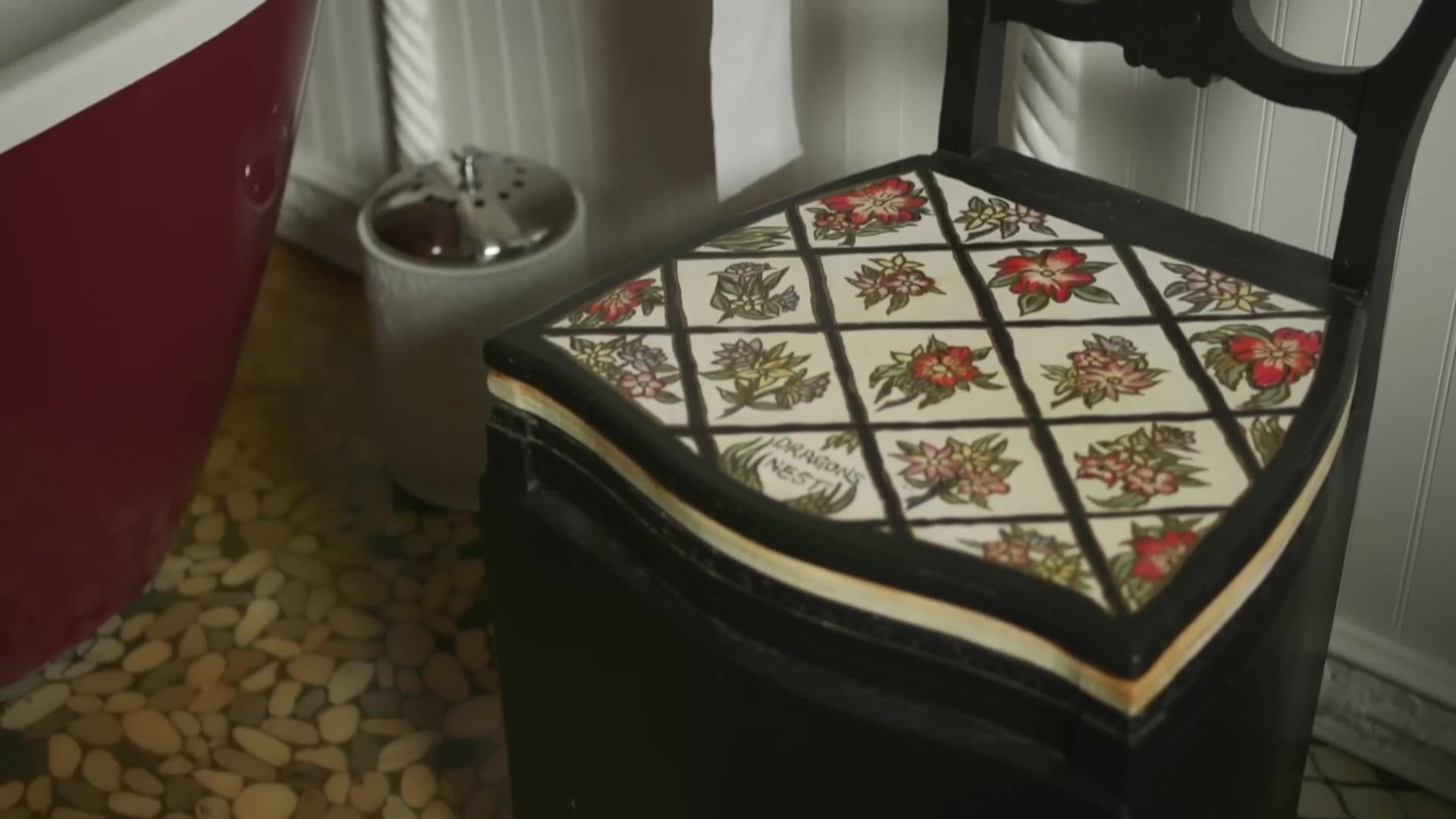
An antique chair was refurbished into the composting toilet base, modeled after 1800s bucket toilets.
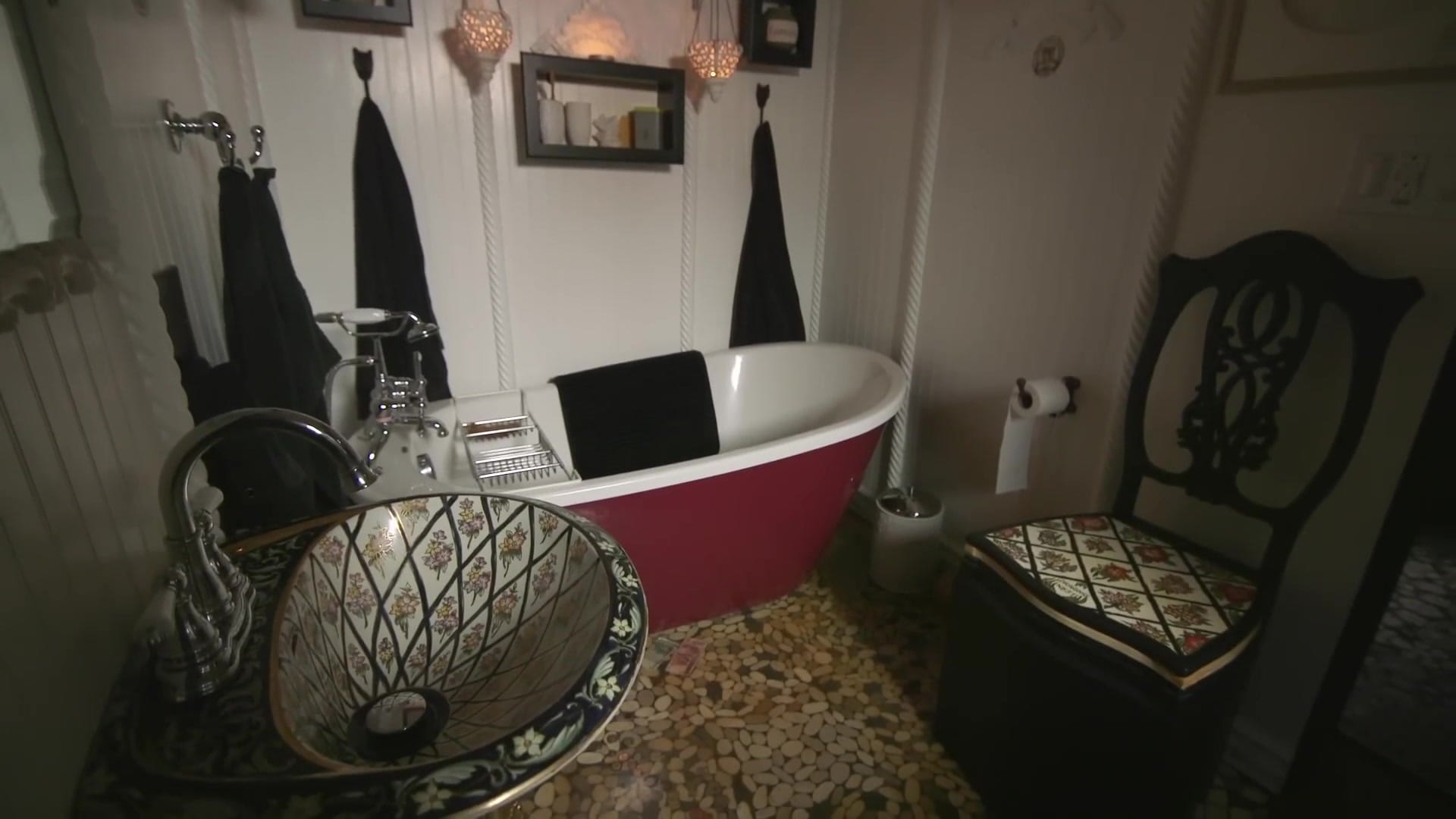
A young woodworker built the finished piece after she showed him period pictures and ideas.
Off‑Grid Systems, Water and Heating on a Budget
Carol kept the entire project, trailer and all, under $20,000 by buying carefully and reusing what she had.
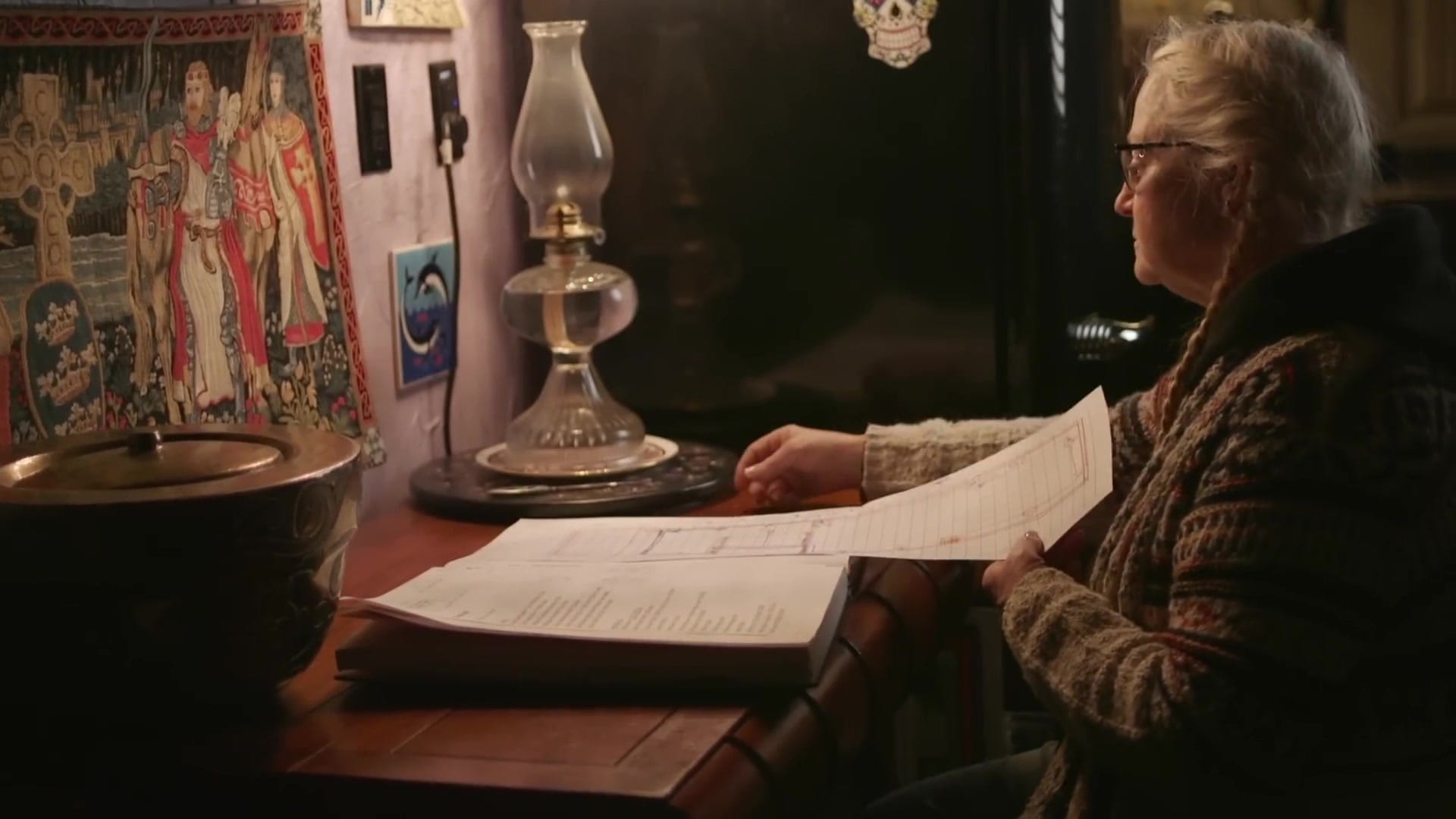
She tracked the whole build in a book that holds every single receipt so the work is fully documented and inspected.
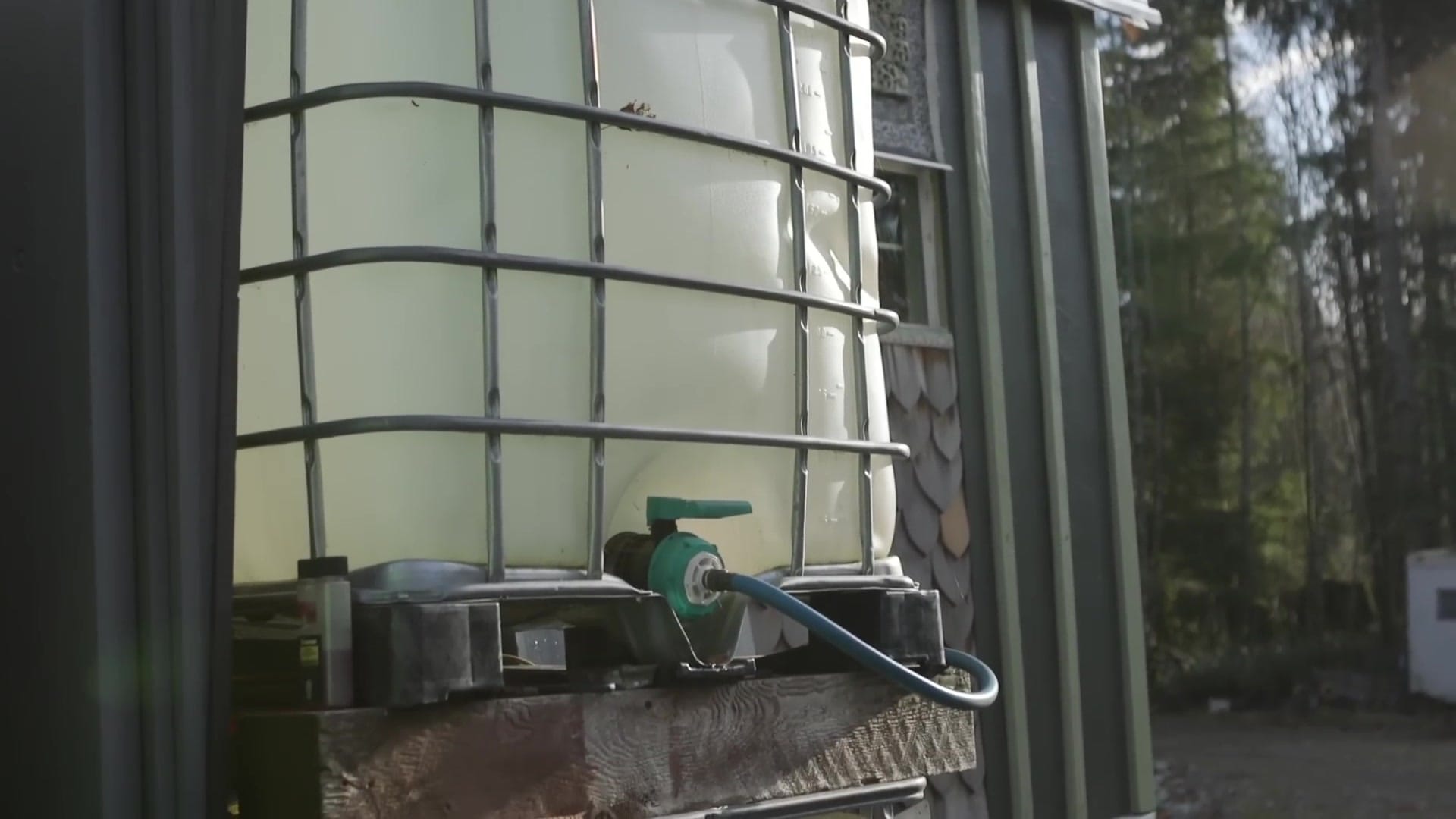
Water is hauled in and stored in large water totes, then pumped through a cartridge-based treatment system before use.
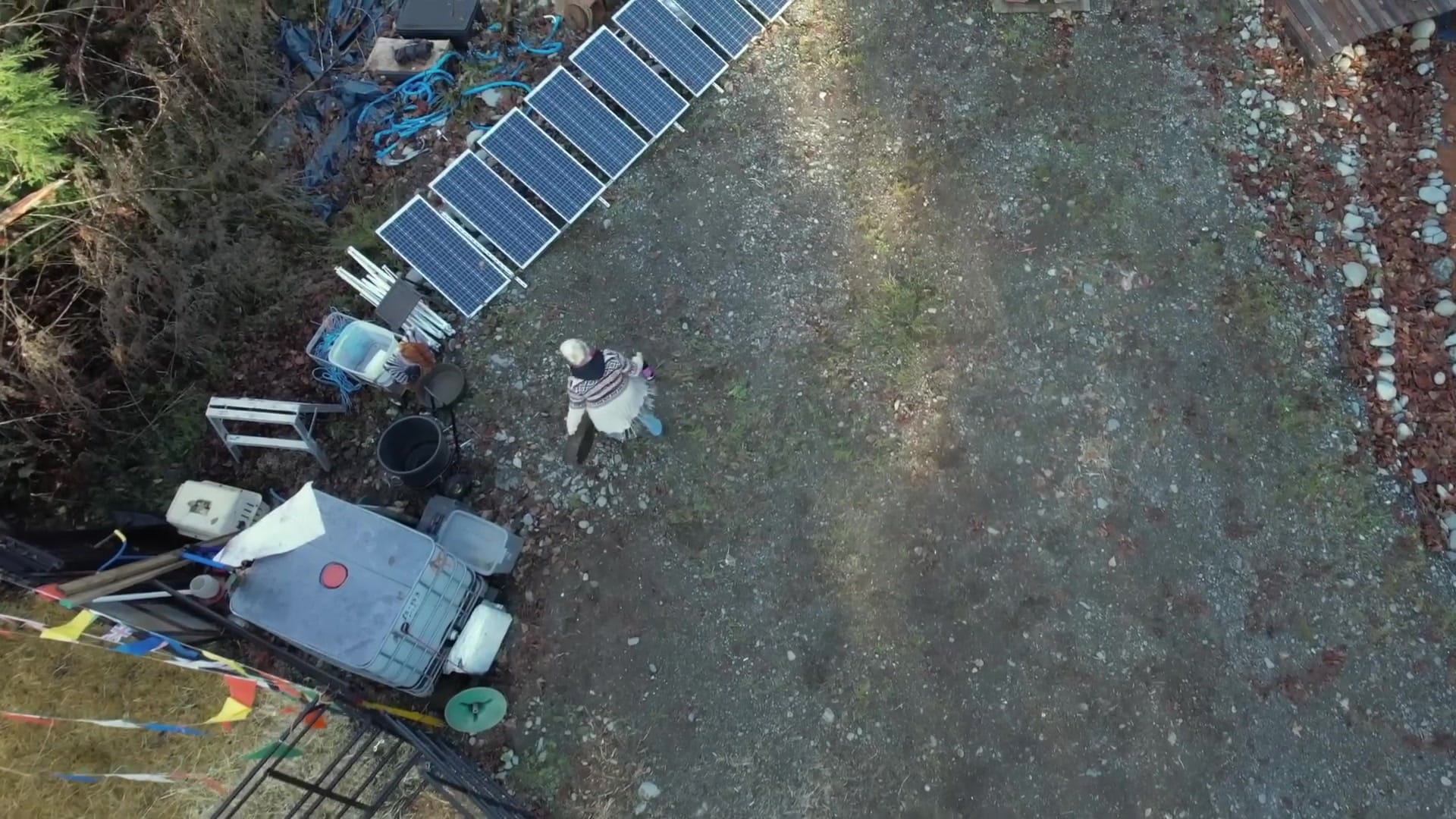
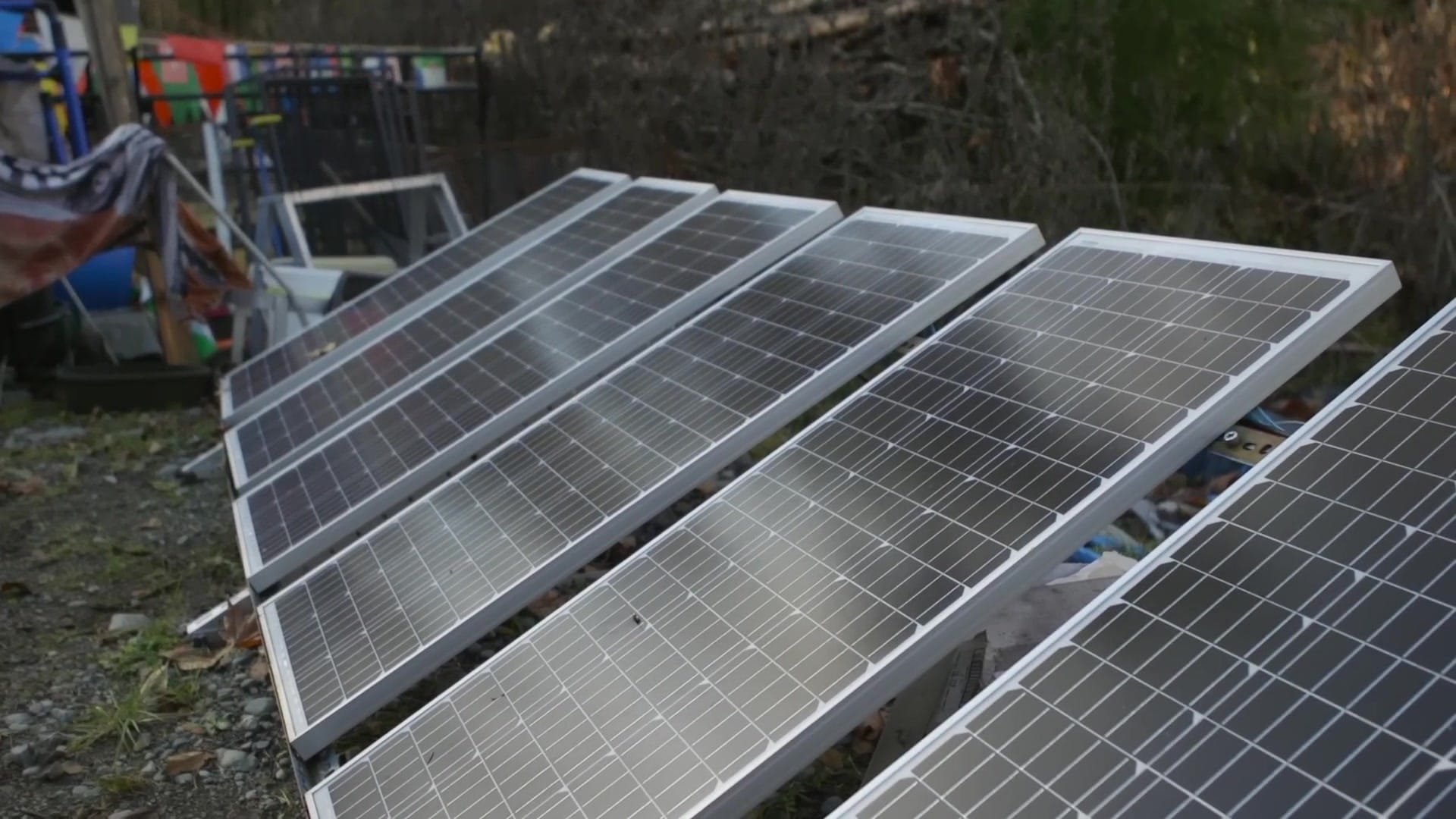
Electricity comes mostly from solar panels into a power station; about four hours of sun are needed to fully charge the batteries.
Parking, Zoning Challenges and Daily Homestead Life
Carol notes that municipalities and higher governments still don't officially recognize tiny homes as valid 24/7 living spaces, which makes parking hard.
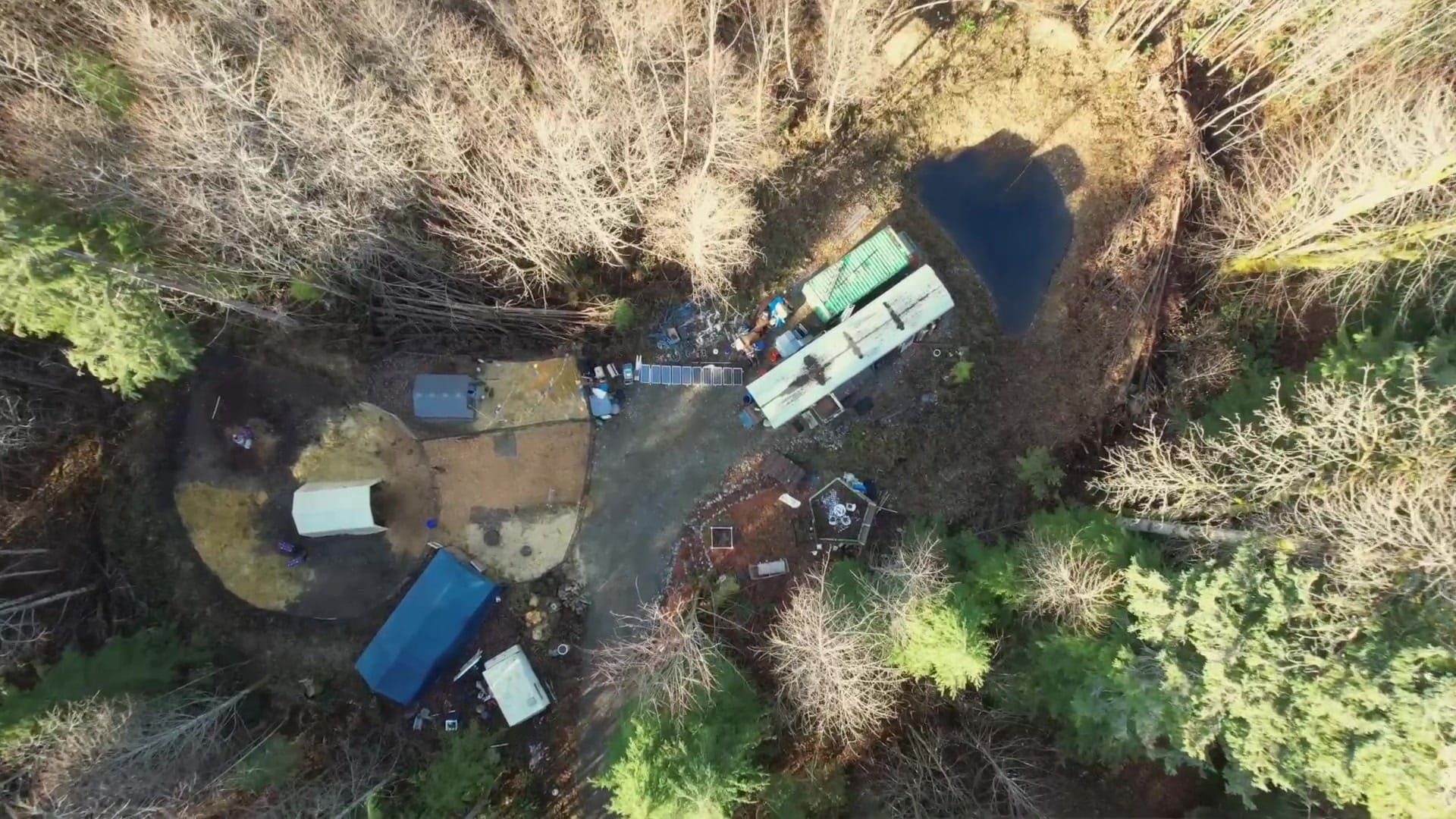
She partnered with a landowner and signed a contract to live on his land while the zoning remains a gray area.
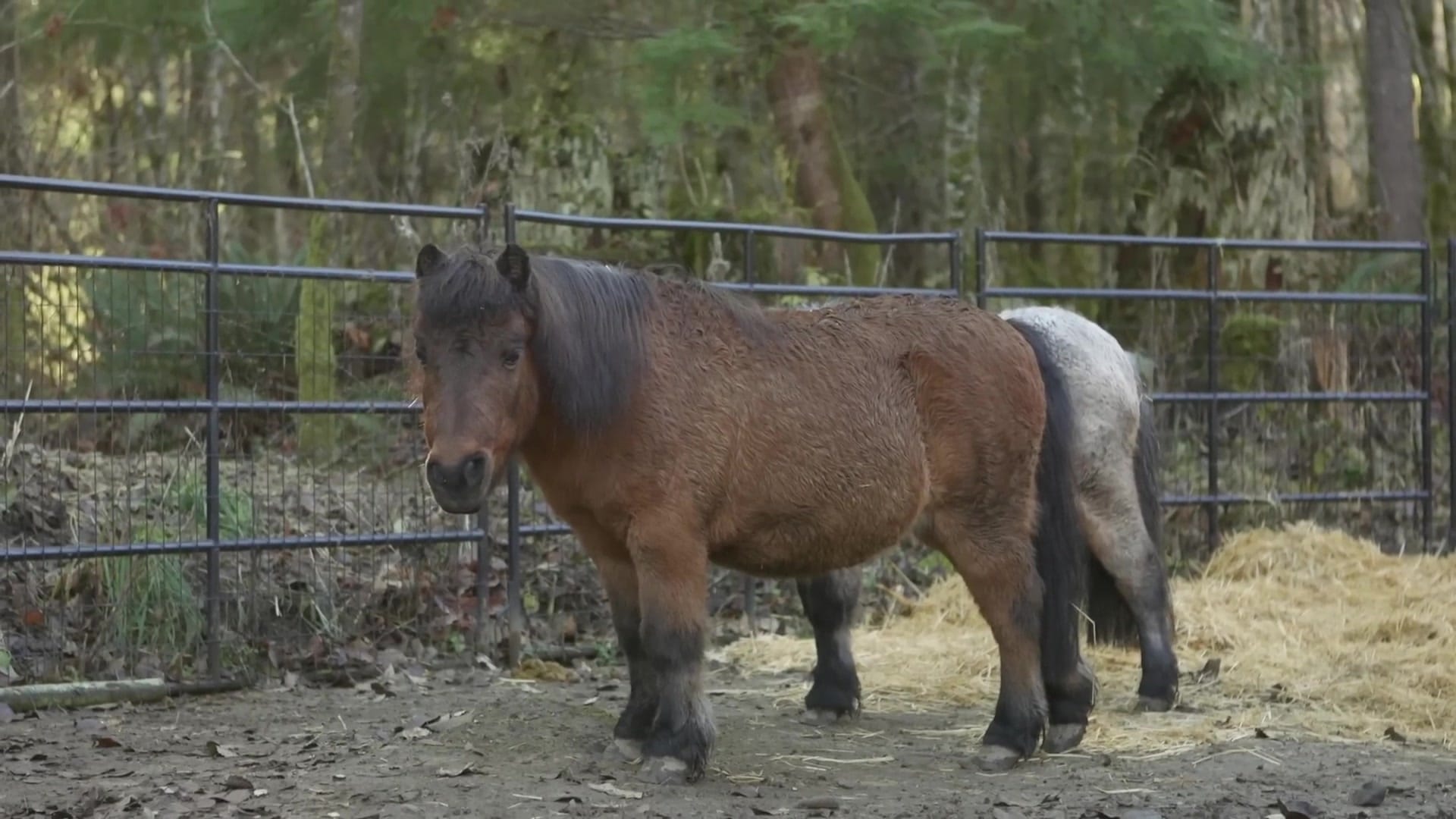
Finding a spot is even harder because she keeps livestock — she has three miniature carriage horses and runs carriage-driving lessons with them.
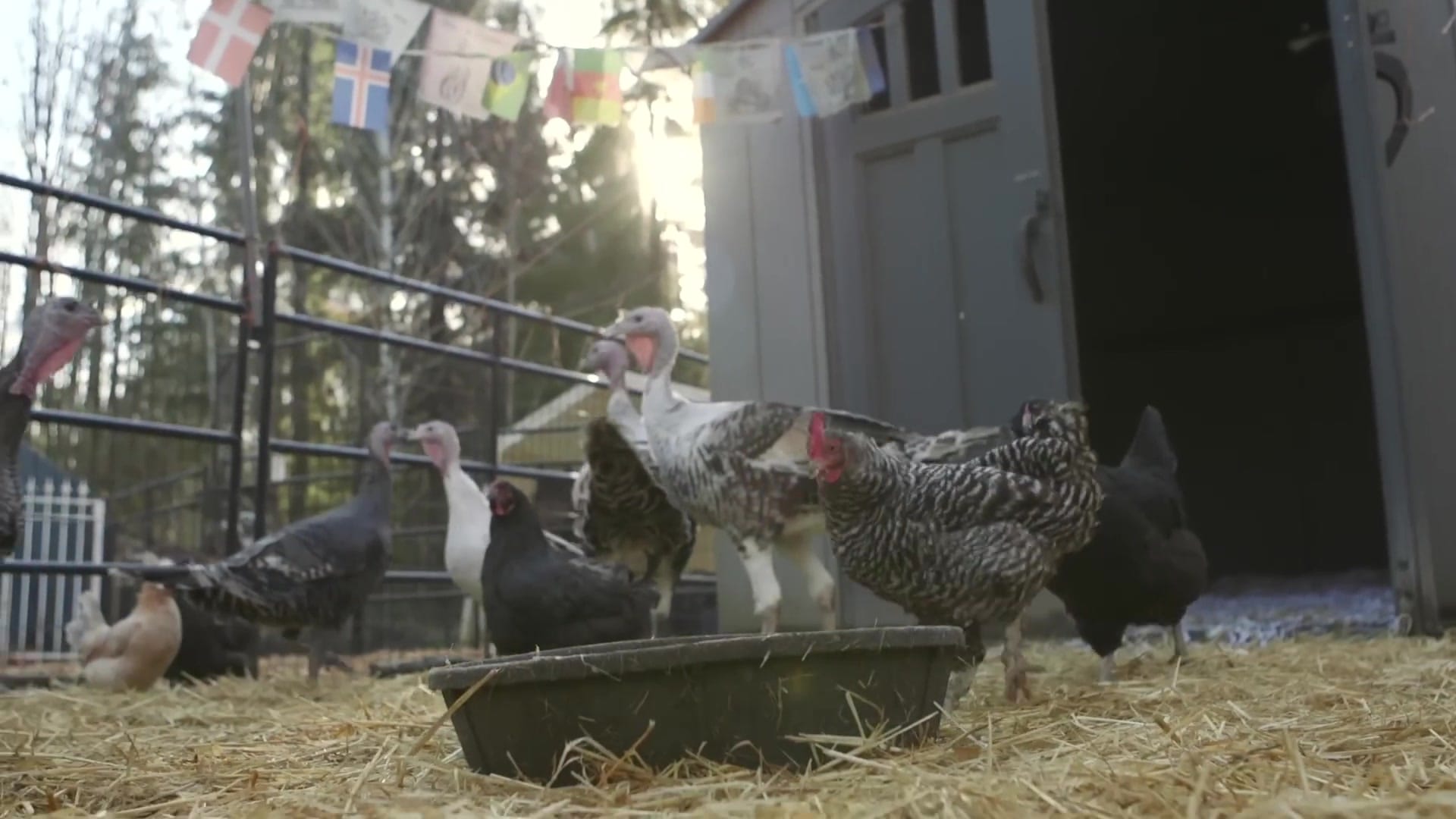
She also raises goats, chickens and heritage turkeys and eats about a dozen eggs a week from her flock.