Secretary Noem Under Fire Over Immigration Policy Decisions and Detention Center Concerns

Homeland Security Secretary Kristi Noem faced tough questioning during a recent congressional hearing regarding immigration enforcement protocols.
Congressional Oversight and Challenging Questions
Secretary Noem appeared before the House Homeland Security Committee yesterday where representatives raised concerns about immigration enforcement policies.
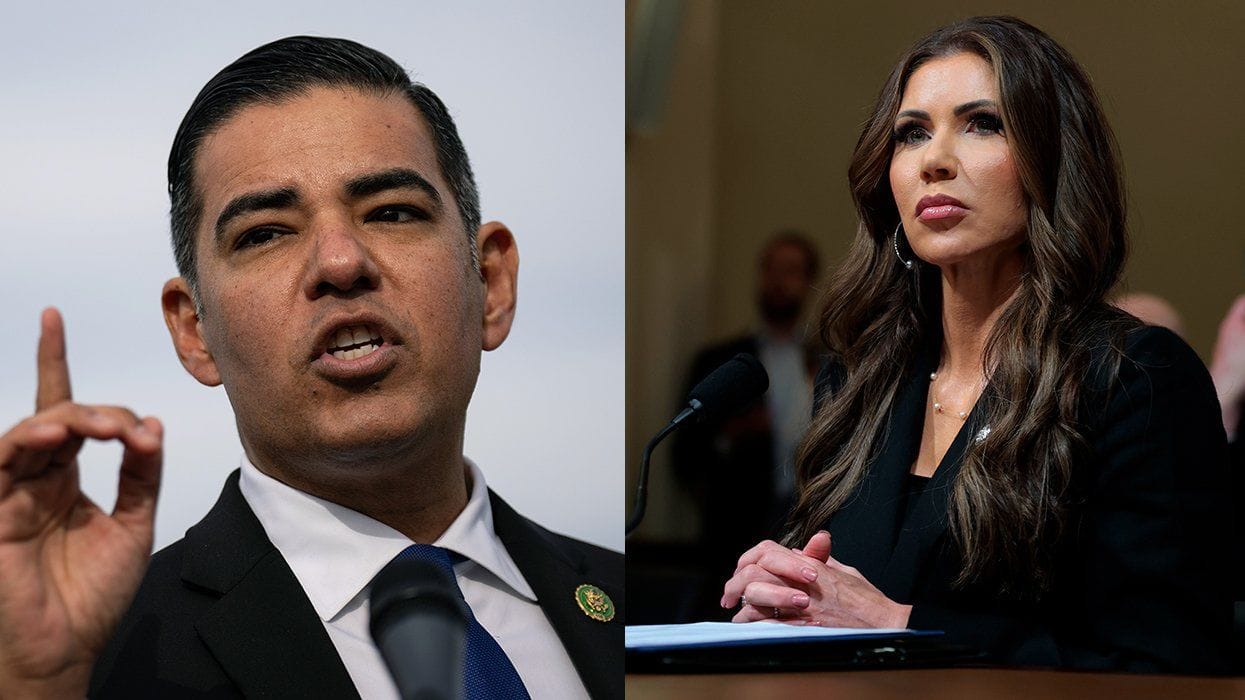
Rep. Robert Garcia (D-CA) questioned Secretary Noem about specific cases related to the administration’s border security initiatives, particularly regarding coordination with El Salvador.
The hearing highlighted ongoing tensions between administration officials and congressional oversight committees regarding immigration procedures.
International Cooperation on Border Security
The current administration has implemented partnerships with Central American nations to address migration challenges.
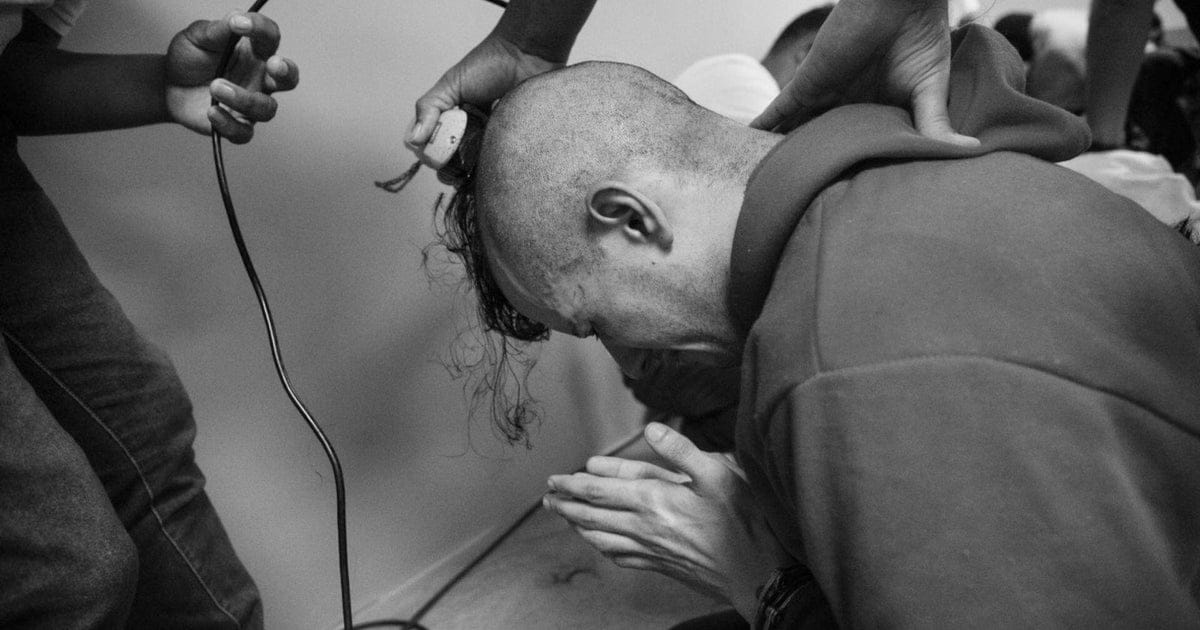
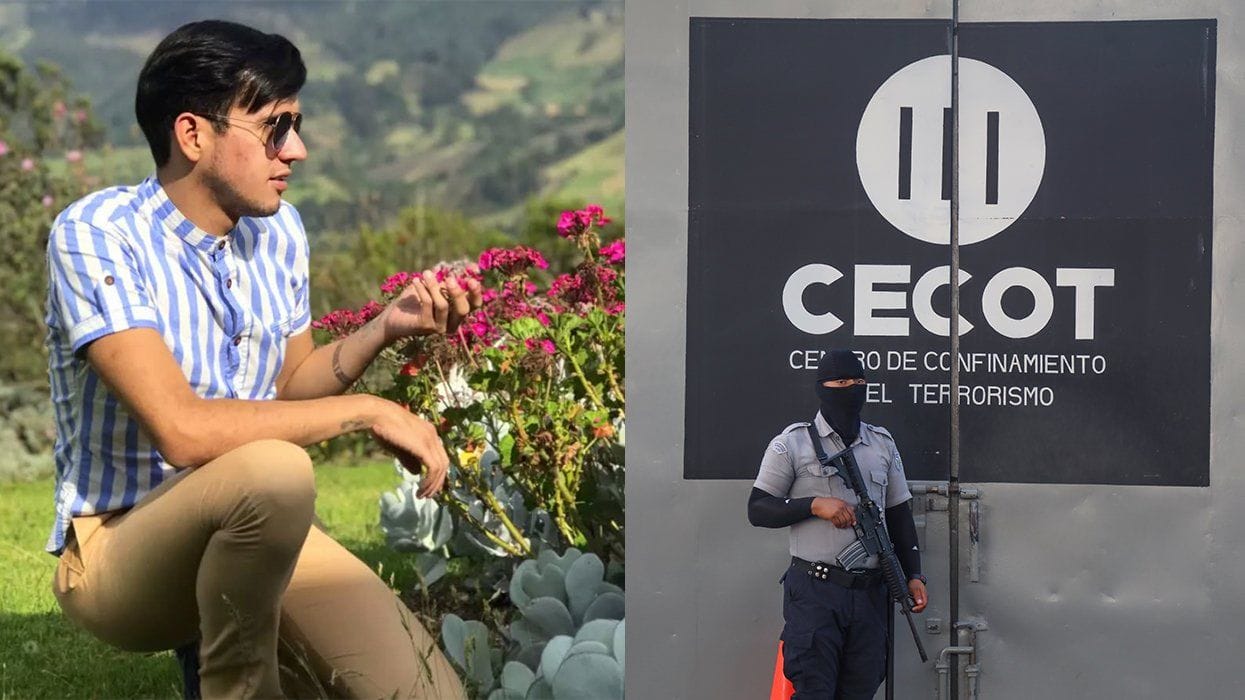
El Salvador’s CECOT facility has become part of a controversial international cooperation agreement aimed at deterring illegal immigration.
Secretary Noem described these international agreements as “tools in our toolkit” for addressing complex border security challenges.
“Questions regarding individuals in El Salvador’s custody are best directed to their government officials,” Secretary Noem stated during the hearing.

Case Study Raising Concerns
Among the cases discussed was that of Andry Hernandez Romero, a Venezuelan national who entered the U.S. last year.
Hernandez Romero was later transferred to El Salvador’s CECOT facility as part of immigration enforcement actions.
His attorney, Lindsay Toczylowski, has expressed concerns about his wellbeing and claimed he had a legitimate asylum claim.
The case highlights the complex challenges of balancing humanitarian concerns with border security priorities.

Jurisdictional Questions and Responsibilities
When pressed about checking on Hernandez Romero’s status, Secretary Noem emphasized jurisdictional boundaries in international relations.
“This isn’t under my jurisdiction,” Noem explained, noting that individuals in El Salvador’s custody fall under that nation’s authority.
Immigration experts note that once individuals are transferred to foreign custody, U.S. agencies have limited oversight capabilities.
Evidence and Procedural Concerns
Questions have emerged regarding the evidence used in Hernandez Romero’s case, particularly interpretations of his tattoos.
Reports indicate that tattoos labeled “Mom” and “Dad” were potentially misinterpreted as gang symbols by a CoreCivic contractor.
The contractor, Charles Cross Jr., has faced scrutiny over his background and credibility as an evaluator.
The Current Situation
The exchange between Rep. Garcia and Secretary Noem highlights fundamental differences in how officials view responsibilities in international enforcement partnerships.
While Democrats like Garcia push for direct U.S. intervention in cases like Hernandez Romero’s, Secretary Noem maintains that proper diplomatic channels and jurisdictional boundaries must be respected.
The administration continues to defend its border security approach as necessary for maintaining order while critics raise humanitarian concerns about specific cases.
As this debate continues, the status of individuals transferred to foreign facilities remains a contentious point between administration officials and congressional critics.