Scientists explore deepest known ecosystem sustained by methane gas
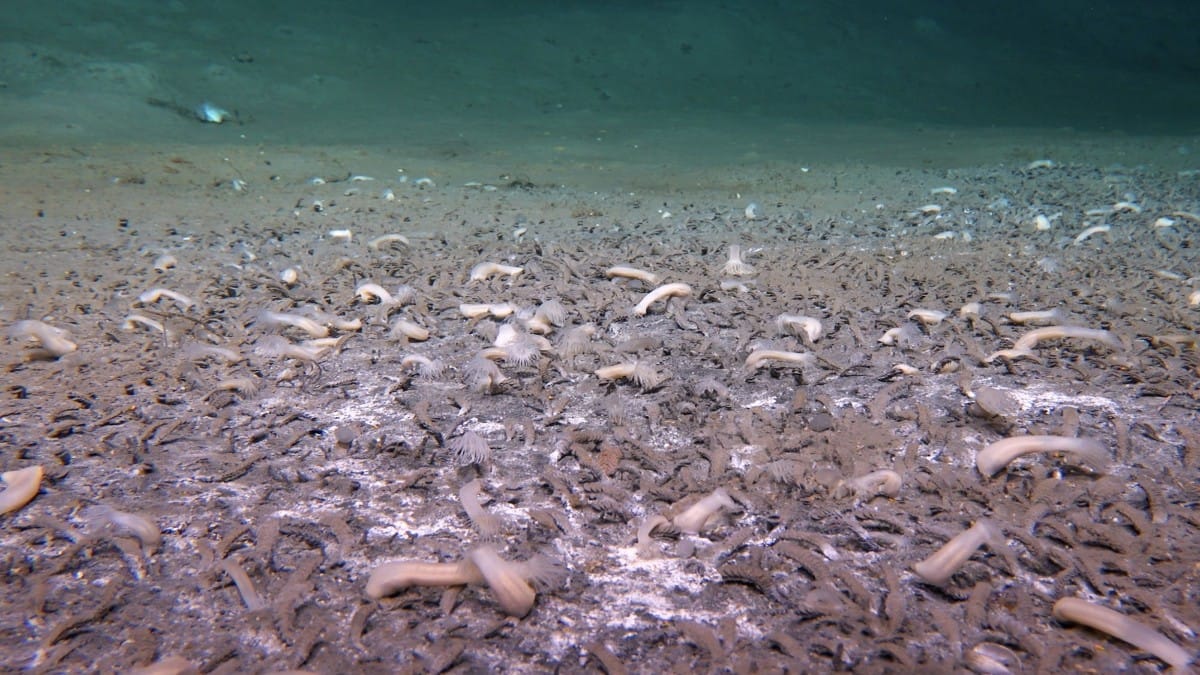
What lies in the crushing darkness miles beneath the waves?
It’s an environment so extreme, it was once thought impossible for life to exist.
Marine researchers have just made an astonishing discovery that could rewrite our understanding of life on Earth.
A Journey into the Unknown
A team of scientists embarked on a daring expedition into the hadal zone, the deepest part of the ocean trenches.
This area, situated between Russia and Alaska, plunges to depths of up to 30,000 feet.
At these crushing pressures and in complete darkness, survival seems like an insurmountable challenge.
But life, as it often does, finds a way.
The Unexpected Find
During a deep-sea submersible mission, geologist Mengran Du was about to conclude her dive.
With only 30 minutes remaining, she decided to explore a final section of the trench.
It was then that she started noticing something extraordinary.
“I began to notice amazing creatures,” Du, a researcher at the Institute of Deep-sea Science and Engineering at the Chinese Academy of Sciences, recalled.
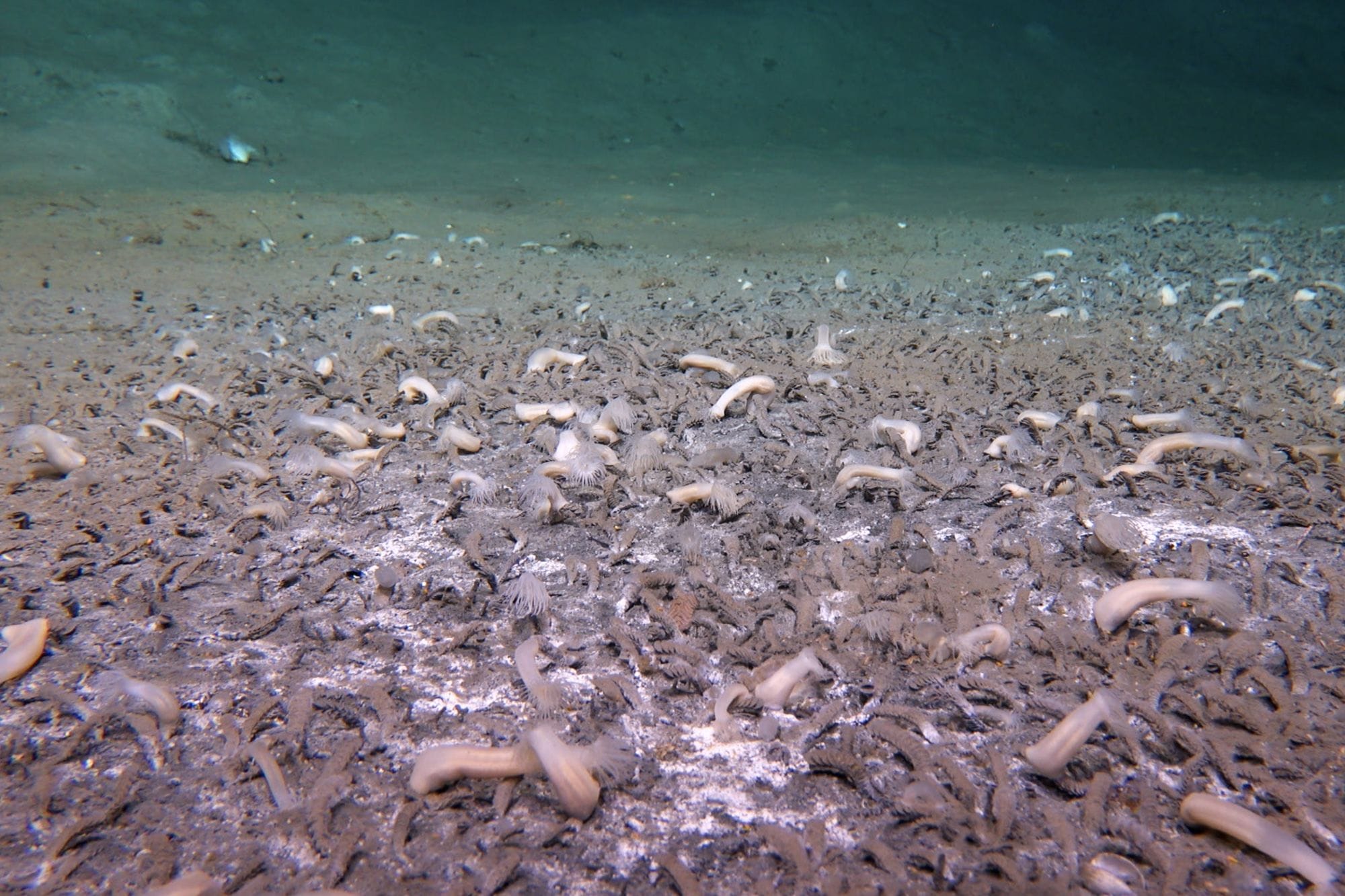
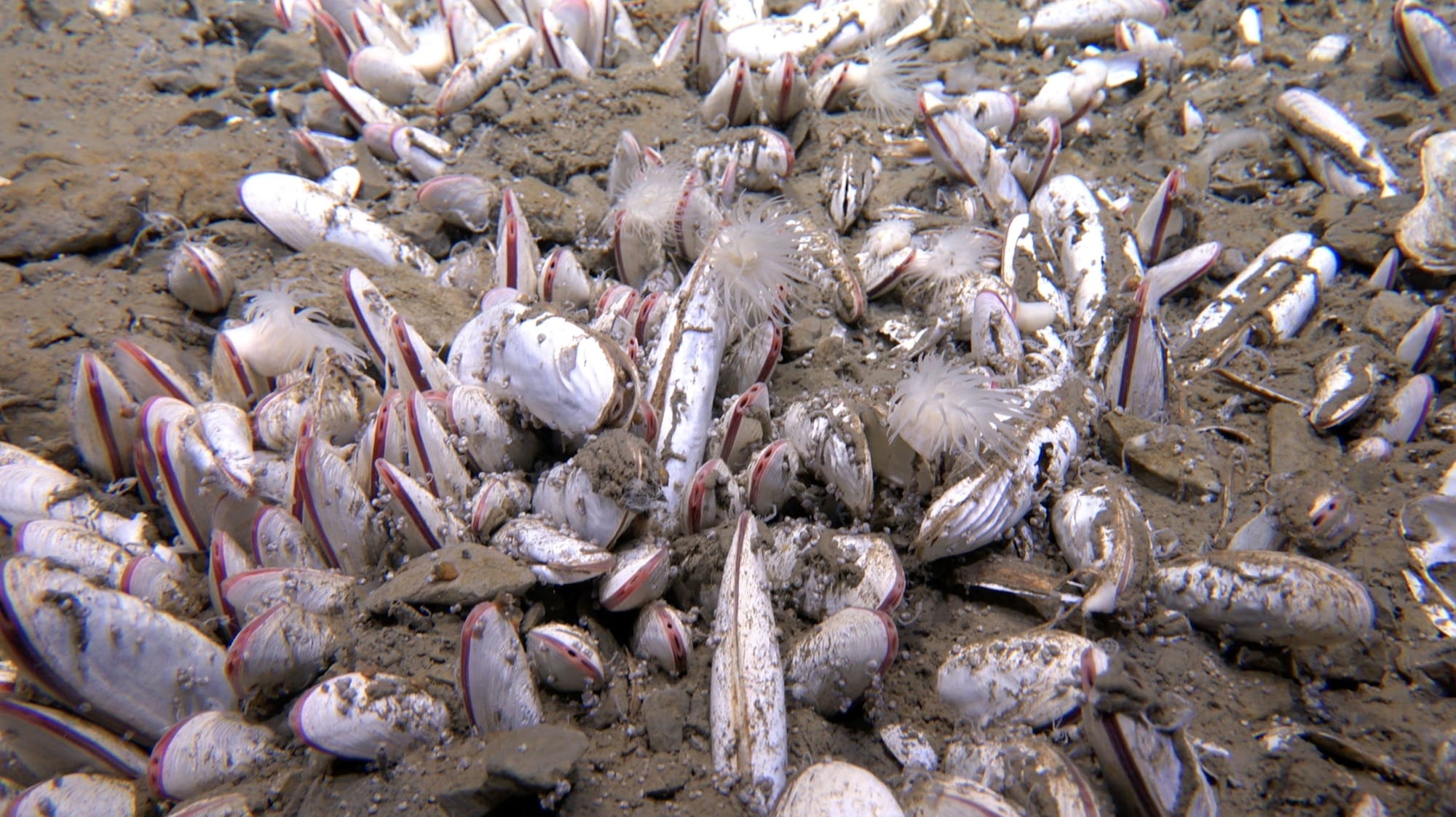
These weren’t just any creatures; they were species of clam and tube worms never before recorded at such immense depths.
Life Without Sunlight
Du’s discovery revealed a massive, approximately 1,550-mile stretch of what scientists are now calling the deepest known ecosystem.
What powers this hidden world?
It’s not sunlight, as this zone exists far beyond its reach.
Instead, this ecosystem is fueled by something far more fundamental: methane gas.
The Methane Connection
The researchers found that the organisms here have evolved incredible adaptations.
Tiny bacteria living within the clams and tube worms play a crucial role.
These microbes can harness energy from methane and hydrogen sulfide escaping from fractures in the ocean floor.
This process, known as chemosynthesis, allows the host animals to thrive in perpetual darkness.

Previously, it was believed that such deep-sea communities relied on organic matter falling from the surface.
However, this new finding suggests that the methane-producing microbes are creating their own localized food source.
This discovery significantly expands our understanding of how life can be sustained in the most extreme environments.
A Surprising Revelation About Methane
Analysis of sediment samples collected during the expedition revealed unexpectedly high concentrations of methane.
This was particularly surprising because deep-sea sediments typically contain very little of this gas.
The team’s hypothesis points to microbes that not only utilize methane but also produce it from organic matter within the sediments.
This suggests a previously unknown microbial capability.

The Hadal Zone’s Role
The hadal zone, characterized by its deep trenches, is one of the least explored places on our planet.
This newly discovered ecosystem highlights the vital, yet often overlooked, role these trenches play in Earth’s carbon cycle.
Scientists now believe these deep areas are not just reservoirs for methane but also act as significant recycling centers.
The findings indicate that a substantial amount of carbon is retained and recycled by microorganisms in these trenches.
This is particularly relevant given that methane and carbon dioxide are potent greenhouse gases contributing to global warming.
Implications for Future Discoveries
This groundbreaking discovery opens up exciting possibilities for further research.
It suggests that similar chemosynthetic communities could exist in other hadal trenches around the world.
The advancement of technology capable of withstanding extreme deep-sea pressures is crucial for uncovering more of Earth’s hidden biodiversity.
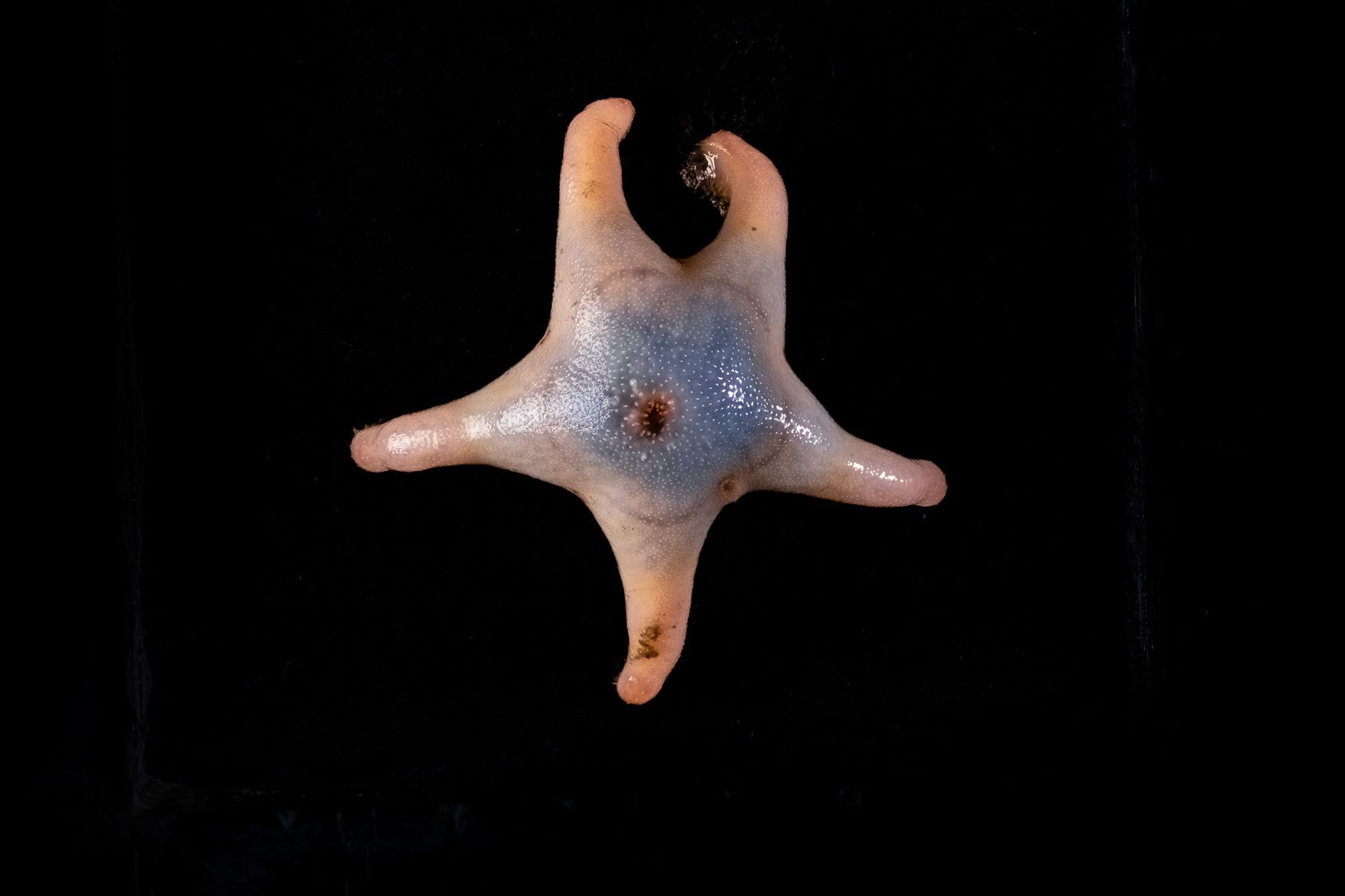
Even in remote environments, the deep ocean remains interconnected with surface activities, as evidenced by discoveries of plastic in deep-sea creatures.
Collaboration between nations and scientific disciplines is essential for future exploration efforts.
The team hopes to further study these unique species and their remarkable adaptations to extreme conditions.

A Thriving, Extreme World
This discovery underscores the resilience of life and the vast mysteries that still lie beneath the ocean’s surface.