Sanders accuses Trump of funding billionaire tax breaks by making college more expensive for working families

A bold new proposal promises to eliminate college tuition for millions of American families while directly challenging the Trump administration’s education priorities.
The timing couldn’t be more strategic.

A Counter-Narrative to Current Policy
While the Trump administration focuses on fiscal responsibility and targeted tax relief that supporters argue will stimulate economic growth, Senator Bernie Sanders is positioning his College for All Act as an alternative approach to education funding.
The Vermont Independent’s proposal would make public colleges and universities tuition-free for families earning under specific income thresholds – $300,000 for married couples and $150,000 for single households.
Community colleges and trade schools would become completely tuition-free under the plan.

The Political Landscape
Republican lawmakers argue that their approach to education funding emphasizes accountability and efficiency rather than blanket spending increases.
Trump’s supporters contend that tax policies benefiting higher earners ultimately create jobs and economic opportunities that help working families more effectively than direct government programs.
The administration’s education philosophy centers on school choice, reducing federal bureaucracy, and allowing states more control over their educational systems.

International Comparisons and Historical Context
Sanders frequently points to European models where countries like Germany and France offer tuition-free higher education.
However, critics note these systems often come with higher tax burdens and different economic structures that may not translate directly to the American context.
Historically, many American public universities did charge minimal tuition decades ago, though the economic and demographic realities were vastly different.
Public Opinion and Political Reality
Polling data suggests significant public support for tuition-free college programs, with Pew Research finding 63% approval in recent surveys.
Yet the proposal faces steep political headwinds in a Republican-controlled Congress.
Conservative economists argue that such programs could devalue college degrees, increase government debt, and benefit middle-class families more than truly disadvantaged students.
The Core Disagreement
The fundamental divide centers on competing visions of how government should address education accessibility.
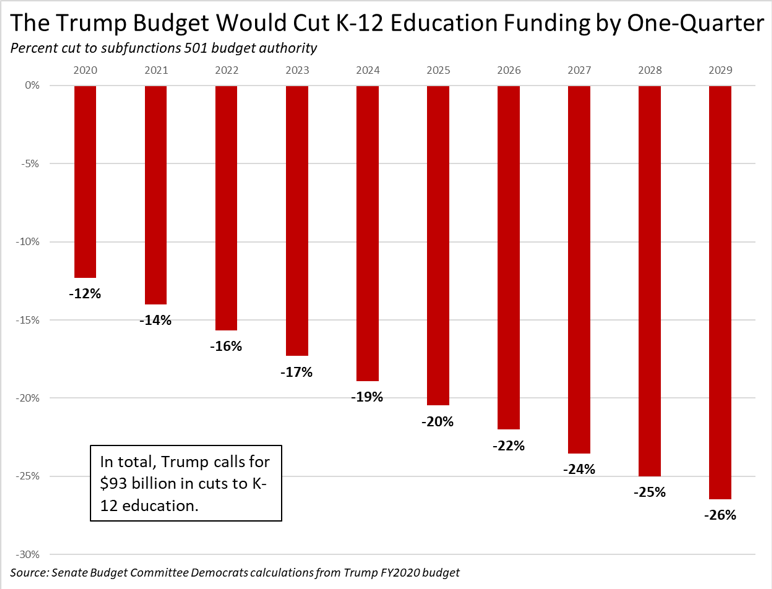
Sanders frames the issue as wealthy Americans benefiting from tax policies while working families struggle with education costs.
“Instead of increasing the cost of college in order to give more tax breaks to billionaires, we have a better idea,” Sanders stated. “We are going to make public colleges and universities tuition-free so that working-class students can succeed.”
Republican supporters counter that broad-based tax relief and reduced government spending create more sustainable economic growth that benefits all income levels.

The College for All Act represents a clear ideological choice between expanded government programs and market-based solutions to education affordability.
While passage remains unlikely in the current political environment, the proposal ensures higher education costs will remain a central debate in American politics.