Salmonella-contaminated tomatoes sold across 14 states for weeks before recall as health officials admit they have no idea how many people already consumed them
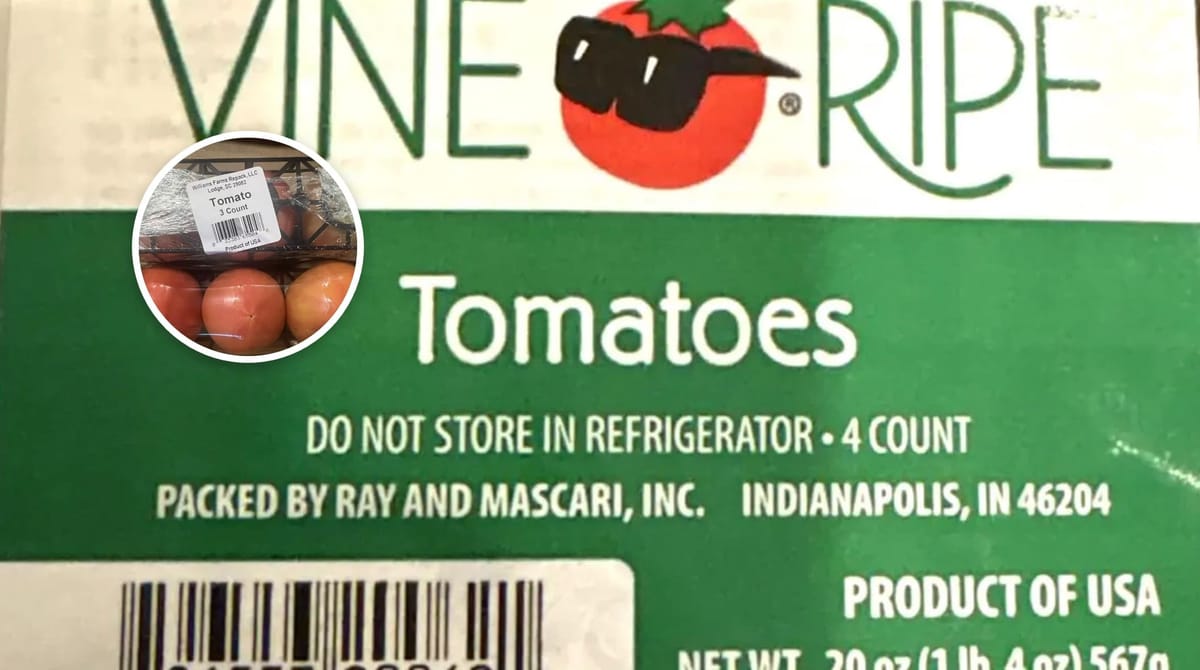
Thousands of Americans may have already eaten contaminated tomatoes without knowing it. The shocking admission came as federal health officials scrambled to track down potentially deadly produce that had been sitting on store shelves for weeks.
The Scale of the Problem
Two separate recalls have now been issued by the Food and Drug Administration, affecting tomatoes distributed across 14 states. But here’s the kicker – these contaminated tomatoes were being sold to unsuspecting customers for weeks before anyone realized there was a problem.
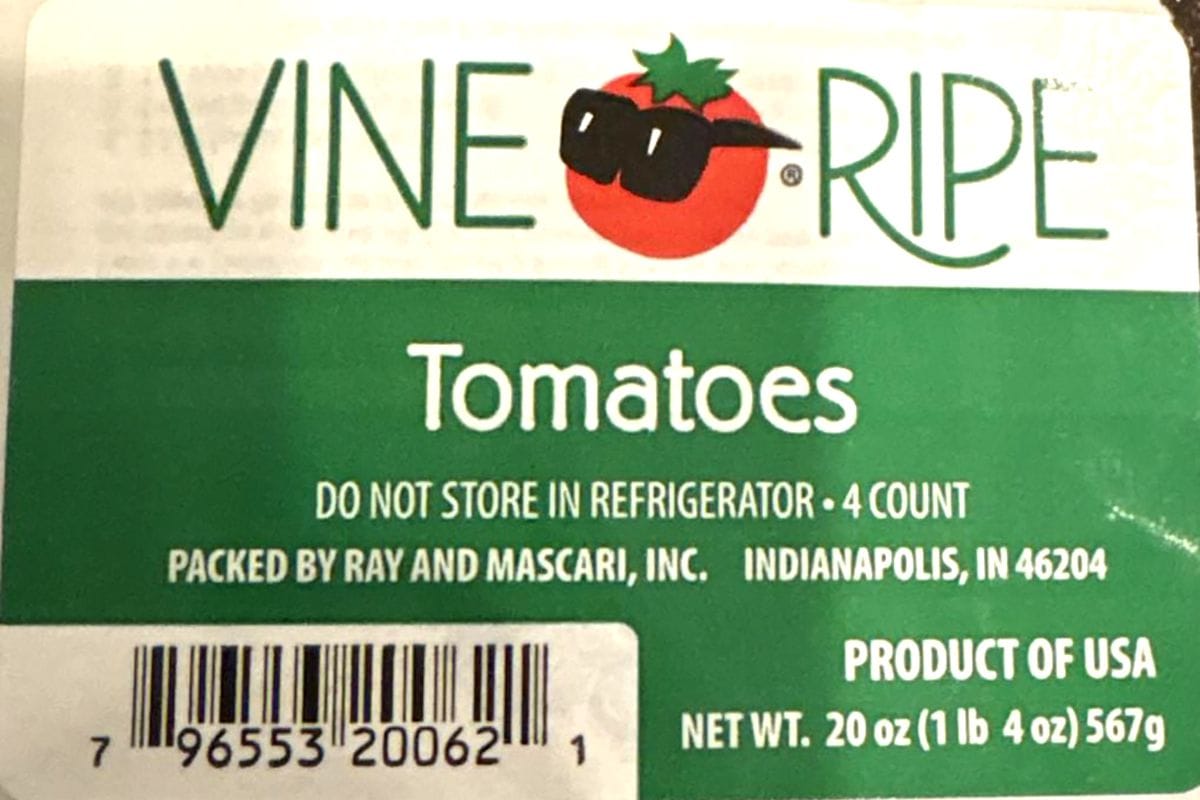
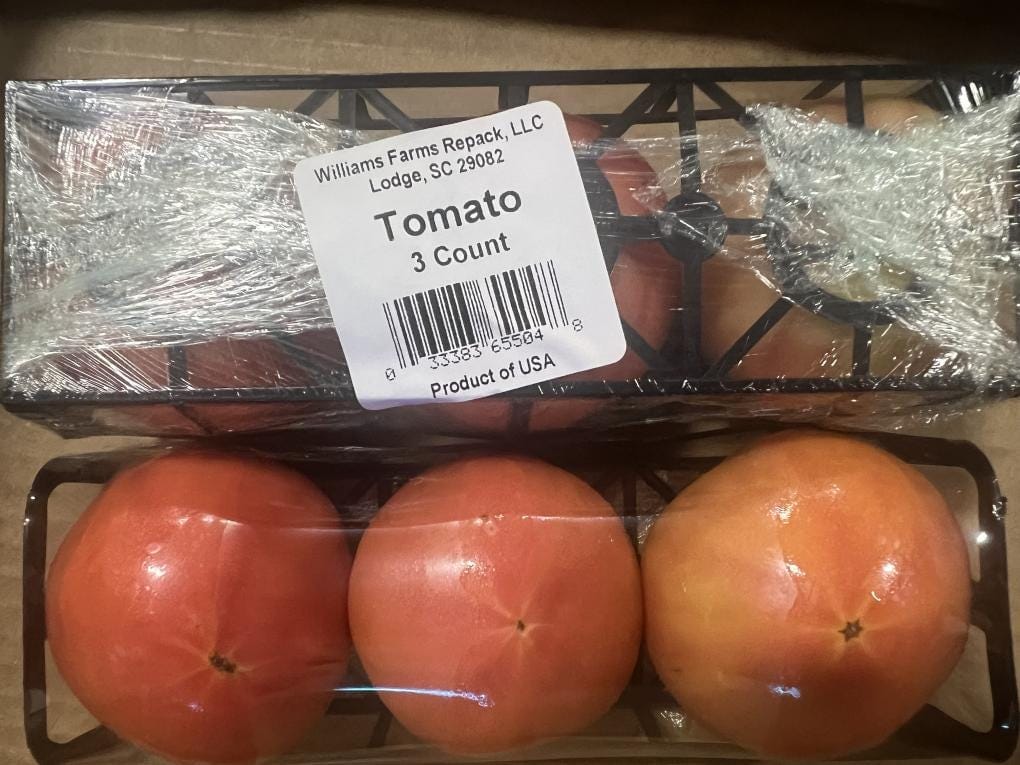
The first recall involves Ray & Mascari tomatoes sold through Gordon Food Service Stores. The second affects Williams Farms Repack tomatoes distributed to wholesalers between April 23 and 28.
What’s particularly alarming is that health officials have no tracking system in place to determine how many people may have already consumed these potentially dangerous tomatoes.
What Makes This So Dangerous
Salmonella isn’t just your average stomach bug. It’s the leading cause of foodborne illness in America, according to the Centers for Disease Control and Prevention.
The symptoms can be brutal: fever, diarrhea, nausea, vomiting, and severe abdominal pain. But for vulnerable populations – young children, elderly people, and those with weakened immune systems – it can be fatal.
The Recall Details You Need to Know
The Ray & Mascari recall specifically targets four-count “vine ripe tomatoes” in clamshell containers. These 20-ounce packages have the UPC number 7 96553 20062 1 and were packed in Indianapolis.
Look for lot numbers RM250424 15250B or RM250427 15250B on the master case boxes.
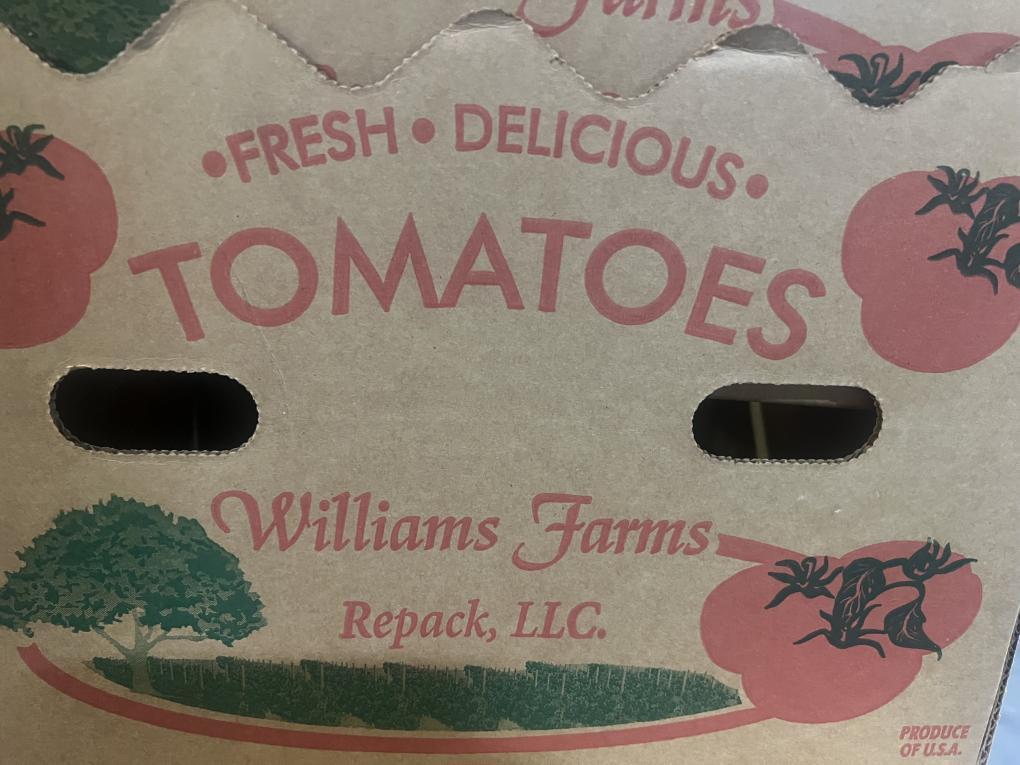
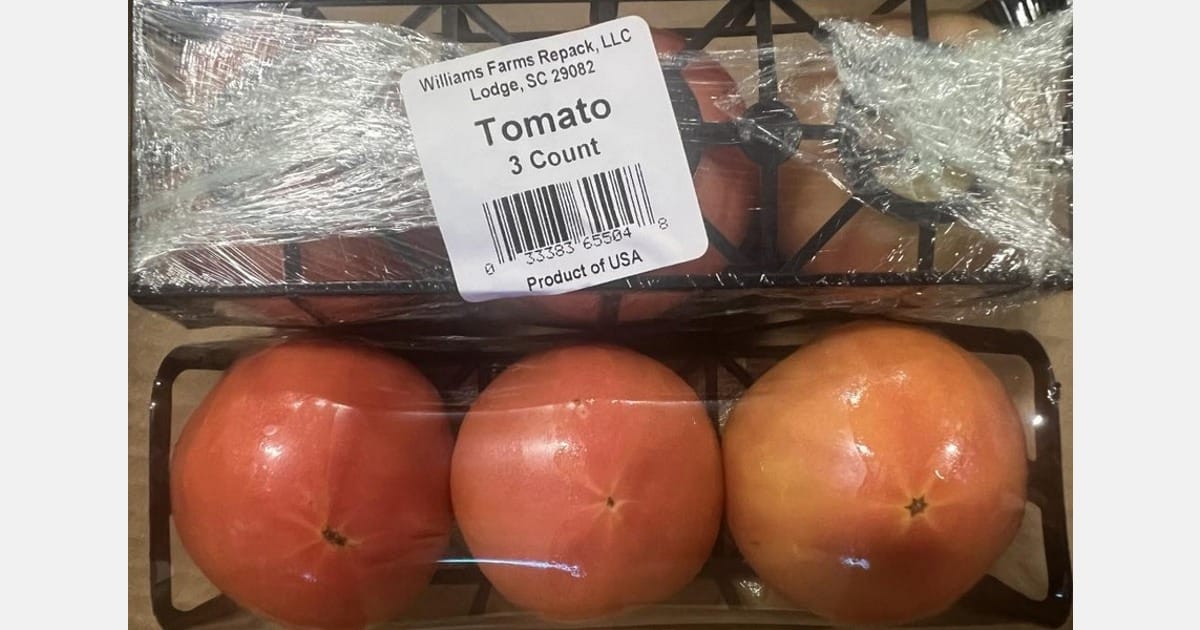
The Williams Farms recall is more complex, involving multiple packaging sizes and lot codes R4467 and R4470.
Where These Contaminated Tomatoes Were Sold
The Ray & Mascari tomatoes hit stores across 11 states: Illinois, Indiana, Kentucky, Michigan, Missouri, Mississippi, New York, Ohio, Pennsylvania, Tennessee, and Wisconsin.
Williams Farms tomatoes were distributed to wholesalers in Georgia, North Carolina, and South Carolina – meaning they could have ended up anywhere from there.
The Disturbing Truth Officials Don’t Want You to Know
Here’s what makes this situation particularly troubling: despite the widespread distribution and weeks-long timeline, the FDA admits they have no comprehensive system to track who bought these tomatoes or how many people may have already consumed them.
The contamination was discovered at Hanshaw & Capling Farms in Immokalee, Florida, but by then, thousands of packages had already made their way through the supply chain and onto dinner tables across America.
Even more concerning? No illnesses have been officially reported yet – but that doesn’t mean people haven’t gotten sick. Many salmonella cases go unreported or are misdiagnosed as common stomach flu.
The FDA recommends anyone who purchased these tomatoes should immediately throw them out or return them to the store. But for those who may have already eaten them, all they can do now is wait and watch for symptoms – a sobering reminder of how vulnerable our food supply chain really is.