REPORT: Trump ‘Approved Attack Plans’ for Iran Hours Before Key Meeting

New reports swirling just ahead of a critical White House meeting suggest President Trump has given a significant nod regarding potential military action.
But the full picture reveals a complex situation with potential conditions attached.
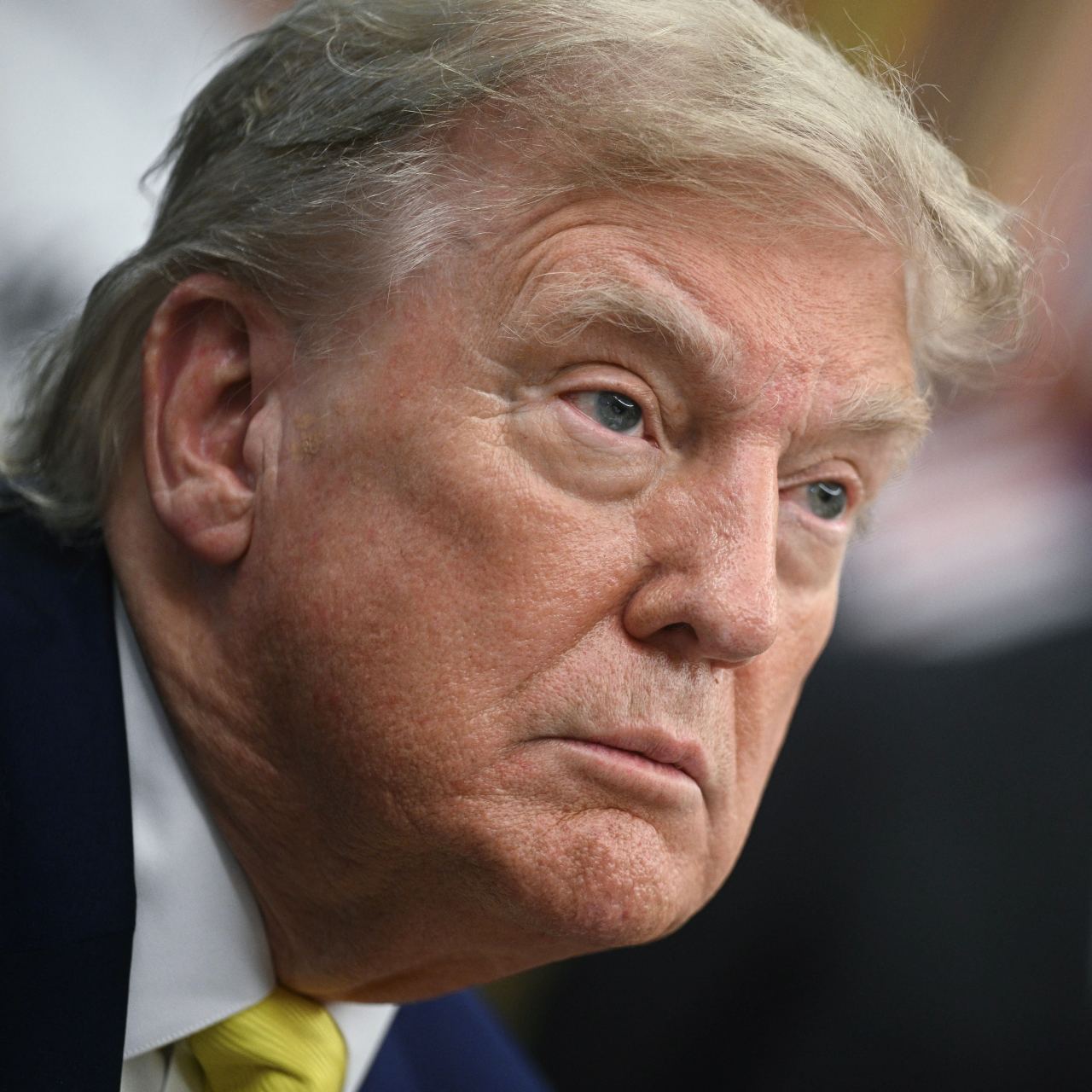
Developing Situation at the White House
President Donald Trump is scheduled to convene with his senior advisors in the Situation Room this Thursday morning.
This high-stakes meeting comes amid heightened regional tensions.
Reports have surfaced indicating crucial developments regarding potential U.S. military posture concerning Iran.
Behind the Headlines: What Was Reported?
According to reporting by The Wall Street Journal late Wednesday, President Trump privately indicated approval for certain military planning.
The report suggests he told aides he “approved of attack plans for Iran.”
However, the Journal also noted a key condition tied to this approval: he was reportedly “holding off on giving the final order to see if Tehran will abandon its nuclear program.”
CBS News also reported Trump had “approved attack plans on Iran Tuesday night.”
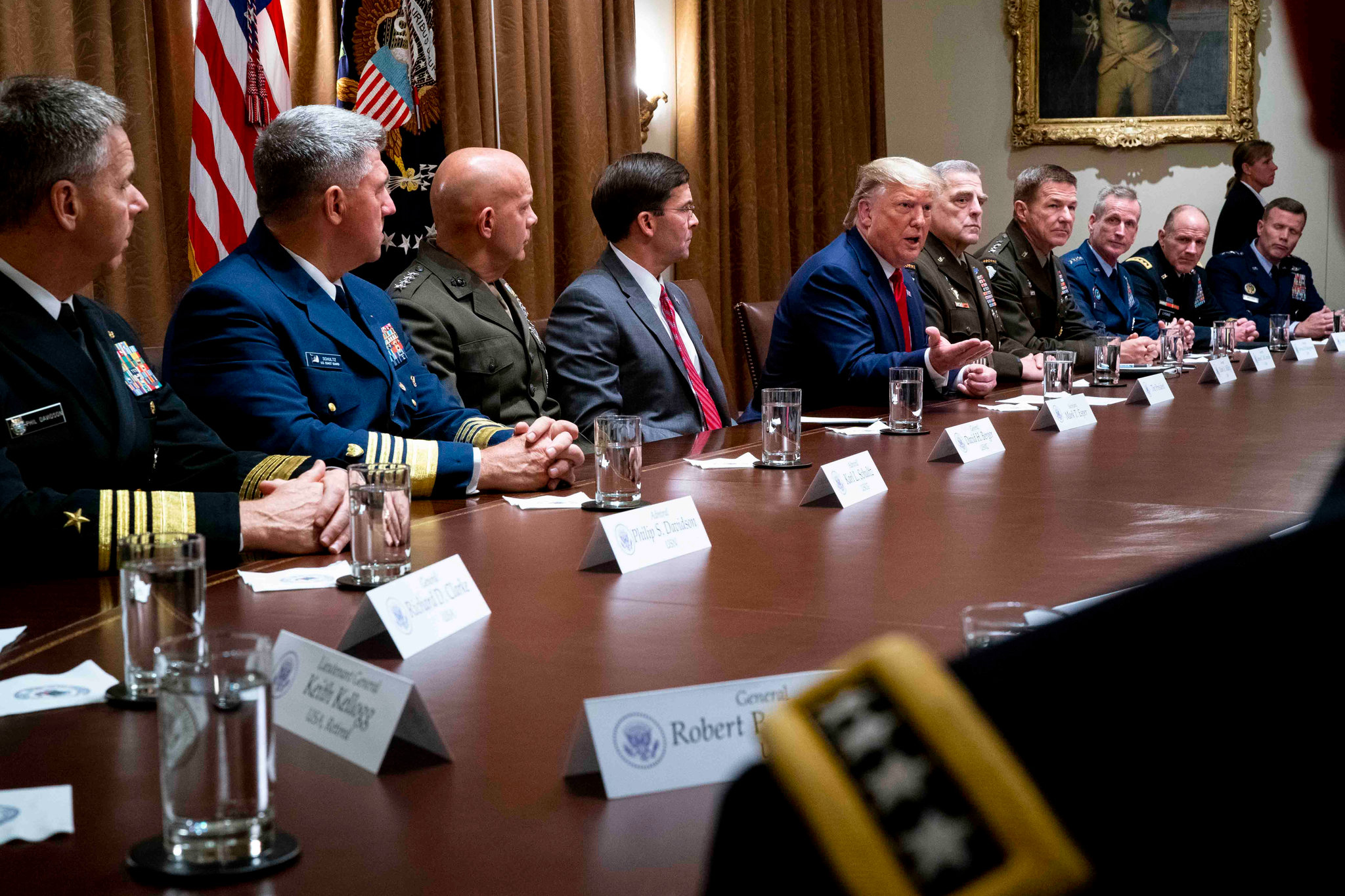
Military Posture and Readiness
In parallel with diplomatic and policy discussions, the U.S. military has been repositioning assets.
The Journal observed that forces have been moving toward Europe and the Middle East.
This includes various support elements necessary for projection and readiness.
- Tanker planes for aerial refueling
- Warships capable of missile defense
- An aircraft carrier battle group
- Advanced F-22 air-to-air fighters
Such movements are often standard procedure in times of elevated tension, signaling readiness and providing options should they be needed.
Weighing Options and Capabilities
The United States possesses significant military capabilities relevant to the region.
Among these are powerful munitions like 30,000-pound bunker-buster bombs.
These are sometimes discussed in the context of targeting deeply buried facilities, such as Iran’s heavily fortified Fordow nuclear site.
President Trump himself commented on U.S. capabilities, stating Wednesday, “We are the only ones who have the capability to do it, but that doesn’t mean I am going to do it.”
This remark underscores that capability does not automatically translate into a decision for action.
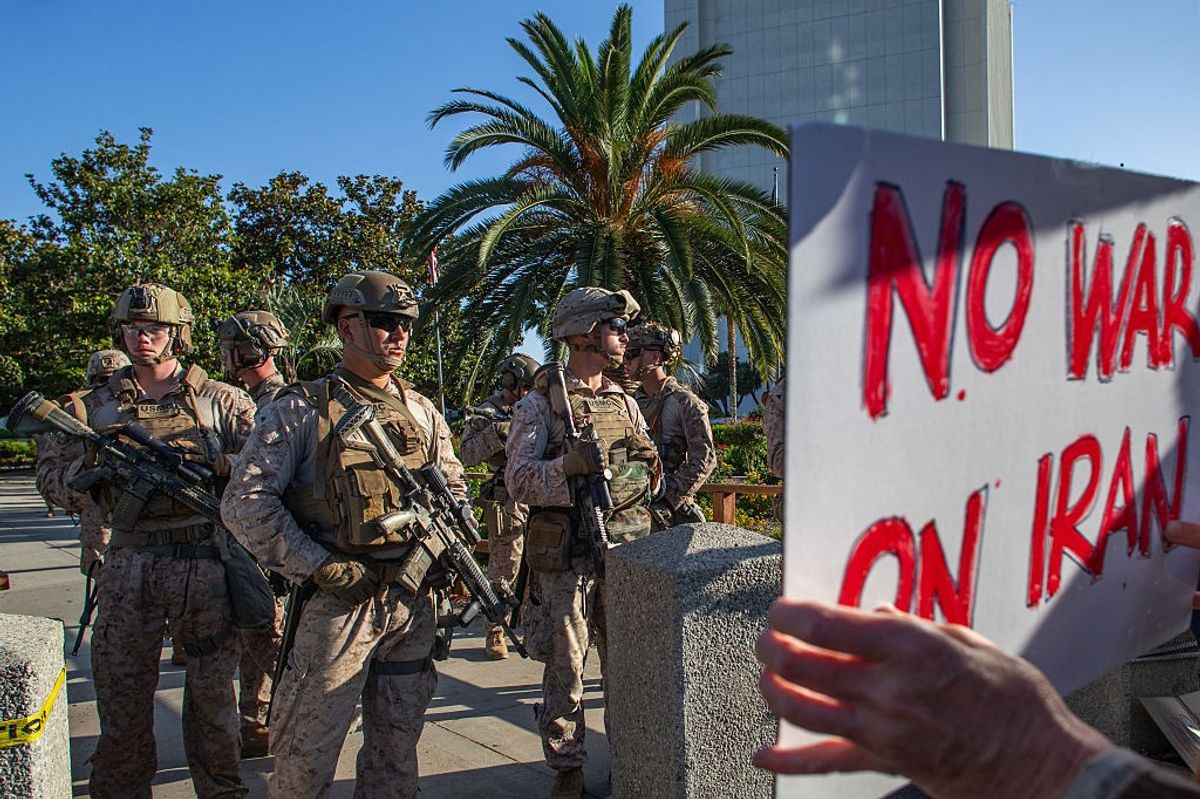
Congressional Consultations and Deliberations
Decision-making on such critical matters involves input from various branches and advisors.
Reports suggest President Trump has been consulting with key figures advocating different perspectives.
These include military leadership, such as Gen. Michael “Erik” Kurilla, who leads Central Command.
Additionally, legislative voices like Republican Senators Lindsey Graham and Tom Cotton have reportedly been part of discussions, advising on strategies regarding Tehran.
Members of Congress are also engaged, with various resolutions and calls for deliberation underway.
Senators are slated to receive a classified briefing on Iran from the administration next week, highlighting ongoing communication.
While lawmakers discuss potential legislative actions regarding war powers, the executive branch continues its assessments.
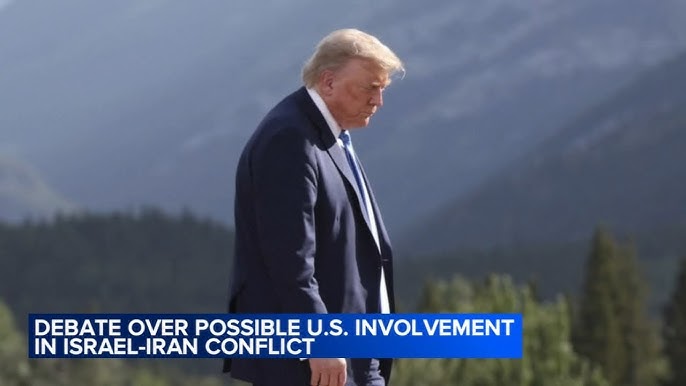
The Report’s Key Detail Emerges
The central report sparking widespread attention indicates President Trump gave approval not for an immediate strike, but for *attack plans*.
Crucially, sources indicate this approval came with a significant caveat: the final execution order was withheld, contingent upon whether Iran changes course regarding its nuclear program.
This suggests the approval was part of a strategic consideration, potentially aimed at maintaining readiness or signaling resolve, linked directly to the critical goal of preventing Iran from developing nuclear weapons.
The impending Situation Room meeting is expected to cover these sensitive issues and inform the path forward.
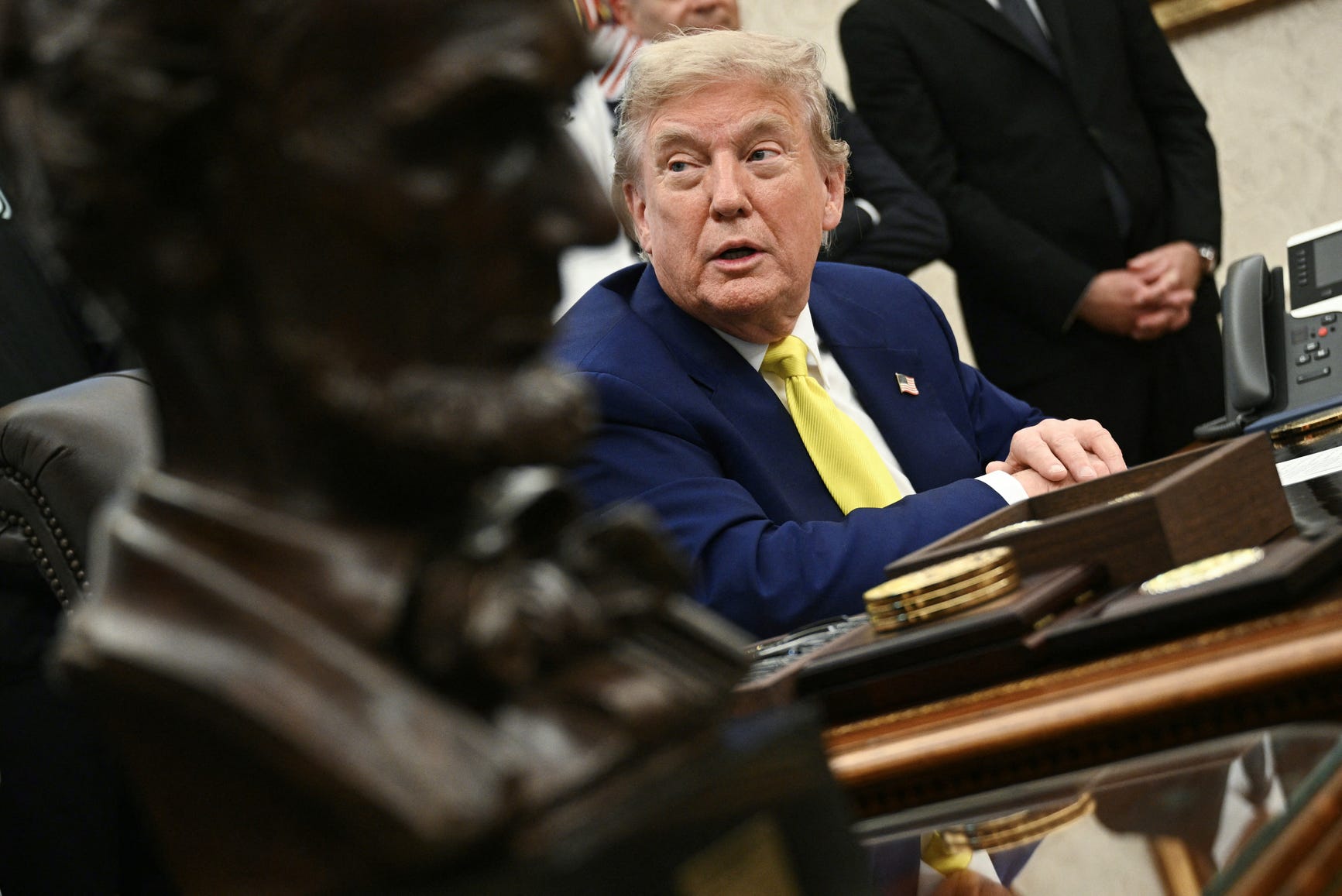
The situation remains dynamic as policymakers assess the best course of action to protect national security interests and address regional stability.