Religious School Funding Struck Down by Supreme Court Tie After Justice Recusal
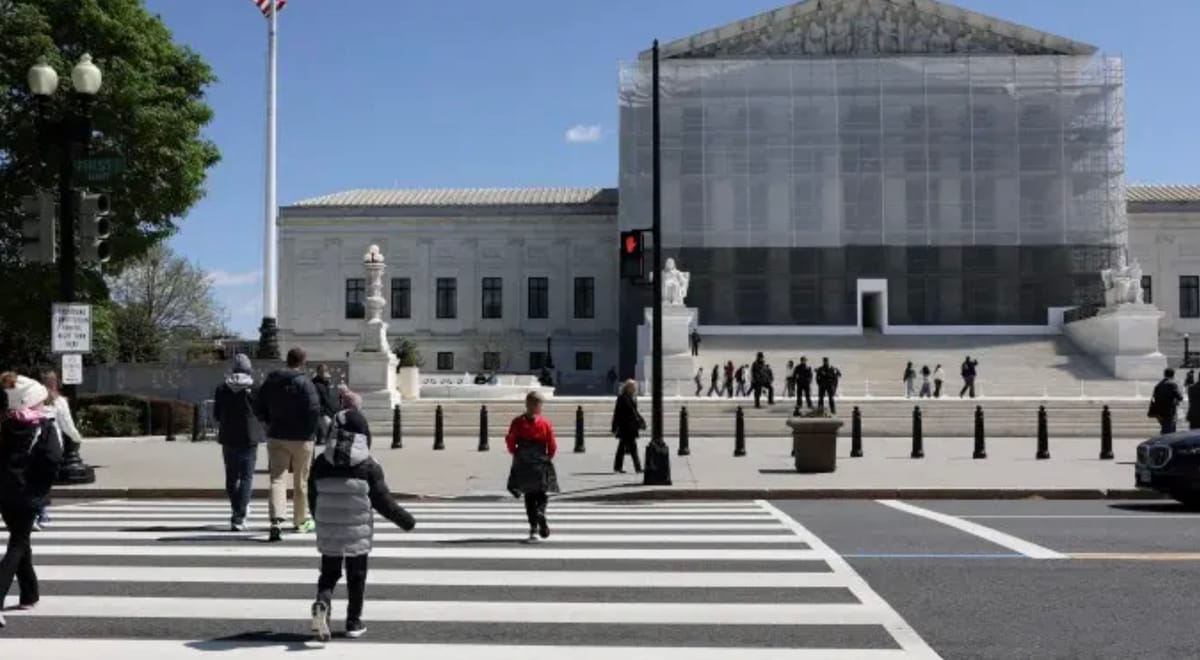
A major decision from the nation’s highest court just came down, but it wasn’t the clear ruling many expected.
Instead, a deadlock among the justices has left a key question about religious education funding unresolved, at least for now.
The Fight Over St. Isidore
The case centered on St. Isidore of Seville Catholic Virtual School in Oklahoma City.
The school was approved by the Oklahoma Statewide Virtual Charter School Board back in June 2023.
This approval made the virtual school eligible to receive public funds from the state.
St. Isidore stated it would operate free and open to all students, adhering to education laws just like traditional public schools.
However, the school also made it clear that it “fully embraces the teachings” of the Catholic Church and is involved “in the evangelizing mission of the church.”
Legal Challenges Arise
This move quickly drew a legal challenge.
Oklahoma Attorney General Gentner Drummond sued to block the approval.
He called it an “unlawful sponsorship” of a religious institution.
Drummond argued it was “a serious threat to the religious liberty of all four-million Oklahomans.”
The core of the legal battle revolved around the U.S. Constitution’s First Amendment, specifically the Establishment Clause, which prohibits government endorsement of religion.
Those opposing the funding argued that using state money for a school with a religious mission violates this clause.
The Oklahoma Supreme Court Steps In
The challenge first went to the Oklahoma Supreme Court.
That court ruled that using public funds for a religious school would indeed violate the state constitution’s provisions related to the Establishment Clause.
They blocked St. Isidore’s ability to receive state funding based on this ruling.
This decision set the stage for an appeal to the highest court in the land.
Arguments Before the Justices
The case made its way to the U.S. Supreme Court, which agreed to hear it in October.
During over two hours of oral arguments, the justices grappled with complex questions.
One major point of debate was whether charter schools should be considered extensions of the state, like traditional public schools, and thus subject to the Establishment Clause.
Alternatively, the school’s advocates argued charter schools could be seen more like private entities contracting with the state.
Another key question raised was whether denying funding violated the Free Exercise Clause, potentially placing an undue burden on the school’s religious mission.
Justices explored potential limits on curriculum supervision and control if the school received public money.
There were also questions about how students of different religious backgrounds would be treated.
The court’s recent history has seen rulings allowing taxpayer funds for religious organizations providing non-sectarian services, adding another layer to the debate.
The Outcome: A Rare Tie
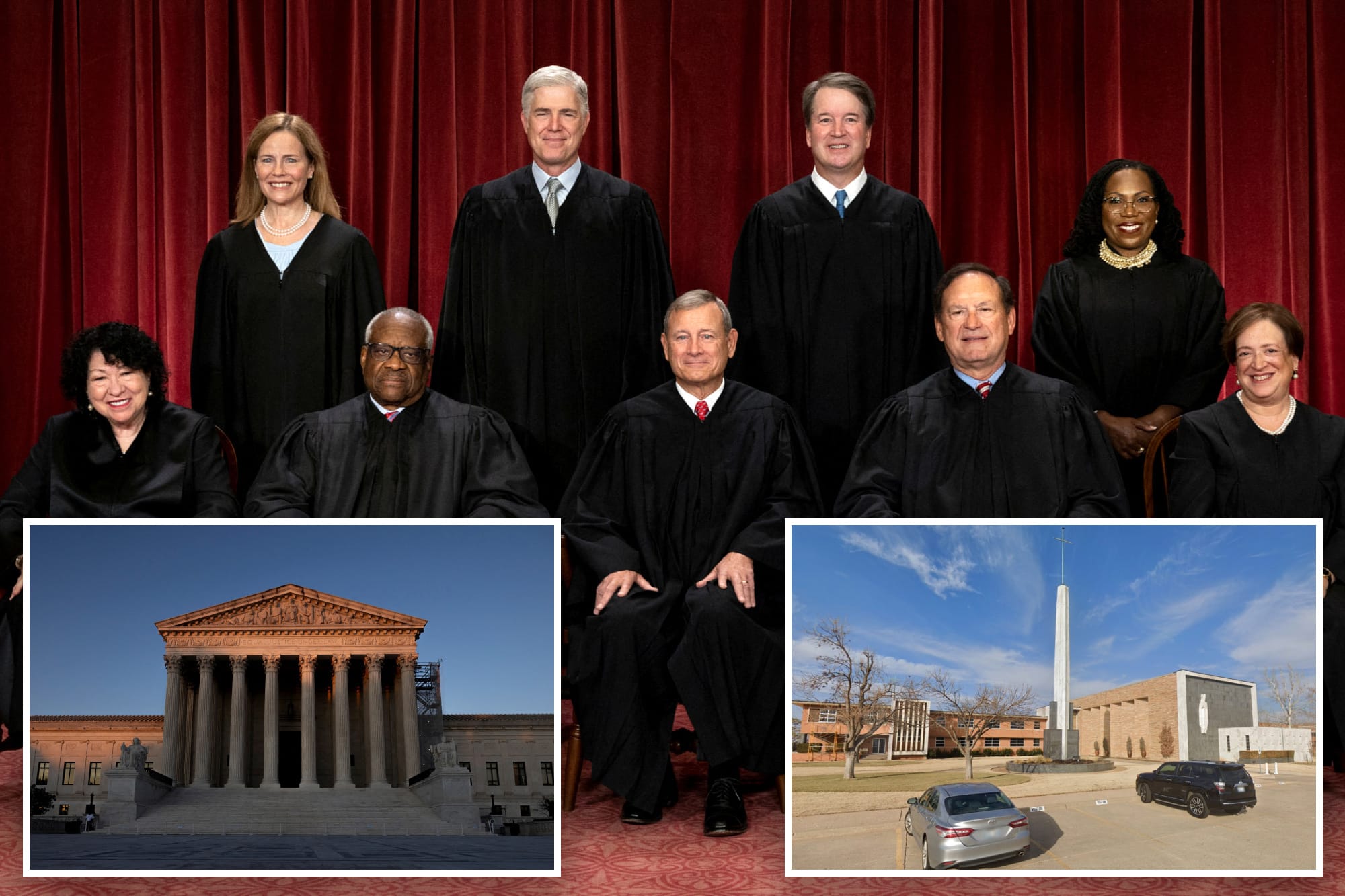
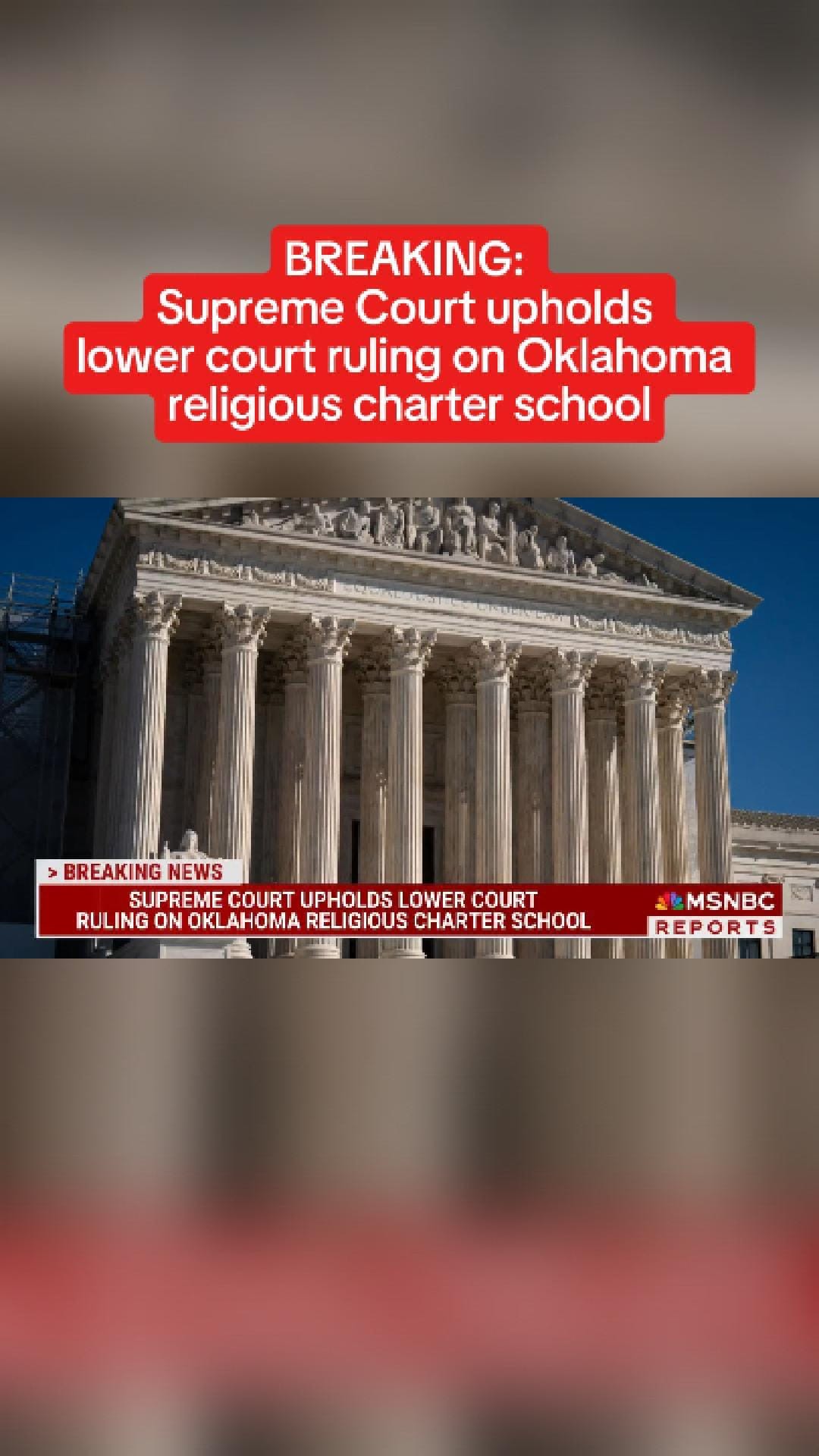
On Thursday, the Supreme Court issued its decision, but not a definitive ruling on the merits of the case.
In a 4-4 vote, the justices were evenly divided.
Crucially, Justice Amy Coney Barrett recused herself from the case.
Because of the tie, the Supreme Court could not overturn the Oklahoma Supreme Court’s decision.
The result is that the lower court’s ruling stands.
The court’s official word was a simple one-sentence statement: “The judgment is affirmed by an equally divided Court.”
What It Means
The outcome upholds the Oklahoma decision blocking funding for St. Isidore.
It doesn’t set a national precedent on whether religious charter schools are broadly constitutional or eligible for public funds.
Instead, it leaves the legal landscape uncertain and highlights the deep division on the court regarding these complex questions of religious freedom and public funding.
The debate over school choice and the role of religious institutions in education is likely far from over.