Public health experts warn Trump administration silenced CDC puts lives at risk
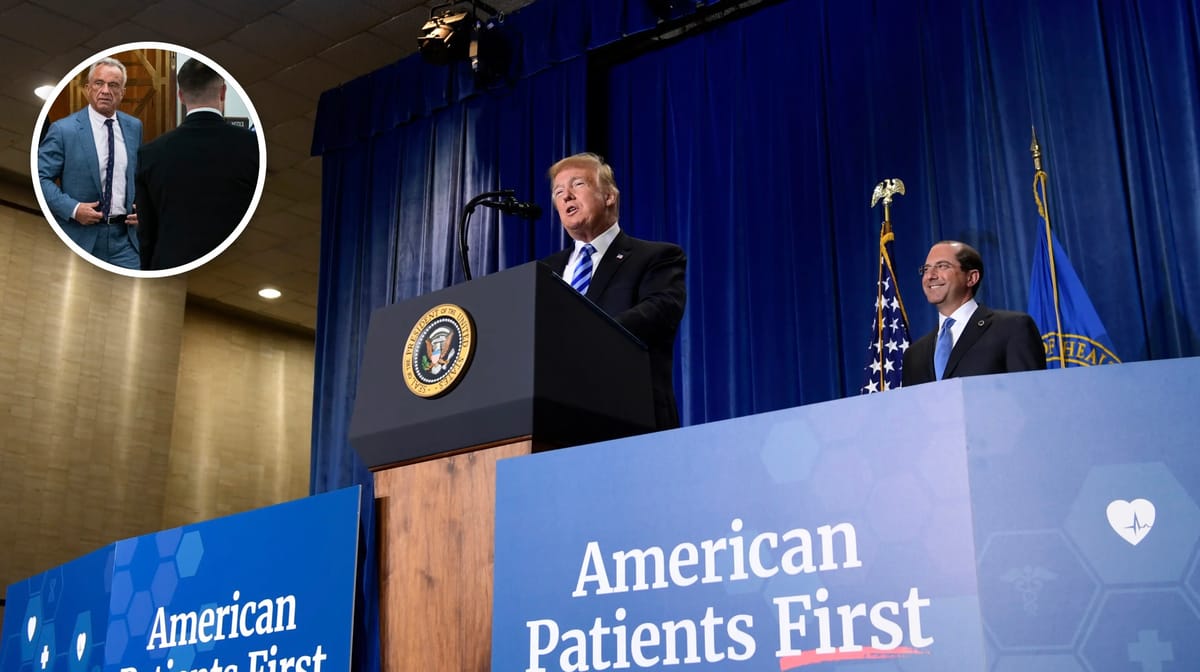
Big changes are happening at the nation’s leading health agency.
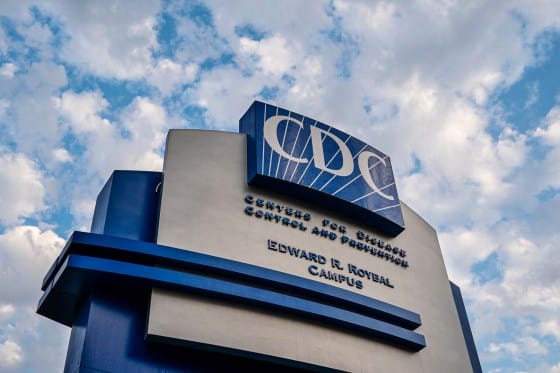
It’s a new era for the Centers for Disease Control and Prevention (CDC), and some are sounding the alarm about the shift.
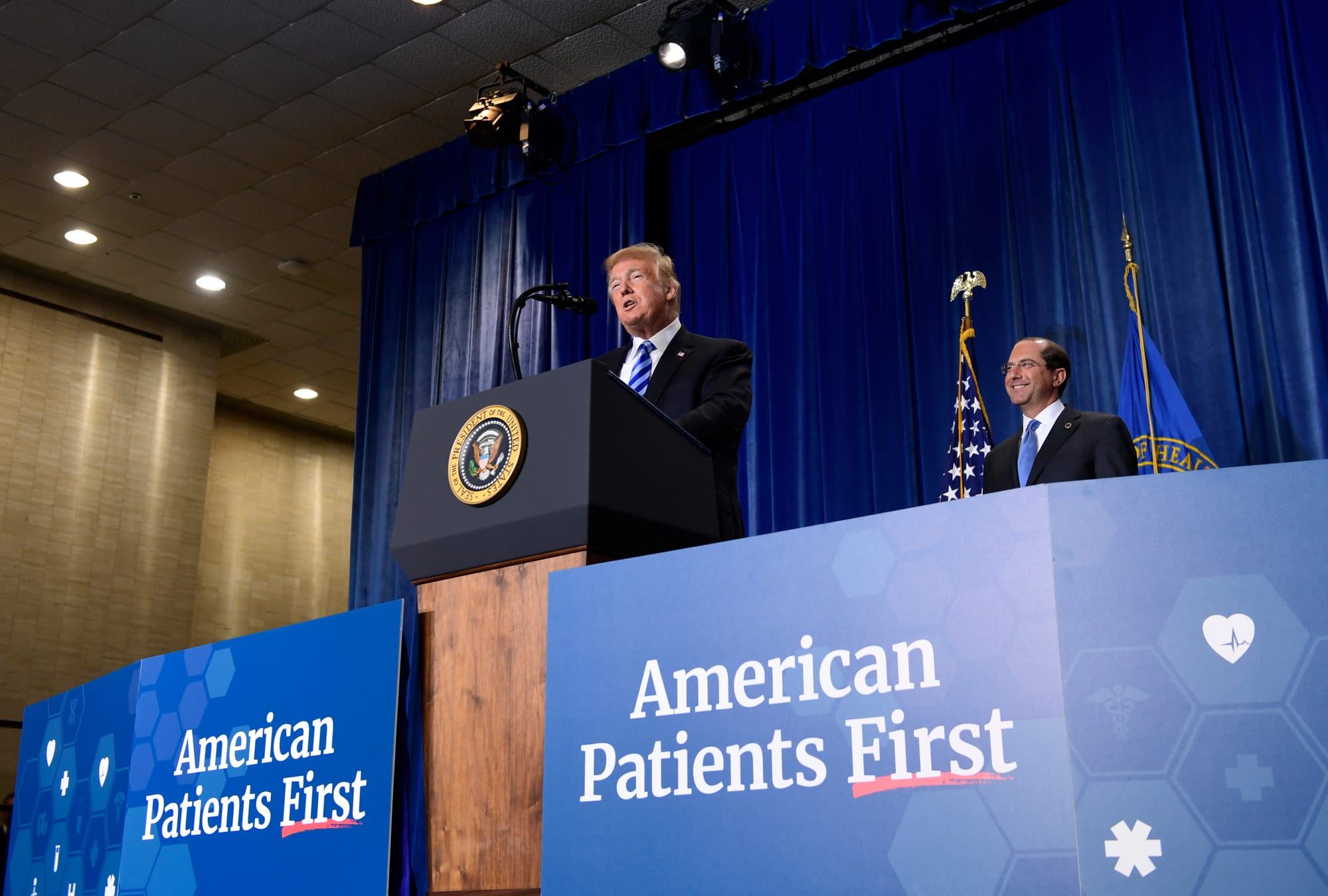
The Trump administration, which took office in January, has initiated significant restructuring across federal health agencies.
This includes changes to how the CDC communicates with the public and health professionals.
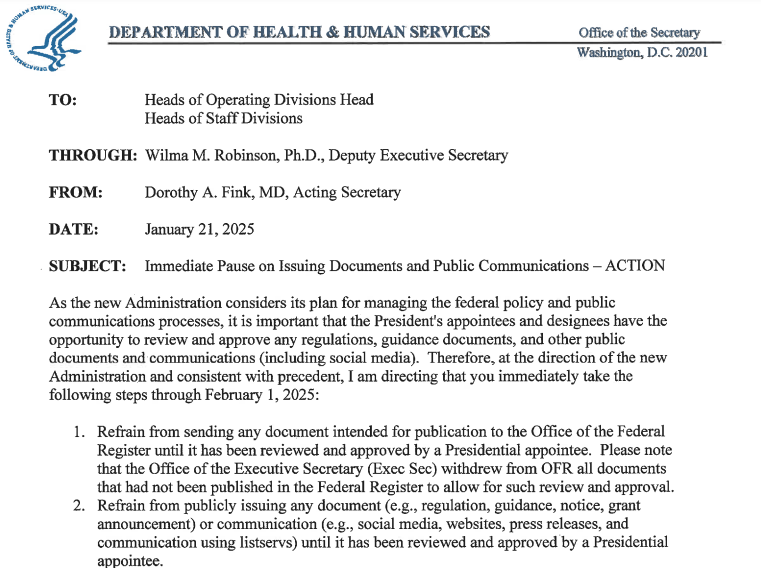
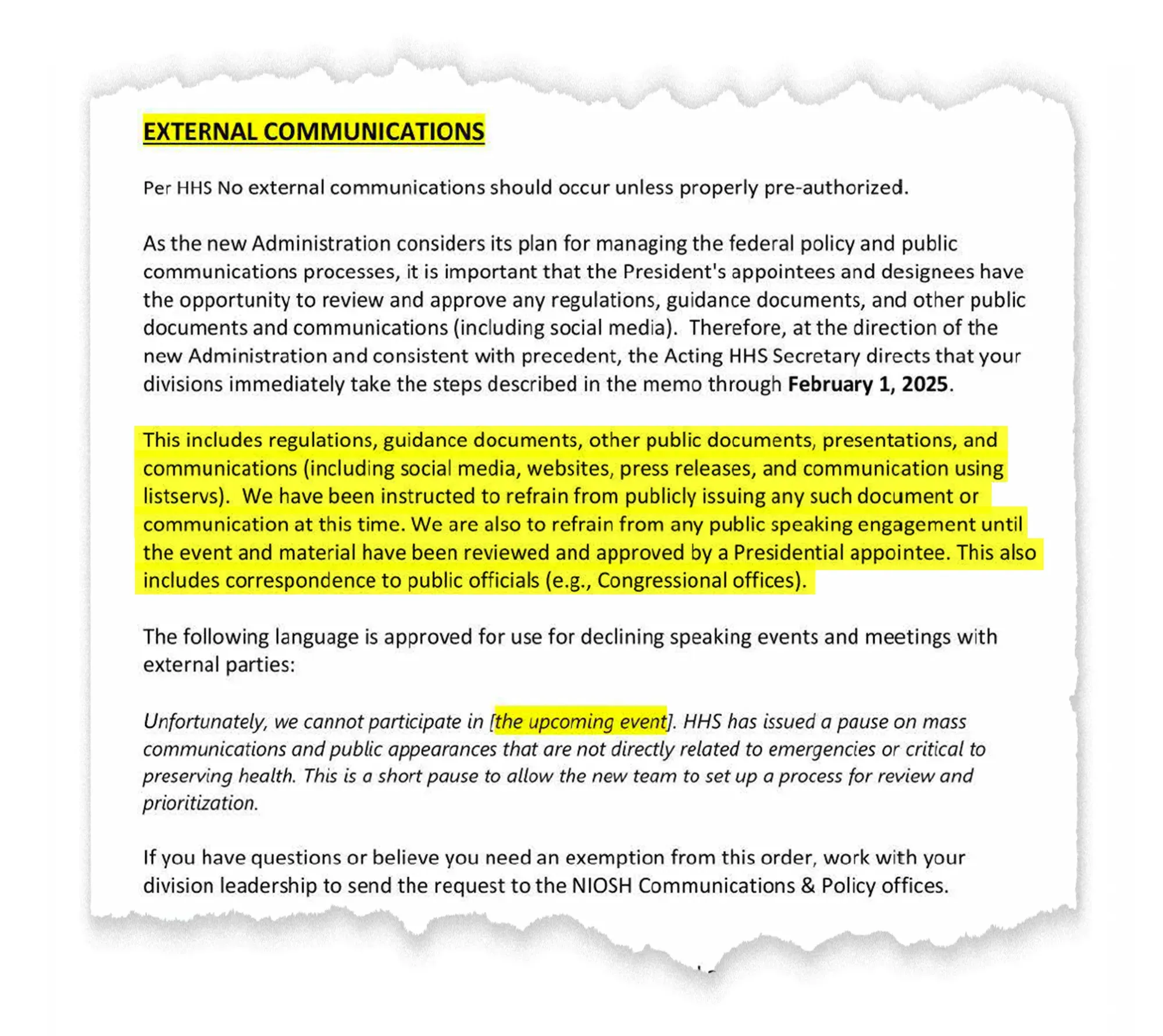
Sources indicate a pause in some traditional communication channels, including newsletters and routine health alerts sent via the Health Alert Network.
Social media management has also reportedly shifted, with oversight moving to the Department of Health and Human Services (HHS).
Critics argue that this centralization could slow down crucial health information dispersal.
“Public health functions best when its experts are allowed to communicate the work that they do in real time, and that’s not happening,” said Kevin Griffis, who served as the director of communications at the CDC until March. “That could put people’s lives at risk.”
However, administration officials frame these changes differently.
They suggest the goal is to streamline operations and ensure consistent messaging aligned with new priorities.
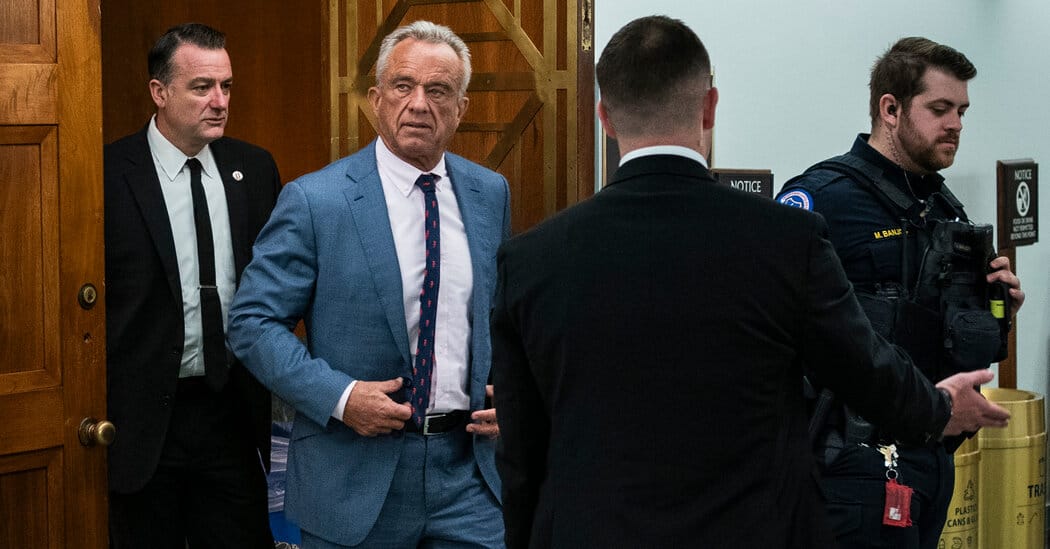
The administration’s plan involves integrating core CDC functions into a new entity called the Administration for Healthy America, under the leadership of HHS Secretary Robert F. Kennedy Jr.
This restructuring also included a “reduction in force,” impacting thousands of federal health workers, including communication staff at the CDC.
According to some reports, every member of the CDC’s digital media division was among those affected.
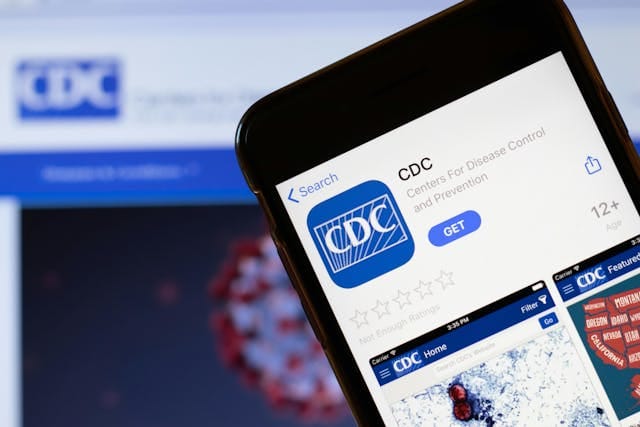
This has led to temporary disruptions, with some social media accounts becoming inactive for periods.
For instance, the CDC’s main Facebook page, which previously posted frequently, saw a significant drop in activity after April 1.
Concerns were raised by some about the pause in the CDC’s Morbidity and Mortality Weekly Report shortly after the inauguration.
However, publication of the essential report did resume.
While the volume of communications may have changed, the administration maintains that critical health information is still being managed and disseminated.
The focus appears to be on ensuring messages are reviewed and approved by HHS to align with the broader administration health strategy.
HHS officials have pushed back against claims that communication channels are blocked or inaccessible.
Andrew Nixon, the director of communications at HHS, addressed the situation directly.
“It’s unfortunate to see career officials spreading false rumors,” Nixon stated in response to questions about the communication changes.
He emphasized the CDC’s role within HHS.
“The CDC has access to their X account – it’s that simple,” Nixon said. “CDC is an agency within the U.S. Department of Health and Human Services and supports Secretary Kennedy’s vision to protect public health and Make America Healthy Again.”
This new approach aims to streamline federal health efforts under unified leadership.
The administration asserts that these changes are necessary to enhance national health readiness and response capabilities, ensuring a more focused and efficient public health infrastructure.
The debate continues regarding the immediate impact of these communication shifts versus the long-term goals of administrative reform.