President’s actions in DC mirror Nazi Germany’s rise to power
What if the events unfolding in the nation’s capital are not just news, but a chilling echo of history’s darkest chapters?
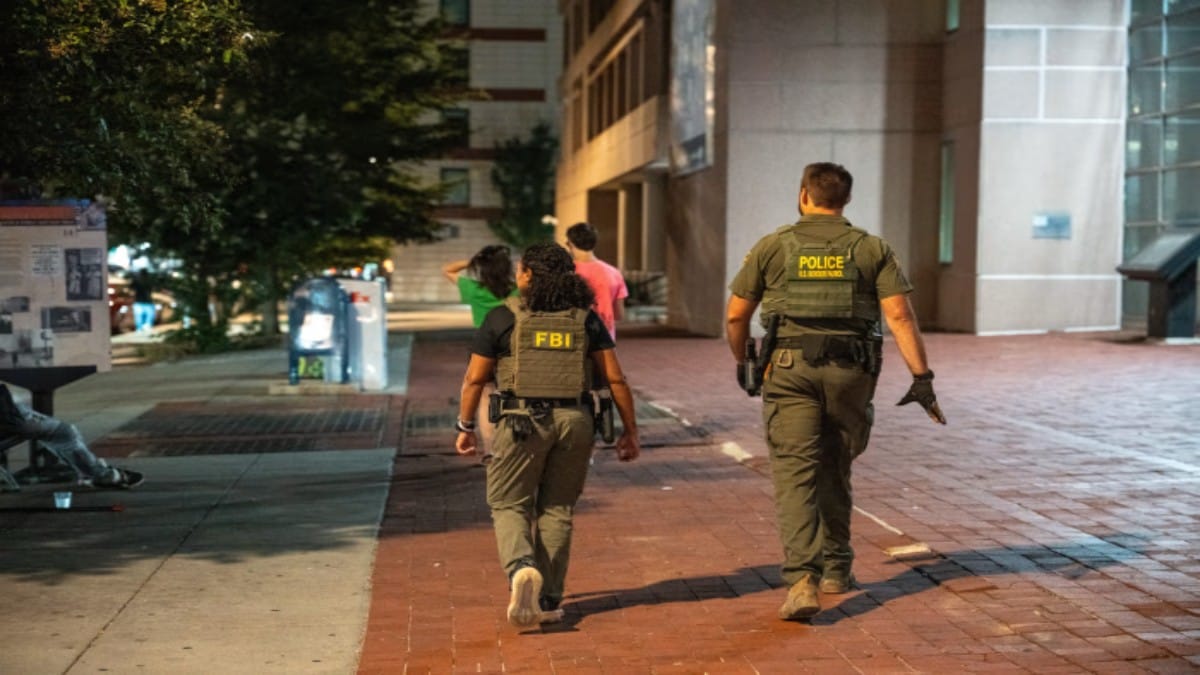
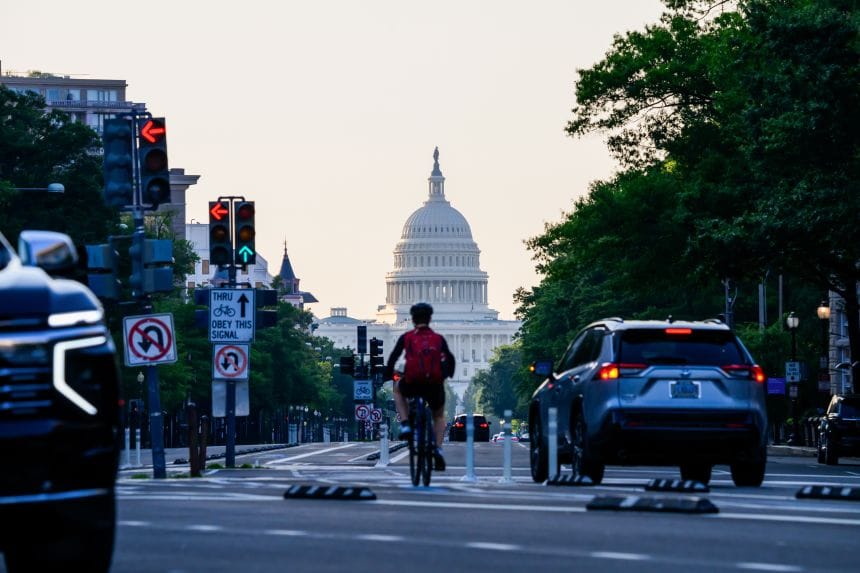
Reports are surfacing of unprecedented federal actions in Washington D.C. The city’s police have been placed under presidential control.
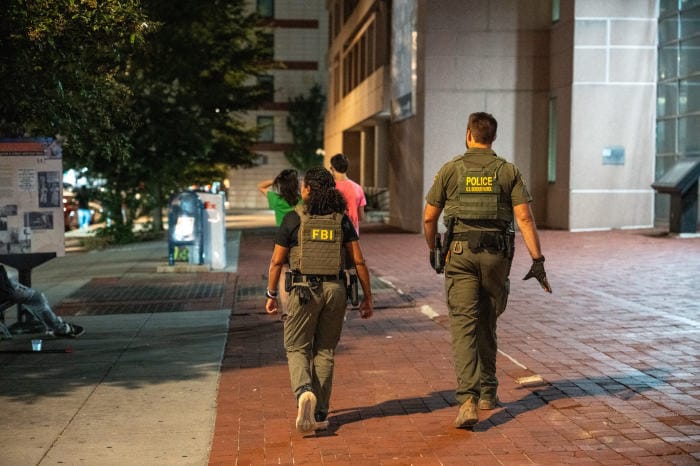
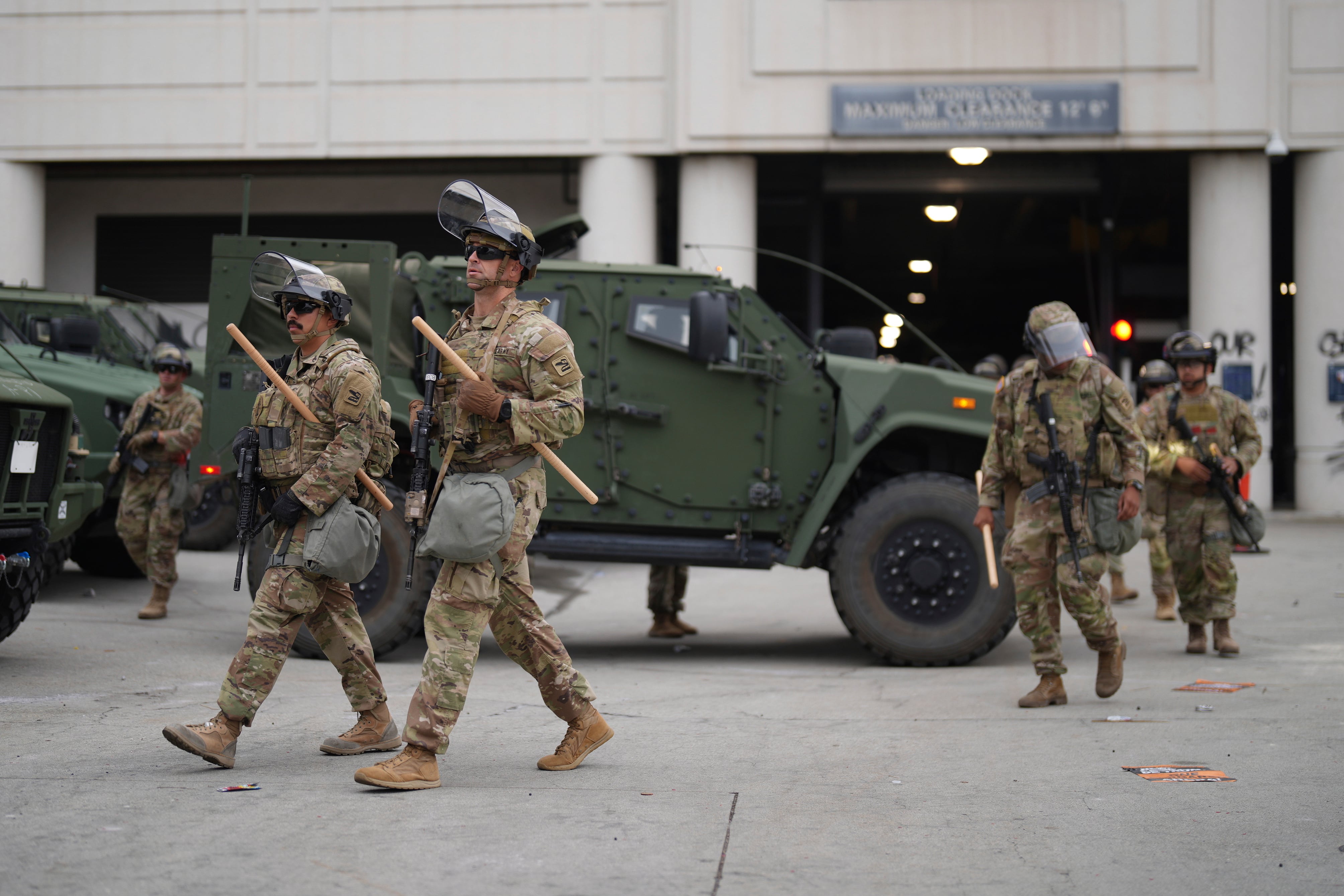
The National Guard has been mobilized in ways that have raised significant concerns. This dramatic shift in authority has led many to draw striking comparisons.
A Capital Under New Management
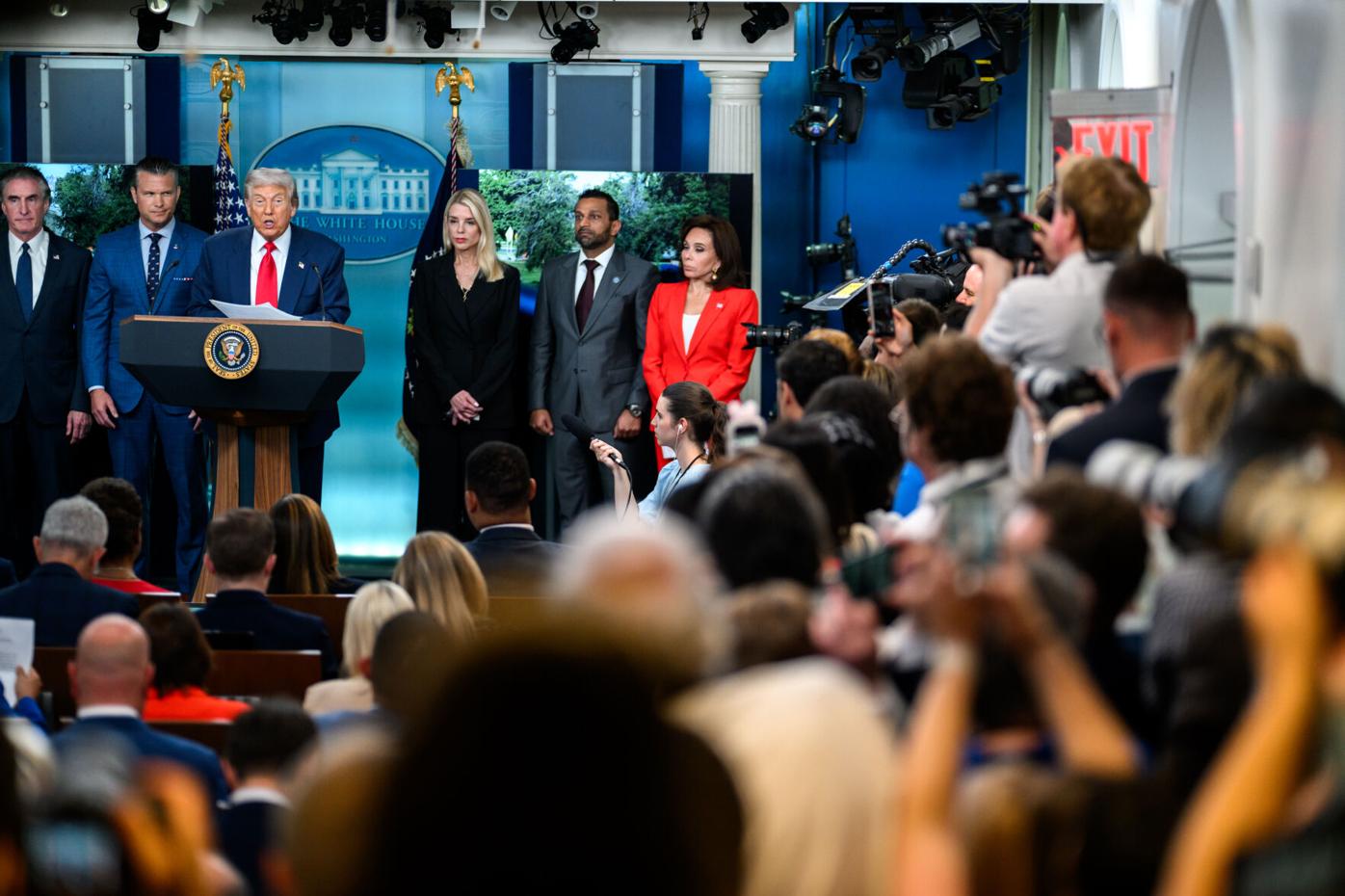
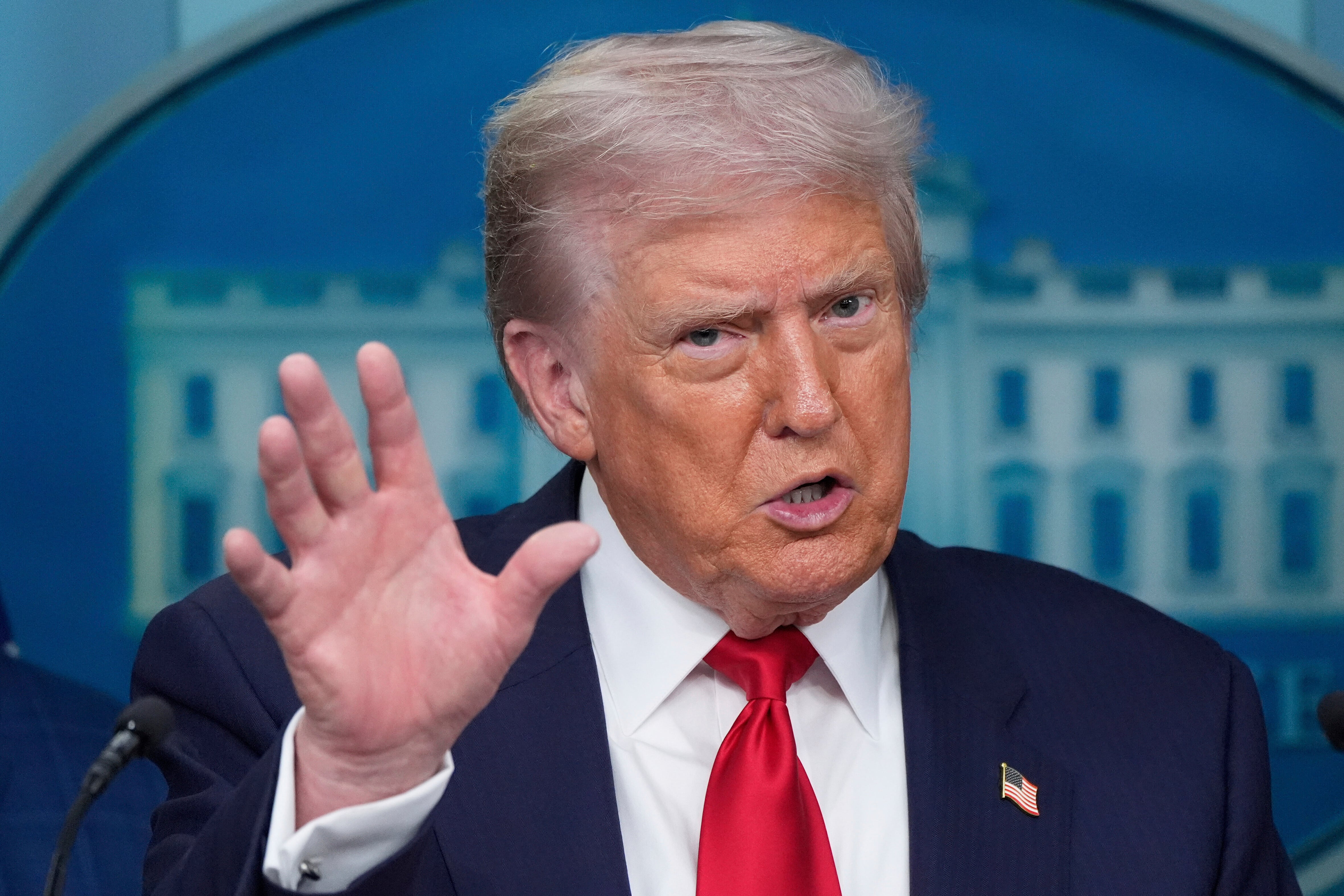
President Trump has asserted federal control over the city. This move follows an incident involving a former staffer. The president cited the need to restore order.
He has repeatedly characterized Washington D.C. as a “crime-ridden hellscape.” This narrative persists despite official data suggesting otherwise.
The mobilization of federal forces and the National Guard has been swift. Many are questioning the justification and the speed of these actions.
Echoes of the Past
The current situation has drawn comparisons to the Reichstag fire in 1933. This historical event is often cited as a key moment in Nazi Germany’s consolidation of power.
Following the fire, civil liberties were suspended. Emergency decrees were used to seize more control.
Some observers have described the recent events in D.C. as a “clown car version” of that historical precedent. The parallels, however, are being taken seriously by many.
Legal Loopholes and Presidential Power
Washington D.C.’s unique legal status has played a role. It is not a state, which gives the federal government more leverage.
The President can legally declare an emergency. This allows for temporary control of the city’s police force.
He has the ability to place the military on our streets. He has the ability to take over our police.
This broad authority has made challenging the president’s actions difficult. Many city officials have expressed doubt about legal recourse.
A National Vision?
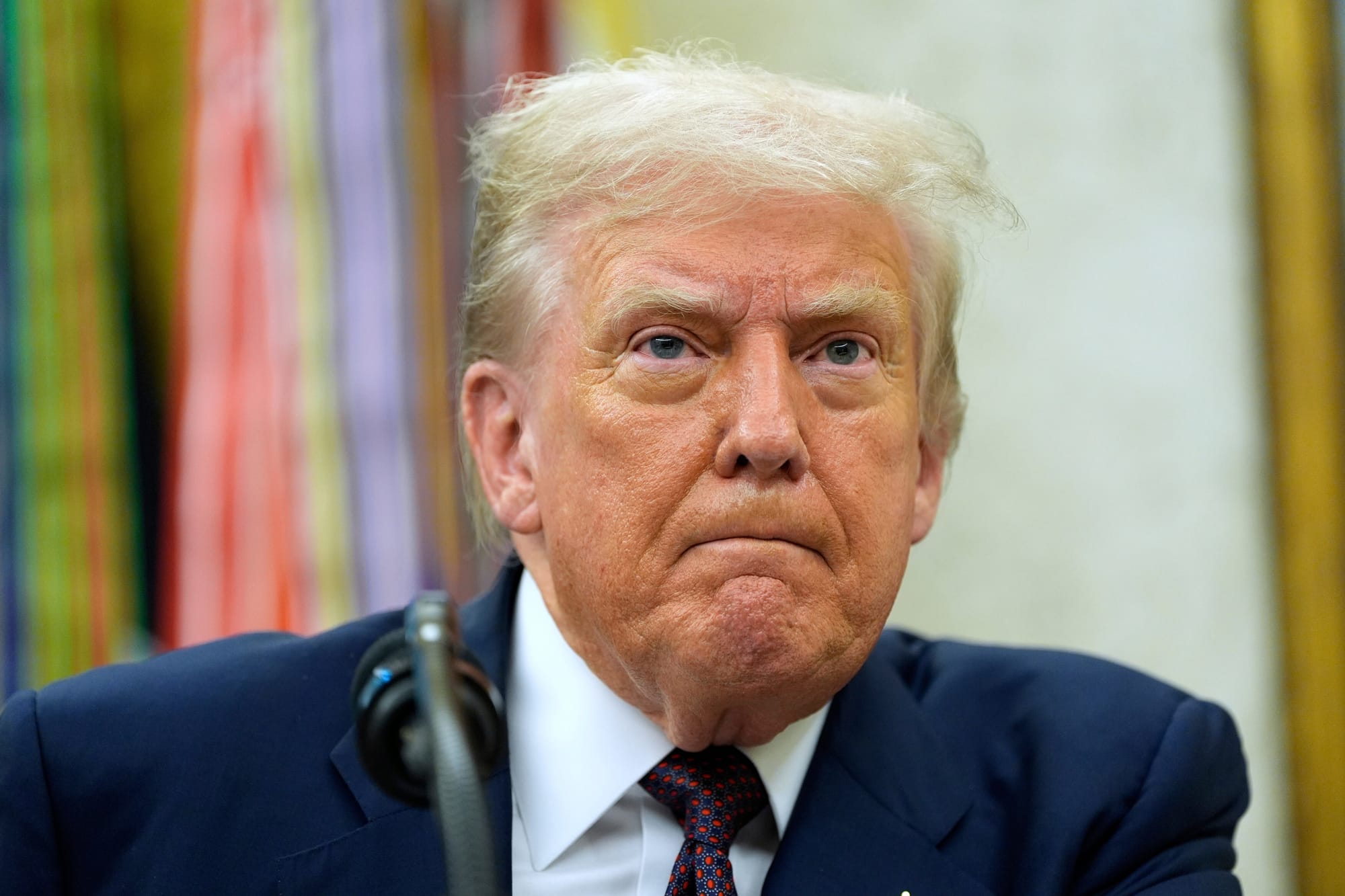
The actions in D.C. are being viewed by some as a test run. It could be a preview of a larger national strategy.
President Trump has often criticized cities led by Democrats. He has used strong language to describe their conditions.
His approach to D.C. is described as a “natural instinct as a real estate person.” He likens fixing the capital to redecorating the White House.
Targeting Vulnerable Communities
The president has also called for the immediate removal of unhoused people. He stated they would be moved “FAR from the Capital.”
This focus on specific populations raises alarms. Historically, marginalized groups are often the first to be targeted during periods of authoritarian consolidation.
Black and brown individuals, trans people, and those with mental health struggles are particularly vulnerable.
The Politics of Opposition
Arguments focusing solely on crime data are seen as insufficient. Real crime surges would not justify authoritarian overreach.
The core issue is the nature of the consolidation itself. Any power grab by the president must be met with resistance.
The focus should be on who is most threatened. Opposition must be organized and proactive.
Defending Our Communities
The article stresses the need for community defense. This is not a partisan issue.
It’s about refusing to scapegoat or abuse any group.
The call is to protect those targeted by the current administration. This includes offering support and building alternative infrastructure.
The takeaway is clear: watching and talking is not enough. Action is required to protect one another.