Portuguese Seafood Cataplana

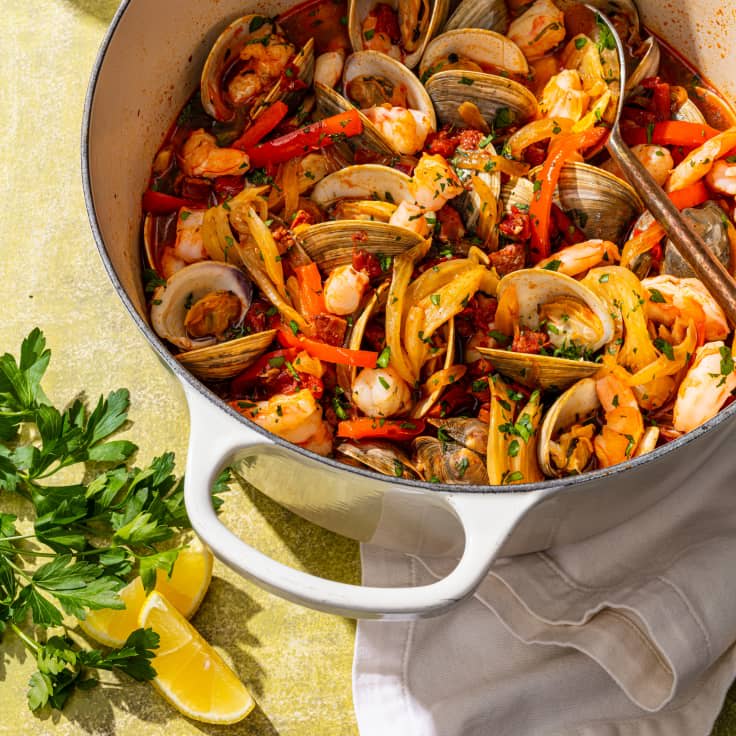
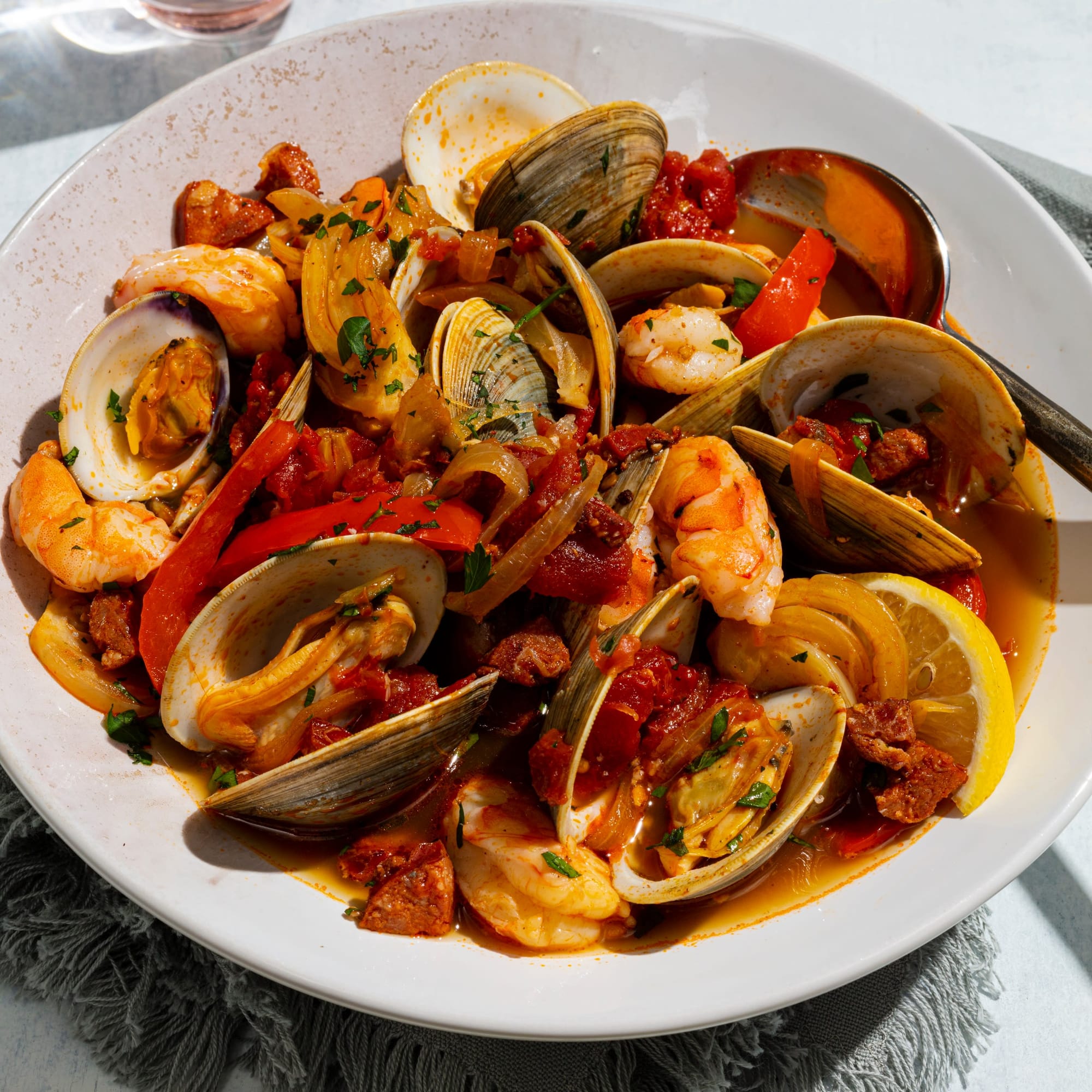
Get ready to transport your kitchen straight to the Portuguese coast!
This isn’t just dinner – it’s a full-blown seafood celebration that’ll have your neighbors mysteriously appearing at your door around dinnertime.
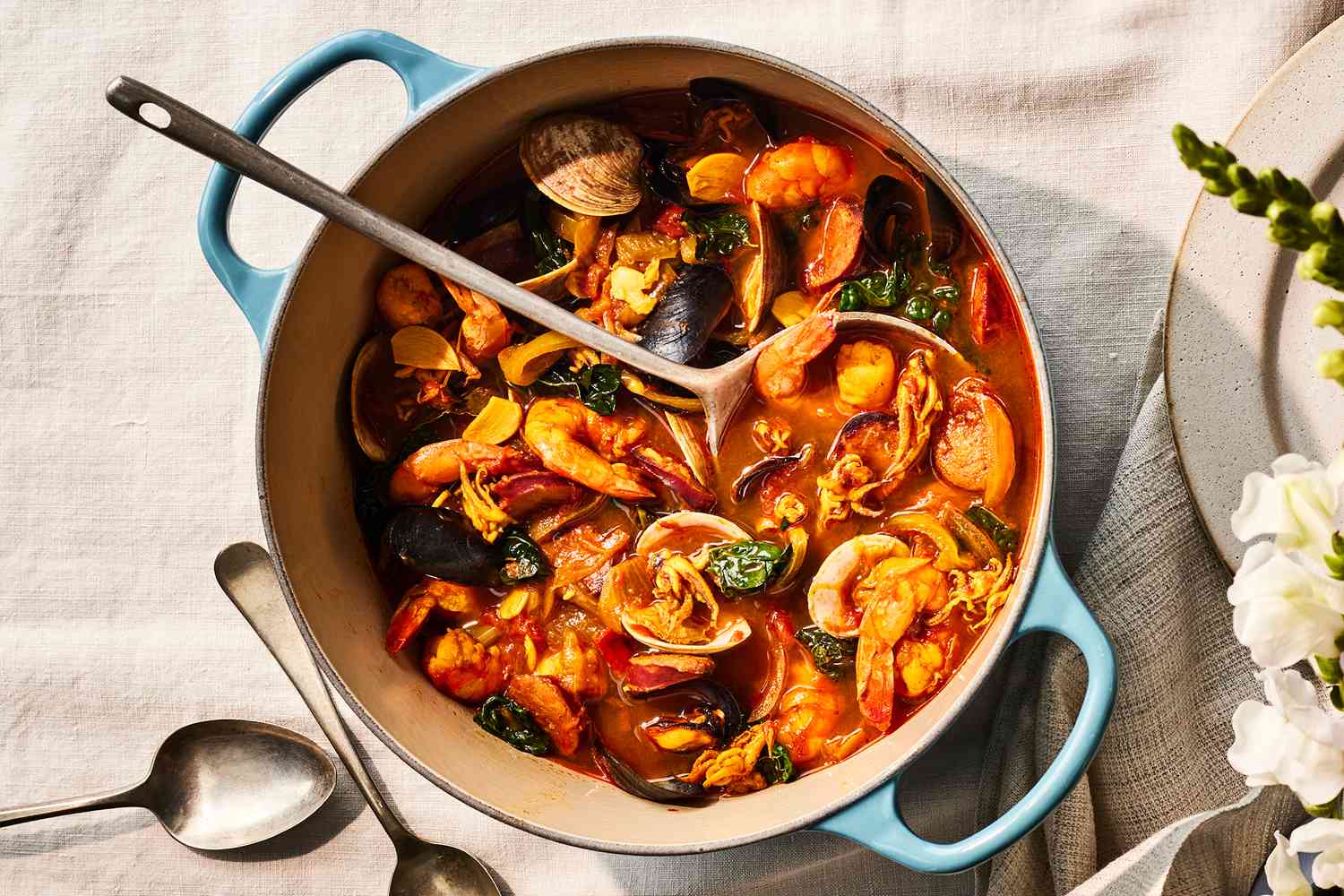
The traditional cataplana pan creates the most incredible steam-cooking magic, but don’t worry if you don’t have one – we’ve got you covered.
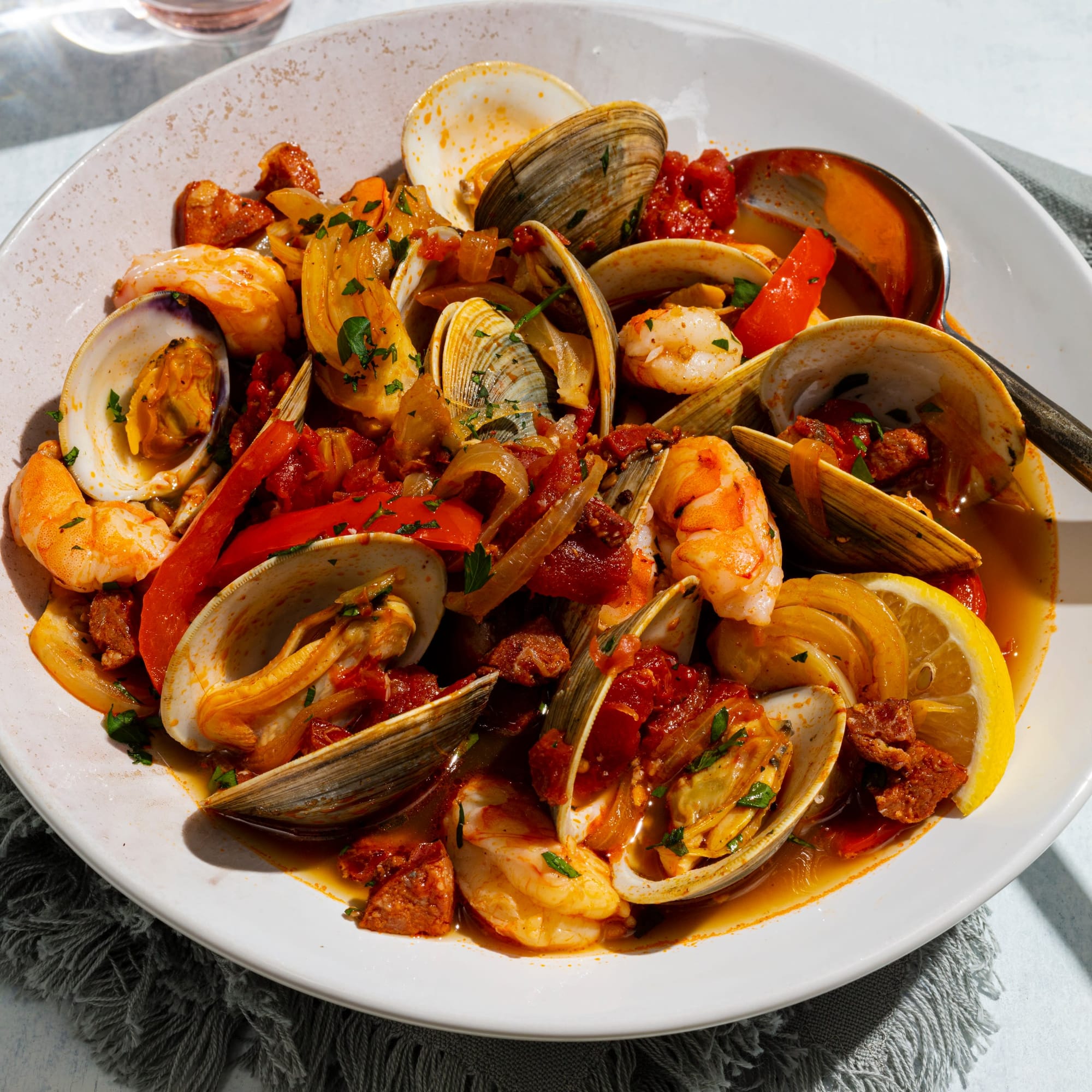
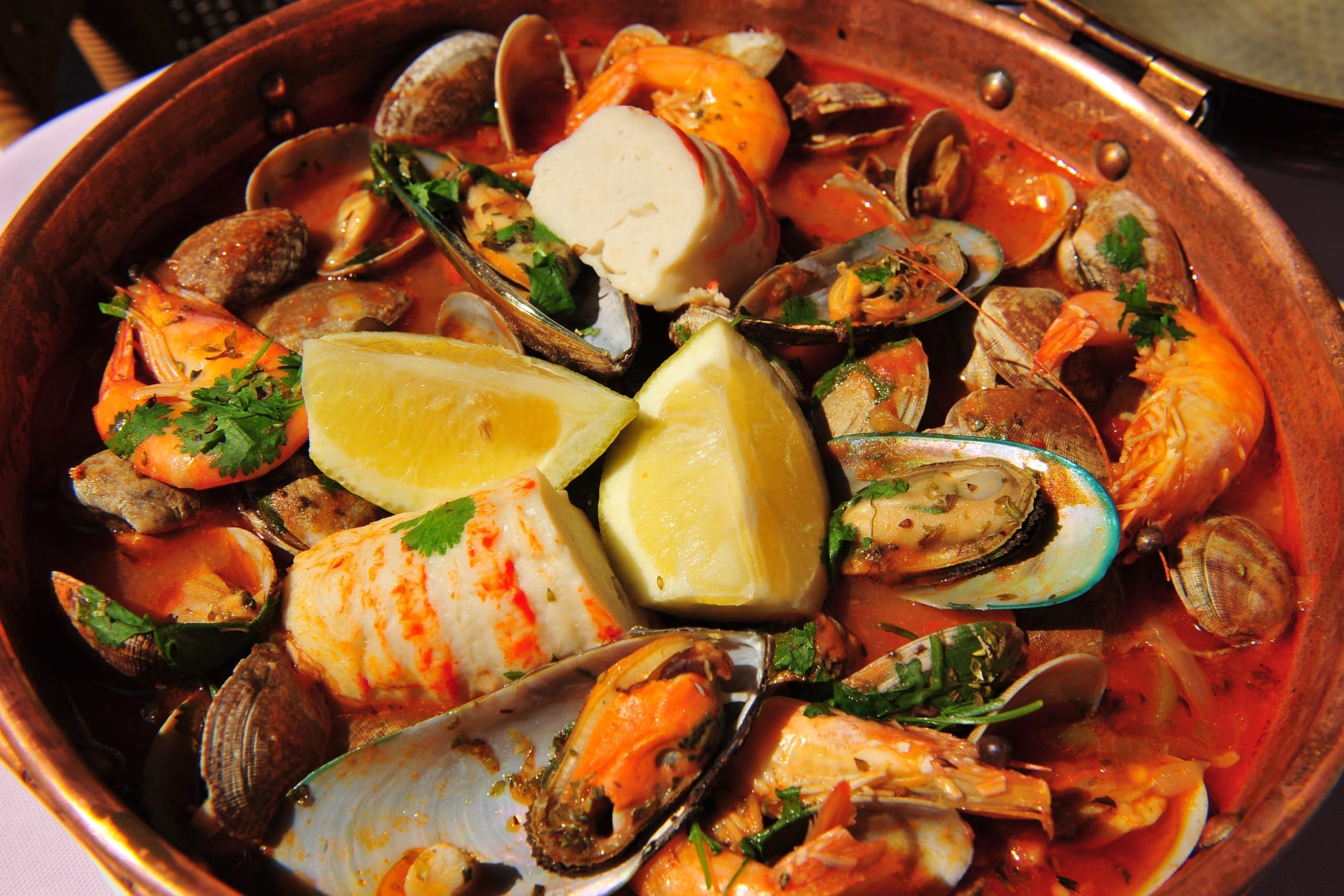
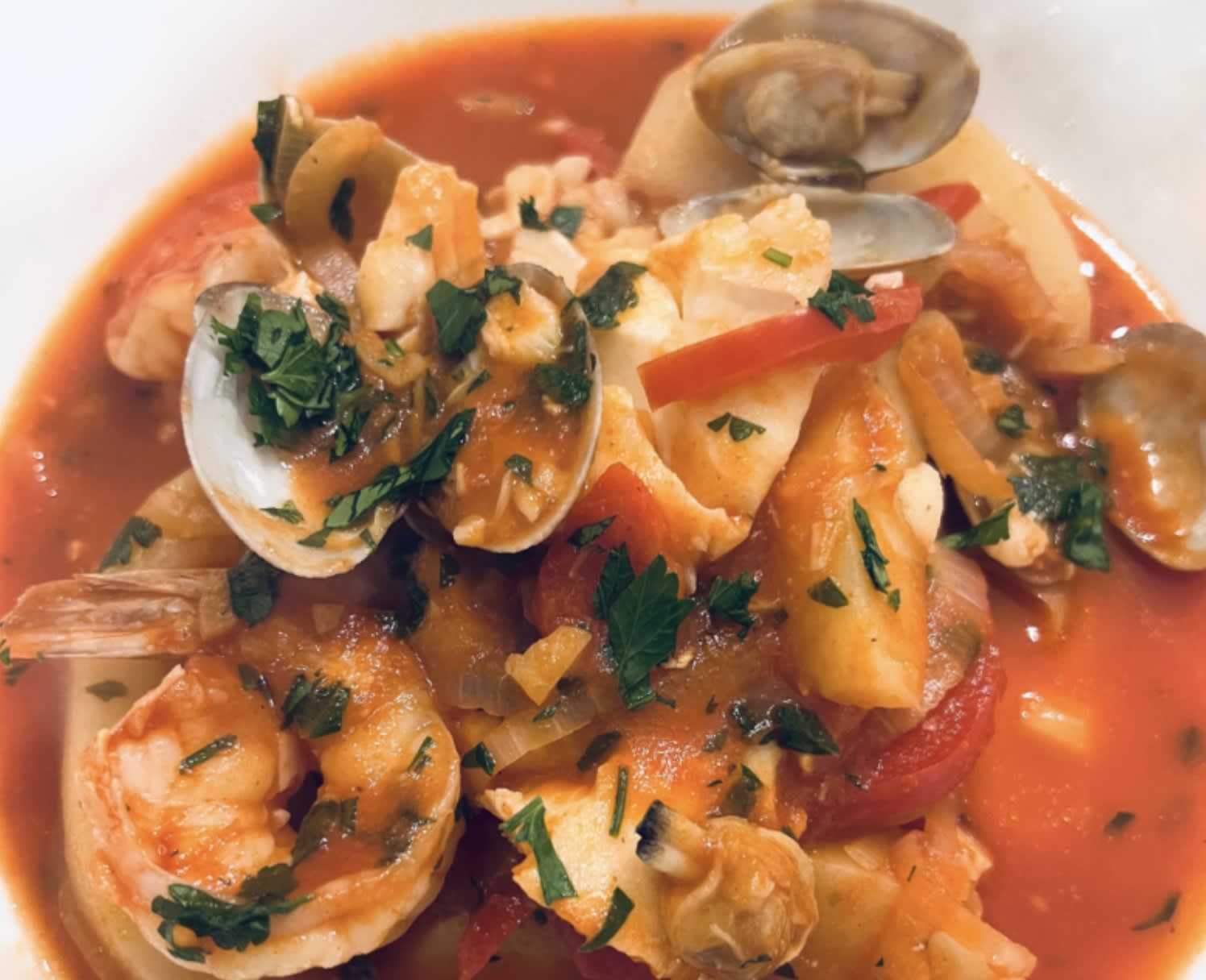
Picture this: lobster, clams, mussels, prawns, and the freshest fish all mingling together in a rich, aromatic sauce that’s been building flavor for hours. The secret?
That homemade lobster sauce that transforms ordinary seafood into something absolutely extraordinary.
Every spoonful delivers layers of ocean-fresh taste with hints of brandy and fresh coriander that’ll make you close your eyes and sigh with satisfaction.
Ingredients
For the Lobster Sauce:
- 2 lobster heads and shells
- 100 ml olive oil
- 1 onion
- 2 garlic cloves
- 1 carrot
- Salt to taste
- 1 bay leaf
- 1 tsp black peppercorns
- 1 ripe tomato
- 50 ml brandy
- 2 liters water
For the Seafood Cataplana:
- 2 onions, peeled
- 3 cloves garlic
- 1 green pepper
- 1 red pepper
- 30 ml olive oil
- 20 ml white wine
- 440 g ripe tomatoes (or one can good quality tinned)
- Salt to taste
- 1 bay leaf
- 150 ml lobster sauce
- 2 lobster tails, chopped into chunks and salted well
- 200 g clams
- 200 g mussels
- 200 g tiger prawns, peeled
- 200 g langoustines
- 200 g monkfish, chopped into chunks and salted well
- 200 g grouper, chopped into chunks and salted well
- 4 tbsp coriander, finely chopped
Steps
Prep Time: 20 minutes | Cook Time: 40 minutes | Total Time: 1 hour
For the Lobster Sauce:
- Cut the lobster heads and shells into small pieces using kitchen shears or a heavy knife – aim for 1-2 inch pieces to maximize surface area for flavor extraction. Heat the olive oil in a large, heavy-bottomed pot over medium-high heat and fry the shell pieces for 5-7 minutes until they turn bright red and start to smell intensely aromatic.
- Add the chopped onion, garlic, and carrot to the pot along with the bay leaf and black peppercorns. Let everything braise together for 8-10 minutes, stirring occasionally, until the vegetables are softened and golden. You’ll know it’s ready when the onions are translucent and the mixture smells deeply savory.
- Add the chopped tomato and cook for 3-4 minutes until the juices reduce and the tomato breaks down completely. This concentrates the flavors and creates the base for your sauce.
- Pour in the brandy carefully (it may splatter) and let it reduce for 2-3 minutes until the alcohol smell dissipates and the liquid reduces by half. This step is crucial for removing the harsh alcohol taste while keeping the rich brandy flavor.
- Add the 2 liters of water and season generously with salt. Bring to a boil, then reduce to a gentle simmer and cook for 25-30 minutes until the liquid reduces to about two-thirds of its original volume. The sauce should taste rich and oceanic.
- Season to taste with additional salt if needed, then strain the sauce through a fine-mesh sieve, pressing the solids to extract maximum flavor. Discard the shells and vegetables – you should have about 150 ml of intensely flavored lobster sauce.
For the Seafood Cataplana:
- Cut the onions, garlic, and both peppers into thin, uniform slices – about ¼ inch thick works perfectly. This ensures even cooking and prevents any pieces from burning while others remain raw.
- Pour the olive oil into the bottom of your cataplana pan (or a large, heavy-bottomed pot with a tight-fitting lid). Heat over medium heat for 1-2 minutes until the oil shimmers but doesn’t smoke.
- Add the sliced vegetables and braise for 8-10 minutes, stirring occasionally, until they’re softened and lightly caramelized. The onions should be translucent and the peppers should have lost their raw crunch.
- Once the vegetables are properly braised, add the white wine and let it bubble for 2 minutes to cook off the alcohol. The wine adds acidity that balances the rich seafood flavors.
- Stir in the lobster sauce, tomatoes, and half of the chopped coriander. Season with salt and bay leaf, then let the mixture stew for 5-7 minutes until the sauce thickens slightly and the flavors meld together beautifully.
- Once the sauce has reduced to a nice consistency (it should coat the back of a spoon), add the fish chunks, prawns, clams, and about half of the mussels. Mix everything gently but thoroughly to coat the seafood with the sauce.
- Here’s the artistic touch: pinch the tiger prawns in half and stand them upright in the center of the pan like little soldiers. Arrange the remaining seafood (langoustines, remaining mussels, and lobster chunks) around them in an attractive pattern. This creates both visual appeal and ensures even cooking.
- Close the cataplana pan (or cover tightly with your lid) and cook for 15 minutes over medium heat. Check the seasoning and doneness halfway through – the shellfish should be opening and the fish should be flaking easily when tested with a fork.
- Once everything is cooked through (all shells should be open – discard any that remain closed), remove from heat and scatter the remaining fresh coriander over the top before serving immediately while still steaming hot.
Smart Swaps
- Fish stock instead of lobster sauce (1:1 ratio) – still delicious but less intensive prep
- Large shrimp instead of langoustines – easier to find and more budget-friendly
- Heavy-bottomed Dutch oven instead of cataplana pan – works perfectly with tight-fitting lid
Make It Diabetes-Friendly
- Reduce tomatoes to 300g (saves 8g carbs per serving)
- Skip the brandy in lobster sauce (saves 2g carbs per serving)
- Serve with cauliflower rice instead of bread (saves 25g carbs per serving)
- Total carbs per serving: approximately 12g (down from 22g)
- Pair with a small green salad to add fiber and slow glucose absorption
- Portion size: aim for 1.5 cups to keep carbs under 15g per serving
Pro Tips
- Salt your fish chunks 30 minutes before cooking – draws out moisture for better texture
- Don’t skip straining the lobster sauce – shell fragments will ruin the experience
- Keep shellfish on ice until the last minute – prevents overcooking
- If using frozen seafood, thaw completely and pat dry to avoid watery sauce