Pesto Pasta
I’ve included some videos I found relevant and helpful. 😍
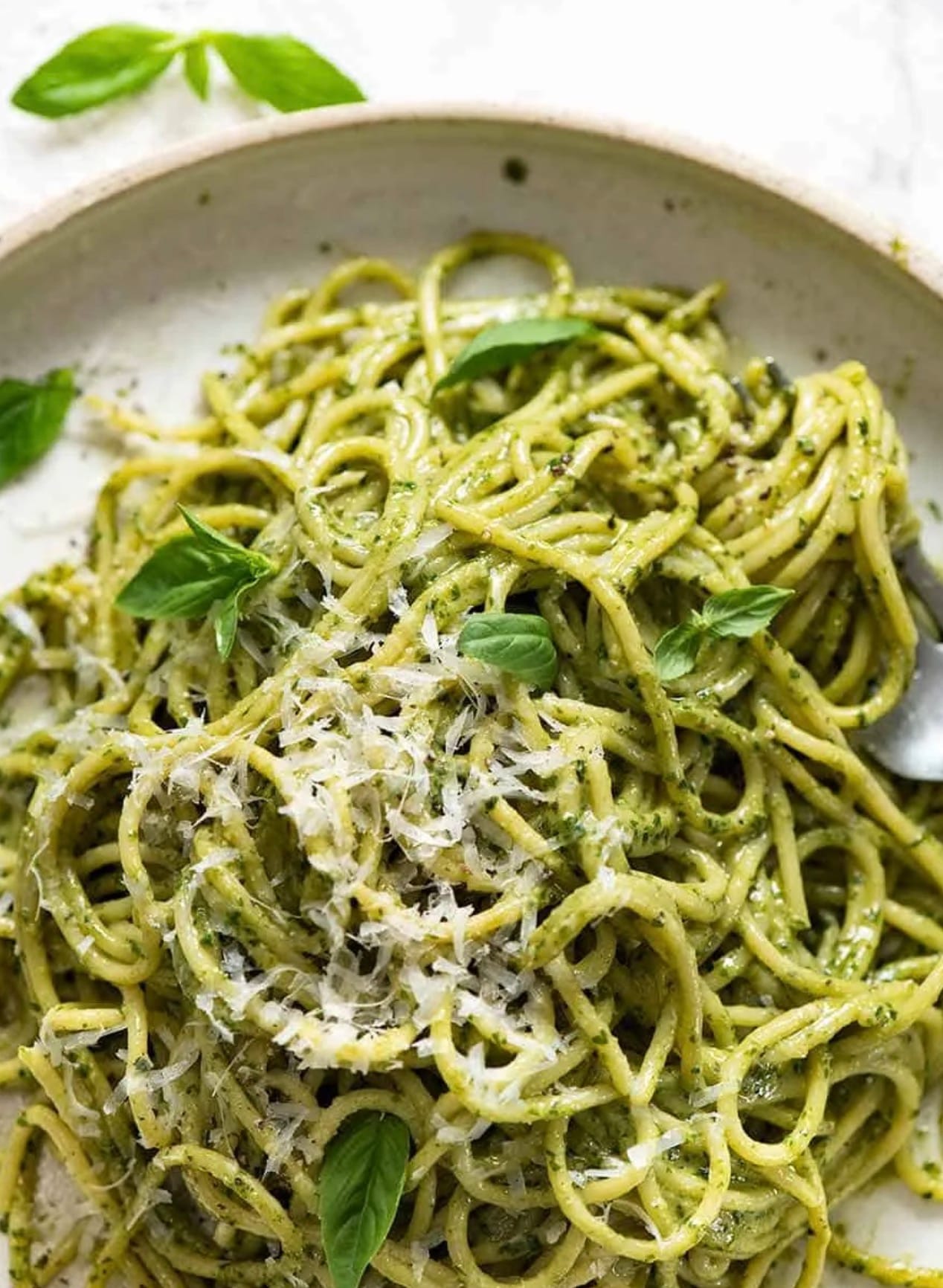
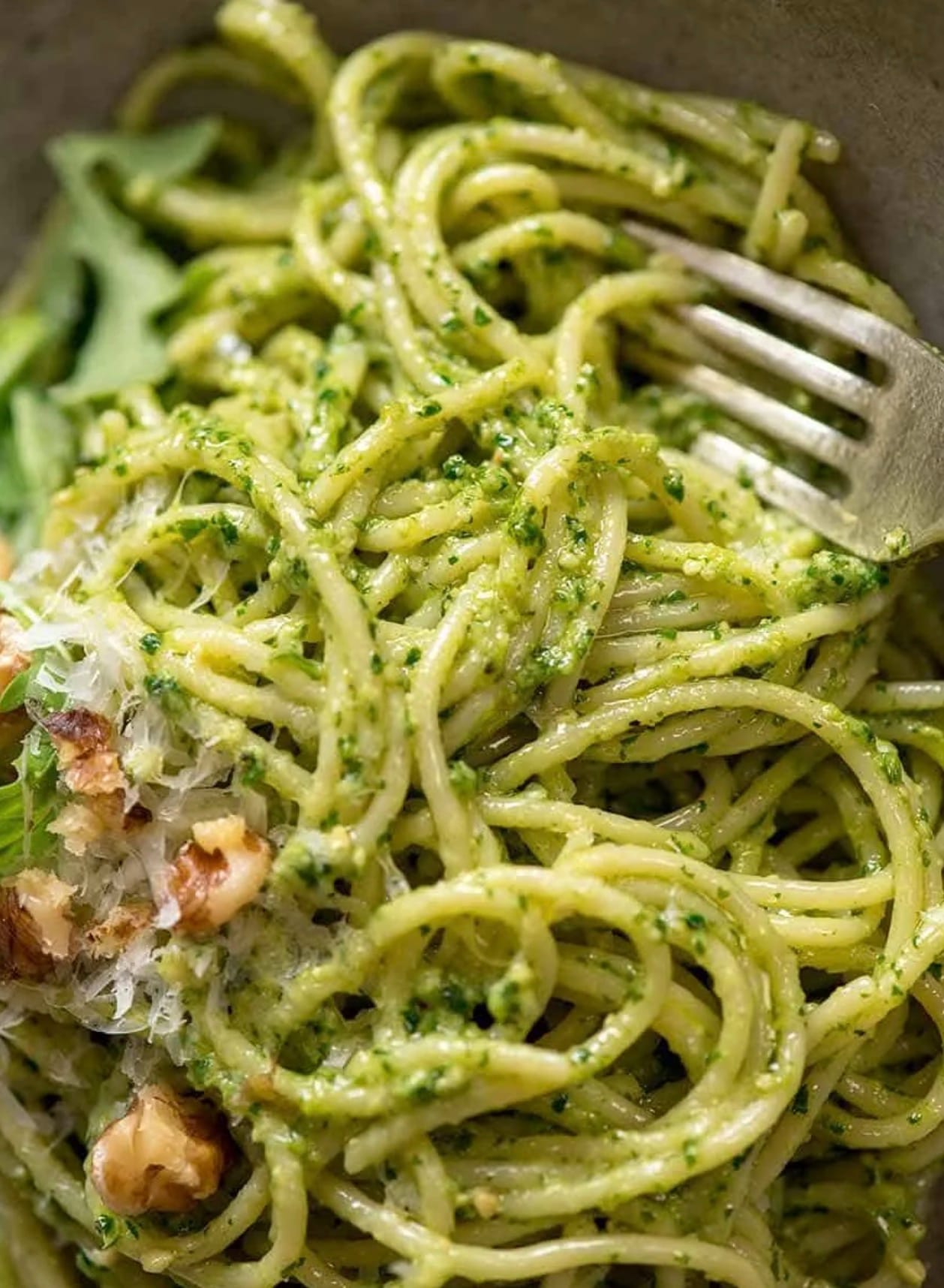
Pesto pasta is a quick and tasty meal that brings the flavors of Italy to your table. This dish combines al dente pasta with a rich, herbaceous pesto sauce for a satisfying dinner option. The key to perfect pesto pasta is using just the right amount of pasta cooking water to create a silky, saucy texture that clings to every bite.
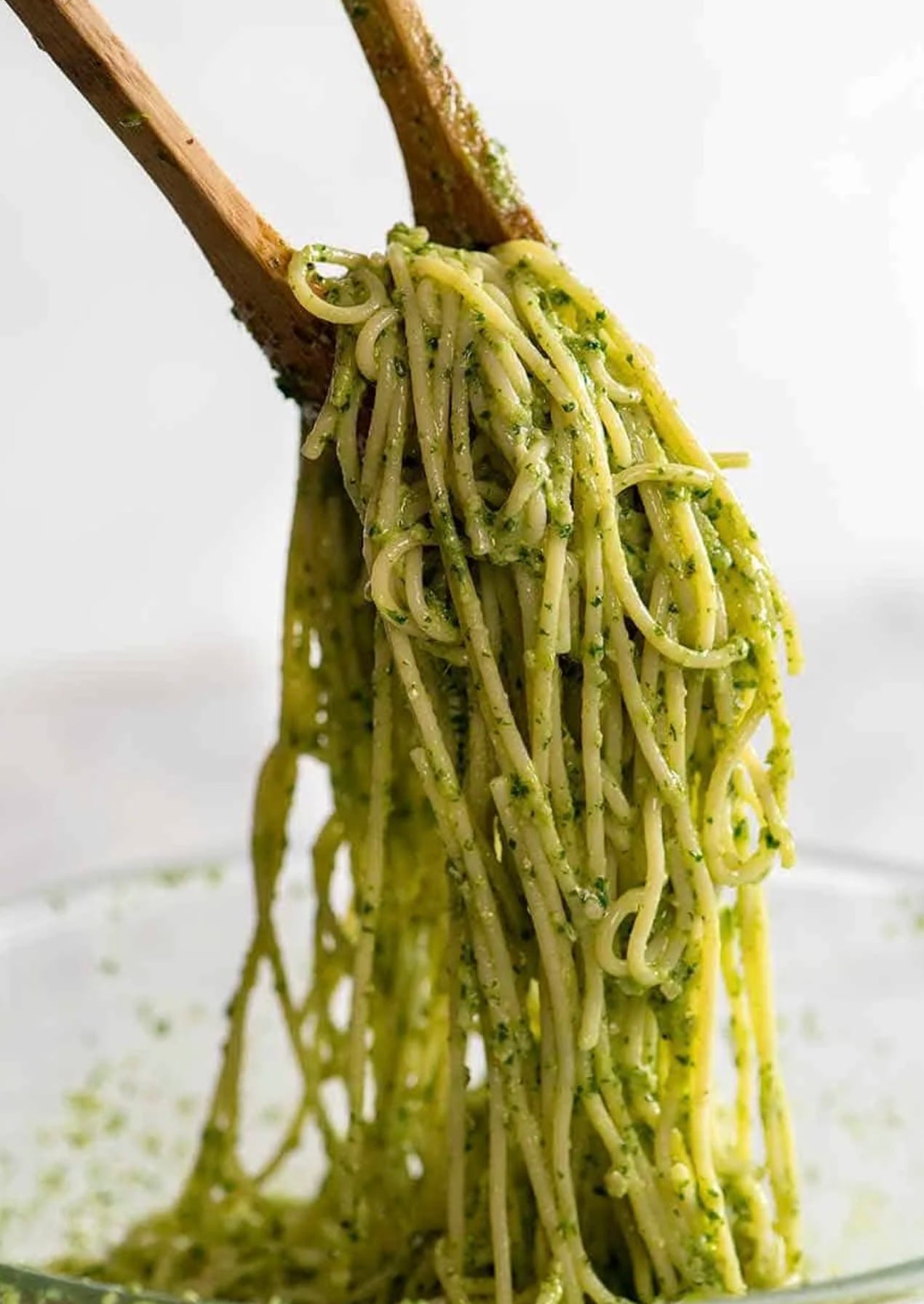
The recipe calls for homemade pesto, but store-bought works in a pinch. For the pasta, ziti, penne, or spaghetti are great choices that pair well with the sauce. The cooking process is simple – boil the pasta, save some cooking water, and toss everything together in a bowl. A sprinkle of fresh Parmesan cheese on top adds the perfect finishing touch to this classic Italian dish.
Exact Ingredients List
Here’s what you’ll need to make delicious pesto pasta:
- 1 batch homemade pesto (about 1 cup)
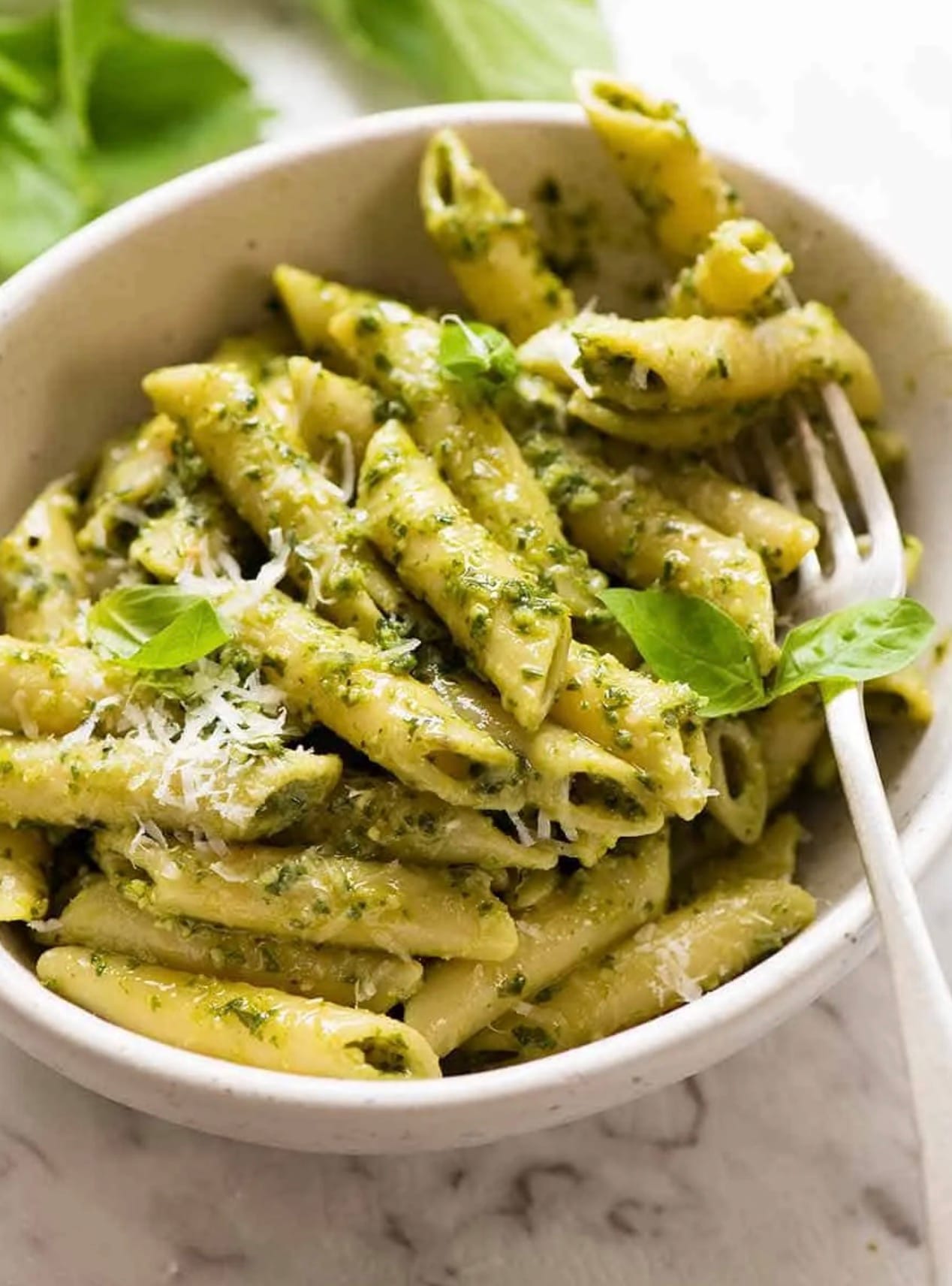
- 300-350g (10-12 oz) pasta (ziti, penne, or spaghetti work great)
- 2 teaspoons salt
- 3/4 cup pasta cooking water
- Grated Parmesan cheese for serving
The homemade pesto typically includes:
- 2 cups fresh basil leaves
- 1/2 cup grated Parmesan
- 1/3 cup pine nuts
- 2 garlic cloves
- 1/2 cup olive oil
- Salt and pepper to taste
Having these simple ingredients on hand makes it easy to whip up a tasty pesto pasta dinner. The pasta cooking water helps create a silky sauce that clings to the noodles.
Instructions
Fill a big pot with water and add 2 teaspoons of salt. Bring it to a boil over high heat.
Add 300-350 grams of your chosen pasta to the boiling water. Cook it for the time stated on the package.
Before draining, save 1 cup of the pasta water. This will help make the sauce creamy later.
Drain the pasta in a colander. Let it sit for a minute to remove excess water.
Put the pasta in a bowl, not the hot cooking pot. This prevents overcooking.
Add your homemade pesto and 1/4 cup of the saved pasta water to the bowl. Mix well to coat the pasta.
If the pasta looks dry, add more pasta water bit by bit. The goal is a silky, saucy texture.
Give it a taste. Add salt and pepper if needed.
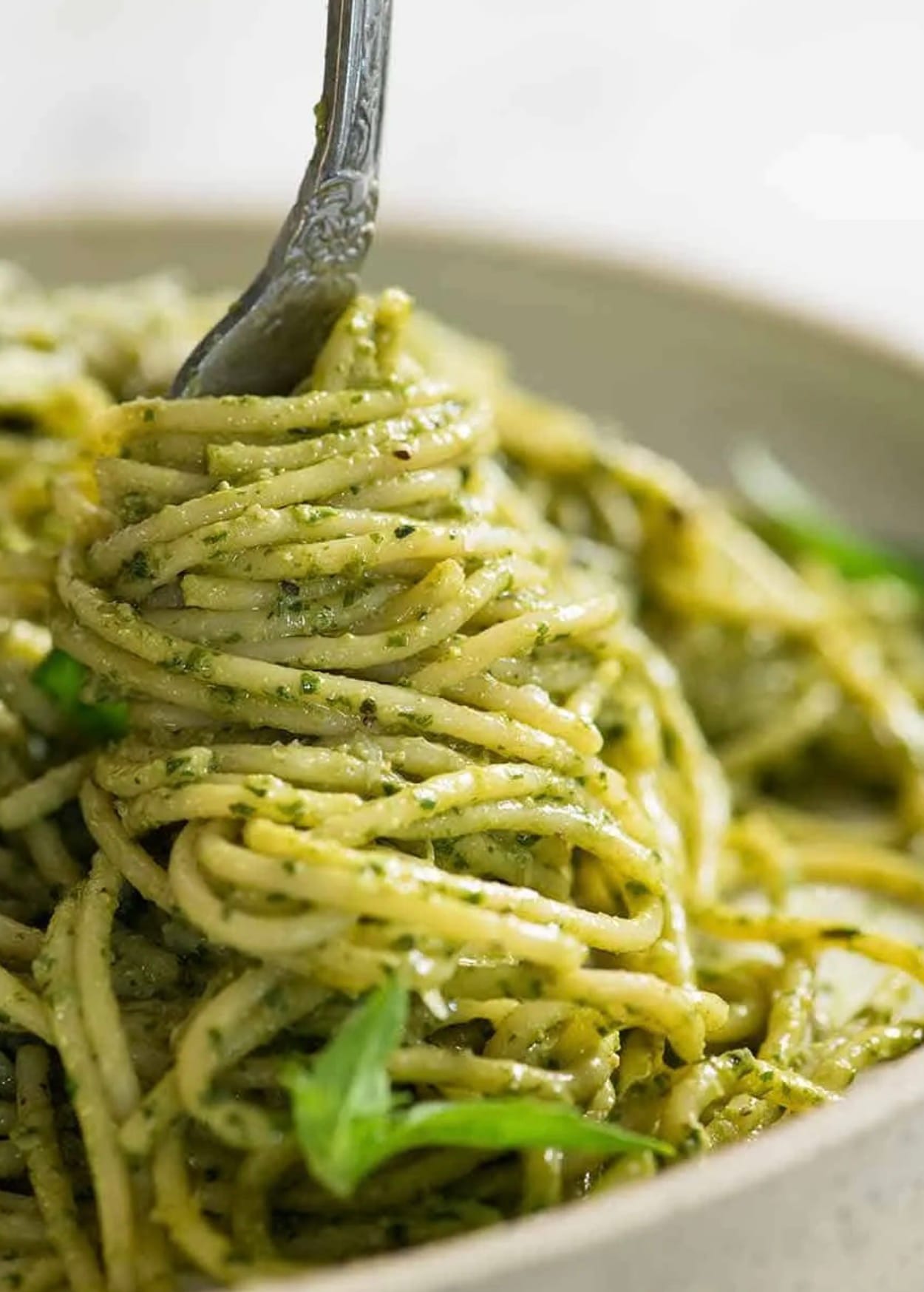
Serve right away. Top with fresh grated Parmesan cheese for extra flavor.
Possible Substitutes List
If you don’t have pesto on hand, there are several tasty alternatives you can use in this pasta dish. Here are some options:
- Avocado sauce – Blend ripe avocado with garlic, olive oil, and herbs
- Olive oil and garlic – Mix minced garlic into good quality olive oil
- Sun-dried tomato spread – Puree sun-dried tomatoes with olive oil and herbs
- Cilantro sauce – Blend cilantro, garlic, olive oil, and lemon juice
- Nut butter sauce – Thin out almond or cashew butter with olive oil and seasonings
These substitutes can mimic the creamy texture and bold flavors of pesto. Just mix your chosen alternative with the hot pasta and some pasta water, following the same steps as the original recipe.
For the parmesan topping, try nutritional yeast or toasted breadcrumbs instead. They’ll add a nice savory flavor and some crunch to finish the dish.
Remember to taste and adjust seasonings as needed with your substitute sauce. You may want to add extra salt, pepper, or lemon juice to boost the flavors.
How To Make It Diabetes-Friendly
To make pesto pasta more diabetes-friendly, try these simple changes:
Use whole grain pasta instead of regular pasta. Whole grain options have more fiber and can help control blood sugar.
Cut the pasta amount by half and add more veggies. Mix in roasted zucchini, bell peppers, or broccoli for extra nutrients and fiber.
Make a lighter pesto by using less oil and more herbs. Add some spinach to the basil for extra nutrients without changing the flavor much.
Skip the salt when cooking the pasta. Use herbs and spices for flavor instead.
Go easy on the Parmesan cheese. Use a small amount for flavor or try nutritional yeast as a lower-fat option.
Control portion sizes. Stick to about 1 cup of the finished dish per serving.
Pair the pasta with a lean protein like grilled chicken or fish to balance the meal.
By making these tweaks, you can enjoy a tasty pesto pasta dish while keeping your blood sugar in check. Remember to test your blood sugar after eating to see how this meal affects you.
Tips, Tricks & Storing
For the best pesto pasta, use fresh ingredients. High-quality olive oil helps preserve flavor. Choose ziti, penne, or spaghetti – their shapes hold the sauce well.
Save some pasta water before draining. This starchy liquid helps the pesto stick to the pasta. Add it slowly while tossing to get the right consistency.
Don’t overheat pesto. Toss it with hot pasta in a bowl, not the cooking pot. This keeps the basil bright and flavorful.
Leftovers? Store pesto pasta in an airtight container in the fridge. It will stay good for 3-5 days.
To keep homemade pesto fresh longer, pour a thin layer of olive oil on top before refrigerating. This stops it from turning brown.
Freeze extra pesto in ice cube trays. Once frozen, transfer to a freezer bag. Thaw cubes as needed for quick meals.
For extra flavor, try toasting the pine nuts before making pesto. It brings out their nutty taste.