Perfect Standing Rib Roast
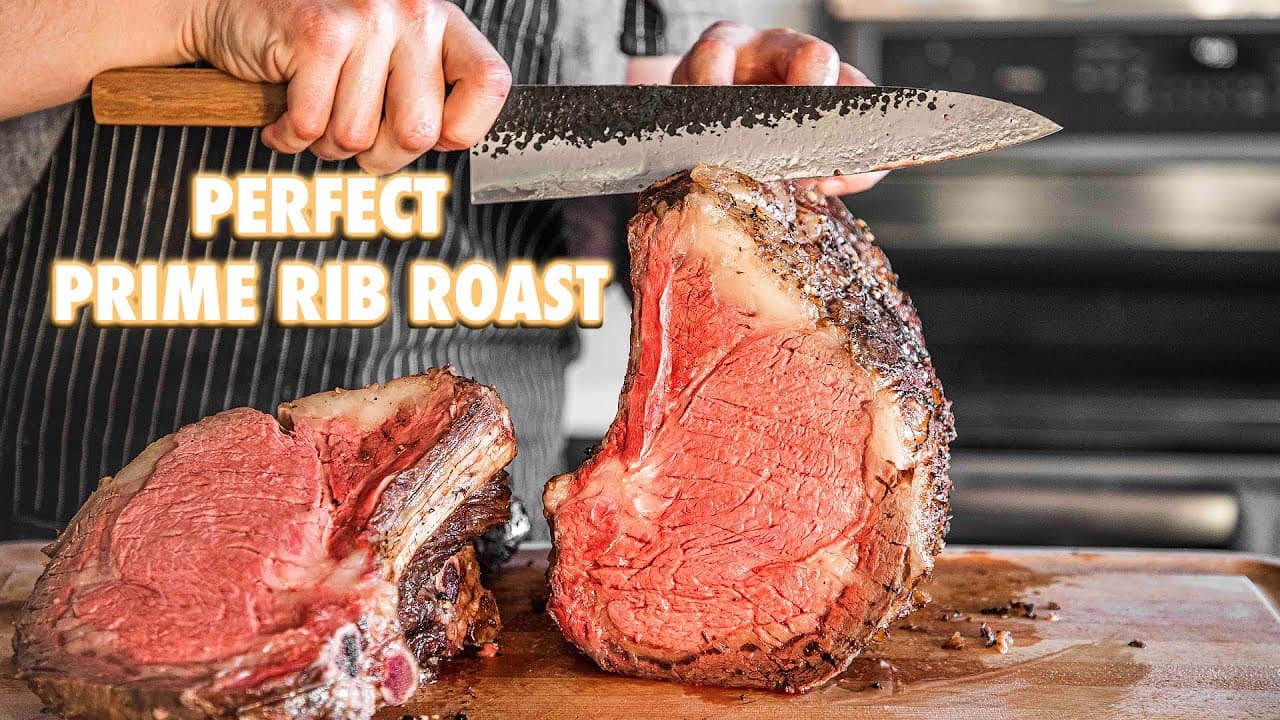
Ready to impress your family and friends with a mouthwatering standing rib roast?
This guide will walk you through every step of the process, ensuring your holiday dinner is a hit!
Whether you’re a seasoned chef or a kitchen novice, this recipe is approachable and yields delicious results.
Let’s dive in!
Ingredients
- 1 standing rib roast (bone-in preferred for flavor)
- Coarse kosher salt (about ¾ teaspoon per pound)
- Fresh rosemary (2 sprigs, finely chopped)
- Fresh thyme (1 big bundle)
- 2 whole garlic bulbs (cut in half)
- Fresh bay leaves (a few leaves)
- Olive oil (for drizzling)
- Whole grain mustard (for rub)
- Lemon peel (from one lemon)
Step 1: Choosing Your Rib Roast
Start by selecting a high-quality rib roast. Look for a well-marbled cut, preferably USDA prime.

Ensure the roast still has the bone in it. The bone provides insulation and serves as a natural roasting rack.

And remember, don’t trim the fat off your roast! That fat is essential for flavor and moisture.

Step 2: Seasoning the Beef
Season your rib roast generously with coarse kosher salt. Aim for about ¾ teaspoon per pound.

Rub the salt all over the roast, ensuring even coverage. This is where the flavor starts!

Place the seasoned roast on a wire rack in a baking tray. Optionally, tie the roast between each bone for a more uniform shape.

Refrigerate it uncovered for 12 to 48 hours. This allows the salt to penetrate and helps maintain moisture during cooking.

Step 3: Preparing for Roasting Day
On roasting day, take the roast out of the fridge 2 to 3 hours before cooking. This helps it come to room temperature.

Prepare a bed of herbs in your roasting tray: layer rosemary, thyme, halved garlic bulbs, bay leaves, and lemon peel.

Drizzle the herbs lightly with olive oil to prevent them from drying out during cooking.

Step 4: The Roasting Techniques
There are two methods to roast your rib: the traditional high-heat method and the reverse sear method. We’ll focus on the reverse sear for the best results.

For the reverse sear, preheat your oven to 250°F (120°C). While it heats, mix chopped rosemary, garlic, mustard, and olive oil to create a rub.

Rub the mixture all over the roast, ensuring it’s well coated.

Place the roast in the preheated oven until it reaches an internal temperature of 118°F (47°C), about 1.5 to 2 hours.

Step 5: The Final Browning
Once the roast reaches 118°F, remove it from the oven and let it rest for at least 30 minutes.

Increase the oven temperature to 500°F (260°C). This high heat will create a beautiful crust.

Pop the roast back in the oven for 10 to 15 minutes until it’s beautifully browned.

After browning, remove the roast and let it rest again for at least 20-30 minutes before carving.

Step 6: Carving and Serving
When ready to carve, remove the bones if desired, and slice the roast into even portions.

Serve with your favorite sides and sauces, like chimichurri or gravy, to complement the rich flavors of the beef.

Enjoy the fruits of your labor with family and friends! This dish is sure to be a showstopper at your holiday table.

Happy cooking, and may your standing rib roast be the star of the show!