Party in Crisis? Survey Reveals Stunning Number of Democrats Want Leaders OUT
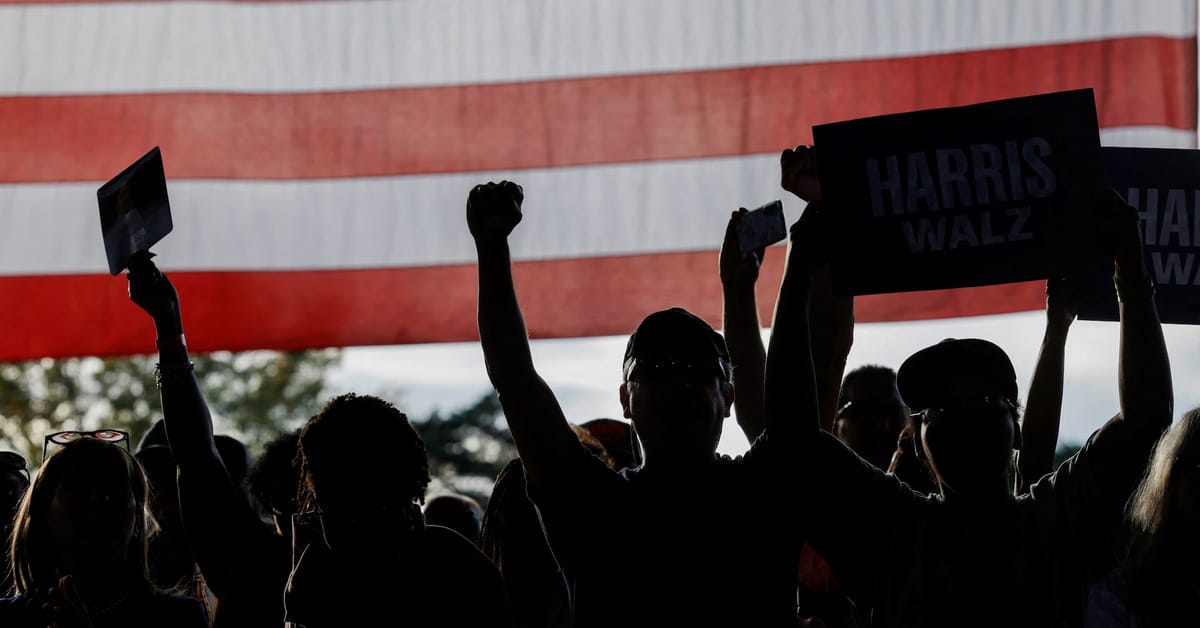
Recent findings reveal a significant rift within the Democratic party.
Many self-identified Democrats are questioning the direction and leadership guiding their political future.
Trouble After 2024 Losses
Following the 2024 November elections, where Democrats did not fare as hoped, the party has reportedly struggled to find its footing.
Reports indicate difficulties in pinpointing the reasons for losses and building a cohesive message moving forward.
The Democratic National Committee (DNC) itself has faced reports of internal turmoil, adding to the uncertainty.
Shake-ups and Resignations
Signs of this internal strife have appeared publicly.
Recently, a prominent head of a powerful teachers union resigned from party leadership.
This followed former DNC Vice Chair David Hogg’s announcement that he would not seek re-election in a redo race.
Speculation and concern have also been raised regarding the leadership of DNC Chair Ken Martin.
Divides on Key Issues
The divisions aren’t limited to party committees; they also surface on Capitol Hill.
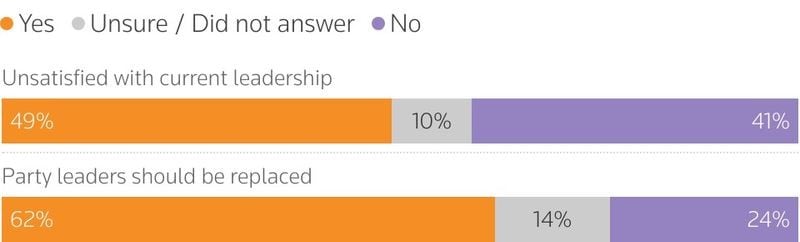
Messaging on sensitive topics like transgender rights has reportedly caused friction.
Democrats also face the challenge of crafting an effective strategy to counter President Trump’s ongoing political influence and message.
Rep. Sarah McBride (D-Del.), a barrier-breaking member of Congress, recently called for greater space for disagreement within the party on trans rights, urging for the inclusion of “imperfect allies.”

Different wings of the party have also clashed over legislative strategy.
Senate Minority Leader Chuck Schumer (D-N.Y.) faced notable criticism from some members of his own base earlier this spring.
His vote to advance a GOP funding bill drew sharp public remarks.
“There is a deep sense of outrage and betrayal,” Rep. Alexandria Ocasio-Cortez (D-N.Y.) stated at the time regarding Schumer’s decision.
What the Survey Reveals
Amidst this backdrop of internal challenges, a recent survey sheds light on voter sentiment.
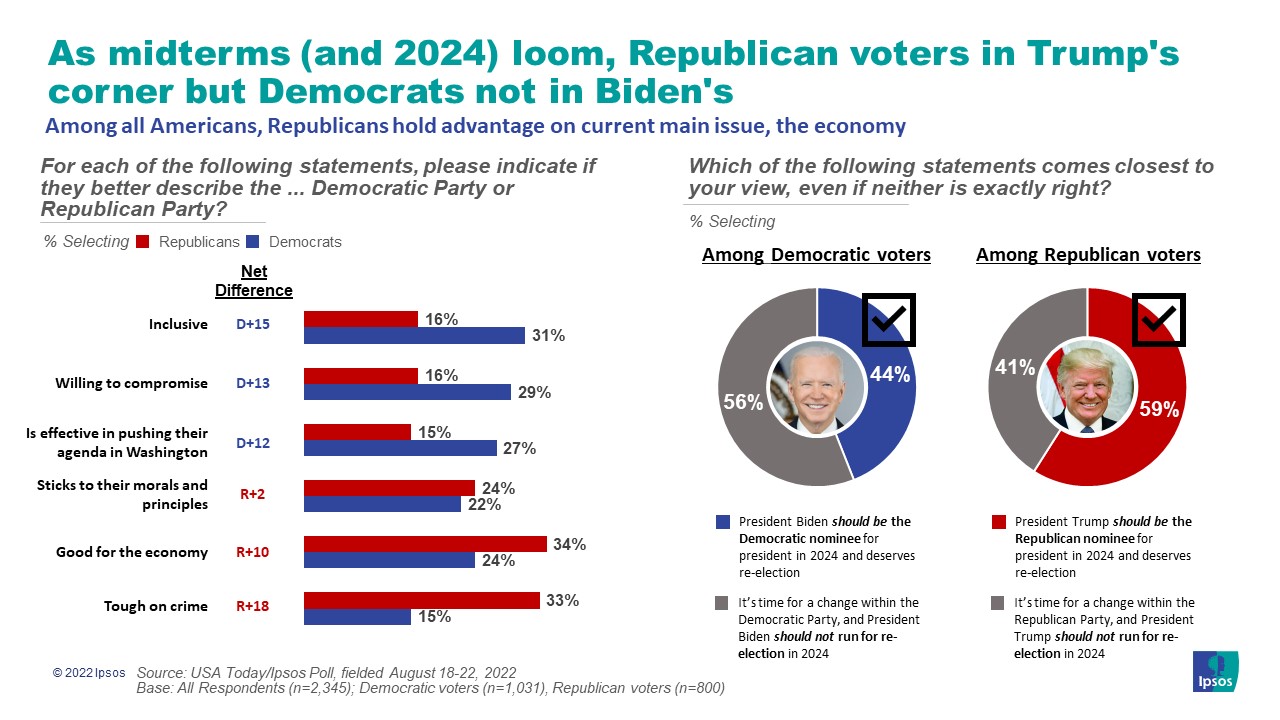
The Reuters/Ipsos survey, conducted June 11-16, polled a significant number of self-identified Democrats.
The results indicate a strong desire for change at the top.
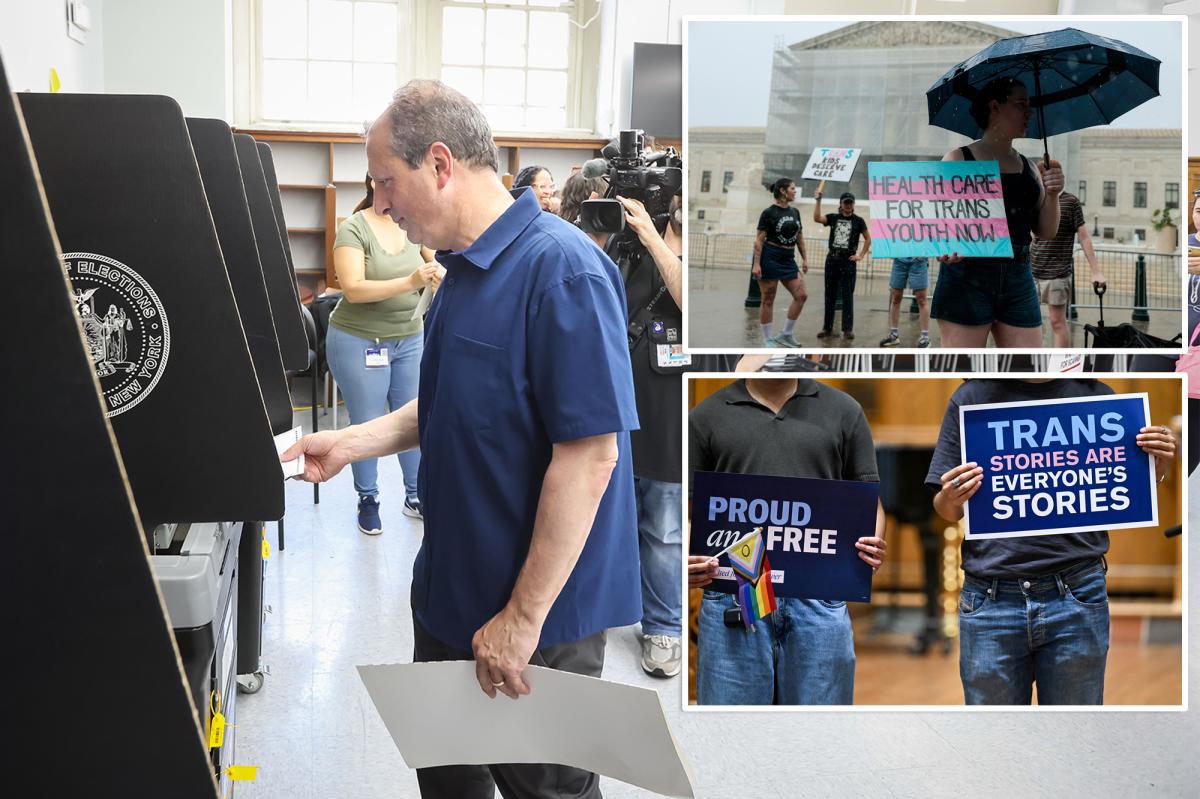
Shockingly, about 62 percent of Democrats surveyed agreed with the idea that party leadership should be replaced.
Only 24 percent did not support the idea, with 14 percent unsure or offering no response.
The survey also found that nearly half of Democrats – 49 percent – reported being unhappy with the current leaders.
41 percent expressed support for the party’s current leadership, with 10 percent unsure.
The Reuters/Ipsos survey included a total of 4,258 people, with 1,293 self-identified Democrats, and reported a margin of error of 3 percentage points.
The findings underscore the significant hurdles the Democratic party faces in unifying its base and charting a clear path forward after recent electoral setbacks and amidst ongoing internal disagreements.
Whether this widespread desire for leadership change translates into tangible shifts remains to be seen.