Mike Pence declares Trump tariffs unconstitutional as federal court blocks President’s trade war
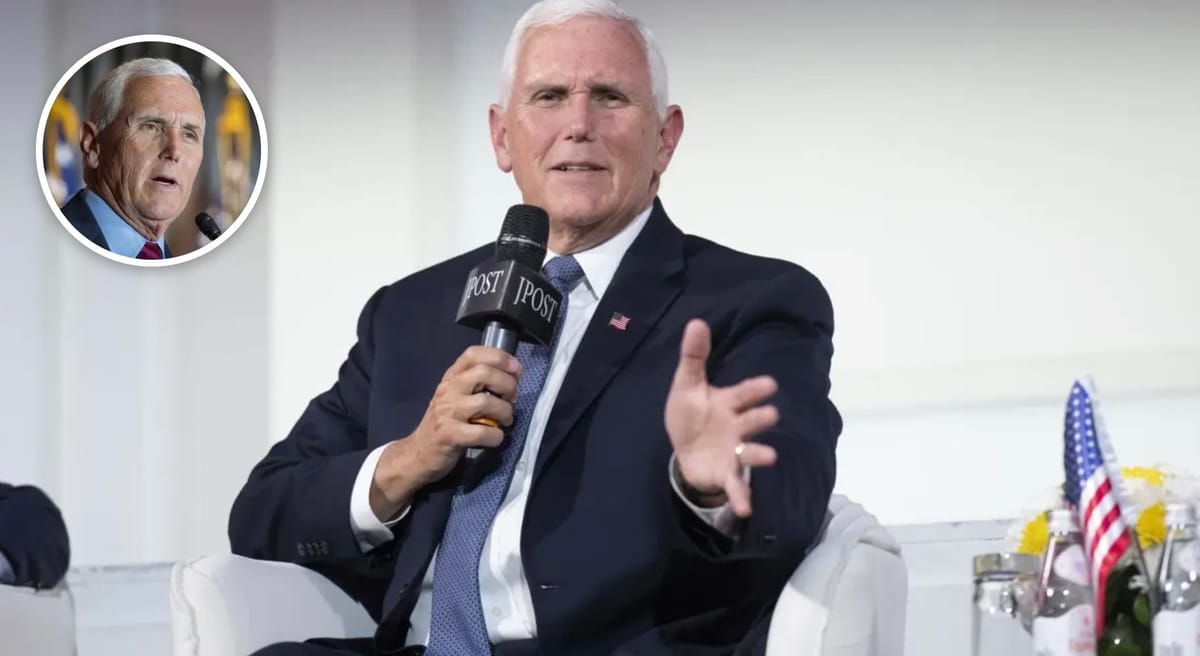
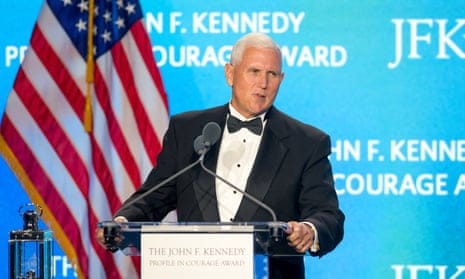
Former Vice President Mike Pence has delivered a stunning constitutional challenge against his former running mate, directly contradicting President Trump’s authority to impose sweeping tariffs without Congressional approval.
The explosive accusation comes as federal courts deal a major blow to Trump’s aggressive trade agenda.
Constitutional Crisis Brewing
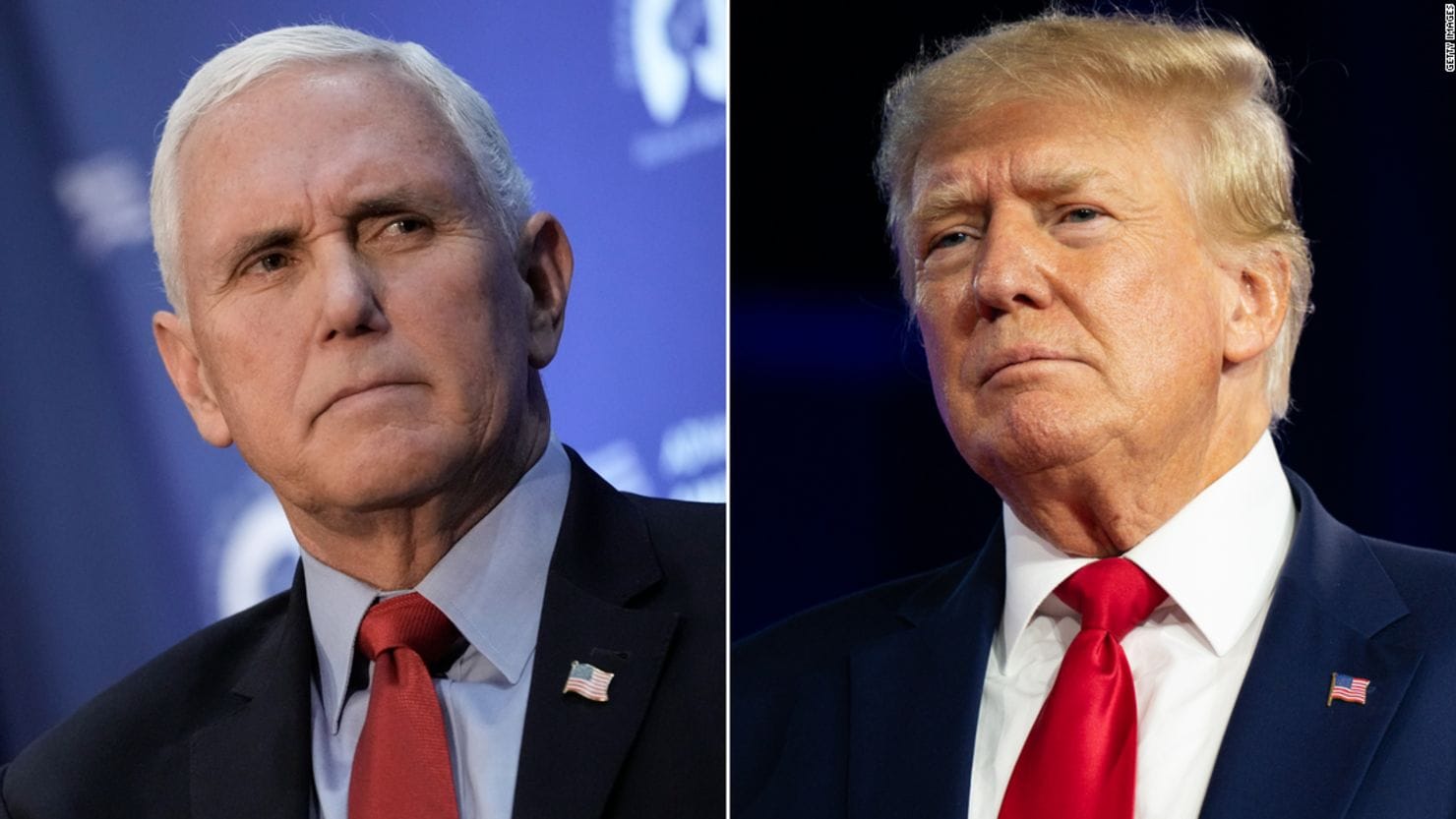
The dramatic split between Trump and Pence centers on fundamental questions of presidential power versus Congressional authority.
Pence’s criticism isn’t just political posturing—it’s rooted in a strict interpretation of constitutional law that puts him at odds with his former boss’s expansive view of executive authority.
The timing couldn’t be more significant, coming just as Trump faces mounting legal challenges to his trade policies.
The Economic Stakes
Trump’s tariff strategy has already reshaped global trade relationships since his return to office in January.
His administration implemented a sweeping 10 percent baseline tariff on nearly all U.S. imports, arguing these measures would revive American manufacturing and correct trade imbalances.
But the economic ripple effects have been immediate and controversial, with businesses facing increased costs and consumers seeing higher prices on foreign goods.
Legal Precedent Under Fire
The constitutional debate isn’t happening in a vacuum—it’s playing out in real time through the federal court system.
Congress has historically granted presidents certain tariff powers through various acts dating back decades, including emergency economic powers that Trump has invoked.
However, legal experts are now questioning whether these delegated authorities have been stretched beyond their intended scope.
The Court’s Decisive Ruling
The U.S. Court of International Trade delivered the bombshell decision that has sent shockwaves through Washington.
The Manhattan federal court ruled that Trump’s justifications—including the fentanyl crisis and unfair trading relationships—did not constitute sufficient emergencies to override Congress’s constitutional powers over tariffs.
“Because of the Constitution’s express allocation of the tariff power to Congress… we do not read IEEPA to delegate an unbounded tariff authority to the President,” the three-judge panel wrote.
The court specifically cited Article 1, Section 8 of the Constitution, which grants Congress the power to “lay and collect Taxes, Duties, Imposts and Excises.”
Trump’s Defiant Response
President Trump wasted no time in condemning the ruling, calling it a “judicial coup” and immediately filing an appeal.
“The horrific decision stated that I would have to get the approval of Congress for these Tariffs,” Trump wrote on Truth Social. “If allowed to stand, this would completely destroy Presidential Power—The Presidency would never be the same!”
The administration’s swift appeal has temporarily preserved the tariffs while the case moves through higher courts.
What Pence Actually Said
Pence’s constitutional argument cuts straight to the heart of the separation of powers debate.
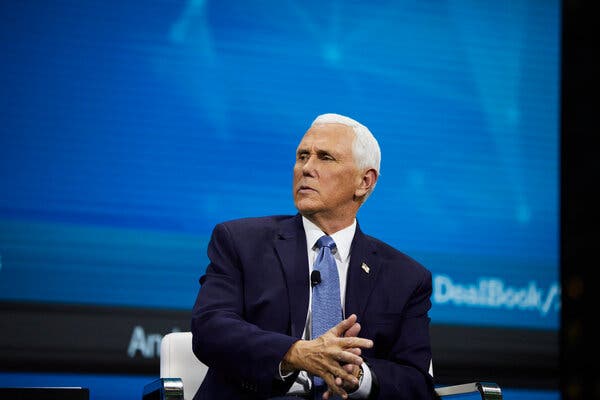
“The Constitution gives Congress the power to levy taxes and tariffs,” Pence wrote on X. “The president has no authority in the Constitution to unilaterally impose tariffs without an act of Congress.”
The former Vice President has consistently maintained this position, previously telling audiences that regardless of one’s views on tariffs’ economic merits, the constitutional authority belongs to Congress alone.
Pence has even criticized the tariffs on economic grounds, arguing that price increases on consumer goods contradict the “American dream.”
The Battle Ahead
With the case now heading to the Court of Appeals for the Federal Circuit, and potentially the Supreme Court, the constitutional question remains unresolved.
The outcome will likely determine not just the fate of Trump’s current tariff policies, but the broader scope of presidential power in trade matters for future administrations.