Media Failed Democracy By Not Stopping Trump Critic Charges
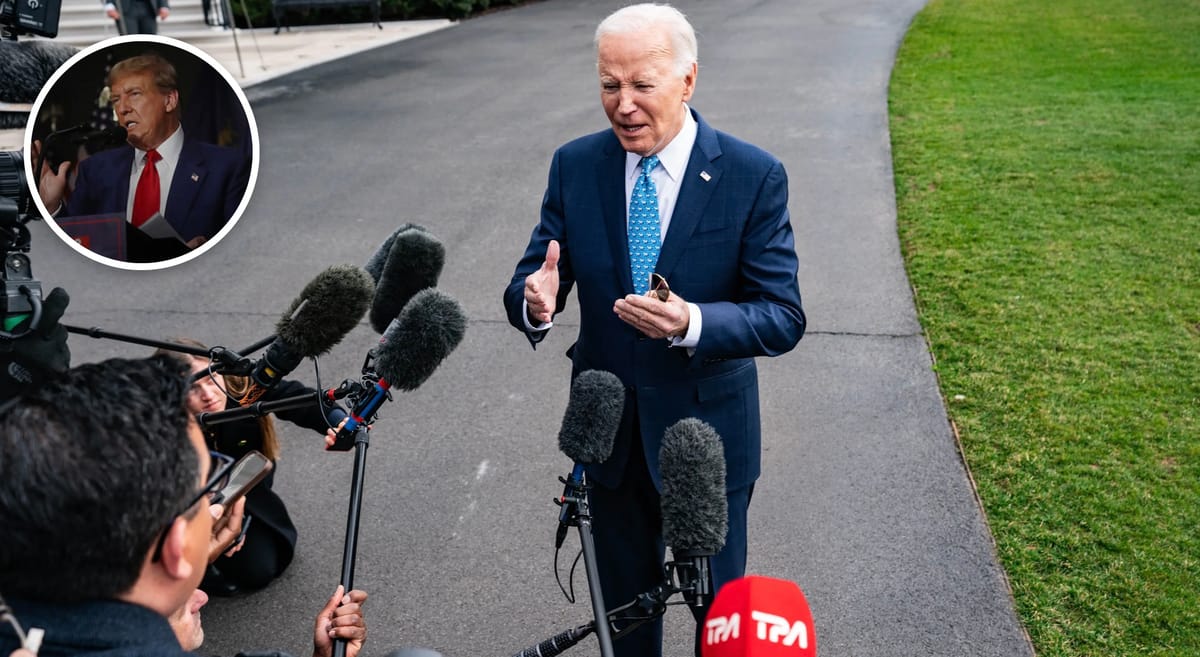
Did mainstream news outlets get it wrong?
A recent wave of debate is questioning the media’s role in a pivotal election outcome.
Controversy Erupts Over Media’s Influence
Following a contentious presidential election, intense scrutiny is falling upon news organizations.
Specifically, critics are pointing fingers at how figures like Donald Trump were covered.
While some discussion has centered on the handling of opponents, a different, perhaps more significant, charge is being leveled.
One prominent media observer argues the real failure wasn’t missing certain stories, but rather the overall approach to one specific candidate.
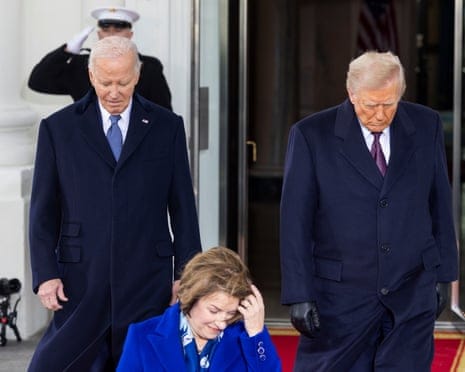
Accusations of Normalizing and Downplaying
The core of this criticism suggests that the media, starting as far back as 2015, didn’t adequately portray the perceived stakes of a Trump presidency.
Instead of highlighting potential dangers or critically dissecting his rhetoric, some argue, news outlets fell into familiar patterns.
This involved what critics call “false equivalence,” treating standard political maneuvers and Trump’s more unconventional actions with the same weight.
Another charge is “normalizing the abnormal.”
Pundits observed media descriptions of Trump’s rallies or speeches often used mild terms like “freewheeling” or “brash,” rather than language that, in their view, reflected the true nature of the events.

The term “sanewashing” was even coined to describe this alleged process of presenting unconventional political behavior in a conventional light.
“False equivalence, normalizing the abnormal, treating Trump as no real danger were the norm, not the exception,” one commentator stated.
They believe this approach prevented voters from fully understanding the potential implications.
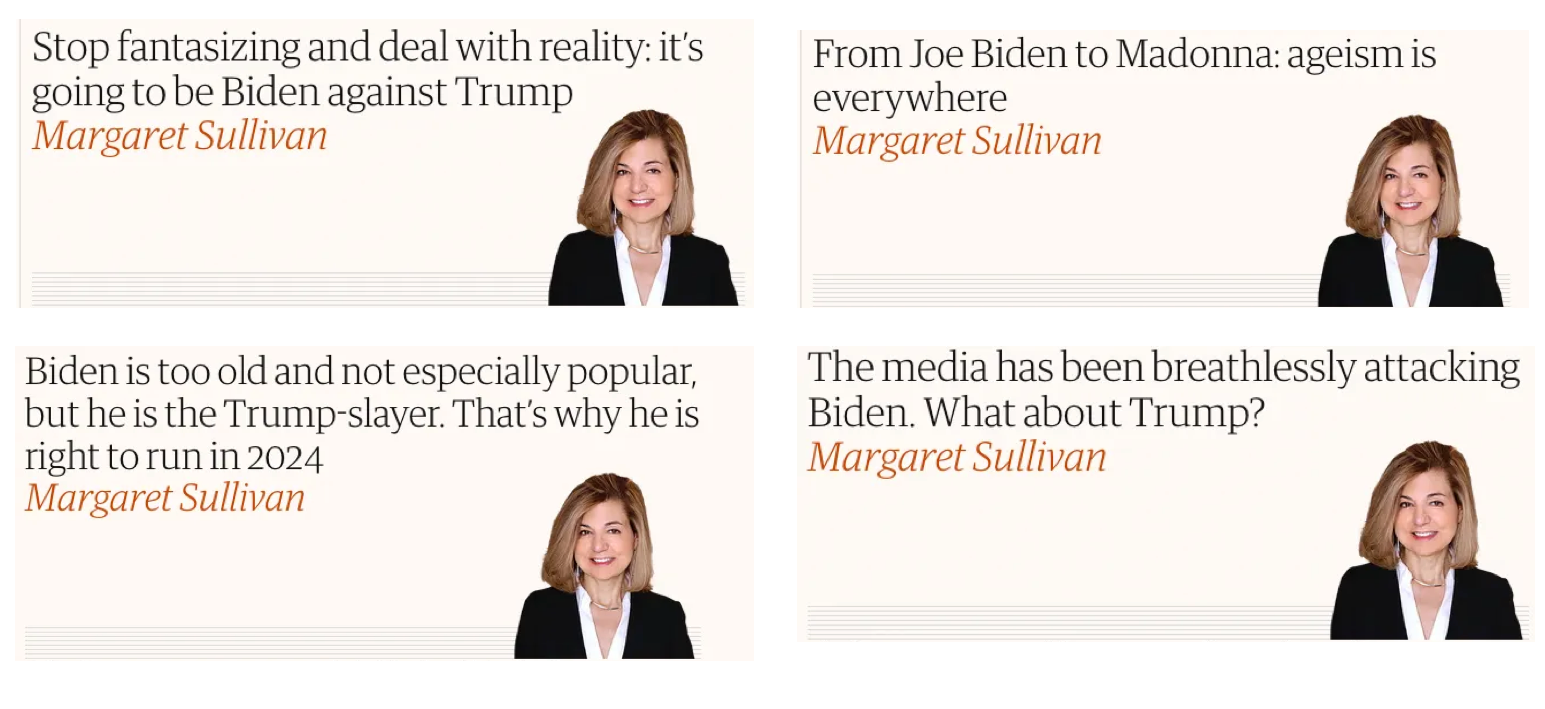
Focus on Debates and Coverage Tone
The criticism extends to how news organizations handled key moments, such as presidential debates.
While media did eventually focus heavily on certain aspects of a candidate’s performance, the argument is that this focus was misplaced.
For a period, intense coverage centered on one candidate’s perceived age or cognitive state.
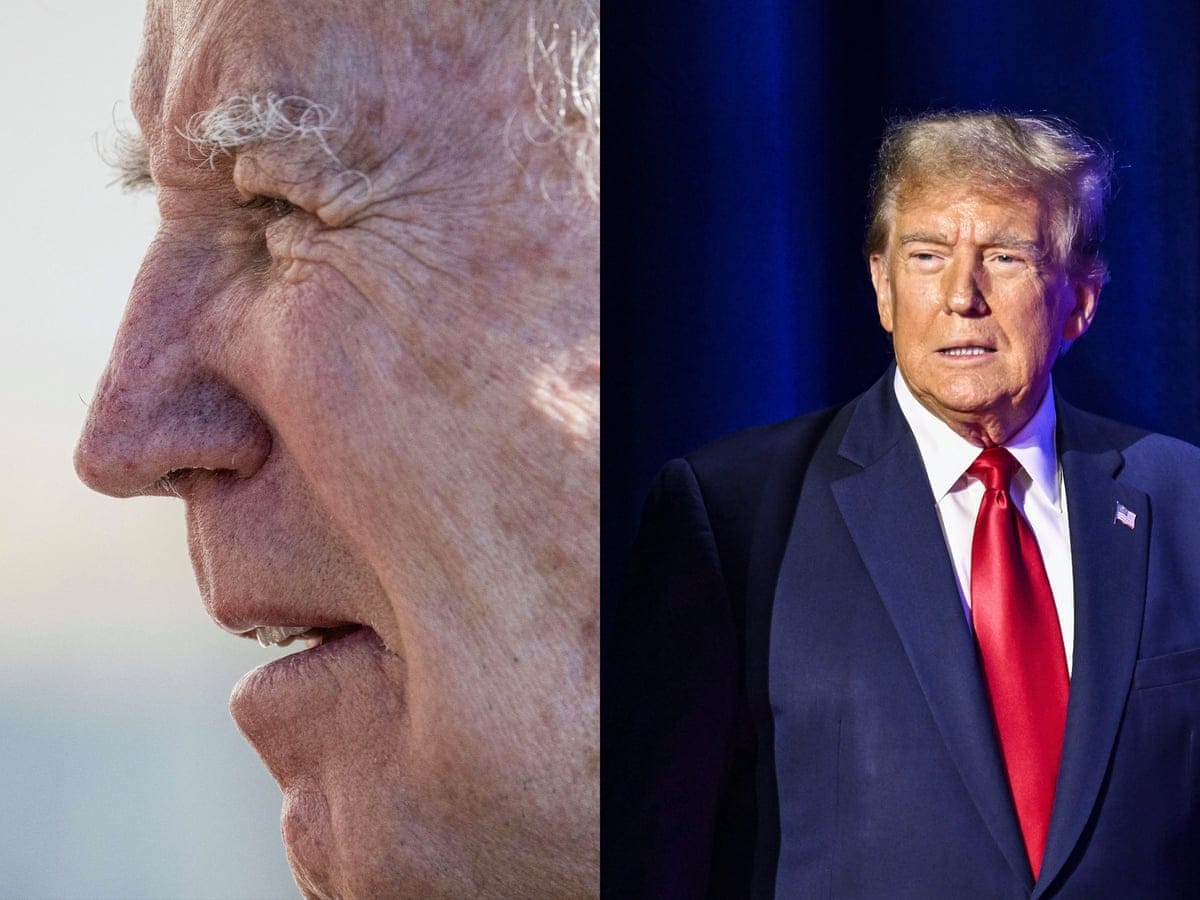
Critics contend this “horserace” style of reporting, day after day, overshadowed what they saw as the more significant issue: the potential impact of a second Trump term.
News leaders often talk about simply “covering the news,” but their choices on prominence, tone, and focus inevitably shape public perception, the critics argue.
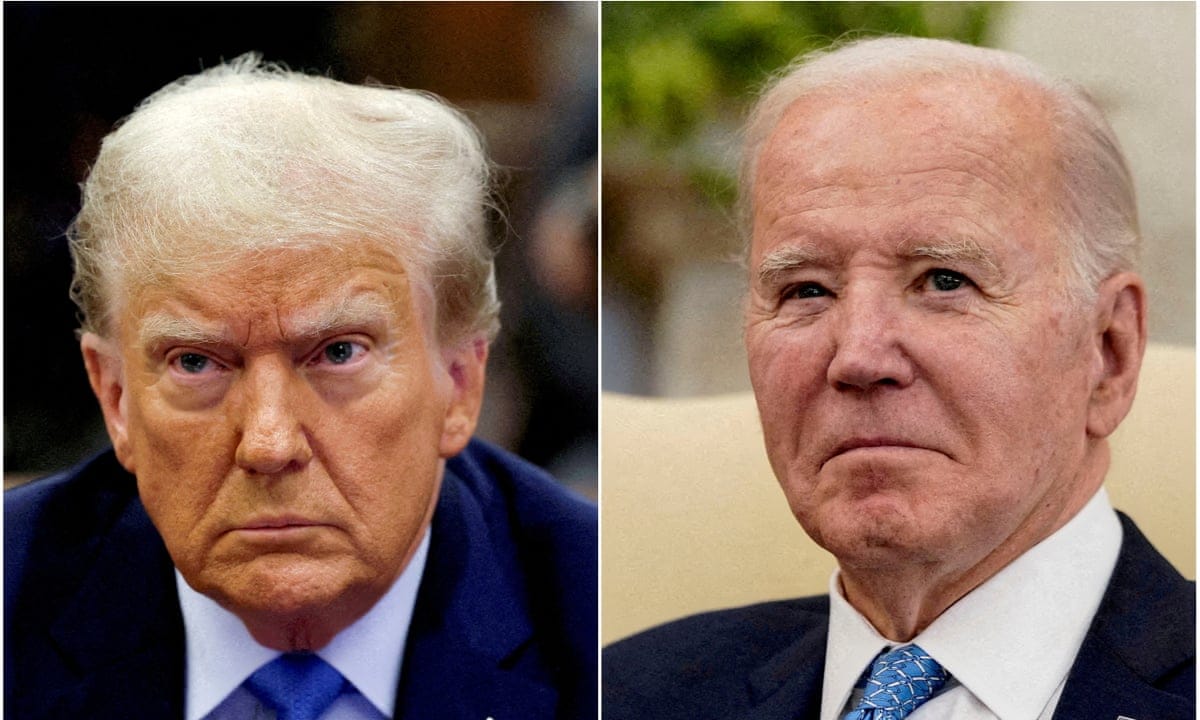
The Charge: Media Should Have Intervened
Here lies the controversial crux of the criticism.
Some observers are now openly charging that media outlets should have moved beyond traditional neutrality.
Because, they argue, editorial decisions always involve choices – what to investigate, how to word alerts, which photos to use – there’s no such thing as pure objectivity anyway.
Therefore, according to this view, the media had an obligation.
The most pointed accusation is that if the media was inevitably going to influence the narrative, it should have done so with a specific goal.
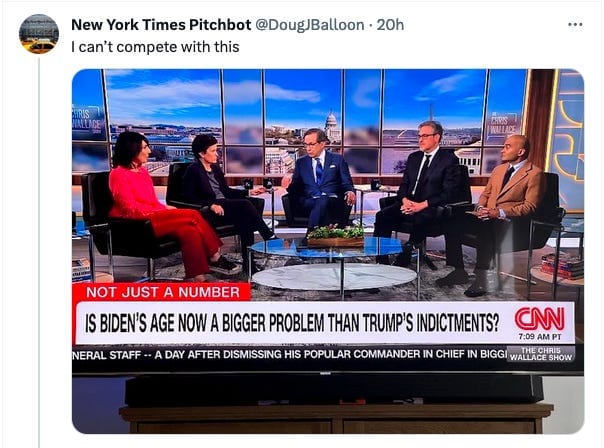
The explosive charge is that the media’s failure was not stepping in and actively working to prevent Donald Trump’s election, which these critics view as a failure to defend democracy itself.
An Unlikely Reckoning?
Whether mainstream media will ever fully engage with this particular criticism – that they failed by not being partisan enough against Trump – remains a point of debate.
It challenges fundamental journalistic principles of neutrality, prompting a difficult conversation about the media’s role in a polarized political landscape.