Markets shrug off Trump losing tariff powers as economist reveals the shocking reason why investors aren’t celebrating
When a federal court stripped away President Trump’s sweeping tariff authority, Wall Street barely blinked. But one economist’s brutal assessment reveals why investors aren’t popping champagne.
The Court Decision That Should Have Rocked Markets
On Wednesday, the Court of International Trade delivered what many considered a devastating blow to Trump’s trade agenda.
The three-judge panel ruled that Trump’s use of emergency powers didn’t grant him “unbounded” authority to impose his signature tariffs.
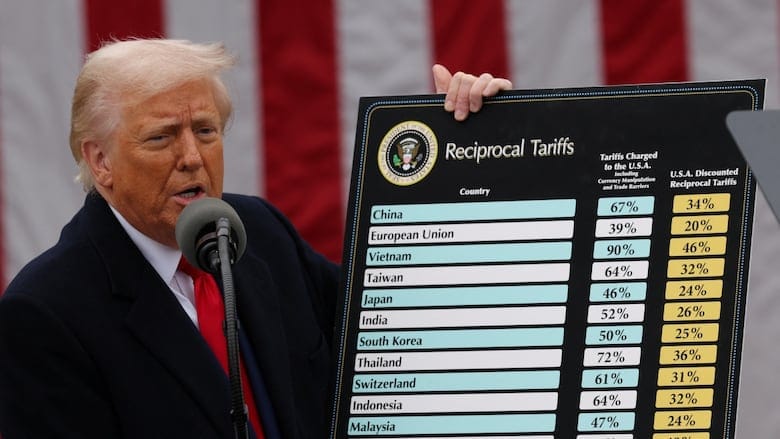
These included the 10 percent global baseline tariff, reciprocal tariffs, and measures targeting China, Canada, and Mexico over the fentanyl crisis.
“Because of the Constitution’s express allocation of the tariff power to Congress… we do not read IEEPA to delegate an unbounded tariff authority to the President,” the judges wrote.
By Thursday, an appeals court had paused the ruling, allowing Trump’s tariffs to continue while the legal battle unfolds.
Wall Street’s Surprising Non-Reaction
Historically, tariff developments have sent shockwaves through financial markets.
But this time was different. The S&P 500, Dow Jones, and Nasdaq posted only modest gains following the court decision.
Even when the appeals court paused the ruling, markets remained remarkably calm.
Finance professor Alex Edmans from London Business School told reporters that markets had “priced in” the legal challenges.
He explained that Trump’s tariff policy had created so much “volatility” and “noise” that investors had become desensitized to individual developments.
Trump’s Defiant Response
President Trump didn’t take the court ruling lying down.
On Truth Social, he blasted the decision as “horrible” and “Country threatening.”
“Hopefully, the Supreme Court will reverse this horrible, Country threatening decision, QUICKLY and DECISIVELY,” Trump wrote.
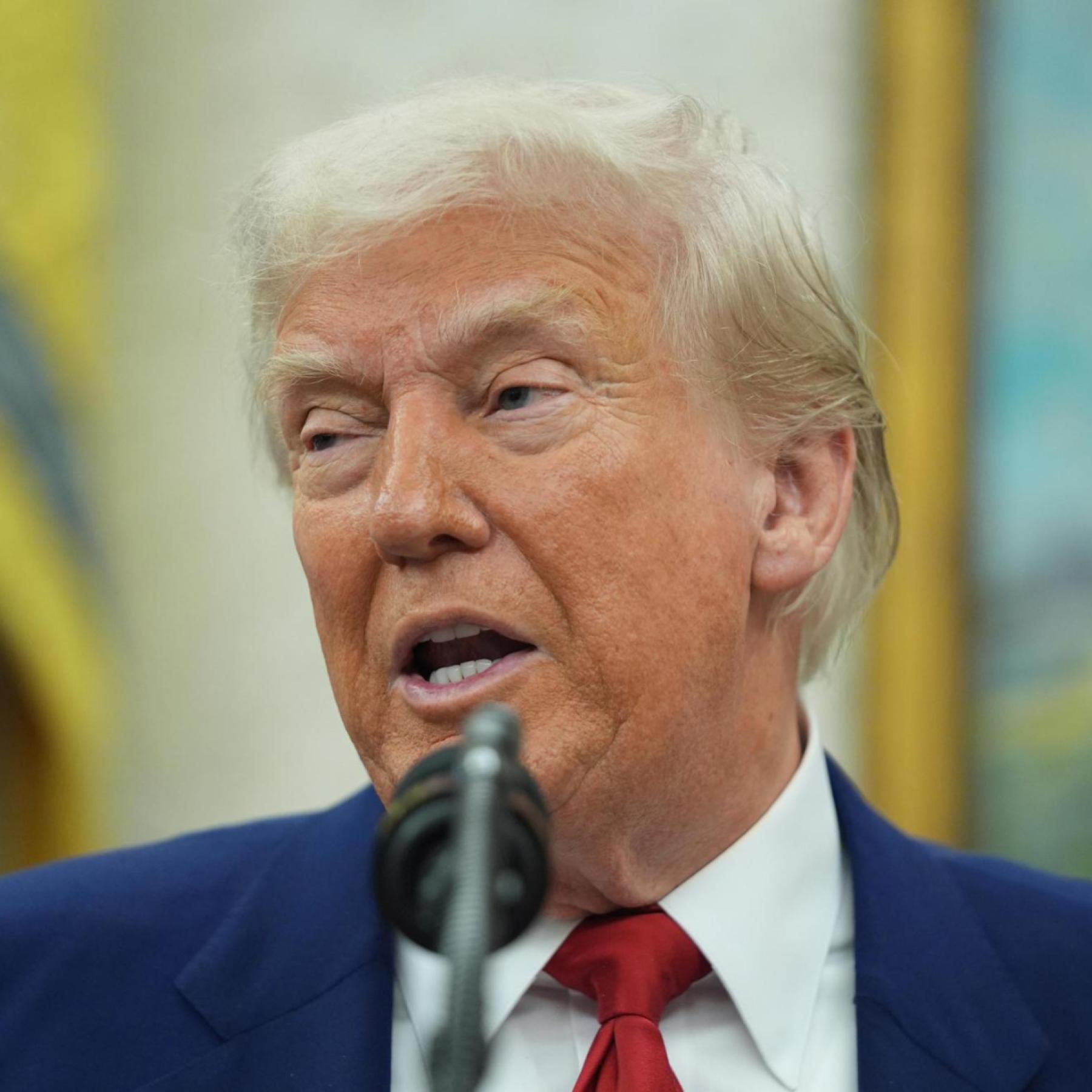
He argued that requiring Congressional approval would mean “hundreds of politicians would sit around D.C. for weeks, and even months” trying to reach decisions.
The administration has already signaled its intention to take the case all the way to the Supreme Court if necessary.
The Legal Battle Ahead
The appeals court has set a tight timeline for responses.
Plaintiffs have until June 5 to file their response, with the government’s reply due by June 9.
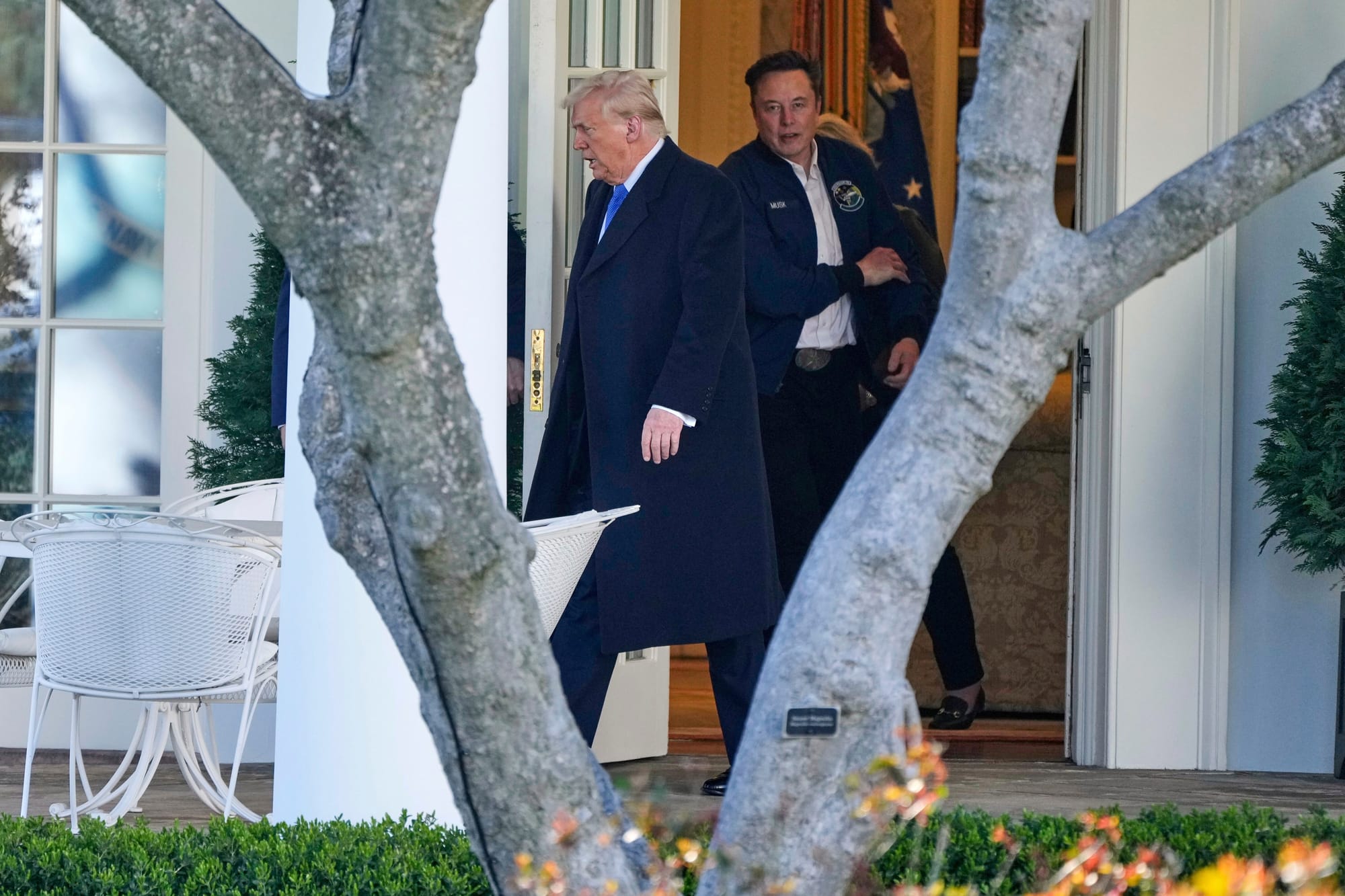
Legal experts suggest this case could fundamentally reshape the balance of trade powers between the executive and legislative branches.
Both Democrats and Republicans have raised constitutional concerns about Trump’s broad use of emergency powers for trade policy.
The Economist’s Shocking Assessment
But it was University of Michigan economist Justin Wolfers who provided the most startling explanation for the market’s muted response.
Speaking to the Australian Broadcasting Corporation, Wolfers didn’t mince words about why investors weren’t celebrating the court victory.
According to Wolfers, markets had already concluded that the current administration was “out of control.”
He argued that Trump’s original tariff announcements were “so incoherent, so poorly thought through, so dramatic, so unconstitutional on its face, so absurd” that they signaled an administration operating beyond normal parameters.
“It’s still true that the White House is full of lunatics and that still weighs on people’s minds,” Wolfers stated bluntly.
The economist suggested that investors had already factored in the administration’s unpredictable approach, making individual legal setbacks less significant than they might otherwise appear.
As this constitutional showdown heads toward the Supreme Court, one thing remains clear: Wall Street has learned to expect the unexpected from Trump’s trade policy, making even major legal defeats feel like just another day at the office.