Marco Rubio accused of weaponizing deportation powers to silence Columbia University pro-Palestinian activist
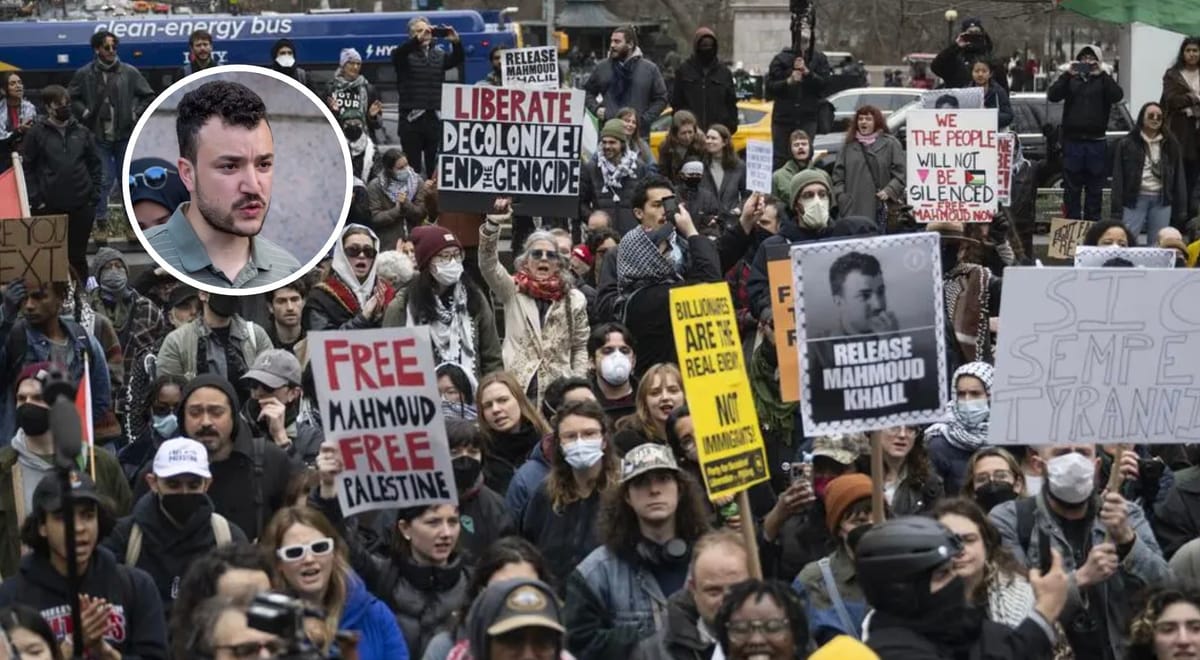
A federal judge just delivered a bombshell ruling that could shake the Trump administration’s immigration crackdown to its core.
The decision centers on Secretary of State Marco Rubio’s controversial use of rarely-invoked powers to target a Columbia University graduate student.
The Activist Behind Bars
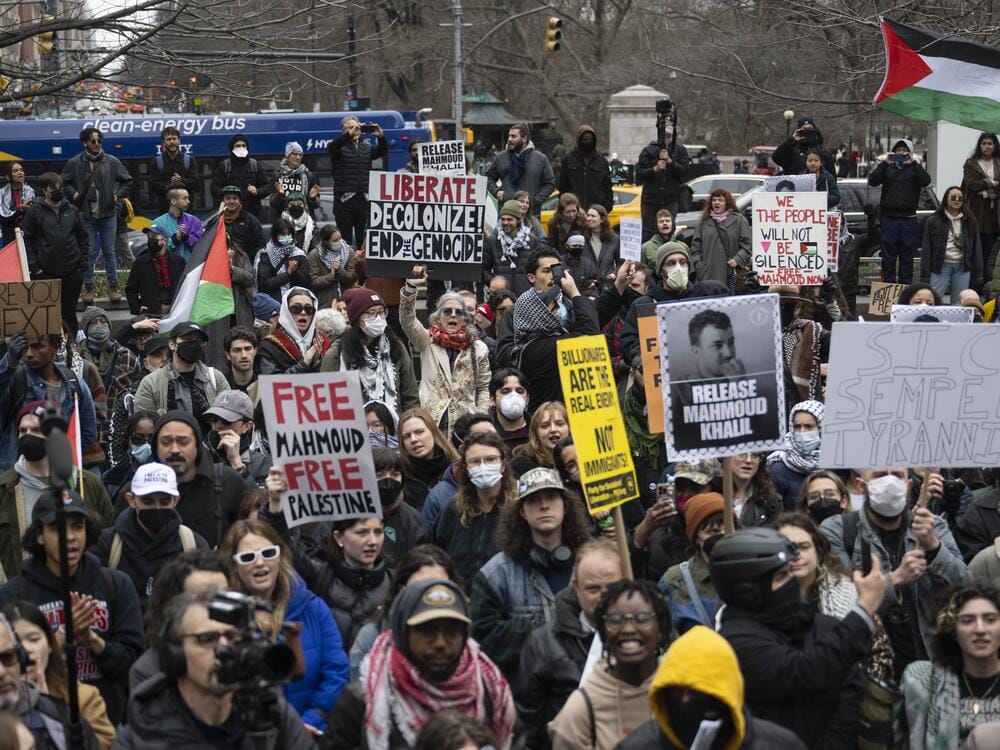
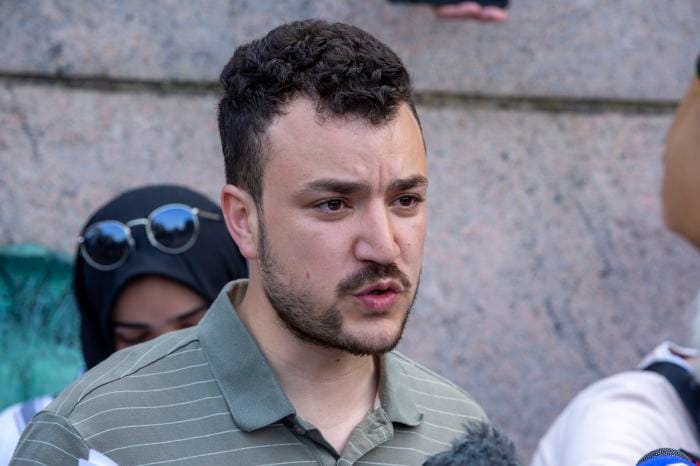
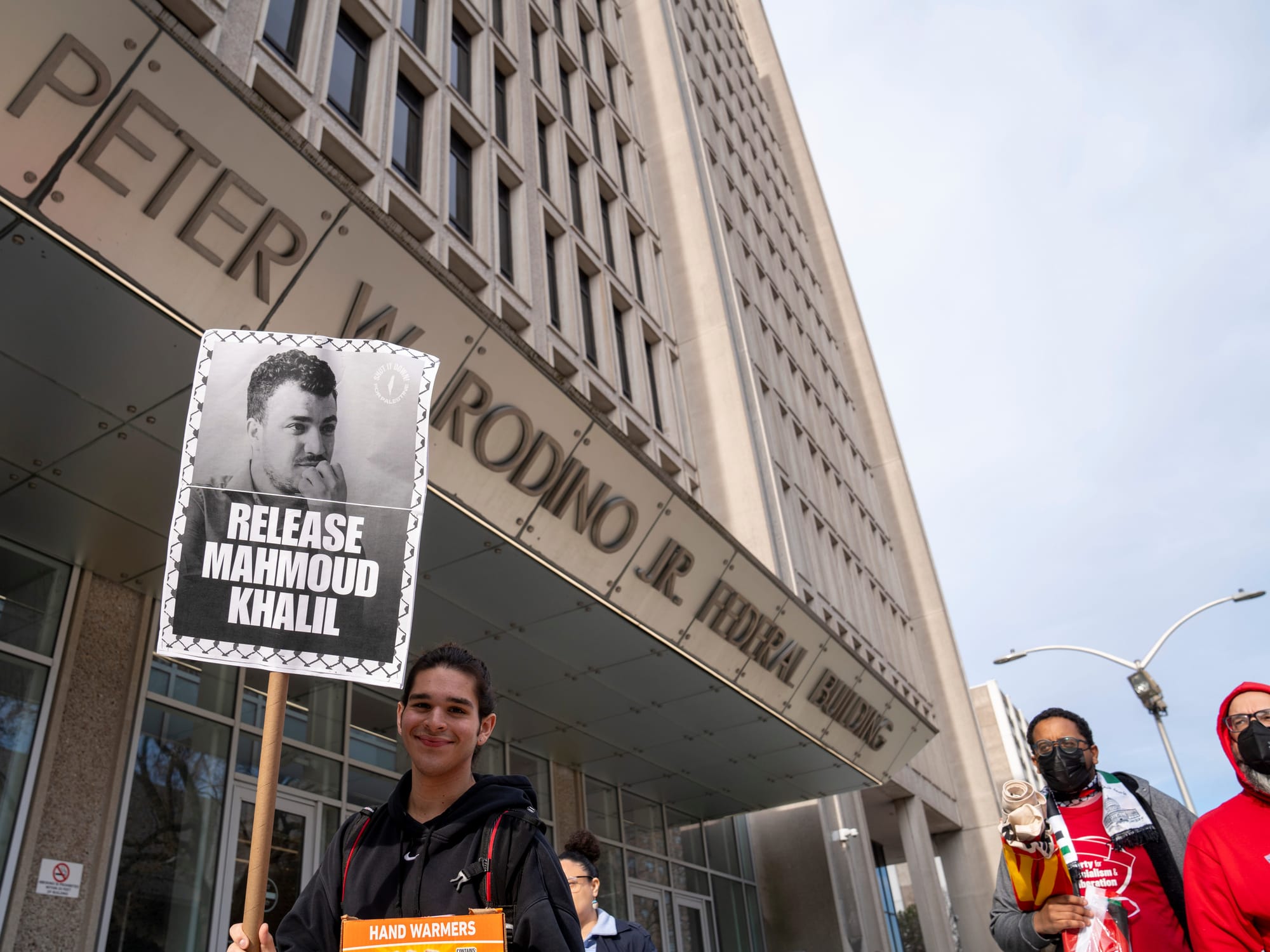
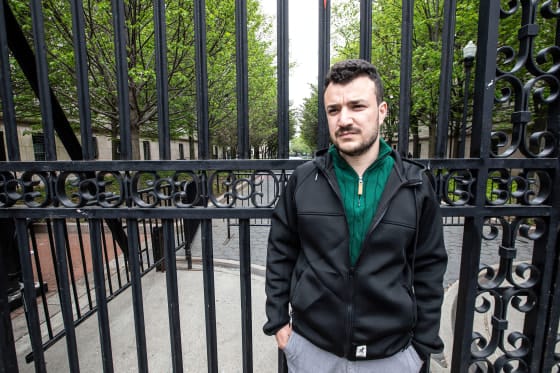
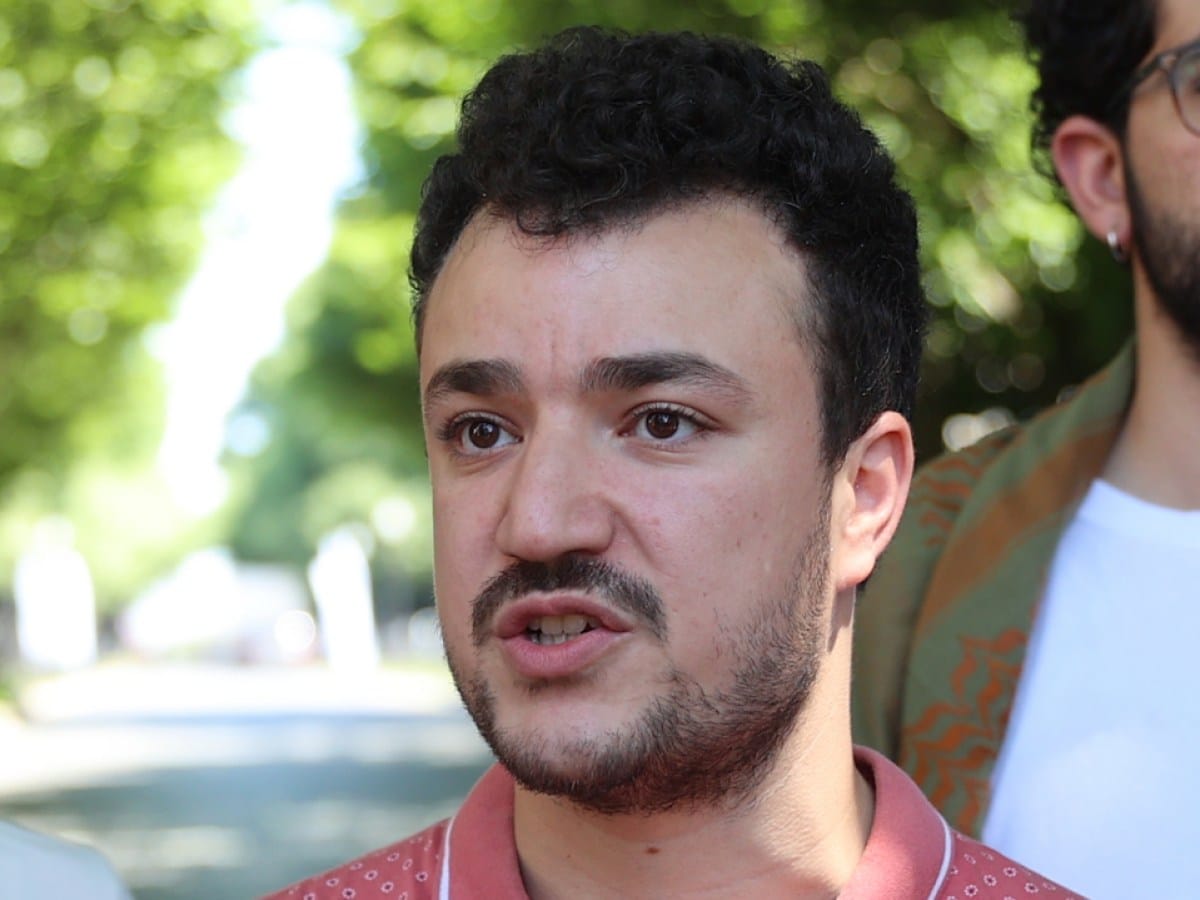
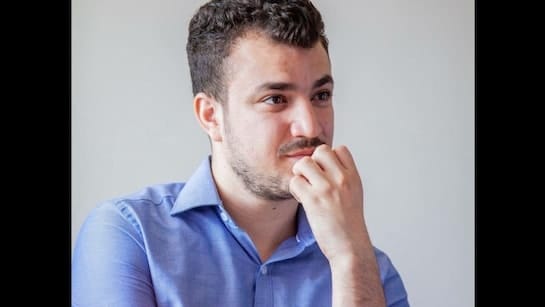
Mahmoud Khalil has been sitting in a Louisiana immigration detention center since March 8, when ICE agents arrested him in his New York apartment lobby.
The pro-Palestinian activist became the first target of President Trump’s renewed crackdown on campus protesters who demonstrated against Israel’s war in Gaza.
His wife and newborn son remain in New York, waiting for answers about his fate.
Rubio’s Rare Power Play
Rubio didn’t use standard immigration procedures to go after Khalil.
Instead, he reached for an obscure federal statute that gives the Secretary of State virtually unlimited power to deport anyone whose presence “compromises a compelling United States foreign policy interest.”
The law requires no court approval, no appeals process, and no evidence beyond the Secretary’s personal determination.
The Antisemitism Claim
Rubio justified stripping Khalil’s green card by declaring his Columbia University activism “antisemitic” and “disruptive.”
He argued that Khalil’s presence threatened America’s foreign policy goals of “eradicating antisemitism around the world.”
The decision marked an unprecedented use of immigration law to target campus speech.
Legal Challenges Mount
Khalil’s lawyers immediately challenged the deportation order on multiple fronts.
They argued that targeting someone for constitutionally protected speech violated the First Amendment.
The ACLU joined the fight, calling Rubio’s actions a dangerous precedent for silencing dissent.
The Government’s Backup Plan
Days after Khalil’s arrest, immigration officials filed a separate charge against him.
They accused him of fraud for allegedly failing to provide certain personal details on his green card application.
Khalil’s lawyers called the timing suspicious, arguing it was clear retaliation for his activism.
The Judge’s Bombshell Ruling
U.S. District Judge Michael Farbiarz delivered a mixed but potentially game-changing decision this week.
The judge ruled that Rubio “likely violated the Constitution” when he stripped Khalil of his green card over his pro-Palestinian activism.
“The Secretary’s determination deserves, and gets the highest respect. But arbitrary enforcement can also be a danger, when one person is given the job, if his determination veers too far away from the standard set down by Congress. Here, the Secretary’s did.”
However, Farbiarz stopped short of ordering Khalil’s immediate release, citing the separate fraud charge and requiring more evidence of “irreparable harm” from his detention.
What Happens Next
Khalil’s legal team vowed to continue fighting for his release, calling the ruling a vindication of their constitutional arguments.
“The district court held what we already know: Secretary of State Rubio’s weaponization of immigration law to punish Mahmoud and others like him is likely unconstitutional,” they wrote in an ACLU statement.
The case now moves forward on multiple tracks, with immigration judges in Louisiana considering the fraud charges while federal courts examine the constitutional questions.
The outcome could determine whether the Trump administration can continue using obscure immigration powers to silence campus activists and other critics of U.S. foreign policy.