Man Who Raped Corpse On NYC Subway Had A Secret Media Tried To Hide
A truly sickening crime unfolded on the New York City subway, leaving people horrified.
But as the story spread, a crucial detail about the alleged perpetrator was conspicuously missing from some major reports – a detail the Department of Homeland Security says was deliberately ignored.
The Unspeakable Act Below Ground
The incident itself is the stuff of nightmares.
Police say a man died of natural causes while slumped in his seat on the R train in Manhattan.
That’s when Felix Rojas allegedly approached.
According to the NYPD, Rojas first rifled through the deceased man’s pockets, committing grand larceny.

But what police say happened next escalated the crime to an almost unimaginable level of depravity.
After allegedly checking if the coast was clear, Rojas is accused of raping the man’s dead body.
This shocking act led to his arrest and charges of rape and grand larceny.
Initial Reports Spark Outrage
News of the horrifying event spread quickly, with various outlets covering the basic details.
The New York Times published a 400-word story detailing the alleged crime and Rojas’ arrest.
Other publications also reported on the incident, focusing on the gruesome nature of the alleged assault.
The New York Post initially noted that Rojas’ immigration status was unknown at the time of their first report.

However, one powerful government agency noticed a glaring omission in some of the coverage, particularly from the influential New York Times.
DHS Calls Out The New York Times
The Department of Homeland Security (DHS) didn’t mince words.
They publicly slammed The New York Times for its coverage, or lack thereof, regarding one key piece of information about Felix Rojas.
Tricia McLaughlin, DHS assistant secretary for public affairs, took to social media platform X to voice the agency’s frustration.

She pointed directly at the Gray Lady’s reporting:
“The New York Times refused to mention anywhere in its 400-word story on the monstrous rape of a corpse on the NYC subway that the depraved perpetrator is an ILLEGAL alien,” McLaughlin wrote.
“Why not report the facts, @nytimes?”
The accusation was clear: the Times, according to DHS, had failed to report a significant fact about the suspect.
Who Is Felix Rojas?
Felix Rojas now faces serious charges following his arrest for the alleged incident on the subway.
Investigators are reportedly looking into whether he might be connected to other crimes within the city.
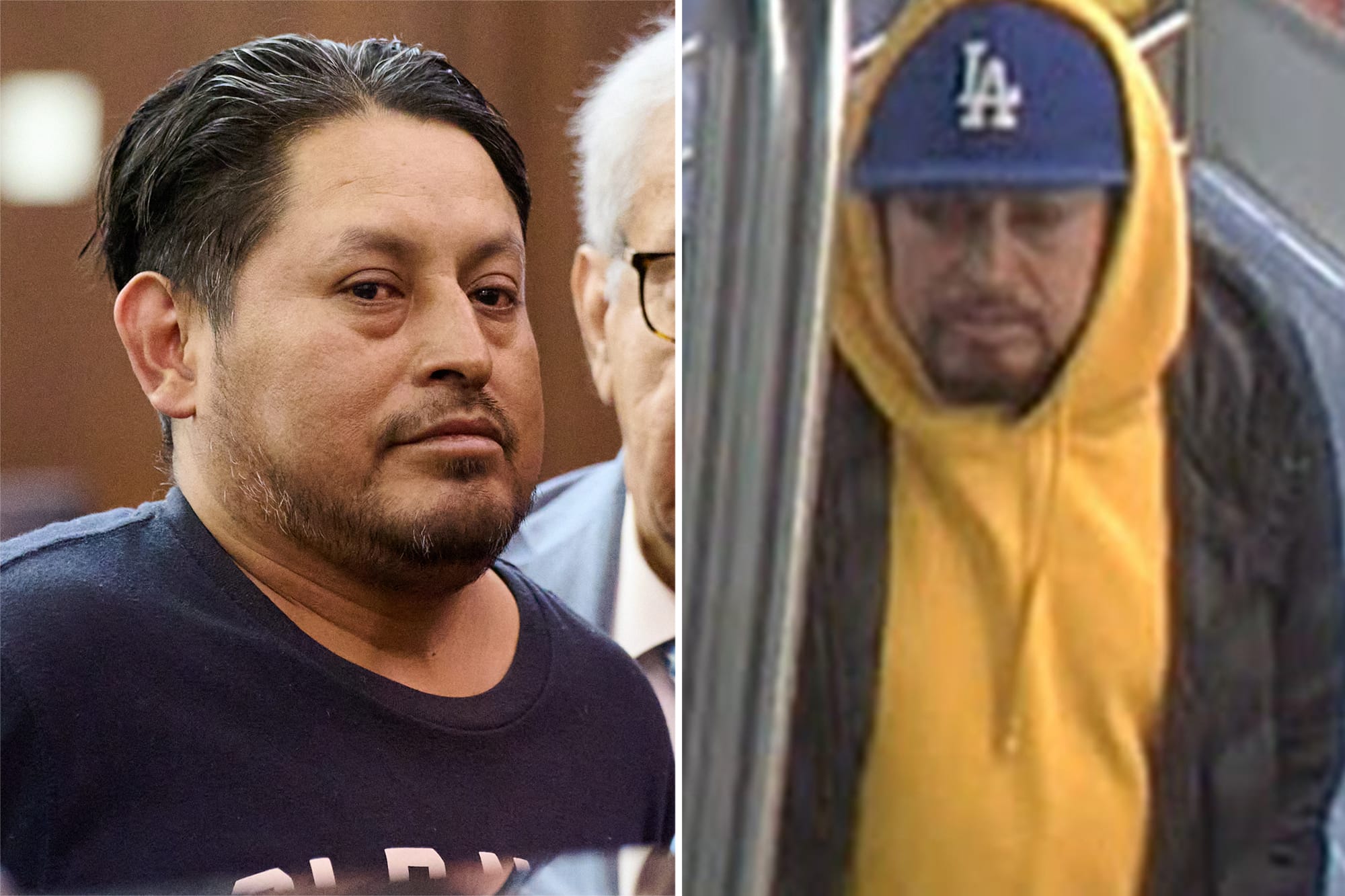
The details surrounding his background paint a concerning picture, according to authorities.
DHS confirmed that Rojas has a history of illegally entering the United States, with attempts dating back as far as 1998.
This history adds another layer to the story, one that DHS felt was crucial for the public to know.
The ‘Secret’ Media Tried To Hide
So, what was the critical piece of information DHS accused the New York Times of omitting?
It was Rojas’ immigration status. The Department of Homeland Security confirmed that Felix Rojas is an “ILLEGAL alien,” residing in the United States unlawfully.

DHS issued a news release announcing an Immigration and Customs Enforcement (ICE) detainer against Rojas on May 1st. This was three days *after* the initial New York Times story ran on April 28th.
Fox News noted that as of their reporting, the Times story did not appear to have been updated with this information, and no follow-up stories about Rojas had been published by the outlet since the initial report.
The New York Post, after initially stating his status was unknown, did publish a separate follow-up story confirming Rojas was in the U.S. illegally.
Implications and Border Security Concerns
The DHS didn’t just point out the omission; they linked it to broader policy concerns.
McLaughlin stated:
“With impunity, open-border policies have allowed violent criminal aliens to terrorize America’s towns and cities.”
“Under President Trump and Secretary [Kristi] Noem’s leadership, ICE is working around the clock to remove the worst of the worst from our communities. If you are here illegally and break the law, we will hunt you down, arrest you and lock you up.”
This incident involving Rojas has become a flashpoint in the ongoing debate about immigration, crime, and media reporting, highlighting the significant consequences DHS associates with border security policies.