Maine Rep Banned From Voting For Defending Girls Sports Wins Supreme Court Fight

A state lawmaker barred from casting votes just took her battle all the way to the nation’s highest court.
And she won, in a major decision impacting free speech and the fight for women’s sports.

A Controversial Post Sparks Political Firestorm
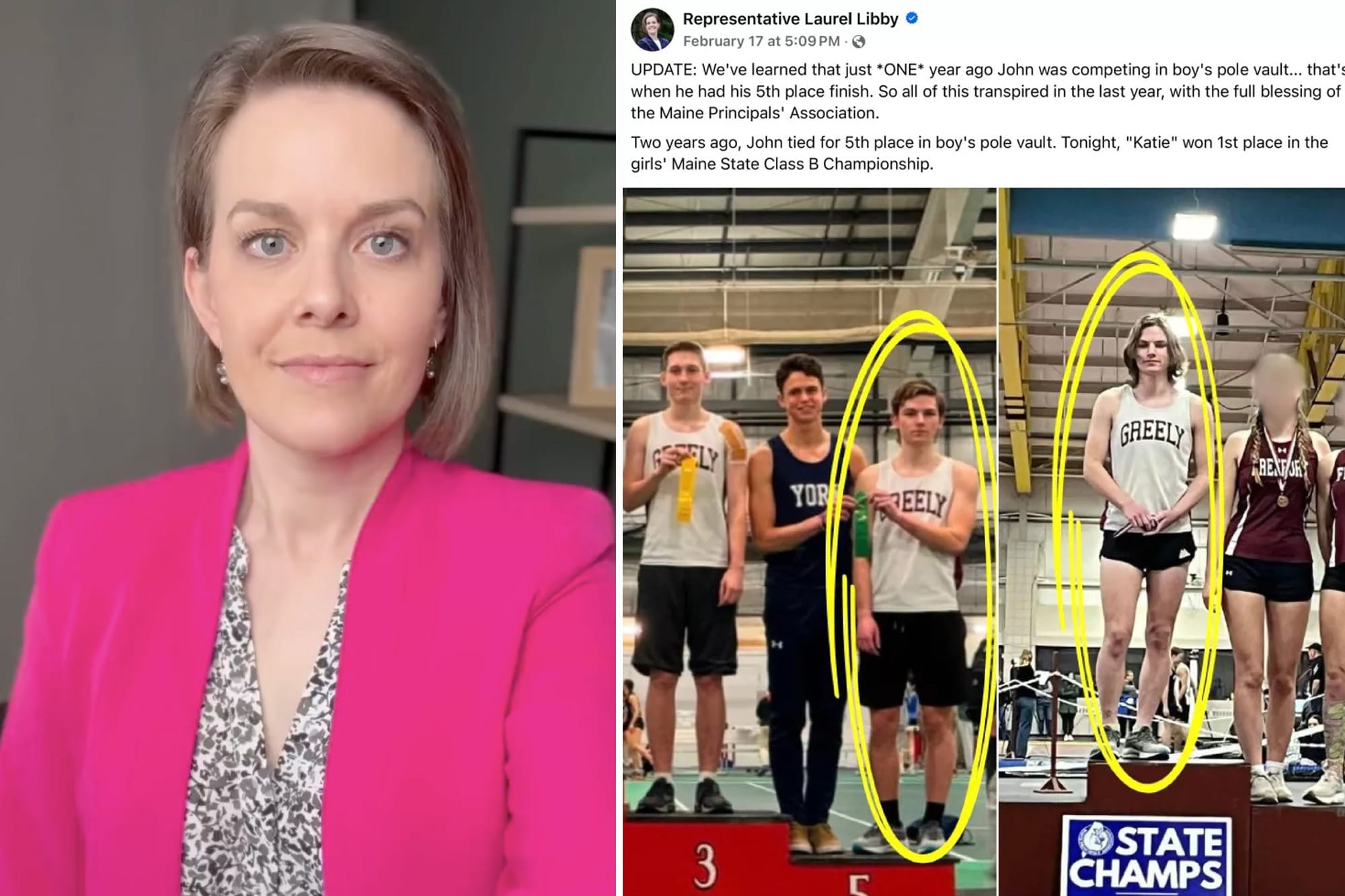
The controversy began with a social media post by Maine state Representative Laurel Libby.
Her post specifically named a biologically male athlete who had won a girls’ pole vault competition.
This ignited a state-wide debate over transgender athlete inclusion in female sports.
It quickly escalated into a political showdown.

Censure and Loss of Rights
Following the post, the state’s Democrat majority took swift action against Rep. Libby.
They voted to censure her in February.
This censure stripped her of her ability to vote in the House for three months.
“This was political retaliation from start to finish,” Libby stated, speaking to Fox News Digital about the action taken against her outspoken stance.

Fighting for “Civil Rights”
For Rep. Libby, this wasn’t just about her own voting rights.
She framed her legal battle as a fight for “civil rights.”
“I most certainly do believe this is a civil rights issue for Maine girls and girls across the country who are being sidelines by biological males,” she told Fox News Digital.
She sees the debate over trans athletes in girls’ sports as a critical juncture for the country.
Polling suggests significant public support for her position, with a survey finding 63% of registered Maine voters believe school sports should be based on biological sex.
Federal Backing and Ongoing Defiance
Rep. Libby’s cause has received support from the federal level.
The Trump administration previously issued an executive order requiring states to only allow females to compete in girls’ and women’s sports.
However, states like Maine have continued to allow trans inclusion, defying the order.
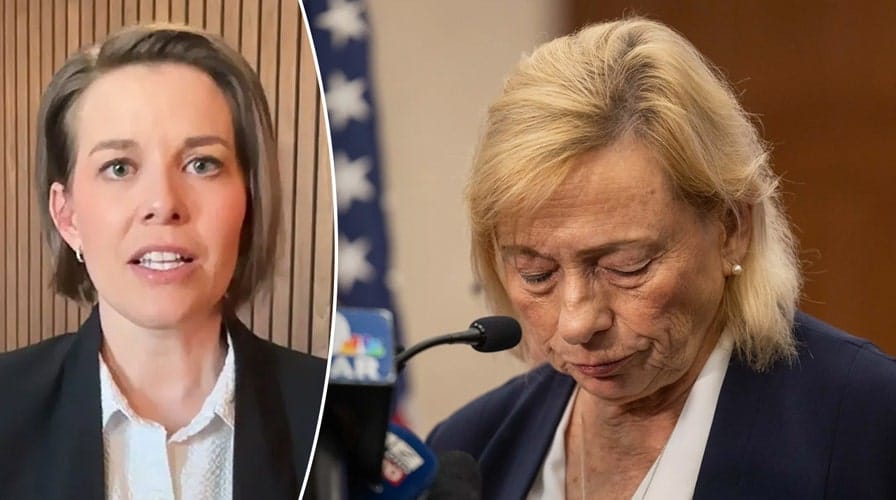
The U.S. Department of Justice, under Attorney General Pam Bondi, has filed a separate lawsuit against Maine over its defiance.
Bondi has also publicly supported Libby’s legal efforts.
The Legal Journey to the Top
Refusing to accept the censure and loss of voting rights, Rep. Libby took her fight to court.
Her case eventually made its way to the United States Supreme Court.
The main defendant in her lawsuit was Maine House Speaker Ryan Fecteau, who had overseen the censure vote.
The stakes were high, not just for Libby and her constituents, but for the principle of free speech for lawmakers and citizens alike.
Just days before the decision, the DOJ filed an amicus brief supporting Libby’s appeal.

A Landmark Supreme Court Decision
On Tuesday, the Supreme Court delivered a significant victory for Rep. Libby.
In a 7-2 decision, the Court ruled in her favor, granting her appeal.
This decision immediately restored her ability to vote for her constituents in the Maine House.
House Speaker Fecteau stated that he would comply with the ruling, confirming Libby’s voting rights were restored “until the current appeal process runs its course.”
Libby believes the ruling sends a clear message.
“Now we have a ruling from the Supreme Court that says no one can be silenced for speaking the truth even if it’s an unpopular truth,” Libby said. “So I hope we will be seeing more folks speaking up on behalf of women and girls and their rights.”
Despite the major win, her legal battle isn’t entirely over; she still needs to regain her right to speak on the House floor, and the case returns to the First Circuit Court of Appeals for further arguments.
Regardless, the Supreme Court’s intervention marks a pivotal moment in her fight and the broader debate over free speech and fairness in women’s sports. “`